Copper Casting Design Challenges and Solutions
2026-03-10
It can be hard to solve copper casting design problems because they require knowledge of metals, precise engineering, and high-quality output. In a lot of different fields, these issues lower the worth of goods. High electrical conductivity, rust resistance, and precise measurements must all be found in contemporary copper castings. They also have to deal with problems that come up during production, like shrinking, holes, and flaws on the surface. When engineering teams and purchasing workers understand these problems, they can make smart choices that make sure parts work well in tough places like electrical systems and industrial machinery.
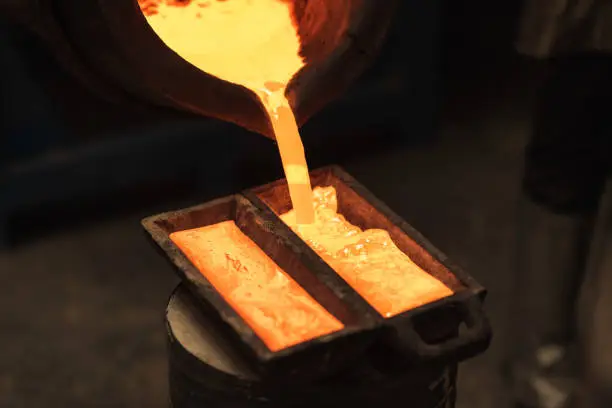
Understanding Copper Casting Design Challenges
Realizing the many sides of design problems that can affect the quality of the finished part is the first step to making copper casting projects go smoothly. When solidifying, copper alloys behave in a way that is different from other metal casting methods. This requires specific knowledge and careful process control.
Material Properties and Thermal Behavior
Copper metals have unique heating properties that have a big effect on the quality of the casting. Copper is a good conductor of heat, so it loses heat quickly during casting. This can cause uneven cooling rates, which can cause internal stresses and changes in size. This temperature behavior is especially hard to deal with when making complicated shapes whose walls have different thicknesses.
The way copper metals solidify is very different from how aluminum or iron-based materials solidify. Copper forms a crystalline structure when it cools, so it's important to keep the temperature just right to keep the mechanical properties of the cast part constant and prevent grain border weakness. When engineers build closing systems and figure out the best pouring temperatures, they have to take these thermal dynamics into account.
Alloy Composition Impact on Castability
Depending on the makeup of the copper metal, casting can be easier or harder. Pure copper is a good conductor, but it can be hard to work with because it tends to become porous and oxidize when it melts. Tin in bronze metals makes them easier to cast, but if they aren't handled properly, they can cause problems with segregation. Careful control of the environment is needed for brass metals that contain zinc to keep the zinc from vaporizing away.
Choosing the right metal makeup has a direct effect on both how well the finished product works and how easy it is to make. When engineers design something, they have to weigh the desired electrical qualities, mechanical strength, and corrosion protection against how hard it is to make and how much it costs.
Analyzing the Causes and Solutions for Typical Copper Casting Defects
To fix casting flaws, you need to carefully look at their causes and use tried-and-true methods to fix them. When production teams understand how defects happen, they can take preventative steps instead of making fixes after the fact.
Shrinkage and Porosity Control
In copper casting, shrinkage flaws are one of the most common problems that come up. These flaws happen when the casting structure has holes in it because it wasn't fed enough during solidification. The answer is to improve the design of the risers, the way the gates are set up, and how the cooling rate is managed.
For shrinkage prevention to work, feeders and steps need to be placed in a way that makes sure solidification moves from thin areas to larger ones. Engineers can change plans before the actual casting starts by using advanced modeling software to predict how the material will shrink. The flow and solidification of metal are guided by the form of the mold and the right temperature gradients.
Most of the time, porosity problems in copper castings are caused by gases getting trapped during pouring or dissolved gases escaping as the mixture cools. Using vacuum-assisted pouring, degassing methods, and the right venting devices can greatly reduce the formation of pores. Choosing the right mold material is also crucial, because some types of sand produce gases that can become trapped in the metal as it hardens.
Surface Quality Enhancement
Inadequate pouring methods, oxidation, and mold-metal interactions are common causes of surface flaws in copper castings. To get smooth surfaces, you need to pay attention to the mold coating you choose, how fast you pour, and how you protect the material from the air while it's heating and casting.
Mold coats do many things, such as improving the surface finish, stopping metal from penetrating, and creating a thermal shield. The best surface quality is achieved by choosing the right finishing materials based on the type of metal and the complexity of the casting. Coatings made from graphite work well on bronze alloys, and coatings made from zircon work great on brass alloys.
Controlling oxidation while melting and filling keeps the surface of final casts from getting dirty, which shows up as scale or inclusions. Oxidation formation is slowed down by protective atmospheres that use neutral gases or lowering flame conditions. The right choice of flux and application methods get rid of current oxides and stop new ones from forming during processing.
Best Copper Casting Processes to Overcome Design Challenges
Selecting the best casting method is a big choice that affects both the quality of the parts and how quickly they can be made. Each way of casting has its own benefits that can help with different design problems and use cases.
Sand Casting Versatility and Applications
Sand casting is still the most flexible way to make copper alloy parts because it can be used for medium to large production runs without breaking the bank. Through core usage, this process can handle complicated internal shapes while keeping acceptable dimensional limits for most uses.
Because sand casting is naturally flexible, design changes can be made without having to buy a lot of new tools. Instead of spending a lot of money on die improvements, engineers can make changes to designs by adjusting patterns. This flexibility is especially useful when making changes to a product or when making a custom part.
It is also easier to put metal into sand casting than into a fixed mold when making copper castings. Because sand molds can be squished, they can handle metal shrinking without putting pressure on the inside, which makes it less likely that cracks will appear. To get the best surface finish on copper castings, you need to pick the right type of sand and grain size while still letting enough gas escape.
Investment Casting Precision
Investment casting is the best way to make complex copper metal parts because it gives them perfect dimensions and a smooth finish. It is very good at making complex shapes with very tight tolerances, which is something that would be hard or impossible to do with cutting.
The clay shell construction used in investment casting makes the parts very stable in terms of size and resistance to heat. This mix lets you precisely control the rates of cooling and the patterns of solidification, which keeps defects to a minimum. Because the ceramic surface is smooth, it makes better casting ends that often don't need any extra work.
When exact conductor geometries are needed, investment casting works especially well in electrical and computer uses. This process is great for making connector housings, heat sinks, and other specialized electrical parts because it can cast thin walls, complicated internal pathways, and complex exterior features.
Centrifugal Casting for Dense Components
Centrifugal casting uses spinning forces to make metal denser and less porous in cylinder-shaped parts. This method works especially well for copper metal bushings, bearings, and pipe fittings that need to have consistent material qualities.
When you cast something, the rotational force pushes lighter inclusions and gases to the inside, where they can be machined away. This leaves thick, high-quality material in the working areas. When compared to static casting methods, this natural cleaning effect makes the mechanical traits better.
Centrifugal casting can also make bimetallic parts by adding different metals one after the other. This feature lets you combine bearing surfaces made of copper alloy with backing materials made of steel, which improves both performance and cost-effectiveness.
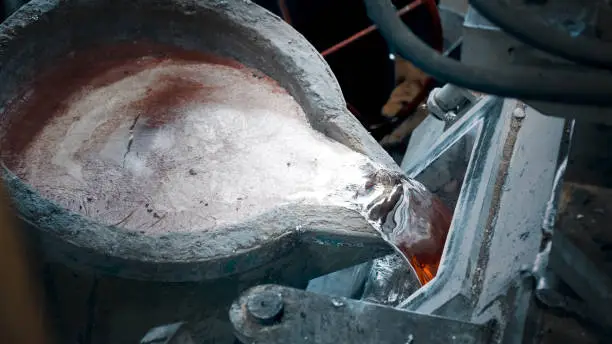
Strategic Selection of Copper Alloys and Grade Recommendations
When choosing a copper metal, it's important to think about how it will be used, the climate, and the limitations of the manufacturing process. To make the best material choices for different uses, you need to know how the makeup of a metal affects its performance.
Electrical and Electronics Applications
For power transfer and computer uses, C11000 Electrolytic Tough Pitch copper gives the best electrical conductivity. With its good formability and joint properties, this grade also has great electrical performance. But because of how it casts, the atmosphere needs to be carefully controlled to keep holes from forming.
C10200 Oxygen-Free copper gets rid of worries about hydrogen embrittlement while keeping its great electrical qualities. When it comes to casting, this metal is better than C11000, which makes it ideal for complicated electrical parts that need to be both conductory and precise in size.
When you need something strong and electrically good at the same time, C18200 chrome copper is a great choice. After casting, this precipitation-hardening metal can be treated with a solution to get the best strength levels while still having enough conductivity for many electrical uses.
Industrial and Mechanical Components
C95400 Aluminum Bronze is very strong and doesn't rust, making it perfect for use in naval and industrial settings. This metal is very good at casting and doesn't tend to have many holes. It also has better wear protection than most copper-based materials.
C93200 Bearing Bronze is easy to make and has great bearing qualities. The lead percentage makes it easier to machine and gives it self-lubricating properties that are important for bearing uses. Using the right casting methods stops lead from segregating, which could hurt performance.
C83600 Leaded Red Brass is easy to work with and has a reasonable amount of power, making it good for general-purpose uses. This metal forms well, flows easily, and doesn't leave many defects. This makes it good for complicated shapes that need extra work on the machine.
Procurement Best Practices for Copper Castings in Global Markets
To successfully buy copper castings, you need to carefully look at the skills of the suppliers, their quality control methods, and how the market is changing. By making good buying plans, you can make sure that your supply lines are reliable and meet your cost and quality goals.
Supplier Qualification and Assessment
Quality badges tell you a lot about a supplier's skills and how they control the process. Basic dedication to quality management is shown by ISO 9001 certification, while industry-specific certifications, such as AS9100 for aircraft uses, show more specialized knowledge. IATF 16949 certification for car providers makes sure that they understand the strict quality standards and paperwork rules.
They should look at things like understanding of steel, process control systems, and inspection skills when judging technical skills. Suppliers should show that they know about the qualities of copper alloys, how they harden, and how to make sure that copper castings don't have flaws. Advanced service providers use computer models to make the casting process better and statistical process control to make sure that the copper castings are of high quality.
Evaluating suppliers' production ability and flexibility helps make sure they can meet number needs while also being able to adapt to changes in design or shipping schedules. Understanding the equipment capabilities of your suppliers, such as their melting capacity, mold sizes, and machine resources, can help you avoid output bottlenecks in the future.
Supply Chain Risk Management
Geographic variety makes the supply chain less vulnerable while keeping quality standards high. Building ties with a number of qualified sellers in different areas gives you options when the market is unstable or there aren't enough supplies. Standardized specifications and frequent audits are needed, though, to make sure that quality is the same across various suppliers.
As supply lines are looked at more closely for sustainability, it becomes more important to be clear about where raw materials come from. Suppliers should give clear information about where the copper comes from and how much of it is recycled. When metal prices are fluctuating, it's helpful to know how suppliers handle their inventory so that you can plan for possible shipping delays.
Long-term relationship growth is good for both sides because it leads to better communication, teamwork in fixing problems, and process optimization. When sellers work together with customers, they can buy specialized tools or methods that meet specific needs, and they can be sure that they will be bought in large enough quantities to support these purchases.
Conclusion
If you want to get the best results from copper castings, you need to know a lot about metals, how processes work, and how to keep quality high. Copper metal hardens in a complicated way, so the shape of the mold, the control of temperature, and the quality of the air must all be carefully thought out during the casting process. It is important to find the right mix between choosing the right materials, making the best use of processes, and working together with suppliers so that projects can deliver parts that meet high performance standards in electrical, automotive, industrial, and space applications. Engineering teams can deal with the problems that come with copper alloys and make the most of their useful features by following organized ways to avoid mistakes, pick the right process, and get the right materials.
FAQ
What are the most common defects in copper castings?
Most of the time, flaws like shrinking porosity, gas porosity, surface oxidation, and dimensional errors happen. Shrinkage flaws happen when the material isn't fed enough during solidification, and gas porosity happens when air or gases are held or released. Surface rust shows up as scales or particles and is caused by being exposed to air while melting or pouring. Differences in dimensions are caused by temperature forces, mold movement, or bad pattern design.
How does alloy composition affect copper casting quality?
The makeup of an alloy has a big effect on its flexibility, how it solidifies, and how easily it breaks. A higher copper level usually makes electrical conductivity better, but it may also make pores more likely. Adding tin to bronze mixtures makes them easier to cast, but if the cooling rate is too fast, the metals can separate. Adding zinc to brass metals makes them more flexible, but the atmosphere needs to be controlled to keep the zinc from vaporizing away. Adding lead makes the metal easier to work with, but if you don't use the right casting methods, it could lead to segregation.
Which casting process is best for complex copper components?
For copper parts that need to be made with tight specs and complicated shapes, investment casting usually works best. The ceramic shell method can handle thin walls, internal pathways, and complex surface features while keeping the exact sizes of the parts. Sand casting is a good way to make big, complicated parts with small to middling tolerances. Centrifugal casting works well for cylinder-shaped parts with complicated inside shapes.
What quality standards apply to copper castings?
Quality norms are different for each business. Copper alloy continuous castings are covered by ASTM B505, and copper alloy sand castings are covered by ASTM B584. For aerospace uses, AS9100 quality methods and material requirements, like AMS norms, are needed. With PPAP paperwork, automotive parts must meet the standards of IATF 16949. For marine use, aluminum bronze casts that follow ASTM B148 are used.
Partner with Fudebao Technology for Superior Copper Casting Solutions
Zhejiang Fudebao Technology is a top company that makes copper castings. They combine advanced mechanical knowledge with cutting-edge production technology to make high-quality parts for tough jobs. Our large building includes all stages of production, from melting to precise cutting. This makes sure that we are accountable to a single source and that we have better quality control. We have a lot of experience working with the automobile, industrial equipment, and aircraft industries, and our precision tolerances go up to ±0.05mm. This means that we have the technical knowledge and manufacturing excellence that are needed for important copper casting projects.
Our engineering team works closely with clients to make designs better, choose the right metal, and set up production methods that get rid of common flaws while still meeting strict performance standards. Get in touch with our technical experts at hank.shen@fdbcasting.com to talk about your copper casting needs and find out how our proven skills can help you improve the quality of your parts and the stability of your supply chain.
References
Campbell, John. "Complete Casting Handbook: Metal Casting Processes, Techniques and Design." Butterworth-Heinemann, 2015.
American Foundry Society. "Copper Base Alloys Foundry Practice." AFS Technical Publication, 2018.
Davis, Joseph R. "Copper and Copper Alloys: ASM Specialty Handbook." ASM International Materials Park, 2017.
Beeley, Peter. "Foundry Technology." Butterworth-Heinemann Engineering Materials Series, 2016.
Brown, John R. "Foseco Non-Ferrous Foundryman's Handbook." Butterworth-Heinemann Technical Publications, 2019.
Minerals, Metals & Materials Society. "Copper Alloys: Properties and Applications in Engineering." TMS Annual Conference Proceedings, 2020.



YOU MAY LIKE
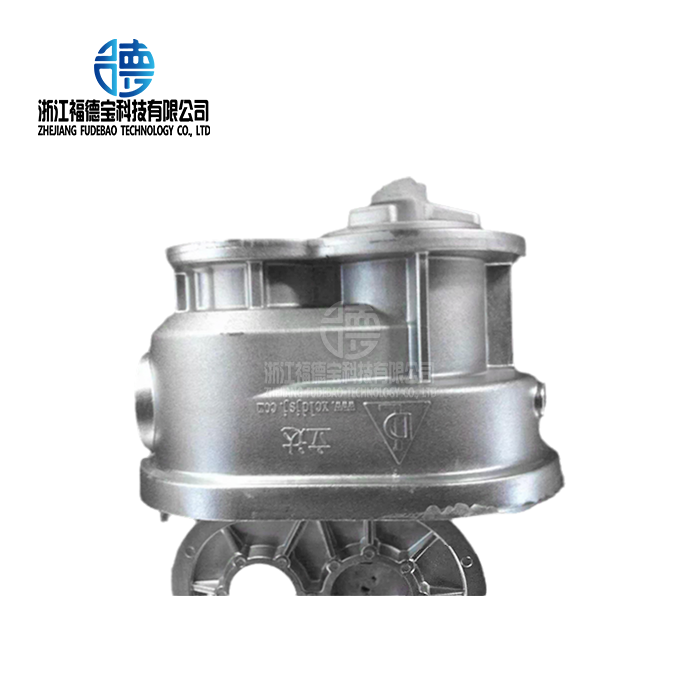
_1756361494985.webp "sliding block copper castings")
_1756352712247.webp "stainless steel hex plug")