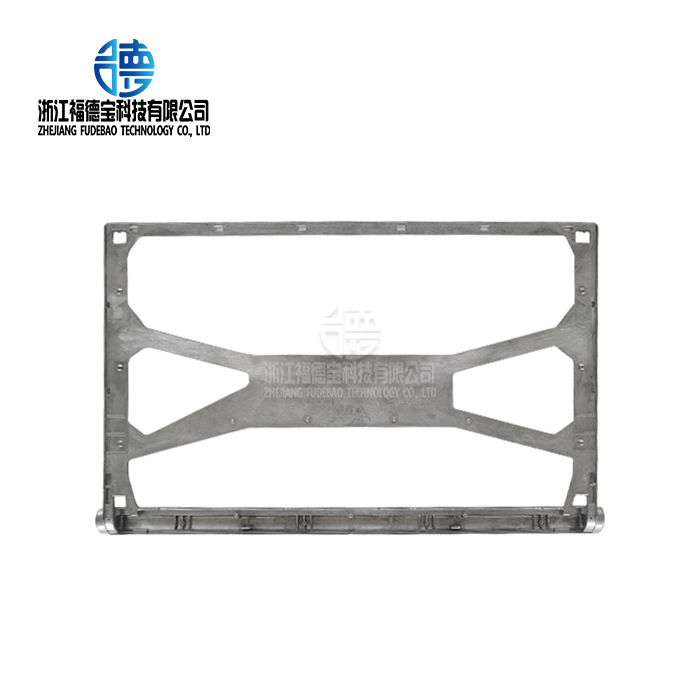
OEM Sand Casting Solutions for Large Aluminum Components
2026-06-26
When engineers have to make metal housings, valve bodies, or structural frames that are too big, OEM sand casting is the best way to do it because it allows for both physical freedom and cost-effectiveness. This tried-and-true method of making things lets you make parts that weigh anywhere from a few kilograms to several hundred kilograms. These parts are consistent in size and strength and can be used in aircraft, industrial gear, cars, and electrical infrastructure. copper casting is used for specific tasks that need better electrical conductivity or sea rust resistance. Aluminum sand casting, on the other hand, meets the need for parts that are lightweight, thermally efficient, and cost-effective. Through decades of mechanical experience, Fudebao Technology has improved this process to help clients who need large-format parts without sacrificing accuracy or delivery times.
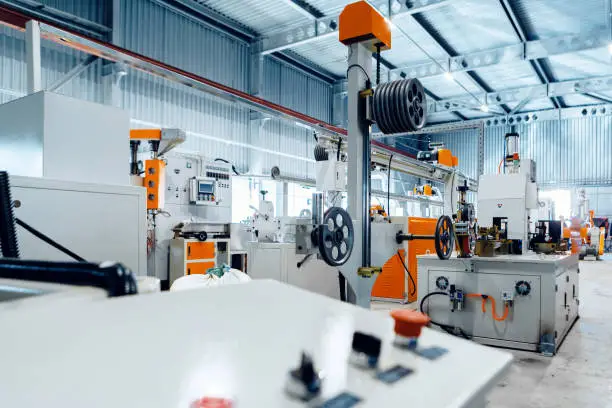
Understanding OEM Sand Casting for Large Aluminum Components
The Core Process and Its Steps
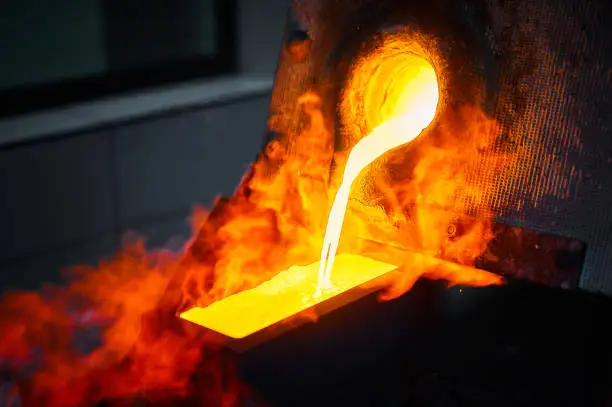
To start sand casting, a mold is made, which is usually cut from wood or plastic and copies the shape of the part that is wanted. When pressed down around the design, foundry-grade silica sand mixed with binders makes the mold hole. After taking out the design, molten aluminum alloy (usually A356, 319, or 383) is put into the hole while temperatures are kept at 700°C to 750°C. The metal solidifies as it cools in the sand matrix. Once it's done, the mold is broken to show the raw casting. Large parts can be made with this method because sand molds can hold large amounts of material without needing expensive fixed tools.
Critical Parameters Governing Quality
Three things determine how well a casting works: the makeup of the mold material, the accuracy of the filling temperature, and the chemistry of the alloy. We use sodium silicate-bonded or resin-bonded sand methods that keep the shape of big molds more stable and reduce wall shift during metal filling. To get rid of hydrogen porosity, which is common in thick parts, aluminum alloys need to be degassed with argon or nitrogen. Using thermal analysis tools to predict how the material will solidify lets us place risers and chills in a way that ensures directed cooling and keeps critical zones free of shrinkage holes.
Why Sand Casting Excels for Large-Scale Projects
Sand casting gives you more creative freedom than any other method. Engineers can add features like internal channels, undercuts, and different wall thicknesses that would be too expensive to do with die casting. Because making patterns is faster than cutting hardened die steel, lead times stay short. If you compare sand casting to investment casting, it can handle bigger part envelopes—often longer than one meter—for a lot less money. Copper casting is used for specific electrical or naval tasks, while aluminum sand casting is the most common way to reduce weight, control temperature, and keep costs low.
Common Challenges and Solutions in Large Aluminum Sand Casting
Typical Defects and Their Root Causes
Four problems keep coming up with large casts. Porosity happens when gas gets trapped or when the material shrinks while it solidifies. This usually happens in thick areas where there are big differences in temperature. When cooling pressures are higher than the alloy's yield strength, cracks appear, especially around corners or sudden changes in thickness. Surface flaws, like sand particles or metal penetration, happen when the mold isn't packed down enough or the filling temperature is too high. When mold walls fall apart under metallostatic pressure in spaces that are too big, this is called dimensional drift.
Quality Assurance and Troubleshooting Protocols
The first step in the inspection is an eye check with angled lights to find any surface flaws. X-ray or computed tomography tests show where the internal porosity is located in different skeletal zones. Coordinate measuring tools are used for dimensional validation. These machines are designed to compare important features to CAD models, and for big parts, the tolerances are usually kept to ±1.5mm. When flaws show up, we find out what changed in the process, like changing the gate ratios to control the flow speed, changing the metal chemistry with grain refiners like titanium-boron, or redesigning the placement of risers to make feeding paths longer. After we redesigned their gating system based on flow simulation data, one car provider cut porosity rates from 12% to less than 3%.
Safety Best Practices in Casting Operations
Because molten aluminum reacts badly with water, foundry floors are kept at a controlled humidity level and molds are dried at 150°C before they are used. When filling, workers wear aluminized heat-resistant suits, and before each melt, ladles are checked for refractory integrity. Ventilation systems remove fumes that contain magnesium oxide and silicon dioxide particles, keeping the air quality below the levels allowed by OSHA. These rules not only keep our employees safe, but they also keep the process stable, which is very important for clients who need consistent quality over multiple years of supply deals.
Comparing Sand Casting with Other Casting Methods for Large Aluminum and Copper Components
Sand Casting Versus Investment and Die Casting
Investment casting is great for complex shapes with ends as smooth as Ra 1.6μm, but pattern trees make it hard to make big parts and raise the cost of making them. Die casting can get more accurate measurements (±0.3mm) and faster cycle times, but the cost of the dies makes it impossible to make parts that are bigger than 500mm in any dimension, and the high injection pressures limit the wall thickness to fairly thin sections. Sand casting fills in this gap: it can handle meter-scale parts with acceptable tolerances (±1.5mm to ±3mm), wall thicknesses ranging from 6mm to 50mm, and only needs a small investment in tools, so it can be used for small batches all the way up to thousands of units per year.
Aluminum Sand Casting Versus Copper Casting
Copper metals, like aluminum bronze or tin bronze, are very good at resisting wear and conducting electricity. These are very important qualities for naval blades, heavy-duty bushings, and electrical switchgear parts. These metals harden at higher temperatures (above 1,000°C) and are more fluid, which changes how the mold is designed by requiring different gating and risering techniques. Aluminum casting, on the other hand, focuses on reducing weight and letting heat escape, which is why it is the best material for engine blocks in cars, pump housings in factories, and structural frames in spacecraft. When a customer needs both materials, like when a pump maker needs aluminum impeller housings and bronze wear rings, we use our dual-alloy capability to deliver complete parts from a single source.
Selecting the Right Method for Your Application
The procurement teams should look at the performance needs, part size, and output rate. Sand casting works well for big parts (over 300 mm), mid to low numbers (50 to 5,000 units per year), and uses that can handle a rough surface. Die casting is a good way to make large, thin-walled parts where the cost of the tools is justified by the need for precise measurements. Investment casting is used to make complex parts for medical or military products that need a high-quality surface. Copper casting is used in places like electrical infrastructure or the ocean, where conductivity and resistance to rust are more important than weight. Our engineering team helps you choose the right metal and compares costs and benefits to make sure that your casting method meets all technical requirements and your budget.
Selecting the Right OEM Sand Casting Supplier for Your Large Aluminum Components
Essential Evaluation Criteria
Metallurgical knowledge is the first step to technical knowledge. Can the forge predict how the alloy will solidify, choose the right alloy changes, and do failure analysis? Certifications are important. For example, ISO 9001 makes sure that quality management systems are in place, and IATF 16949 makes sure that process controls and PPAP documents are up to par for the car industry. Production capacity must meet your scale. Make sure the provider has furnaces that are the right size for your melt needs, cranes that can handle the weight of your parts, and machining tools that can be used for finishing after casting. As part of after-sales support, engineers work together to improve design-for-manufacturing, fast prototyping is used to test ideas, and contact is quick and easy across time zones.
Benchmarking Prominent Suppliers
The best foundries in the US and Europe have built their names by consistently delivering for decades. American suppliers often put a lot of emphasis on domestic operations and following the rules, which is good for defense or aircraft projects that need clear supply chains. European foundries use advanced technology and strict environmental controls to attract customers who care about sustainability. Because of economies of scale and integrated supply chains, Asian manufacturers can offer low prices. However, it is still important to check the quality systems and intellectual property safeguards as part of the due diligence process.
Why Fudebao Technology Stands Apart
Our copper casting skills are complemented by high-speed CNC machining centers and low-pressure casting machines that we bought to create a "casting-to-finish" process all in one place. This vertical integration gets rid of coordination delays between the foundry and the machine shop, which cuts wait times by 20% compared to supply lines that are spread out in different places. Our quality team uses Zeiss coordinate measuring tools to check the accuracy of final parts to within ±0.05mm. This meets the high standards of car tier-one suppliers and aircraft OEMs. Working with global brands like HAAS automatic machine tools and ESS energy storage systems has helped us better understand what quality means around the world. This makes us a trusted partner for engineering managers and sourcing directors who need to figure out how to buy things in a complicated world.
Enhancing Procurement Decisions with OEM Sand Casting Solutions
Customization Options and Their Impact
Customized solutions can be made by changing the alloy's makeup to find the right mix between strength and machinability, adding cast-in inserts to cut down on assembly steps, or choosing surface treatments like anodizing or powder coating to protect against corrosion. These changes affect project timelines. For example, changing the pattern adds one to two weeks to the wait time, and getting a special alloy takes about the same amount of time. Our design-for-manufacturing reviews find ways to cut costs, like moving splitting lines to make the core simpler or changing wall thicknesses to get more material out of the mold.
Understanding Cost Factors
40% to 50% of the cost of casting goes toward materials. The price of aluminum alloy is based on London Metal Exchange rates. Design complexity affects the amount of work that needs to be done. For example, finishing parts with complicated cores, multiple locking systems, and tight standards take longer. Order number affects unit economics by spreading pattern and manufacturing costs over a longer period of time. For example, a single prototype costs a lot in one-time engineering fees, but a batch of 1,000 pieces spreads these costs out over a much longer period of time, so each unit costs much less. We give clear quotes that break down the costs of materials, tools, labor, and shipping. This way, procurement teams can deal with more knowledge and figure out the total cost of ownership.
Long-Term Benefits of Quality Sand Casting Services
Consistency from reliable sources cuts down on quality problems and guarantee claims further down the line. Scalability lets production go up without limits on capacity, which is very important when introducing new products or meeting sudden demand. Better metal qualities, like controlled grain structure and optimal heat treatment, make parts last longer and lower the costs of ownership over their whole life. These benefits get better over the course of several years of working together, which makes it worth spending money on supplier growth and encouraging tech teams to work together to make things better all the time. When clients combine casting and machining with us, they save 15% to 25% on their total buying costs because logistics are easier and quality is centralized.
Conclusion
OEM sand casting is still the most flexible and cost-effective way to make big aluminum parts for the aircraft, automobile, industrial, and electrical markets. By learning the basics of the process, like how to prepare the mold, control the temperature, and choose the right alloy, makers can make designs that wouldn't be possible with other casting methods. Copper casting solves specific problems with rust and conductivity, while aluminum sand casting gives modern engineering the light weight, strength, and heat efficiency it needs. It's important to look for professional know-how, licenses, and past success with big projects when choosing a foundry partner. Because we offer a wide range of services, use high-tech tools, and are dedicated to quality, buying teams can rely on us to help them find the right parts.
FAQ
What are the cost differences between sand casting and investment casting for large aluminum components?
For big parts, sand casting usually costs 30% to 50% less than investment casting. This is mostly because the cost of the tools is cheaper. Ceramic shell models and wax pattern trees are needed for investment casting, which raises one-time engineering costs. Because sand casting uses inexpensive molding materials and design tools that can be used more than once, it is a better way to make a lot of parts that are too big.
How long does it take to produce large aluminum sand castings?
Lead times are between four and eight weeks, based on how complicated the pattern is and how quickly it can be made. Making the pattern takes one to three weeks, and then preparing the mold, casting, and finishing take another two to four weeks. Through faster pattern cutting and parallel processing processes, rush services can cut down on wait times by 20%.
Can foundries handle both aluminum and copper casting projects simultaneously?
Aluminum and copper alloys are melted and poured on different lines at skilled foundries to avoid pollution. This is necessary because even small amounts of copper in aluminum make it brittle. We keep separate tools for each type of alloy, which lets us work on projects at the same time while keeping the metallurgical purity of both streams of materials.
Partner with Fudebao Technology for Precision Casting Solutions
To reach your output goals, you need a copper casting source that is both skilled in metalworking and quick at making things. Fudebao Technology has modern foundry and machine facilities that handle melting, casting, finishing, and surface treatment. All of these processes are controlled by a single quality system, so the parts they make are accurate to within 0.05 mm. Our engineering team works with clients in the automobile, industrial, and aerospace industries all over the world to turn complicated design needs into solutions that can be made. They are backed by IATF 16949 and ISO 9001 certifications. Get in touch with hank.shen@fdbcasting.com to talk about your needs for big aluminum parts, get full technical proposals, and find out how our combined skills can speed up time-to-market while keeping total procurement costs low.
References
American Foundry Society. "Sand Casting Fundamentals and Best Practices for Non-Ferrous Alloys." Technical Standards Manual, 2021.
Campbell, John. "Complete Casting Handbook: Metal Casting Processes, Metallurgy, Techniques and Design." Butterworth-Heinemann, 2015.
ASM International. "Casting Design and Performance." ASM Handbook Volume 15, Materials Park, Ohio, 2008.
Kaufman, J. Gilbert and Rooy, Elwin L. "Aluminum Alloy Castings: Properties, Processes, and Applications." ASM International, 2004.
International Journal of Metalcasting. "Advances in Sand Casting Technology for Lightweight Structural Components." Spring 2020 Edition.
North American Die Casting Association. "Product Specification Standards for Aluminum and Copper-Based Alloy Castings." Industry Guidelines, 2019.



_1756348543350.webp "Automotive Turbine Casting")
_1756361423150.webp "Cryopump body")
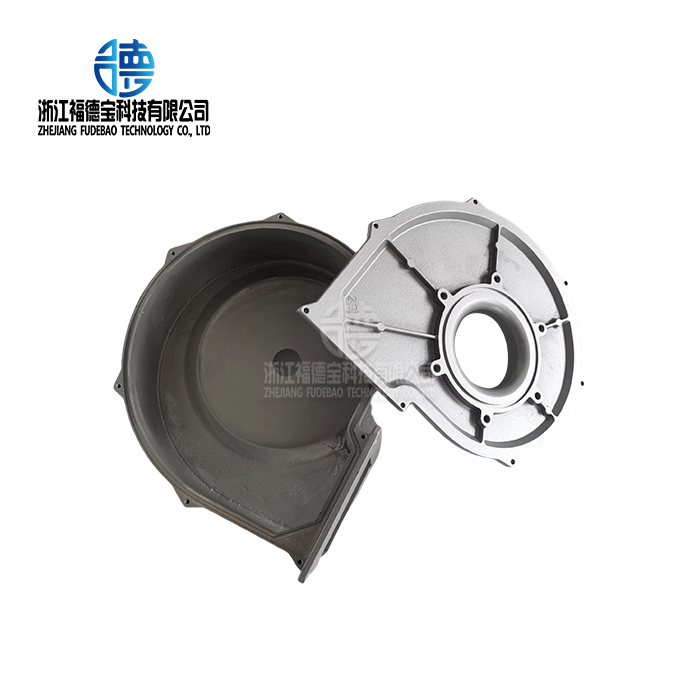
_1756352822273.webp "Stainless steel plugs")
_1756352712247.webp "stainless steel hex plug")
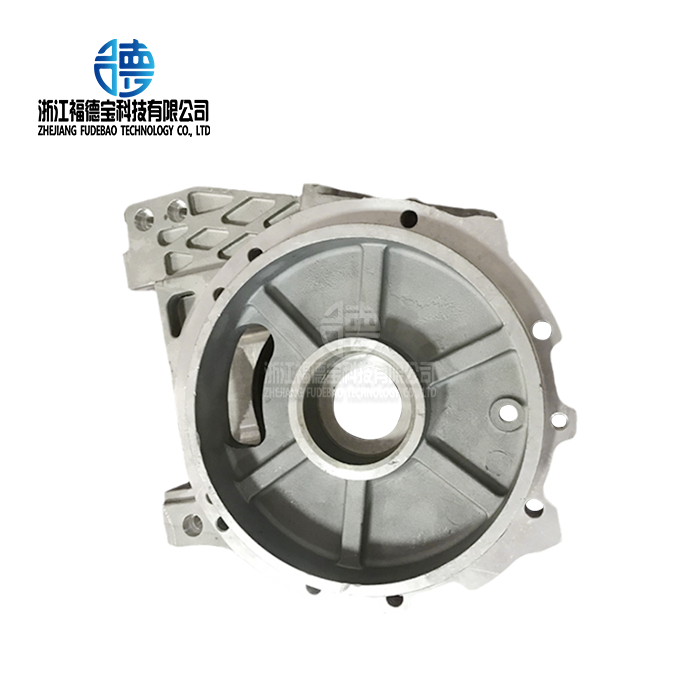
_1756346310015.webp "Aluminum castings Crane bracket")