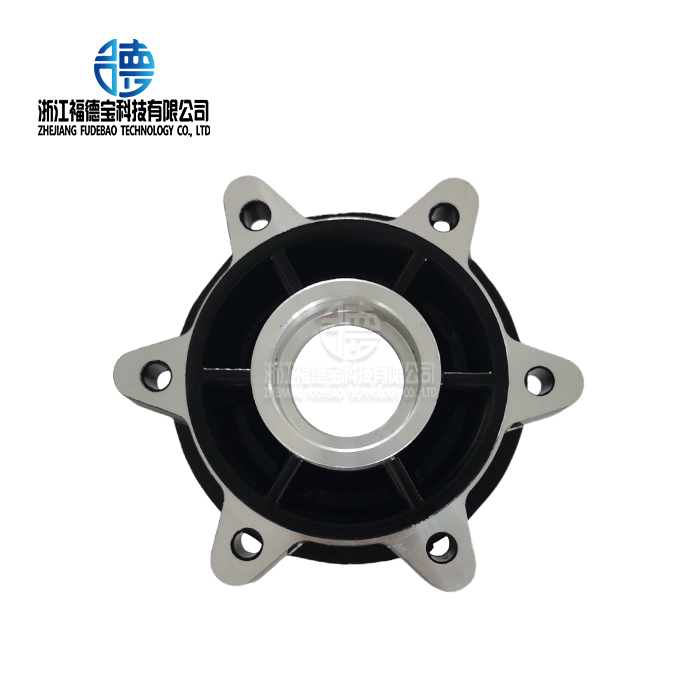
Optimizing Conductivity: The Advantages of Sand Casting Copper and Aluminum in Power Generation
2026-06-29
When power production systems need reliable electrical performance under extreme conditions, sand casting copper and aluminum components offer an effective, affordable manufacturing option. This casting method creates complex shapes, excellent conductivity, and long-lasting mechanical strength that are needed for transformers, busbars, switchgear housings, and motor casings. Engineers can get practical benefits that cut down on downtime and increase the life of equipment in electrical infrastructure by using the right insulating material and tried-and-true casting methods together.
Understanding Conductivity Challenges in Power Generation Components
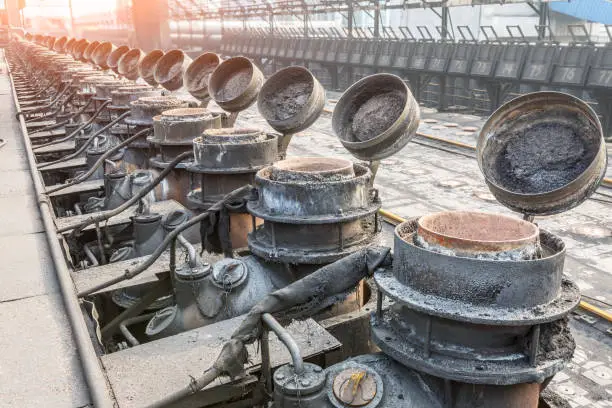
Power production equipment works in places where even small changes in resistance can cause it to lose performance, get too hot, and break down early. It's always hard for electrical engineers to find the right balance between the need for high current densities and the costs of materials, heat control, and mechanical strength.
Traditional ways of making things, like milling solid billets or putting together sheet metal structures, often create too much trash and limit the complexity of designs. When making big parts like generator housings or multi-cavity busbars, these restrictions become very important because exact wall thickness distribution and internal cooling pathways have a direct effect on how quickly heat is removed.
Choosing the right materials makes buying choices even harder. Copper is the best conductor of electricity and heat, but its high cost and high density make designers look at metal options. When installing green energy, like solar inverters on roofs or wind turbine enclosures abroad, weight is important because lighter structures can hold more energy. Corrosion resistance determines how long something will last in coastal or industrial settings, while machinability determines how easy it is to work with and how long it takes to make. Engineers and sourcing teams have to look for manufacturing partners that can offer uniform quality across middle and high-volume runs while keeping budgets and production schedules in mind.
How Conductivity Impacts System Reliability
Not enough conductivity causes resistive heating, which speeds up the breakdown of insulation in motor windings and transformers. If housings don't move thermal energy well, it becomes hard for heat to escape, which makes extra cooling systems work harder and use more power. Dimensional errors make these problems worse by leaving gaps in the material that stop heat from moving or by misaligning the parts in a way that puts stress on the electrical connections. To solve these problems, we need to think about the features of the materials, the abilities of the processes, and the checking of quality all along the supply chain.
Sand Casting Process Overview for Copper and Aluminum
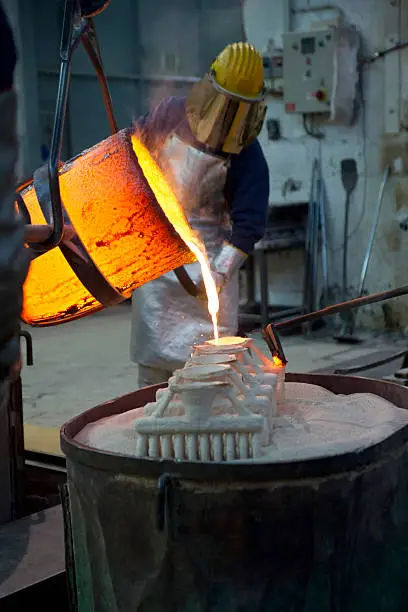
Molds made of bonded sand mixes are used over and over again in sand casting to make molten metal into nearly net shapes. This foundry method is used for more than 60% of all metal castings done in the world. It can handle complicated designs, a wide range of alloys, and variable production rates without the high costs of permanent mold methods. Green sand systems use clay-water binders to make molds quickly and in large quantities. Resin-bonded (no-bake or cold-set) sand, on the other hand, makes precision power components with better surface finishes and tighter tolerances.
The first step is making a pattern, which is usually done with CNC-machined wood, plastic, or metal tools that have the same shape as the end part. In flask assemblies, the design is packed down with sand, and cores are added to make internal passages for cooling or wire routing. Once the design is gone, molten aluminum or copper is poured into the hole at temperatures above 1600°C.
Silica and manmade sands can handle this temperature change without melting. Controlled permeability lets gases escape and stops porosity. When the alloy hardens, the sand mold breaks apart during shakeout, freeing the casting without causing hot tears or cracks. Sand casting benefits greatly from this characteristic, as it is a very important benefit for metals that shrink a lot when they harden.
Quality control measures built into every step of the production process make sure that the dimensions are correct and the material is intact. Before filling, Optical Emission Spectrometry checks the makeup of the alloy against ASTM and EN norms. Tensile, yield, and extension tests can be done along with Brinell hardness proof using attached witness bars.
Ultrasonic Testing for internal flaws, radiographic inspection for shrinking, and Magnetic Particle or Dye Penetrant methods for surface cracks are all examples of non-destructive testing techniques that give full proof. Coordinate Measuring Machines check that final castings meet the limits set by ISO 8062 CT10-CT13. The surface finish is usually between 6.3 and 12.5 Ra microns.
Design Flexibility and Geometric Complexity
Sand molds can make complicated shapes that are hard or impossible to make any other way. Motor housings with multiple levels of cooling lines make thermal management better without the need for brazed or welded parts. Busbar connections with complex shapes lower electrical resistance by increasing the contact surface area. Because of this design freedom, engineers can combine several machined parts into a single casting. This cuts down on assembly time, gets rid of possible leak lines, and makes the system more reliable overall.
Scalability Across Production Volumes
Pattern tooling costs are still low compared to steel dies, which means that sand casting can be used for small amounts, prototypes, and long-term production. This scalability helps clients in the energy sector when they are launching new transformer designs or upgrading older switching systems. The same process is used for parts that range from small junction boxes to huge generator frames that weigh several tons. This makes the supply chain consistent across a wide range of products.
Advantages of Sand Casting Copper in Power Generation
Copper's electrical conductivity—about 58 MS/m at 20°C—is still the highest of any widely available metal. This makes it essential for uses where current density and energy economy are very important. These performance traits are kept when sand casting, and complicated shapes that improve functional integration are made possible. This method makes transformer windings, busbars, and connection blocks with a regular grain structure and controlled porosity. This keeps resistance hotspots to a minimum, which improves performance over time.
Another important benefit is that it doesn't corrode. When copper is exposed to water and air pollution, it naturally forms a protected patina. This patina slows rusting and keeps the copper's conductivity for decades of use. This quality is very important in coastal wind farms or industrial settings where salt spray, chemical gasses, and changes in temperature can shorten the life of parts. Electrical performance is complemented by mechanical strength. This means that cast copper parts can handle shaking, heat expansion, and mechanical loads without breaking or deforming.
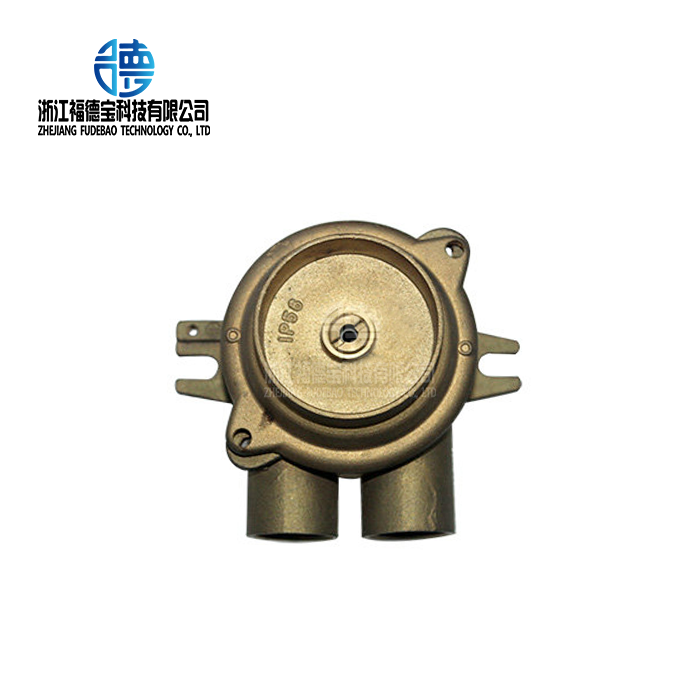
Real-world implementations show these benefits. Sand casting is widely used to produce high-conductivity copper components, such as sand-cast copper terminals that high-voltage transformers use to handle steady current flows of more than 1,000 amps while cooling off with built-in fins. In data centers, busbar systems use custom-cast junction blocks that cut down on connection points and the resistance losses that come with them. This makes power distribution more efficient. Inverters for renewable energy use cast copper heatsinks to control temperature spikes during peak output cycles. This keeps sensitive chip parts safe and extends the life of the equipment.
Long-Term Cost Efficiency and ROI
Copper is more expensive than aluminum as a material, but its better performance leads to real economic benefits. Less electricity loss means lower running costs over the decades that equipment lasts. Better heat conductivity means that the cooling system doesn't have to work as hard, which saves money on extra power and upkeep. Better longevity cuts down on replacements and unplanned downtime, which keeps the business making money in key infrastructure applications where dependability affects profits directly.
Advantages of Sand Casting Aluminum in Power Generation
Aluminum alloys are about one-third as dense as copper but still carry electricity at 61% of the same rate, making them a great choice for uses that need to be light. Efficiency and sustainability are becoming more and more important in modern power generation. This is causing the need for lightweight components that lower structural loads, make installation easier, and lower shipping costs. These needs can be met with sand-cast metal casings, heat sinks, and housings that don't lose any electrical or thermal performance.
Thermal conductivity in aluminum casting alloys—typically 120 to 180 W/m·K, based on their makeup—helps motor frames, inverter enclosures, and LED driver housings get rid of heat effectively. Because of this feature, small shapes can be made that control heat flow while keeping surface temperatures at a good level. In many places, aluminum's natural oxide layer is just as resistant to corrosion as copper. This is especially true when anodizing or powder coating processes are used to make the metal last longer in harsh circumstances.
Environmental concerns are becoming more and more important in buying choices. Aluminum can be recycled, which is in line with business sustainable efforts and the ideas behind the circular economy. Recycling aluminum lowers its embodied energy and carbon footprint compared to extracting new materials. Copper processing still uses more energy than melting and casting, which helps make production processes greener and meet legal requirements and stakeholder standards.
Practical applications span diverse power generation contexts. Aluminum's electromagnetic shielding qualities and light weight make it a good material for switchgear housings. This allows for modular designs that make installation and change easier in the field. Heat sinks in solar inverters use the thermal properties of metal to keep power systems cool in small packages. In wind turbines, sand-cast aluminum is used to make the big motor cases lighter while still protecting the motors from the elements and having built-in fixing points for bearings and seals.
Balancing Performance and Cost Objectives
When transmission standards allow it, aluminum's lower electrical performance becomes the deciding factor. For mid-voltage uses, backup power systems, and non-critical cases, the materials used are much less expensive and still do the job. This economic freedom lets project budgets put money toward things like precise machining, high-tech coatings, or better checking methods that improve quality without going over budget.
Optimizing Performance Through Material and Process Integration
To choose between copper and aluminum, you need to carefully look at the needs of the product, the operating conditions, and the total cost of ownership. Copper's high cost is justified by its better performance and durability in high-current primary circuits, accurate measurement equipment, and uses that need to be as efficient as possible. Aluminum's cost-performance balance and environmental friendliness make it a good choice for structural parts, secondary shelters, and installations that need to be light.
Sand casting offers a flexible and economical route for producing both copper and aluminum components in complex shapes, which is why copper is sometimes used in important current paths in hybrid strategies, while aluminum is used for housings and heat management structures. This way, the best features of each material are used in combined systems.
Process improvement makes the benefits of natural materials even stronger. Directional solidification methods used in modern mold design reduce flaws caused by shrinking and holes in thick sections. It is possible to control the rate of cooling, which improves the mechanical qualities of the material without having to go through expensive heat treatment processes. Degassing methods get rid of dissolved hydrogen that would otherwise leave gaps inside the castings. This makes sure that the castings are dense and even. Resin-bonded sand methods produce surface finishes that are very close to die-cast quality, which means that non-critical areas don't need as much or any secondary machining.
Post-casting operations tailor components to exact specifications. CNC machining can make accurate bores, mating surfaces, and mounting contacts that are within 0.05 mm of each other. Heat treatment makes materials harder and more flexible so they can work well in harsh industrial settings. Surface treatments, like anodizing for aluminum or nickel or tin finishing for copper, make them less likely to rust and improve the performance of electrical contacts. Integrated production partners that can deliver finished parts from raw materials to final review simplify the supply chain, cut down on wait times, and make sure that quality is always the same.
The cumulative effect of thoughtful material selection and process optimization yields tangible operational benefits. Less energy is lost because there is less electrical resistance and better control of temperature. Maintenance times get longer because corrosion resistance and mechanical sturdiness keep wear from happening too soon.
When parts regularly meet size and material requirements, system reliability goes up. This means fewer failures in the field and less unexpected downtime. These benefits add up over the life of the equipment, giving a big return on investment that makes working with experienced foundries that are committed to ongoing improvement and technical teamwork worth it.
Conclusion
Copper and metal parts that are sand casting products give power production systems the conductivity, thermal performance, and mechanical sturdiness they need to work reliably for a long time. This tried-and-true way of making things works with complicated designs, different production rates, and gives cost-effective solutions that are made to fit the needs of each application.
Copper has better electrical properties than aluminum, but aluminum is heavier and costs more. Which material to use relies on practical goals, environmental conditions, and the total cost of ownership. Advanced process methods, strict quality control, and combined post-casting operations make sure that parts meet strict industry standards and help reach goals for sustainability and supply chain efficiency.
FAQ
What distinguishes green sand from resin sand casting for power components?
Green sand methods work best for high-volume production that needs to stick to standard limits and save money. They use clay-water binders. Resin sand uses chemical agents to give better surface finishing, more accurate measurements, and stronger molds. This makes it ideal for big, heavy power generation parts where accuracy is important, even though it costs a bit more.
How do you prevent gas porosity in conductive metal castings?
Controlling the permeability of the sand lets gases that are trapped escape while it solidifies. When mold escaping is done right, gases are directed away from important parts. Before filling, degassing agents are mixed into melted metal to get rid of the hydrogen that has dissolved. When these steps are taken together, they reduce the number of internal holes that hurt conductivity and mechanical strength.
What dimensional tolerances are achievable with sand casting?
Most of the time, ISO 8062 CT10-CT13 limits can be met with surface finishes that are between 6.3 and 12.5 Ra microns thick. Critical mating surfaces and precision features are then CNC machined to an accuracy of ±0.05mm, which meets the precise needs of electrical contacts and mechanical interfaces.
Can sand cast parts serve in high-voltage applications without additional processing?
Surfaces that aren't important usually work fine as-cast. Precision machining is almost always needed to get the smoothness, finish, and size control needed for high-voltage connections, mounting surfaces, and electrical contact areas. This mixed method strikes a balance between the costs of making and the needs of the product.
Partner with Experienced Sand Casting Specialists
Zhejiang Fudebao Technology makes products out of aluminum alloy, copper alloy, and stainless steel. They work with companies around the world that make power equipment, cars, and industrial equipment. Our integrated building has CNC lathes, high-speed machining centers, low-pressure casting machines, and die-casting tools. This means that we can provide full solutions from molten metal to finished parts. Electrical engineers and buying teams have high standards, and advanced quality systems make sure that measurements are accurate to within 0.05 mm and that all materials are checked carefully.
As a reliable sand casting company that works with global names like American HAAS automation and ESS energy storage systems, we offer technical advice, prototype development, and production that can be scaled up to meet your specific conductivity and performance needs. Email our engineering team at hank.shen@fdbcasting.com to talk about how our foundry services can help you with your next power project.
References
1. American Foundry Society. (2021). Sand Casting Process Technology and Quality Standards. Des Plaines: AFS Publications.
2. Davis, J.R. (Ed.). (2018). Copper and Copper Alloys: Casting, Properties, and Applications. Materials Park: ASM International.
3. Kaufman, J.G., & Rooy, E.L. (2020). Aluminum Alloy Castings: Properties, Processes, and Engineering Applications.Materials Park: ASM International.
4. International Organization for Standardization. (2019). ISO 8062-3:2019 Geometrical Product Specifications - Dimensional and Geometrical Tolerances for Moulded Parts. Geneva: ISO Standards.
5. Campbell, J. (2015). Complete Casting Handbook: Metal Casting Processes, Metallurgy, Techniques and Design (2nd ed.). Oxford: Butterworth-Heinemann.
6. Electric Power Research Institute. (2020). Material Selection Guidelines for Electrical Power Equipment Components. Palo Alto: EPRI Technical Reports.



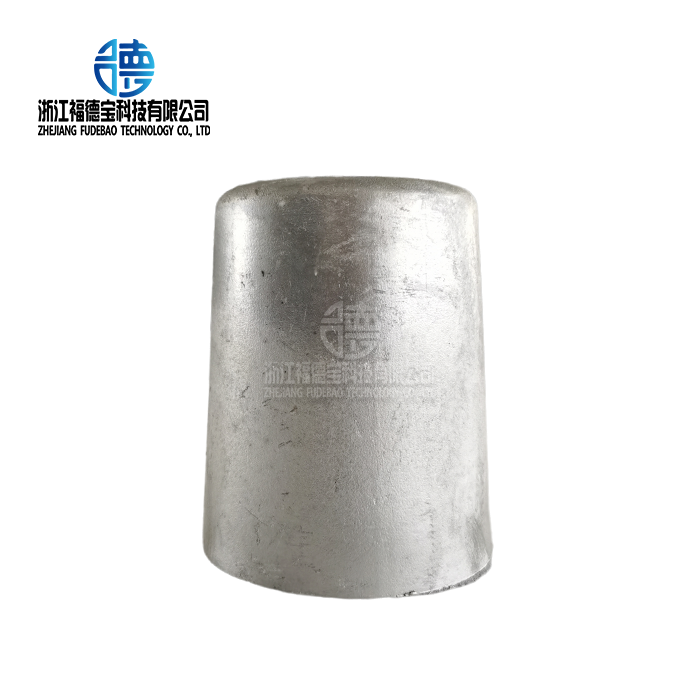
_1756352472762.webp "steel threaded plug")
_1756350046757.webp "Heat sink aluminum casting")
_1756349957728.webp "metric v belt pulley")
_1756348711711.webp "anti surge turbo housing")
_1756348227989.webp "Aluminum casting movable U frame")