What Is Low Pressure Casting Aluminium and How Does It Work?
2026-06-26
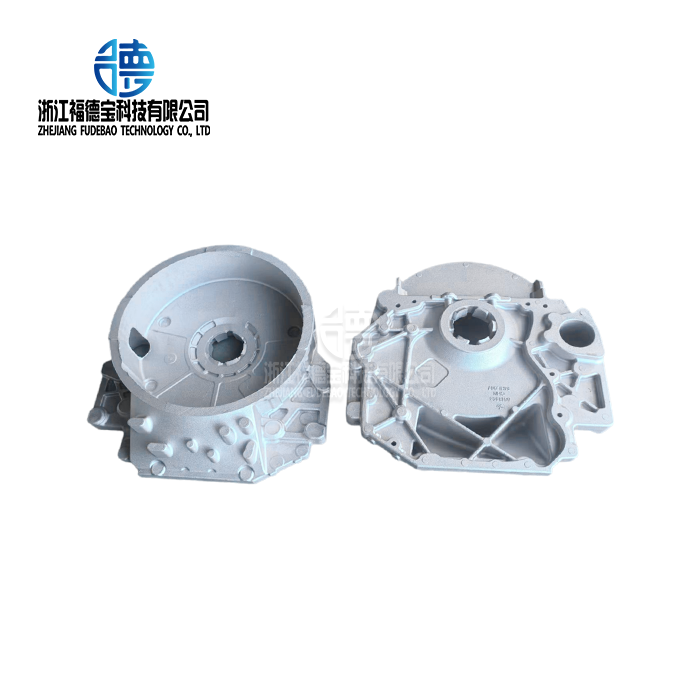
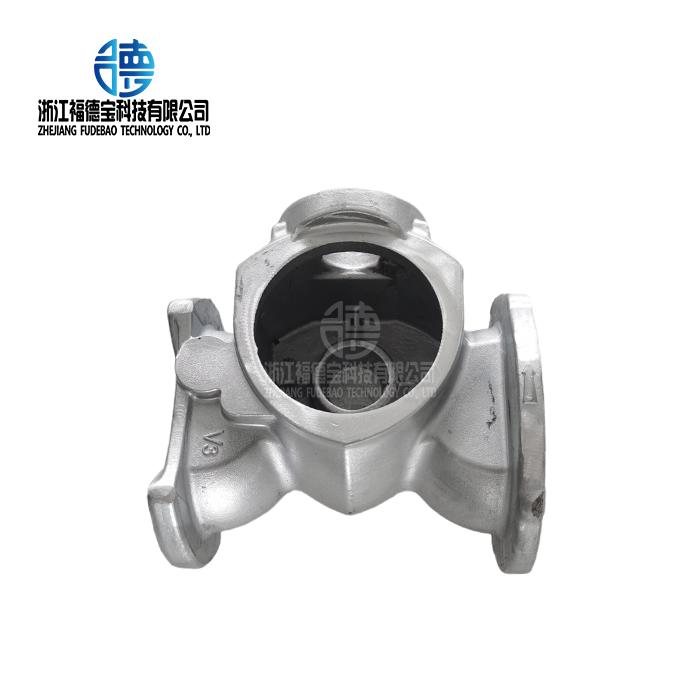
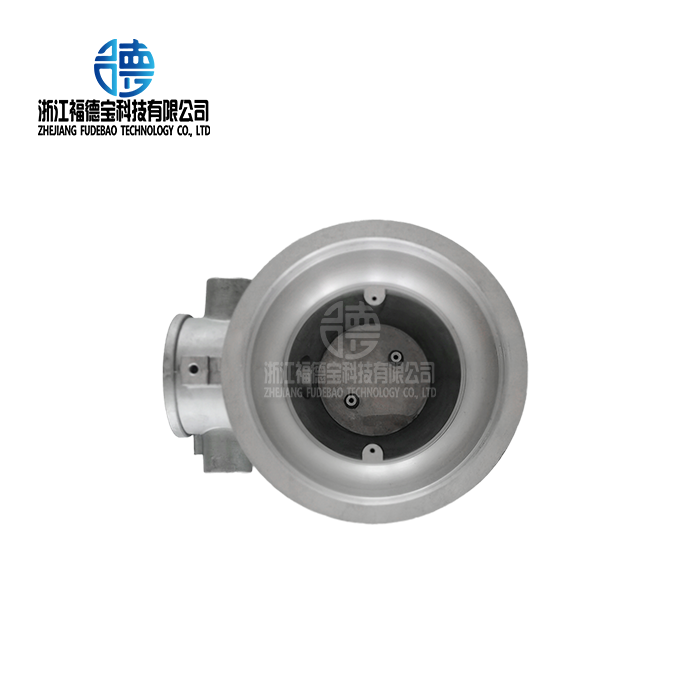
low pressure casting aluminium is a precise counter-gravity way to make things. Melting aluminum alloys are pushed up into a mold hole by controlled air pressure, which is usually between 20 and 100 kPa. In contrast to gravity-fed pouring or high-velocity injection, this method uses a covered burner that is directly linked to the mold through a riser tube. This allows laminar filling, which reduces noise and oxide formation. Maintaining the pressure during solidification lets the material keep flowing from the reservoir. This gets rid of shrinkage porosity in thick-walled sections and makes parts with great metallurgical integrity that can be used in safety-critical situations in the aerospace, automotive, and industrial sectors.
Understanding Low Pressure Casting Aluminium
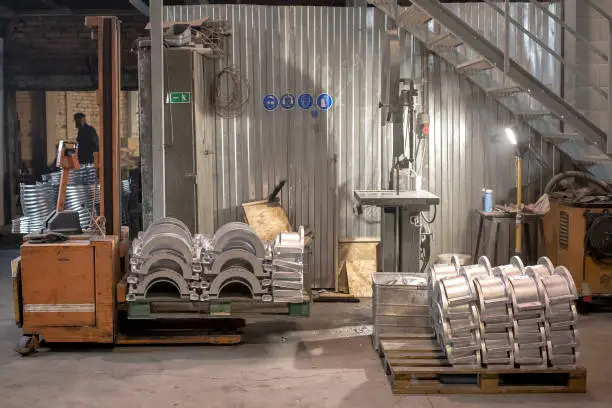
Low-pressure casting is a big step forward in the science of shaping metal, and it fixes many problems that come with standard foundry methods. The controlled, bottom-up filling method that uses precision air systems makes the process very different from traditional methods.
Core Process Mechanics and Equipment Configuration
The low-pressure casting method has a holding furnace that is completely sealed and placed under the permanent mold assembly. When the casting process starts, controlled air pressure is put into the furnace room. This forces the liquid aluminum up through a riser tube lined with refractory material that goes through the mold base. This flow against gravity keeps going until the hole is full, and the pressure stays the same during the solidification phase. As soon as the casting is cool enough, the pressure drops, letting any leftover metal in the feed tube flow back into the oven to be used again. When compared to gravity casting methods, which usually only work 50 to 60% of the time, this recycling feature gets material returns of over 90%, which means a lot less waste.
The set-up of the equipment includes PID-controlled pressure controllers that change the filling curve on the fly to keep the gate speed at its best throughout the process. Temperature control systems keep the melt within specific ranges, usually between 700°C and 750°C for A356 alloy. Mold preheating units keep the temperature stable so that the solidification patterns are regular.
Optimal Alloy Selection and Material Properties
When aluminum alloys are used in low-pressure casting, they need to be very fluid and solidify in a good way. Because they are easy to cast, have good mechanical qualities, and respond well to heat treatment, A356 and A357 metals are used a lot in industry. These silicon-modified aluminum alloys have a limited amount of iron, usually less than 0.15% for high-end uses. This makes them more flexible after being heated to T6. Adding strontium improves the eutectic silicon structure, making the extension qualities even better, which is very important for parts that are loaded and unloaded quickly.
The controlled filling environment creates a smooth, dense grain structure with little trapped gas. This means that these casts can be used with both solution and aging heat processes. This feature sets low-pressure casting apart from high-pressure die casting, where rough filling holds air and stops heat treatment without blisters.
Process Parameters and Quality Determinants
For uniform casting quality in low pressure casting, you need to have tight control over a lot of factors that are all connected to each other. The rates of the pressure ramps need to be set so that the melt front moves steadily forward without causing turbulence or solidification before it's time. Mold temperature has a direct effect on how long it takes to solidify and how the thermal gradient is distributed, which in turn affects the accuracy of the dimensions and the uniformity of the microstructure. Modern foundries use real-time tracking systems that keep an eye on pressure curves, metal level monitors, and thermal profiles. This lets them make process improvements based on data, which makes sure that the parts they make always meet ISO 8062 CT6–CT7 tolerance grades and are accurate to within ±0.3mm on key features.
Advantages and Applications of Low Pressure Casting Aluminium
The technical aspects of low-pressure casting lead to real performance advantages that meet specific industry needs in a number of different areas. Knowing these benefits helps buying teams match the casting method they choose with the needs of the component and the application.
Metallurgical Superiority and Mechanical Performance
When compared to other ways, low-pressure casting creates parts that are more structurally sound inside. The laminar filling pattern almost completely gets rid of oxide film entrapment, and the steady feeding pressure stops solidification shrinking. This makes casts with very few holes. According to ASTM E155 standards, a radiographic analysis usually shows porosity rates that are much higher than those of gravity-cast equivalents. This internal stability directly improves the mechanical qualities, especially the tensile strength, yield strength, and elongation. This means that these parts can withstand cyclic loading without failing too soon from fatigue.
When you control the cooling rate, you get a fine-grained microstructure that makes the material easier to work with and gives it a better finish, with roughness levels usually between 3.2 and 6.3 µm. Parts usually only need a few secondary processes to be machined, which lowers the total cost of production while keeping the tight tolerances needed for precision uses where assembly fitment is important.
Dominant Industrial Applications
The most important use of low-pressure casting is in the production of car alloy wheels, where the technology allows complex spoke shapes with good impact resistance and air-tightness needed for tubeless tire systems. The process makes sure that wheels keep their structural integrity under long-term fatigue stress that happens when the car is in use, which is a level of reliability that is hard for gravity casting to regularly reach.
Electric vehicle makers are asking for low-pressure cast motor housings and battery casings with complex cooling channels made with sand cores more and more. The process works with these complicated shapes and ensures a pressure-tight build, which is important for heat management systems. In the same way, chassis parts like control arms and steering knuckles benefit from having a flawless interior structure that lets them pass strict X-ray inspection standards and last millions of load cycles in safety-critical service.
In addition to the car industry, companies that make industrial machines use low-pressure cast pump housings and compressor parts that must be stable in size and keep pressure inside. Aerospace uses need materials that are both strong and light, which can be achieved with this method. This is especially true when T6 heat treatment methods are used to get the best performance out of the materials.
Economic Considerations and Production Flexibility
Low-pressure casting is cheaper for medium-volume production runs, but cycle times are longer than high-pressure die casting. Depending on the complexity of the part, cycle times can be anywhere from two to five minutes. Permanent mold tooling is usually made of H13 tool steel and has a service life of between 30,000 and 50,000 shots with proper upkeep. This means that the cost of ownership is fixed over the span of production. Getting rid of big gate systems and feeds cuts down on the amount of material used and the cost of remelting energy, which makes the process more cost-effective overall.
The method can handle different batch sizes better than high-volume die casting, which means it can be used to make specific parts and different versions of products without having to pay a lot of money for setup. Tier-one suppliers that manage various portfolios of components for multiple customer projects like this scalability.
Low Pressure Casting vs Other Casting Methods: A Comparative Analysis
People in charge of buying things should know what makes low-pressure casting different from other casting methods when they are looking at casting technologies. Each method has its own benefits that make it better for different types of applications, production numbers, and quality standards.
Comparison with Gravity Casting
In gravity casting, molds are filled only by hydraulic head, which causes rough flow patterns that bring in oxide films and air. This turbulence makes the inside less stable and restricts the regularity of mechanical properties. By using controlled, laminar filling, low pressure casting produces parts with consistent quality that are ideal for tough structural uses. The efficient feeding that comes with pressurized solidification stops the shrinking flaws that happen a lot with gravity-cast thick parts. This lowers the amount of scrap and the cost of inspection.
Distinction from High-Pressure Die Casting
High-pressure die casting uses very high injection speeds and pressures that are higher than 100 MPa. This makes it possible to make very thin walls and quick cycle times that are perfect for making a lot of consumer goods. The rough filling traps a lot of gas, which means that the next step of heat treatment is not possible because of the risk of burning. Low-pressure casting gives up the ability to make walls thicker and the speed of the cycle, but it makes parts that can be heated and cooled and have better ductility and wear resistance, which are needed for safety-critical uses. The choice of process depends on whether the economics and output rate are good enough to make up for the quality losses that come with high-pressure methods.
Advantages Over Sand Casting
It's easy to change the design of a sand casting and the cost of the tools is cheap, but the results aren't very accurate in terms of size and shape, and the surface finish is rough. Low-pressure casting allows for tighter tolerances, better surface quality, and consistent microstructure while still being cost-effective for small production numbers. The building of the permanent mold allows for much better process control than disposable sand molds, which is necessary for OEM supply chains that have to follow strict quality management systems.
To choose between these ways, you have to think about how complicated the part is, what mechanical features it needs, how much it needs to be made, quality standards, and the total cost of ownership. Low-pressure casting is a good compromise between gravity casting and high-pressure die casting when it comes to producing high-quality structure parts in large quantities where the costs of high-pressure die casting are not favorable.
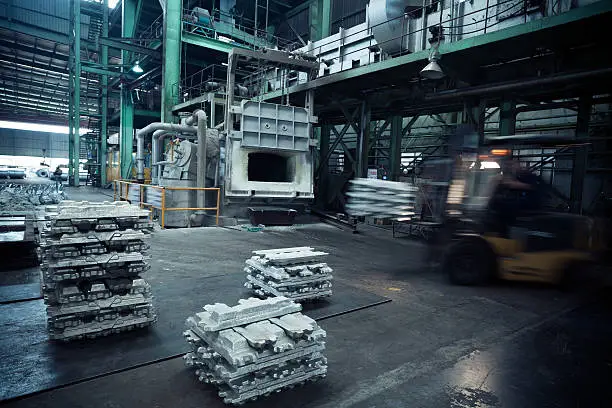
Common Defects in Low Pressure Casting and How to Solve Them
To keep a component's integrity, you need to know about possible low-pressure casting flaws, what causes them, and how to fix them. Strict quality control rules protect the supply chain's dependability and make sure that parts supplied meet the requirements.
Porosity and Shrinkage Defects
The most common flaw in castings is still porosity, which can show up as either scattered gas porosity or localized shrinkage holes. Gas porosity usually happens when hydrogen is absorbed in the melt or when degassing isn't done properly. Shrinkage porosity gathers in thick spots or areas that don't get enough food while solidifying. To fix these problems, you need to use complete melt treatment procedures that include rotational degassing, grain refinement additions, and modification processes. Process changes are made to improve the pressure holding curve so that forming areas always have liquid metal. Thermal analysis leads strategic mold heating to control the solidification process.
Cold Shuts and Flow Lines
Cold shuts happen when different melt fronts don't join properly, leaving weak spots in the structure of the casting. Flow lines show up as surface marks that show the formation of an oxide film on the moving melt front. Both flaws are caused by either not enough melt temperature, not enough filling speed, or too much mold heat extraction. Some things that can be done to stop this from happening are raising the filling temperature to a safe level, changing the pressure ramp rates to keep the gate velocity constant, and using refractory mold coats that slow down heat transfer and help the metal flow. Maintaining a covering on a regular basis stops it from breaking down, which would affect its ability to release substances and control heat.
Quality Control and Inspection Protocols
Comprehensive checking programs make sure that the low pressure casting is solid and give proof on how well the supplier did. Radiographic testing with X-rays or fluoroscopy is still the best way to find problems inside a structure. The ASTM E155 guidelines set the criteria for acceptance. Pressure decay leak testing makes sure that parts like wheels and housings are airtight, which is important because they need to seal properly. Chemical spectral analysis proves that the alloy's makeup is within the limits set by the standard. This includes keeping an eye on the amount of iron and other elements that change its structure, which directly affect its mechanical qualities.
Instead of separately cast test bars, mechanical testing of coupons taken from production castings gives more accurate property confirmation. After heat treatment, tensile testing shows that the yield strength, final tensile strength, and elongation all meet the design standards. This means that the parts will work effectively in service circumstances. Instead of depending only on first-article validation, these inspection procedures should be used throughout production runs to catch process drift before faulty parts reach customers.
How to Choose the Right Low Pressure Casting Supplier
Choosing a low-pressure casting provider is a big strategic choice that will affect the quality of the product, the stability of the supply chain, and the control of total costs for a long time. A thorough review of suppliers based on a number of factors helps protect procurement investments and maintains uniform production schedules.
Technical Capability and Quality Systems
The first step in assessing a supplier is to look at their core professional skills. Facilities should show that they are up-to-date on their process engineering, steel knowledge, and mold design and manufacturing skills. Modern low-pressure casting machines with digital process control must be in every company's inventory of tools. These machines must also be able to do all kinds of finishing, like CNC milling, heat treatment, and surface processing. This combined ability allows for responsibility from a single source and easier operations.
Certification of a quality management system gives you basic peace of mind. Automotive producers need IATF 16949 compliance, which shows that they follow industry-specific quality standards like PPAP documentation, FMEA analysis, and control plan execution. ISO 9001 certification is the bare minimum. Aerospace suppliers need to be certified to AS9100 so that they can meet the strict requirements for process control and tracking that are needed for defense and aviation uses.
Production Capacity and Flexibility
To figure out how much something can be made, you need to know both its maximum output and its flexibility to handle changes in number and customer requests. When suppliers run more than one casting line, they can be flexible with schedules and provide backup capacity in case of problems. Tooling stocks and wait times for making new molds have a direct effect on when products come out and how quickly changes can be made to the design.
Being able to handle both small-batch and high-volume production shows organizational flexibility, which is helpful for handling product portfolios with different demand profiles. This adaptability is especially useful when a new product is first being introduced, as numbers aren't known for sure and design changes may need to be made to the tools.
Collaborative Partnership Approach
In addition to professional skills, collaborative involvement models are good for relationships with suppliers. Partners that are preferred communicate proactively, offer engineering support during the planning phase, and are ready to share process data to help with ongoing efforts to improve things. Logistics prices and lead times are affected by location, but modern suppliers that serve global markets have built-in inventory management systems and delivery networks that make up for these issues.
Checking a supplier's financial health can help you avoid problems caused by businesses going out of business or not having enough space during growth periods. Long-term viability estimates look at things like the company's image in the market, how many customers they keep, and how much they spend in updating their facilities to show that they are committed to new technology.
Conclusion
Low pressure casting aluminum offers an excellent mix of metal quality, precise dimensions, and cost-effectiveness that meets important needs in the aircraft, automobile, industrial, and electrical fields. Controlled filling gives parts better mechanical features and internal health than gravity casting can achieve. It also lets you heat treat the parts and keeps their structural integrity better than high-pressure die casting. Procurement workers can make smart choices that improve supply chain performance and component reliability by learning about process basics, application benefits, quality issues, and criteria for choosing a supplier.
FAQ
How does low pressure casting compare to high-pressure die casting?
Extreme pumping speeds are used in high-pressure die casting, which creates turbulence and stored gas that makes it unsafe to heat treat the part later because of the risk of blistering. Low-pressure casting fills molds slowly and under controlled pressure. This keeps gas from getting trapped and allows for full T6 heat treatment, which makes structure parts stronger and more flexible. Longer cycle times are the price to pay for better mechanical qualities for safety-critical uses.
What typical wall thickness can low pressure casting achieve?
Depending on the flow distance and how smooth the metal is, the minimum wall thickness is usually between 2.5 mm and 3 mm. Low-pressure casting makes sections that are thinner than most sand casting methods but thicker than high-pressure die casting (about 1.5 mm). This makes it a good choice for making parts for cars and planes that need to be strong but light.
Can complex internal geometries be produced?
Moderate pressures, around 1 bar, make it possible to use normal sand or shell cores without crushing them. This lets complex internal pathways and undercuts be made. This feature is very important for parts like cylinder heads that need complex cooling channels. It sets low-pressure casting apart from other methods that can't handle core structures that are too fragile.
Partner with Fudebao Technology for Premium Low Pressure Casting Solutions
Zhejiang Fudebao Technology Co., Ltd. is a world-class aluminum foundry that helps automakers, military providers, and companies that make industrial equipment with precise low-pressure casting. Our integrated center includes all stages of production, from preparing the melt to casting, CNC machining, and surface treatment. This makes it easier to keep track of quality and ensure responsibility from a single source. We keep our tolerances to ±0.05mm and can do variable batch production from prototypes to high-volume runs thanks to our high-speed machining centers, modern low-pressure casting tools, and full inspection systems.
During product development, our engineering team works closely with clients to provide mold design optimization, process proof, and PPAP paperwork that speeds up the time it takes to get products to market. As a reliable low-pressure casting provider, we work with well-known international names like American HAAS automation and ESS energy storage systems. We offer top-notch technical support, quick responses to customer questions, and low prices. Email our team at hank.shen@fdbcasting.com to talk about the exact parts you need and find out how our services can help your supply chain work better and produce better results.
References
Campbell, J. (2015). Complete Casting Handbook: Metal Casting Processes, Metallurgy, Techniques and Design. Butterworth-Heinemann, Oxford.
American Foundry Society. (2018). Aluminum Casting Technology. Schaumburg, Illinois: AFS Publications.
ASM International. (2017). Casting Design and Performance. Materials Park, Ohio: ASM International Handbook Committee.
Kaufman, J.G. & Rooy, E.L. (2004). Aluminum Alloy Castings: Properties, Processes, and Applications. ASM International, Materials Park.
Flemings, M.C. (1991). Behavior of Metal Alloys in the Semisolid State. Metallurgical Transactions A, Volume 22A, pages 957-981.
Bonollo, F., Urban, J., Bonatto, B., & Botter, M. (2005). Gravity and Low Pressure Die Casting of Aluminium Alloys: A Technical and Economical Benchmark. La Metallurgia Italiana, Volume 97, Issue 6.



YOU MAY LIKE
_1756347888208.webp "New energy motor shell")
_1756349957728.webp "metric v belt pulley")
_1756349696500.webp "Pulley aluminum casting")