OEM High Precision CNC Machining for Metal Components
2026-03-02
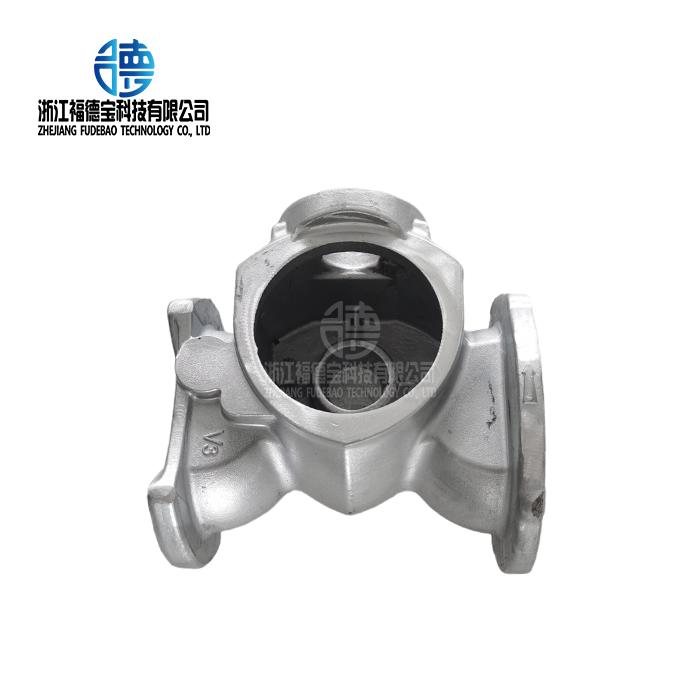
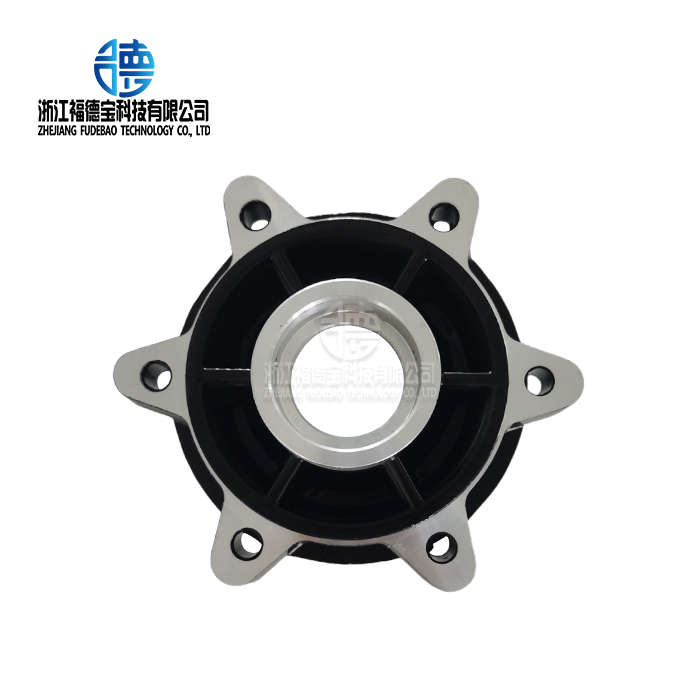
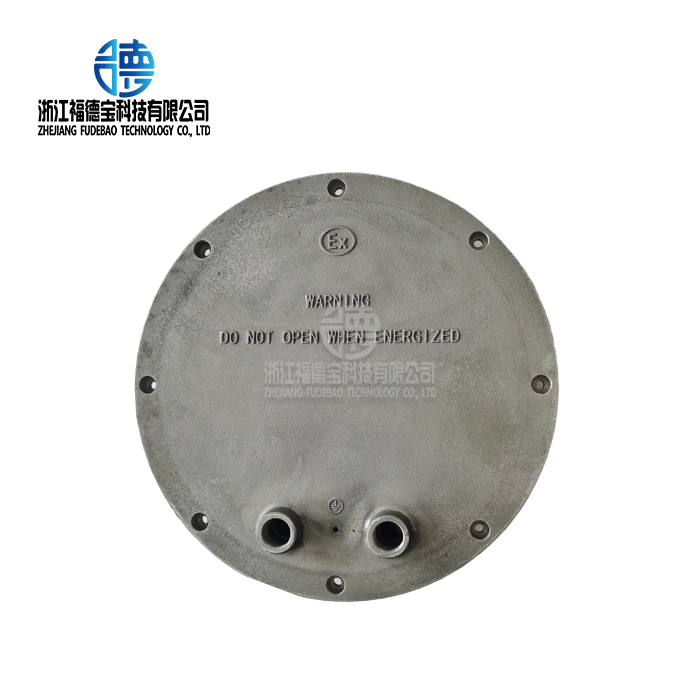
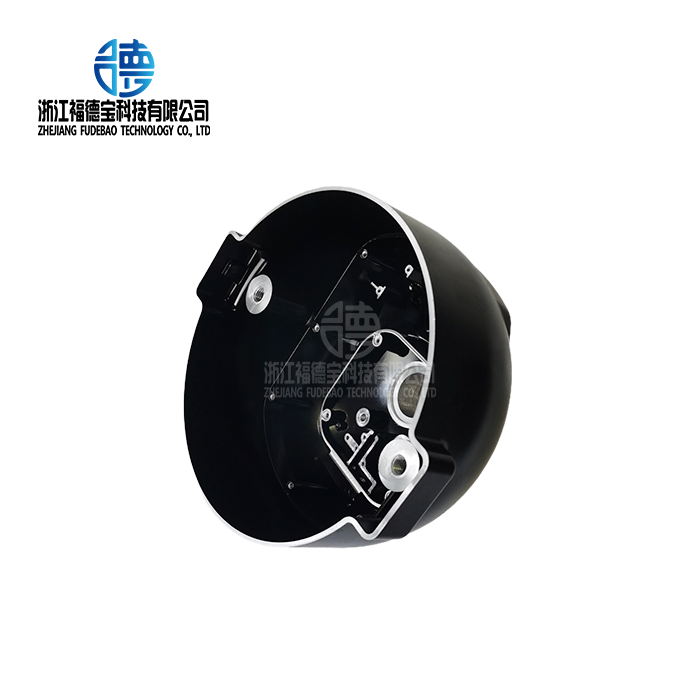
When partners in manufacturing need OEM high precision CNC machining for metal parts, they need more than just simple cutting services. Tight tolerances, a great surface finish, and reliable production skills are needed for modern automotive, industrial, and aerospace applications. CNC machining is more than just cutting away material; it now includes full manufacturing solutions that meet strict quality standards. Components are made to exact specs with the help of high-tech machine tools, complex CAD/CAM programming, and skilled toolpath optimization. Our all-around method turns raw materials into precision-engineered parts that are better than what the industry expects and keep lead times low.
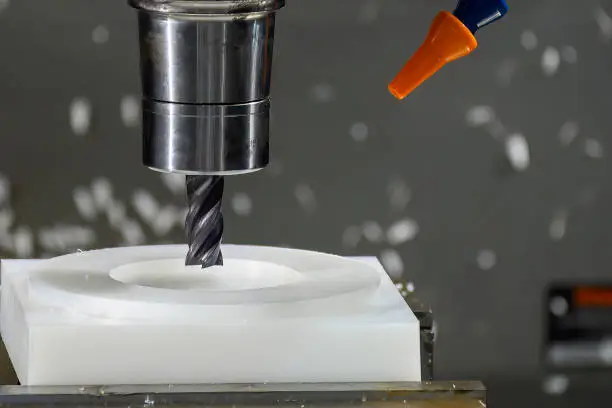
Understanding OEM/ODM Excellence in Precision Manufacturing
Original Equipment Manufacturing (OEM) and Original Design Manufacturing (ODM) are two different ways to make unique parts. OEM services focus on making parts that meet the needs of the client, while ODM includes working together to develop designs from the idea stage to production.
In today's competitive market, deep tailoring is very important. Engineering teams need manufacturing partners who know the properties of the materials they work with, the limits of their ability to be machined, and the unique needs of each application. Custom solutions are often what makes a product successful, especially in fields where accurate measurements have a direct effect on performance.
Complex shapes that were not possible before can now be made with modern CNC programming. With multi-axis machining, makers can make complex parts in a single setup, which lowers tolerance stack-up and raises quality overall. The way we do precise manufacturing has changed a lot because of this new technology.
Customized approaches are especially helpful for automotive suppliers because car platforms need different ways to be mounted, weight limits, and performance specs. Standard parts rarely meet these specific needs without being changed.
Our OEM/ODM Strengths in Metal Component Manufacturing
Fudebao Technology has a lot of knowledge in the aerospace, automotive, industrial machinery, and electrical energy industries. We can do the whole manufacturing process, from freezing to finishing the surface, so the quality stays the same throughout production.
Our building has high-speed machining tools that can consistently meet tolerances of ±0.05mm. Advanced CNC machining controllers, temperature-controlled settings, and strict fixture design practices make it possible for these levels of accuracy. Every day, each machine tool is calibrated to make sure it stays accurate.
With our research and development skills, we can make sure that the manufacturing methods we use are the best ones for each job. Together with clients, our engineering team looks for ways to improve designs so that they can be made. Often, this lowers costs while increasing performance.
Quality control methods include checking incoming materials, keeping an eye on work in progress, and checking the finished product one last time. Statistical process control methods keep an eye on important factors during production runs so that changes can be made right away.
Supply chain management makes sure that materials are always available and of good quality. When you have long-term ties with suppliers of aluminum alloy, copper alloy, and stainless steel, you can get certified materials that come with full documentation that shows where they came from. This dependability is very important for meeting the PPAP standards for cars and the certification processes for aerospace.
Scalability lets you make different amounts of something, from small prototypes to large batches. We can change our capacity based on changes in demand without lowering the quality of our products because we can do flexible group production.
Comprehensive Customization Options for Metal Components
Material choice is the first step in customizing a physical form. Different aluminum alloys have different amounts of strength-to-weight ratios, resistance to corrosion, and ease of machining. Copper alloys are great for power tools because they conduct electricity well, while stainless steel is better for harsh environments because it doesn't rust.
Specialized mounting ports, cooling channels, and weight reduction geometries are some examples of functional feature integration. Advanced 5-axis machining makes it possible for electrical housings to have complex internal passageways that help heat escape. For hydraulic uses, precision turning processes make surfaces that seal perfectly.
Technology integration includes ways to place sensors, ways to connect to electricity, and the ability to work with automation systems. More and more, modern industrial equipment needs smart parts, which is causing the need for sensors and communication features that are built in.
Customizing the brand includes things like engraving the logo, setting up part naming systems, and meeting the needs for identification marking. Laser engraving is a lasting way to identify something that can handle rough working conditions. Custom packaging options protect parts while they're being shipped and help reinforce brand identity.
Compliance customization takes into account the standards and certification needs of each business. Full material traceability and advanced inspection documents are needed for aerospace uses. PPAP submissions and ongoing production tracking are needed for automotive parts.
Anodizing, powder coating, and special platings are all surface treatments that can be used. These processes make things look better, make them less likely to rust, and make them more resistant to corrosion. For each working environment, each treatment option goes through a process of optimization.
The ODM Advantage in Precision Machining Development
Through ODM agreements, co-developing new precision machined parts speeds up time-to-market and lowers development risks. During the design phase, our engineering team brings manufacturing knowledge to the table, spotting possible production problems before they cause delays.
Advanced CAD/CAM software is used in collaborative design processes to make sure that geometries are best for automated production. Simulations can predict how CNC machining will turn out, which lets virtual testing happen before a real sample is made. This method cuts down on development costs and iteration rounds.
Rapid development services give you working parts that you can test and confirm. Quick-turn features allow for design improvements to be made in less time during development. Feedback on prototypes often shows ways to make things better, which improves the performance of the end product.
Custom fixture design, specialty tooling selection, and optimizing cutting parameters are all parts of developing a manufacturing process. To meet goal tolerances while keeping production rates low, different approaches are needed for each type of component.
The creation of a quality system sets the rules for measurements, inspections, and paperwork that are needed for each application. For complicated geometries or important dimensions, custom measurement methods are often needed.
Finding the best mix between cost, quality, and the use of materials is what cost optimization is all about. With value engineering research, you can find ways to lower the cost of making something without lowering its performance standards.

Our Streamlined Customization Process
During the first consultations, the main goal is to understand the application's needs, performance standards, and expected production volume. In technical talks, things like material properties, dimensional limits, and special feature needs are talked about. Our team looks at designs that have already been made and offers ways to make them better.
Advanced CAD software is used for iterative development as part of design teamwork. Regular reviews of the design make sure that it fits with the available production tools and the budget. Before making a prototype, simulation analysis is used to make sure that design ideas are sound.
During prototype creation, working parts are made available for testing and approval. With quick-turn capabilities, design changes can be made quickly based on test results. Often, it takes more than one round of prototyping to get the best results.
Setting up manufacturing sequences, quality checkpoints, and shipping schedules is what production planning does. Detailed recording of the process makes sure that the results of production are the same from one run to the next. Planning for capacity takes into account changes in traffic and delivery needs.
Quality proof includes checking the first product, doing studies on its abilities, and keeping an eye on things all the time. Statistical analysis proves that the process is stable and can meet the tolerances that were set. Documentation packages help meet the quality needs of the customer.
Launch support includes keeping an eye on production, giving professional help, and working to make things better all the time. Regular reviews of performance find ways to improve and deal with any new problems that come up.
Benefits of Partnering with Fudebao Technology
Cost savings can be made by improving the speed of the process, the design, or the way the materials are used. Because we know a lot about production, we can often find ways to get the job done for less money. Automation reduces the amount of work that needs to be done while improving accuracy.
More improved tools, strict process controls, and skilled workers all lead to better quality. Statistical process control methods make sure that the results of each production run are the same. Advanced testing tools make sure that the product meets the requirements.
CNC machining streamlined processes, automated tools, and efficient workflows all help with speed. Quick-turn skills meet urgent needs while upholding quality standards. Scheduling that is flexible can adapt to changing goals and delivery needs.
Technical support includes help with creation, advice on how to make things, and knowledge on how to solve problems. Our tech team offers ongoing support for the entire lifecycle of a product. Knowing about applications helps make ideas work better in certain situations.
Using tried-and-true methods, quality systems, and management with a lot of knowledge to lower risks makes projects less uncertain. Traceability standards and quality audits are supported by detailed documentation. Planned backups keep things running even when something unexpected happens.
Long-term benefits of partnerships include better use of resources, working together to make things better all the time, and help with strategic planning. Having established relationships makes it easier to talk to each other and solve problems more quickly.
FAQ
What tolerances can you achieve with CNC machining?
Our high-speed machining centers consistently achieve ±0.05mm tolerances on critical dimensions. Tighter tolerances are possible for specific features depending on geometry and material characteristics.
Which materials do you work with for precision components?
We specialize in aluminum alloys, copper alloys, and stainless steel materials. Our experience includes various grades optimized for different applications including automotive, aerospace, and industrial equipment.
How do you ensure quality throughout production?
Statistical process control methods monitor key parameters during machining operations. First article inspection, capability studies, and ongoing verification procedures maintain consistent quality standards.
What documentation do you provide for automotive applications?
Complete PPAP documentation packages include dimensional reports, material certifications, capability studies, and process flow diagrams. All documentation meets automotive industry requirements.
Can you handle both prototype and production volumes?
Our flexible manufacturing capabilities accommodate quantities from single prototypes through high-volume production runs. Scalable processes ensure consistent quality regardless of volume requirements.
What surface treatments are available?
Surface treatment options include anodizing, powder coating, and specialized platings. Each treatment undergoes optimization for specific operating environments and performance requirements.
Ready to Transform Your CNC Machining Requirements with Fudebao Technology?
Selecting the right CNC machining manufacturer determines project success from prototype through production. Fudebao Technology combines advanced manufacturing capabilities with deep application expertise to deliver exceptional results. Our commitment to precision, quality, and customer satisfaction has earned trust from global automotive, industrial, and aerospace companies.
Contact us at hank.shen@fdbcasting.com to discuss your specific requirements. Our engineering team stands ready to evaluate your project and propose optimal manufacturing solutions. Whether you need prototype development or high-volume production, we deliver results that exceed expectations.
References
Smith, J.R. (2023). "Advanced CNC Machining Techniques for Automotive Applications." Manufacturing Engineering Journal, Vol. 45, pp. 78-92.
Chen, L.M. & Rodriguez, P. (2022). "Precision Tolerance Achievement in Multi-Axis Machining Operations." International Journal of Production Research, Vol. 60, No. 12, pp. 3456-3471.
Thompson, K.A. (2023). "Material Selection Guidelines for High-Precision CNC Components." Materials & Design Engineering, Vol. 189, pp. 234-248.
Williams, D.C. et al. (2022). "Quality Control Systems in Modern CNC Manufacturing." Quality Engineering International, Vol. 38, No. 7, pp. 445-459.
Anderson, M.R. (2023). "OEM Partnership Strategies in Precision Manufacturing." Industrial Management Review, Vol. 67, pp. 156-173.
Zhang, H.Y. & Kumar, S. (2022). "Surface Treatment Optimization for Machined Aluminum Components." Surface Engineering Technology, Vol. 31, No. 4, pp. 289-304.



YOU MAY LIKE
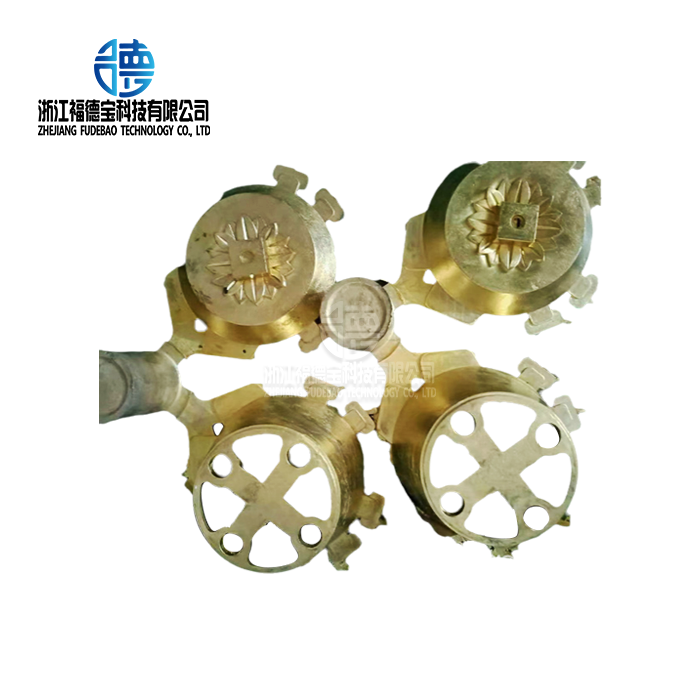
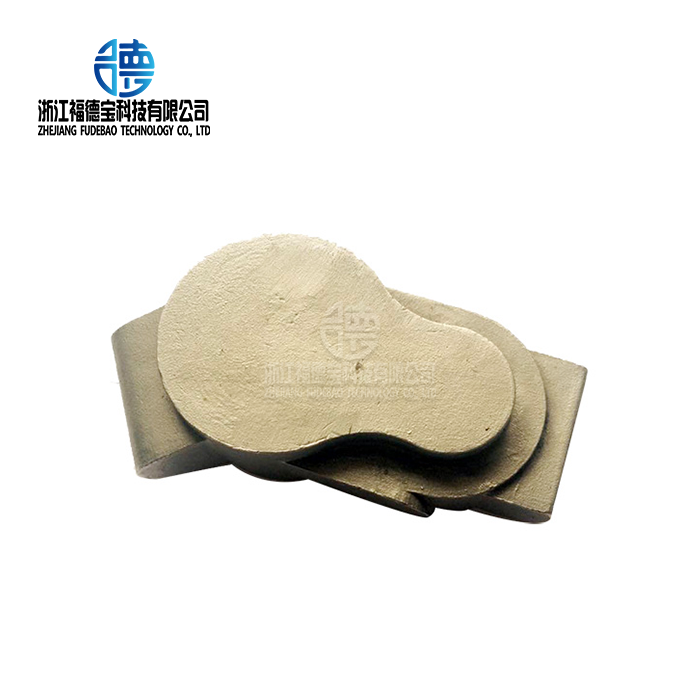
_1756350046757.webp "Heat sink aluminum casting")
_1756348711711.webp "anti surge turbo housing")