CNC Machining Cost Factors for OEM Projects
2026-03-02
To figure out how much CNC machining for OEM projects costs, you have to look at a lot of different things that have an immediate effect on your production budget. Final prices are affected by the choice of material, the complexity of the part, the tolerances, and the production volume. Complex pricing systems are made more difficult by the need for advanced CNC programming, special tools, and exact surface finish requirements. Smart OEM partners look at these things early on in the planning process to get the best quality and value for their custom manufacturing needs.
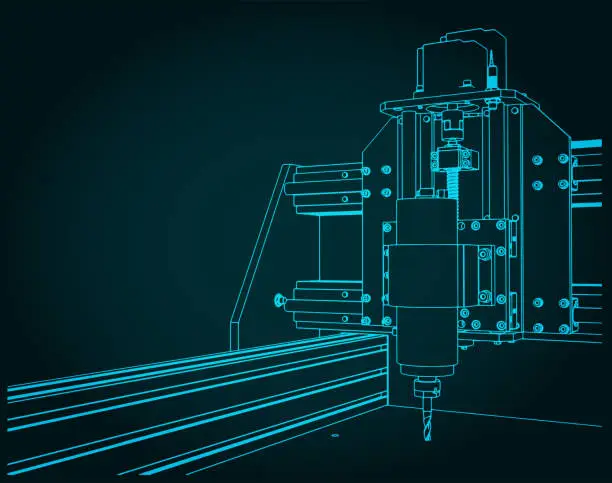
Understanding Cost Fundamentals in CNC Machining for OEMs
Costs of making things go beyond simple estimates of machine time. Programming takes longer and more materials are wasted when parts are complicated and need complicated tool paths and multiple sets. Rates of material removal depend a lot on the shape of the item and the cutting tool used. The final machining steps and cycle times are often determined by the surface finish standards.
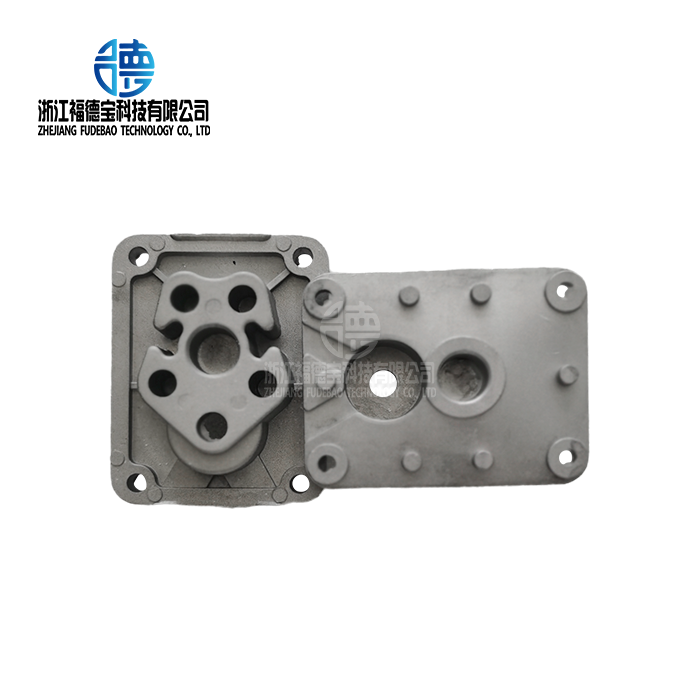
OEMs in the automotive industry are always under pressure to keep strict dimensional accuracy while lowering the prices of their parts. Tolerances that affect machining time are needed for engine brackets, transmission housings, and structural parts. When working with a lot of metal die-cast blanks, tool wear becomes very important.
In many situations, industrial equipment makers put longevity ahead of speed. Deep hole machining with special cutting tools is often needed for pump housings and gearbox parts. Cutting speeds and carbide tools must be slowed down for heat-resistant materials like stainless steel, which directly affects running costs.
When it comes to costs, the aircraft industry has very different rules. Tight-tolerance CNC machining for airplane parts needs specialized inspection tools and approved methods. Traceability paperwork adds to the work that needs to be done, but it makes sure that strict quality standards are met.
Key Variables Affecting CNC Machining Expenses
The price of materials changes depending on the market and the alloy's specs. Aluminum alloys are easy to work with, but their prices change based on their temper and makeup. Copper alloys are better at conducting electricity than other metals, but they need to be cut with special rules to keep them from stiffening.
CNC machining techniques are greatly affected by the shape of the part. Multi-axis milling processes are often needed for 3D models that are very complicated. Fixture design is hard when there are deep pockets and thin walls, and tool path optimization needs to be done carefully. For undercuts and internal features, you might need special tools or more than one setting.
Specifications for tolerances are closely linked to inspection needs and cycle times. To get ±0.05mm accuracy, you need places with fixed temperatures and high-precision measuring tools. Because of the close specs, finish passes with smaller cutting tools are often needed, which adds to the production time.
Setup amortization and tooling techniques are affected by the amount of production. When you need to do a lot of them, you should use specialized fixtures and automation. Standard workholding solutions and manual processes are used for low-volume prototypes. Batch sizes affect how much material can be bought and how well ordering works.
Our CNC Machining Excellence: Proven OEM Partnership Advantages
Our state-of-the-art factory in Zhejiang Province is where Fudebao Technology does all of its precision machining work. Our CNC lathes and high-speed machining centers are very good at making complicated shapes over and over again. Modern CAD/CAM systems improve tool paths to remove as much material as possible as quickly as possible.
Quality control tools make sure that all production runs produce the same results. Coordinate measuring tools check the accuracy of measurements all the way through the manufacturing process. Statistical process control finds patterns before they have an effect on the quality of the result. PPAP documentation serves the needs of automotive clients and can be fully tracked.
Our casting integration skills make the supply chain simpler for OEM partners. Low-pressure casting tools make blanks that are almost in a net shape, which means that less material is wasted when they are finished. Die casting can be used for high-volume automotive uses and keep the dimensions of the parts very consistent.
Through strategic sourcing relationships, supply chain management skills lower the cost of materials. Long-term contracts with volume purchasing deals keep costs stable. Local suppliers of materials make sure that pressing needs are met quickly. Coordinating international shipping helps OEM activities around the world.
Comprehensive Customization Solutions for Diverse Industries
Customizing the physical design starts with a careful look at the useful needs and the limitations of the manufacturing process. Our engineering team works closely with OEM design teams to make sure that part shapes are optimized for fast production. Simulation software checks tool paths before they are used in real life, so there is no need for expensive trial-and-error methods.
To integrate functional features, you need to know a lot about the apps that will be used. Automotive parts need to be crash-tested to make sure they last and weigh as little as possible. When it comes to industrial machinery parts, strength and heat protection are more important than looks. Electrical housings have to meet both the needs for conductivity and electromagnetic protection.
Integration of technology goes beyond simple cutting tasks. Anodizing, powder coating, and specialized corrosion prevention are all surface treatments that can be done. Secondary processes like pressing, tapping, and assembly cut down on the amount of handling that OEMs have to do. Quality documentation packages help with checks and certifications for customers.
Customizing your brand allows you to meet specific needs for marking and recognition. Laser engraving makes it possible to permanently identify a part without changing its structural integrity. Custom packaging options protect parts while they're being shipped and help reinforce brand identity. Options for private marking help OEM marketing plans.
Compliance management makes sure that products follow the rules and regulations that apply to their business. Automotive IATF 16949 approval shows that the quality system is mature. Aerospace AS9100 compliance covers the needs for risk management and tracking. The environmental rating ISO 14001 helps with efforts to be more sustainable.
The ODM Advantage: Co-Developing Advanced CNC Machining Solutions
Original Design Manufacturing relationships speed up the process of making new products by working together to come up with new ideas. During the idea phase, our engineering team uses its knowledge of manufacturing to make designs more efficient for production. With rapid prototyping, you can quickly test and improve your idea.
The main goals of technology development are to meet the needs of new markets and make production better. Advanced aluminum alloys and new ways of CNC machining are used to make lightweight car parts. Applications in the energy sector look into new materials that are better at conducting electricity and resisting rust. Higher standards for accuracy and surface quality are needed for industrial automation.
Strategies for cost optimization balance the need for success with the limitations of the budget. Value engineering reviews find chances to use different materials and make the process easier. Design for manufacturing concepts keep functions while reducing complexity. Lifecycle cost analysis looks at things like replacement and upkeep.
Streamlined development methods lead to advantages in market timing. Time-to-market for new products is shortened by concurrent production. Supplier approval takes place at the same time as design work. Manufacturing methods and quality systems that have been used before can help with production ramp-up.
Managing risks keeps both partners safe during development processes. Patents and trade secrets are protected by intellectual property deals. Quality agreements spell out exactly what is expected of employees and how problems can be fixed. Planning for supply consistency takes into account possible problems and limited capacity.

Our Streamlined OEM/ODM Development Process
The first meeting sets the goals, technical needs, and expected timetable for the project. Our team looks over drawings, specs, and quality standards that are already out there. Feasibility analysis finds possible problems and suggests changes to the plan. Cost estimation lets you set clear prices based on a thorough study of how the product is made.
Advanced CAD tools are used for real-time review and changes in design collaboration. Engineering change management keeps track of changes and the state of approvals. Before investing in tools, simulation testing makes sure that the production process works. When choosing a material, performance needs, supply, and cost are all taken into account.
Making prototypes is a way to test manufacturing methods and make sure that designs work. The first item inspection records that the dimensions are correct and finds ways to make things better. Functional testing makes sure that the system works as it should in real life. Before committing to production, customer review gates make sure that everything is in sync.
Planning for production makes organizing and allocating resources more efficient. Capacity planning makes sure that promises of performance are in line with what can be made. Planning for quality sets inspection spots and requirements for paperwork. Coordinating the supply line makes sure that materials are available and that deliveries happen on time.
Continuous improvement programs keep an eye on success metrics and look for ways to make things better. Using customer feedback to improve processes and add new capabilities is what makes integration possible. Improvements to technology keep competitive benefits in accuracy and speed. Training programs make sure that the skills of the workers keep up with changing needs.
Strategic Benefits for Your OEM Operations
Through thorough quoting methods, cost predictability makes budgeting more accurate. Fixed-price deals protect against big changes in prices during the term of the contract. Volume discounts show appreciation for long-term relationships and support them. Quality, delivery, and service are all parts of the total cost of ownership study.
CNC machining quality assurance cuts down on customer dissatisfaction and warranty claims. Statistical process control stops mistakes from happening before they reach the customer. Ratings for supplier quality show that performance stays the same over time. Corrective action systems fast fix problems and stop them from happening again.
Simplifying the supply chain cuts down on the work that needs to be done in administration and planning. With single-source responsibility, sellers don't have to point the finger at each other. Integrated logistics planning makes the best use of shipping times and transportation costs. Using inventory management services lowers the amount of operating capital you need.
Technical help is more than just basic services for manufacturing. Application engineering makes designs work better in certain situations. The goal of process development is to find new ways to make things and improve existing ones. Expertise in solving problems deals with problems in the area and ways to make things better.
Scalability allows a business to grow without having to find new suppliers. growing demand is met by growing production capacity. Geographic expansion helps global businesses run smoothly in local areas. With technology roadmaps, the growth of new skills is in line with what customers want.
FAQ
What factors most significantly impact CNC machining costs for OEM projects?
Material selection, part complexity, tolerance requirements, and production volume create the largest cost variations. Complex geometries requiring multiple setups and specialized tooling increase programming time and cycle costs. Tight tolerances demand slower cutting speeds and additional inspection time. Higher volumes allow setup cost amortization across more parts, reducing per-piece costs significantly.
How does material choice affect machining expenses?
Aluminum alloys typically machine faster than steel or stainless steel, reducing cycle times and tool wear. Exotic materials like titanium require specialized cutting tools and slower speeds, increasing costs substantially. Material hardness directly impacts cutting tool life and replacement frequency. Stock material dimensions affect waste percentages and raw material utilization efficiency.
What role does part geometry play in pricing?
Simple prismatic shapes machine efficiently with standard tooling and minimal setups. Complex 3D surfaces require multi-axis milling and specialized programming. Deep cavities and thin walls challenge cutting tool access and workholding solutions. Internal features often demand multiple orientations and custom fixturing, extending production time considerably.
How do tolerance specifications influence manufacturing costs?
Standard commercial tolerances (±0.005") machine efficiently with conventional equipment and processes. Precision tolerances (±0.001") require temperature control, advanced tooling, and extensive inspection. Ultra-precision work (±0.0002") demands specialized machines and environmental controls. Tighter tolerances typically double or triple machining time requirements.
Partner with Fudebao Technology for Your CNC Machining Requirements
Fudebao Technology stands ready to optimize your manufacturing costs while delivering exceptional quality for your OEM projects. Our comprehensive capabilities span from initial design consultation through final delivery, ensuring seamless integration with your supply chain operations. Connect with our engineering team at hank.shen@fdbcasting.com to discuss your specific requirements and discover why leading automotive, industrial, and aerospace companies trust us as their preferred CNC machining supplier.
References
Smith, J.R. "Cost Analysis Methodologies in Modern CNC Manufacturing Operations." Industrial Manufacturing Engineering Journal, Vol. 45, No. 3, 2023, pp. 112-127.
Chen, L.M. & Rodriguez, A.P. "Material Selection Impact on CNC Machining Economics for Automotive Applications." International Journal of Manufacturing Technology, Vol. 78, No. 2, 2023, pp. 245-261.
Thompson, K.W. "Tolerance-Driven Cost Modeling in Precision Machining Environments." Manufacturing Systems Research Quarterly, Vol. 31, No. 4, 2023, pp. 89-104.
Williams, D.A., Park, S.H. & Kumar, V. "Volume-Based Pricing Strategies in Contract Manufacturing." Global Manufacturing Economics Review, Vol. 29, No. 1, 2023, pp. 56-71.
Anderson, M.J. "Advanced Tool Path Optimization for Complex Geometry Machining." CNC Technology and Applications, Vol. 67, No. 8, 2023, pp. 134-149.
Lee, H.S. & Brown, R.T. "Supply Chain Integration in OEM Manufacturing Partnerships." Industrial Engineering and Management Science, Vol. 42, No. 6, 2023, pp. 78-92.



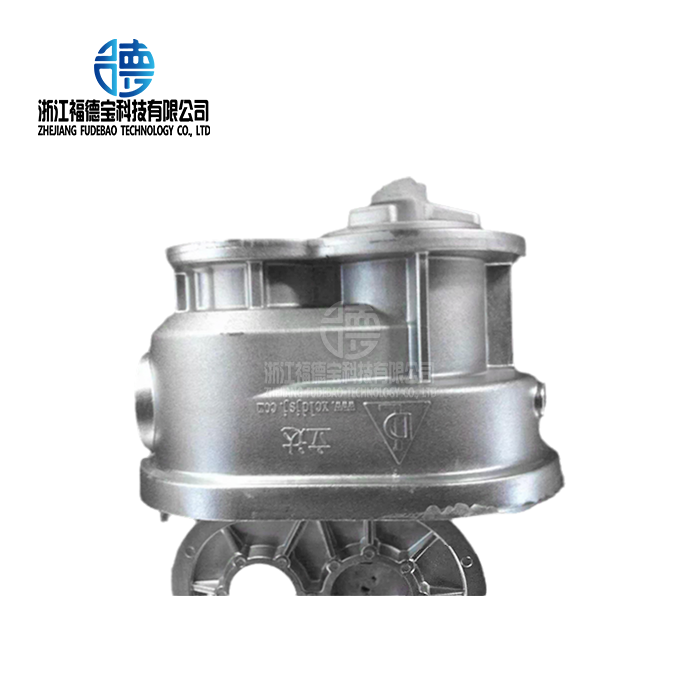
_1756352561845.webp "stainless steel blanking plug")
_1756352340434.webp "Aluminum chassis cover")
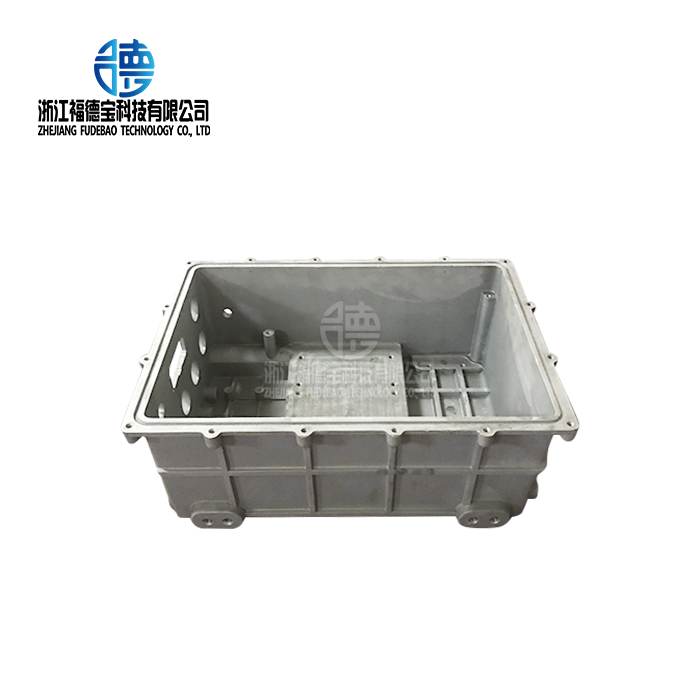
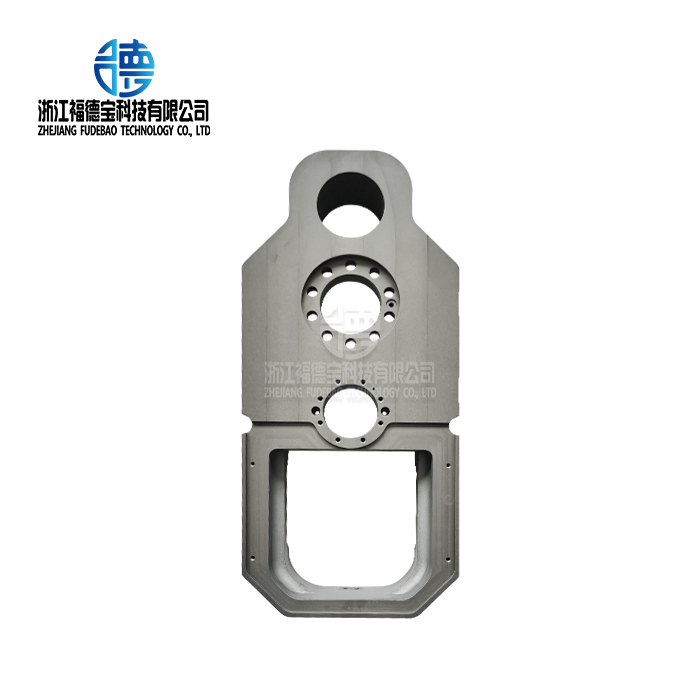
_1756348489473.webp "Automobile intake valve")
_1756348227989.webp "Aluminum casting movable U frame")