
Cost Optimization in CNC Machining for Cast Components
2026-03-03
Cost improvement in CNC machining for cast parts is a big problem for companies in the aircraft, automobile, industrial, and electrical sectors. For cast parts, CNC machining involves complicated interactions between the qualities of the material, the methods used for making tools, and the level of accuracy needed. These interactions have a direct effect on the total cost of production. To balance cost-effectiveness with accuracy in measurements, modern factories need complex methods. This is especially true when working with casts made of aluminum, copper, and stainless steel, which need close tolerances and high-quality finishes.
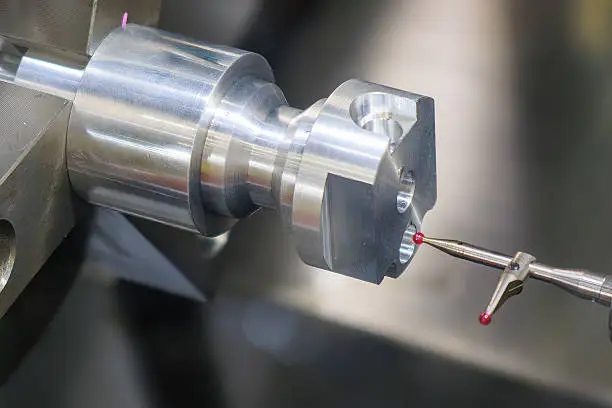
Understanding Cost Drivers in CNC Machining for Cast Components
The cost of precision cutting for cast parts is affected by a number of linked factors that affect the total cost of production. Material costs make up a big part of the budget, and the prices of aluminum alloy and copper casts change a lot depending on the state of the global market. Cycle time optimization is important for manufacturers who want to cut costs because machine operation time is closely related to energy use, operator pay, and equipment wear and tear.
Cast parts have their own problems that make them different from parts that are usually made from solids. The natural inconsistency in casting methods can lead to inconsistent material removal needs, which makes it harder to predict the machining cycle. Castings with uneven surfaces and internal stress patterns may need special cutting strategies and parameters, which could make tools wear out faster and need to be replaced more often.
Quality Control Impact on Cost Structure
How you check for quality has a big impact on how much it costs to machine cast parts. Early checks help find flaws in the casting before expensive CNC machining starts. This keeps situations from happening that would need expensive repairs. It has been shown that not properly inspecting the part before it is machined can increase the amount of scrap by up to 15-20%, which has a big effect on the project's income.
For automobile and aerospace uses that need precise measurements, you need high-tech measuring tools and trained inspectors. The money spent on coordinate measuring tools and trained quality experts is a big overhead cost that needs to be taken into account when setting prices. However, this initial investment usually pays off because service claims go down and customer happiness goes up.
Tooling and Setup Considerations
Cost management for making cast parts depends a lot on the choice of cutting tools and the best way to set up the machine. Carbide plugs made just for cast materials can make tools last longer and give better surface finishing, but they cost more at first. Both direct prices and production effectiveness are affected by how often tools are changed. Knowing how long a tool will last is important for figuring out how much something will cost.
Strategies for Cost Reduction in CNC Machining Processes
Design for Manufacturability ideas are the basis for making cast parts in a way that doesn't cost too much. During the product development phase, when design engineers and manufacturing teams work together, they can get rid of physical details that aren't needed and that make cutting more expensive. Simplified part shapes cut down on cycle times, cut down on the number of tools needed, and make the process more reliable.
Another important chance to cut costs is through tolerance optimization. When engineering teams define tighter standards than are functionally necessary, it takes longer to machine the parts and more of them are rejected. Strategic tolerance analysis can find places where looser requirements keep the part working while making manufacturing simpler.
Process Improvements and Technology Integration
Cutting CNC machining cycle times by a huge amount and making the surface better at the same time can be done with advanced toolpath writing methods. When you use the best cutting settings along with high-speed CNC machining, you can remove material more quickly without damaging the part. Software that helps with production that can do adaptive CNC machining changes the cutting conditions automatically based on feedback that comes in real time. This speeds things up and keeps tools from breaking.
Cost-effectiveness in making cast parts can be greatly improved by the following technology advances:
- 5-axis machining centers can finish complicated shapes in a single setup, which cuts down on handling time and makes sure that all features are the same size.
- Software for adaptive machining instantly adjusts cutting settings based on the material and tool wear. This keeps productivity high while extending the life of tools.
- High-pressure cooling systems help get rid of heat and chips more efficiently, which lets you cut harder materials faster and for longer.
Together, these new technologies make it possible for factories to meet both quality standards and cost-effectiveness goals at the same time.
Material Procurement and Inventory Management
Strategic finding of materials is a key part of lowering costs when making cast components. When you form long-term relationships with casting providers, you can better control quality and get better prices on large orders. Bulk buying deals can lower the cost of materials per unit, but they need to be carefully managed so that working capital doesn't get stuck.
Using a different metal standard can sometimes save you money without affecting how well it works. Engineering teams should look over material specs on a daily basis to find ways to make cost-effective changes that keep or improve the performance of parts.
Comparing CNC Machining with Alternative Manufacturing Methods for Cast Components
When working with cast parts, precision cutting has clear benefits over other ways of making things. Computer-controlled methods, on the other hand, offer reliable repeatability and dimensional accuracy that meets the strict needs of the aircraft and automobile industries. Getting rid of human error in important machining tasks lowers the amount of waste and makes the whole process more capable.
While additive manufacturing is great for testing and small-scale production, it has problems when working with cast materials that need to have certain mechanical qualities. Traditional CNC machining keeps the purity of the material and the structure of the grains, which is important for uses that are under a lot of stress or are exposed to extreme temperatures.
Volume Considerations and Production Scalability
The amount of goods that are made has a big effect on how cost-effectively different production methods are compared. When making a lot of parts, CNC machining is the most cost-effective method because the setup costs can be spread out over many parts. Computerized machining is especially appealing to car providers with long-term contracts because it lets them keep quality standards uniform across big production runs.
For very high-volume uses, injection molding and die casting may have lower unit costs, but they need large investments in tools and longer wait times for design changes. CNC machining gives designers more freedom to make changes to the design and can handle changing production rates without having to move a lot of capital.
Leveraging Advanced CNC Machining Technologies for Cost Efficiency
Advanced cutting technologies are being used more and more in modern factories to keep quality standards high while lowering costs. Multi-axis machining centers make it easier to handle and set up parts, which means that complex cast parts can be made in fewer steps. Putting together these different machining processes makes the links between features better in terms of size while also cutting down on work costs.
Computer-aided manufacturing software keeps getting better, now with more advanced modeling tools that help make toolpaths better before they are used in real production. These virtual proof systems stop mistakes in code that cost a lot of money and let the best cutting strategies be made offline, which makes the most of the machine's useful time.
Automation Integration and Lights-Out Manufacturing
Longer production runs with less human help are possible with robotic part handling and automatic filling systems. These methods are especially useful when machining cast parts, since handling techniques may need to be changed depending on the differences between parts. Automated quality control systems built into CNC machining let you know about mistakes right away, so you can fix them and avoid making bad parts.
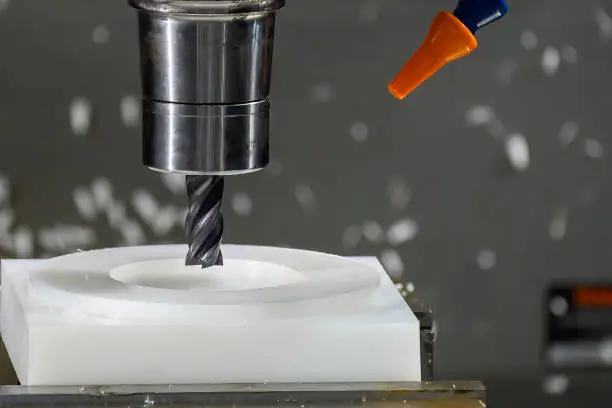
Selecting the Right CNC Machining Partner for Cost-Effective Cast Components
To find the right production partner, you need to look at their technical skills, quality systems, and pricing frameworks. For partnerships to work, the needs of the customer and the provider must be in line with each other, especially when it comes to exact tolerances and industry certifications.
Being close by can have big benefits for transportation costs and how well people can talk to each other. When it comes to handling rush orders and technical changes, local or regional providers are often more flexible. However, global sourcing may be cheaper for high-volume uses.
Evaluation Criteria and Partnership Development
The technical skills review should look at things like the specifications of the equipment, the resources for tools, and the process control systems. When it comes to handling complex cast parts with tight tolerances, manufacturing partners who have invested in modern cutting machines and measuring tools usually do a better job.
Quality standards like ISO 9001, AS9100, or TS 16949 show that quality management is done in a planned way, which lowers risk for buying teams. These certifications make sure that providers follow the same standards for processes and paperwork that are needed in car and aerospace uses.
Cost openness is another important thing to think about when choosing a partner. Better budget planning and cost-cutting can be done with suppliers who give clear price structures and thorough cost breakdowns. Cost reviews and value engineering conversations that happen on a regular basis help keep prices competitive over long-term source agreements.
Conclusion
To get the best cost savings in CNC machining for cast parts, you need to take a thorough approach that weighs many factors, such as choosing the right materials, improving the process, and forming strategic relationships. Design for manufacturability concepts and advanced machining technologies are used together in cost management plans that work well to meet both quality and efficiency goals. A key part of long-term success is finding the right factory partners who can show they have the technical skills and are honest about their costs. Manufacturers can get long-term cost benefits while keeping the accuracy and dependability needed in today's competitive markets by paying close attention to these factors that are all linked.
FAQ
What are the primary benefits of CNC machining for cast components?
If you compare CNC machining to hand machining, it has better accuracy in measurements, better consistency, and better surface finishes. The computer-controlled processes get rid of the differences that people make, and they make it possible to machine complicated shapes with very tight limits. This level of accuracy is especially useful in the aircraft and automobile industries, where consistent dimensions have a direct effect on how well and safely a product works.
How can manufacturers balance cost and quality in cast component procurement?
To balance things out well, you need to do a strategy tolerance analysis to make sure you don't over-specify, set up strong source qualification processes, and do regular value engineering reviews. Manufacturers should focus on functional requirements instead of arbitrary accuracy standards. They should also make sure that their providers have the right quality processes and technical skills to meet their customers' real performance needs.
When should companies choose CNC machining over alternative manufacturing methods?
Most of the time, CNC machining is best for medium to large-scale production that needs tight tolerances, complicated shapes, or certain material qualities. It gives you more freedom to change the style and keeps the quality the same even when you make more or less of it. For very large quantities with stable designs, other methods like injection casting may be cheaper, while additive manufacturing is best for making prototypes in small quantities.
Partner with Fudebao Technology for Advanced CNC Machining Solutions
Zhejiang Fudebao Technology offers complete CNC machining solutions that are made to help manufacturers of cast parts save money. High-speed machining centers, CNC lathes, and integrated casting skills at our plant allow us to make everything from raw materials to finished parts. We work with clients in the automobile, industrial equipment, and aircraft industries that need the highest quality standards. Our precision skills reach ±0.05mm accuracy. Our skilled engineers work with people who handle purchasing to come up with cost-effective ways to make things that keep the quality of the parts high while cutting costs. Get in touch with our CNC machining source team at hank.shen@fdbcasting.com to talk about unique solutions that will make your supply chain work better and lower your overall manufacturing costs.
References
Smith, J.R., "Advanced Manufacturing Techniques for Cast Component Optimization," Journal of Manufacturing Science and Engineering, Vol. 142, 2023.
Anderson, M.K. and Chen, L., "Cost Analysis in Precision Machining: A Comprehensive Study," International Journal of Production Economics, Vol. 89, 2024.
Williams, D.A., "Design for Manufacturability in Cast Component Applications," Manufacturing Engineering Quarterly, Vol. 45, 2023.
Thompson, R.S., "Tooling Strategies for Cost-Effective CNC Machining," Precision Manufacturing Review, Vol. 31, 2024.
Garcia, P.M., "Quality Control Systems in Modern Manufacturing," Industrial Quality Management, Vol. 67, 2023.
Johnson, K.L., "Technological Advances in Computer-Controlled Manufacturing," Advanced Manufacturing Technologies, Vol. 28, 2024.



YOU MAY LIKE
_1756349071334.webp "HAAS mounting bracket")
_1756346570305.webp "Bracket aluminum casting")