Navigating the Supply Chain for Aerospace Aluminium Castings
2026-06-30
Finding aluminum parts for aircraft requires a plan that strikes a balance between precise engineering and the dependability of the supply chain. Aluminum die casting is the most important production process for aerospace uses because it produces parts that are both strong and lightweight, like engine housings and instrumentation brackets for airplanes. To get these important parts, the supply chain has to deal with strict approval rules, manage wait times, and make sure that the parts can be tracked from raw materials to finished assemblies.
To meet aerospace standards while keeping costs low and deliveries on time, procurement managers need to know not only the technical specs but also how casting processes, supplier capabilities, and quality systems work together in a world where manufacturing is becoming more complicated.
Understanding Aerospace Aluminum Die Casting in the Supply Chain
The Fundamentals of Aerospace-Grade Casting Processes
A lot of the aircraft business depends on high-pressure aluminum die casting, which uses pressures above 10,000 psi to pour molten aluminum alloys into precise steel molds. This way of making things makes parts that are very accurate in terms of their dimensions and have smooth surfaces, so they don't need as much extra cutting. Aerospace casting is very different from regular industrial casting because the parts have to be able to handle huge changes in temperature, vibration stress, and toxic air conditions for decades while still remaining structurally sound. First, an alloy is chosen.
These are usually aerospace-grade materials like A356 or special alloys with silicon and magnesium added to them to make them stronger. Next, a mold is designed that takes into account the shrinkage rates and thermal expansion coefficients that are important for flight-critical parts.
Material Properties Critical for Aerospace Applications
The strength-to-weight ratio of aluminum alloys used in aircraft castings makes them essential for uses that need to be light, since every gram can affect fuel economy and payload capacity. These materials naturally create an oxide layer that protects them from corrosion caused by hydraulic fluids, jet fuel, and the salty seas that military flight often flies over. The material's thermal conductivity features make it possible for electronic housings and hydraulic parts to get rid of heat effectively.
Its machinability also makes it possible to make interference fits and sealed assemblies with very tight tolerances. We've seen that aerospace engineers prefer metals with controlled porosity levels that can be confirmed by x-rays. This is because even small holes inside an alloy can grow into a catastrophic failure under the repeated loads that happens during flight operations.
Quality Certifications and Compliance Requirements
Following AS9100 quality management systems is important for aerospace supply chains because they go beyond standard ISO approvals and include aerospace-specific rules for things like risk assessment, traceability, and configuration management. For each production lot, suppliers must keep careful records that include material certificates, process settings, inspection results, and information on the skills of operators. As part of the first article inspection procedure, coordinate measuring tools with recorded measurement error must be used to check the dimensions, spectrographic testing must be used to look at the material's makeup, and destructive samples must be used to confirm the mechanical properties.
These strict rules make sure that parts meet the standards of the regulatory body and the original equipment maker. They also create a paper trail that supports airworthiness certification and lets engineers find the root cause of problems that happen in the field years after the product was made. Aluminum die casting, as a primary manufacturing process for many critical components, is fully governed by these rules, ensuring that every cast part is traceable, inspectable, and compliant throughout its entire service life.
Key Challenges and Solutions in Aerospace Aluminum Casting Supply Chains
Managing Lead Time Delays and Production Bottlenecks
Lead times for aerospace parts often go beyond normal industry timelines because of the complexity of the tools used, the limited availability of materials, and the need for inspection and approval hold points. Just making the tools can take 12 to 16 weeks, because mold designs have to go through simulation analysis, prototype confirmation, and iterative revision to make sure they stay the same size across production runs.
We suggest that procurement teams set reasonable deadlines that take these technology requirements into account instead of putting too much pressure on providers, which could lower quality or cause them to skip validation steps. By keeping extra parts on hand or finding qualified secondary providers, you can fall back on when primary sources have problems with capacity or technology that stop production plans from going as planned.
Addressing Quality Defects Through Preventive Measures
When it comes to aluminum die casting, quality problems usually show up as porosity, dimensional drift, surface flaws, or changes in mechanical properties. These are all caused by mistakes in process control during the melting, injection, or cooling phases. Manufacturers can find trends before they become flaws by using statistical process control methods and keeping an eye on factors like melt temperature, injection velocity, and die temperature profiles in real time.
Before going to full-scale production, prototyping and pilot production runs are very important for reducing risk because they show any problems that might exist with the design of the gates, the amount of ventilation, or the control of heat. Instead of hostile inspections, manufacturing solutions that are stronger are found when engineering teams from both the buyer and the seller work together to look over failure mode analyses and process capability studies.
Cost Management Without Compromising Standards
When buying parts for airplanes, there is always pressure to keep quality standards that protect flight safety and follow the rules as low as possible. The total landed cost study needs to look at more than just the piece price. It needs to look at things like the amortization of tools, the need for arriving inspections, the overhead costs of managing suppliers, and the possible costs of delays or quality escapes.
When negotiating, it's often better to focus on building a long-term relationship rather than just lowering prices. This is because suppliers can invest in process improvements and automation knowing they have stable volume promises. Consolidating volume with fewer qualified suppliers creates economies of scale and makes it easier to manage relationships with multiple vendors and keep track of duplicate qualifying paperwork.
Comparing Casting Methods and Selecting the Right Supplier
Evaluating Process Technologies for Aerospace Applications
High-pressure aluminum die casting is great for making complicated shapes with thin walls and built-in features that remove the need for assembly. This makes it perfect for making housings, brackets, and structural parts that need to be light. For big, low-volume parts or prototype development where the cost of tools would be too high, sand casting is still useful, but surface finish and dimensional standards need a lot more machining.
Investment casting can handle metals with higher melting points and gives better fine resolution, but it takes longer to make things than die casting. Procurement teams have to choose the right process based on the needs of each component. They have to think about things like expected annual volume, geometric complexity, tolerance bands, and whether the design is developed enough to warrant investing in permanent tools.
Supplier Qualification Criteria for Aerospace Work
When choosing casting providers for aerospace uses, you need to do a lot of research that goes beyond just checking their manufacturing skills. Certification under the AS9100 or NADCAP special methods is a good way to make sure that quality systems meet industry standards. However, site checks are still needed to make sure that the systems are really being used and that the company's culture is committed to meeting aerospace requirements.
Aluminum die casting, in particular, demands this extra layer of scrutiny because its process variables—such as porosity control, thermal management, and mold integrity—directly affect part reliability, and only through rigorous on-site verification can you confirm that the documented procedures are faithfully executed on the production floor.
A study of production capacity should look at more than just theoretical machine availability. It should also look at actual flow, taking into account setup times, inspection hold points, and the supplier's current order backlog. Location affects transportation costs, wait times, and how useful it is to make regular site visits for supplier development activities. However, global sourcing can give you access to specialized skills or capacity when capacity is limited in your own country.
Here are critical evaluation factors that distinguish aerospace-capable casting suppliers:
- Technical Capabilities: The company has advanced process modeling tools, metallurgical lab facilities, and engineers who are familiar with aerospace design standards. These things show that they have the technical depth needed to make complex aircraft parts. Suppliers who offer combined services from developing prototypes to production and finishing operations make it easier to control the supply chain and make sure that everyone is responsible.
- Quality Infrastructure: Inspection tools like CMM systems that have been properly calibrated, radiographic or CT scanning machines for finding flaws inside parts, and environmental testing facilities for fast corrosion or thermal cycling to make sure the quality of the parts are what set aerospace suppliers apart from other industrial casting operations. Data management tools that let you see the state of production and quality metrics in real time make it possible to solve problems before they happen.
- Supply Chain Stability: A supplier's ability to keep up quality and delivery performance over multi-year production agreements is affected by financial health indicators, staff stability, and methods for getting raw materials. Because aerospace projects often last for decades, supplier longevity and succession planning are important to think about beyond just meeting current production needs.
All of these things together show if a casting supplier can successfully meet the strict needs of aerospace uses for product lifecycles that can last 30 years or more after the first production.
Enhancing Supply Chain Performance for Aerospace Aluminum Castings
Implementing Lean Principles in Aerospace Casting
When applied to aerospace settings, lean production methods focus on getting rid of waste while keeping the strict paperwork and validation standards that make sure flights are safe. Value stream mapping helps find activities that don't add value, like moving things around too much, doing the same checks over and over, or waiting too long to pass on information. These things make lead times longer without improving quality.
When aluminum die casting, finishing, and checking are all done in the same cell, it cuts down on the amount of work-in-process material and speeds up feedback loops when process changes need to be made. Structured problem-solving methods like 8D or Six Sigma can help build a culture of continuous improvement. This gives a company the ability to deal with root causes instead of just managing symptoms by inspecting more closely.
Leveraging Digital Tools for Supply Chain Visibility
Modern tools for managing the supply chain let you see the state of production, quality measures, and delivery estimates in real time. This lets you control the chain before a problem arises, rather than after one has happened. When supplier production execution systems and customer business resource planning platforms work together, they automatically transfer information. This speeds up communication and cuts down on the mistakes and delays that come with email-based coordination.
Using statistical process control charts to collect digital inspection data lets you find process drift right away, before physical characteristics go beyond what is allowed. This stops the production of nonconforming parts that cause schedule problems. Sharing demand forecasts and design change pipelines through collaborative forecasting tools helps suppliers plan their capacity and buy raw materials more efficiently so they can meet just-in-time supply needs without having to keep too much safety stock on hand.
Future-Proofing Through Sustainable Practices
As environmental laws get stricter and corporate responsibility programs become more popular, aerospace supply chains are taking sustainability into account along with standard measures like cost, quality, and delivery. Recycling programs for aluminum that reuse scrap metal and rejected casts lower the cost of raw materials and lower the carbon footprint of making aluminum in the first place.
Using melting ovens and die temperature control systems that use less energy lowers costs and helps the environment. These efforts to be more environmentally friendly often go hand-in-hand with operational excellence goals. This is because reducing waste and making the best use of energy are both examples of process control that leads to better quality and efficiency, which is good for both makers and their aerospace customers.
Best Practices and Final Recommendations for Aerospace Procurement Managers
Developing Comprehensive Supplier Partnerships
For aluminum die casting buying to work, relationships between buyers and sellers need to change from ones based on transactions to ones where both sides work together for the common good. When suppliers are involved early on in the design steps of a component, their manufacturing knowledge can help make design decisions that make the component easier to cast, simplify the tools needed, and increase production yield rates.
Reviewing the business on a regular basis to look at quality trends, delivery performance, and cost-cutting efforts helps everyone stay on the same page with standards and gives people a chance to talk about problems before they get out of hand. Sharing technical resources, where engineers from the customer provide application context and engineers from the seller provide process knowledge, leads to new solutions that neither party would have come up with on their own.
Essential Procurement Checklist for Aerospace Castings
Before sending out requests for quotes, procurement managers should make sure that the component specs clearly state the required materials, allowable tolerances for size and shape, required surface finishes, and acceptable levels of quality. When evaluating a supplier, it is important to make sure that they have AS9100 approval, experience making aircraft products, and the ability to meet program deadlines.
Before approving production, clear acceptance criteria and measurement methods should be set up during the planning of prototype and first article inspections. Intellectual property security, configuration change management processes, and liability sharing that are right for aerospace uses need to be spelled out in the contract terms. These basic parts keep people from misunderstood each other, which can lead to problems with quality, schedules, and costs that go over budget and hurt the success of the program.
Avoiding Common Procurement Pitfalls
Many failed aircraft casting purchases are caused by suppliers not being properly qualified, which means that gaps between what they say they can do and what they can actually do aren't taken into account. When you rush to approve tools without fully checking its dimensional stability and ability to be used again and again, it can cause quality problems that need a lot of redo and sorting.
When programs don't have enough backup plans, they are at risk when single-source providers have problems like machine breakdowns, quality holds, or capacity limits. When engineers, quality, and buying departments can't talk to each other, suppliers get mixed messages or incomplete information that makes it harder for them to meet standards. By noticing these trends, buying teams can take steps to avoid problems before they happen, saving a lot of money on costly lessons learned through program interruptions.
Conclusion
Supply lines for aluminum die casting need a sophisticated method that strikes a balance between technical needs and business realities. To be successful, you need to know enough about the production process to judge the skills of your suppliers, set up quality systems that make sure results are always the same, and encourage collaborative relationships that lead to constant growth.
When purchasing managers put time into developing suppliers, stick to realistic deadlines, and focus on total value instead of piece price, they build strong supply chains that can meet the needs of long-term aerospace programs. Because aerospace uses are so complicated, choosing and managing suppliers are very important skills that have a direct effect on the cost, schedule, and safety of the trip.
FAQ
What advantages does aluminum die casting provide for aerospace components?
For aircraft uses, aluminum die casting offers the ideal blend of light weight, mechanical strength, and corrosion resistance. The process makes parts that are very accurate in terms of their dimensions and have a smooth surface finish. This means that they don't need as much secondary machining and can still meet the tight tolerances that aircraft systems need. High thermal conductivity is one of the material's qualities that helps heat escape from electronic housings. The natural oxide layer protects against corrosion in hard working conditions.
How should procurement teams evaluate potential casting suppliers?
When evaluating a supplier, it is important to look at their AS9100 licensing, their experience making aerospace products, and their technical skills, such as the use of process modeling software and advanced inspection tools. Site checks make sure that quality systems work well beyond just following the rules on paper, and capacity assessments make sure that production levels are reasonable and in line with schedules. Long-term dependability in aircraft projects that may last decades is affected by factors like financial security and supply chain risk.
What factors influence lead times and costs for aerospace castings?
Lead times and prices for aerospace parts are greatly affected by the complexity of the tools used, the standards for the materials used, and the inspections that need to be done. Initial tooling development usually takes 12 to 16 weeks. Production wait times rely on how complicated the part is and how much of the supplier's capacity is being used. Cost structures include the cost of tools, the cost of raw materials, the time it takes to process, the steps needed for checking, and the surface treatment needs that are different for each component's use and performance needs.
Partner with Aerospace Casting Specialists
Zhejiang Fudebao Technology stands ready to support your aerospace component requirements with comprehensive capabilities spanning aluminum die casting, precision machining, and surface treatment operations. Our ISO-certified manufacturing facility maintains the quality systems, inspection infrastructure, and technical expertise aerospace applications demand, delivering components with tolerances to ±0.05mm through integrated processes from raw material to finished assembly.
We serve global aerospace suppliers requiring reliable aluminum die casting manufacturers capable of supporting complex geometries, strict material specifications, and rigorous documentation requirements. Contact our technical team at hank.shen@fdbcasting.com to discuss your specific project requirements, explore prototype development options, and discover how our one-stop manufacturing approach can strengthen your aerospace supply chain.
References
1. Campbell, J. (2015). Complete Casting Handbook: Metal Casting Processes, Metallurgy, Techniques and Design. Butterworth-Heinemann Publishing.
2. Kaufman, J.G. & Rooy, E.L. (2004). Aluminum Alloy Castings: Properties, Processes, and Applications. ASM International.
3. Society of Automotive Engineers (2016). Aerospace Material Specification Standards for Aluminum Casting Alloys. SAE International Technical Standards.
4. North American Die Casting Association (2018). Product Specification Standards for Die Castings: Dimensional Tolerances and Quality Requirements. NADCAP Publishing.
5. Vinarcik, E.J. (2003). High Integrity Die Casting Processes: Advanced Engineering and Manufacturing Techniques. John Wiley & Sons.
6. Aerospace Industries Association (2019). AS9100 Quality Management Systems Requirements for Aviation, Space and Defense Organizations. AIA Standards Distribution.



YOU MAY LIKE
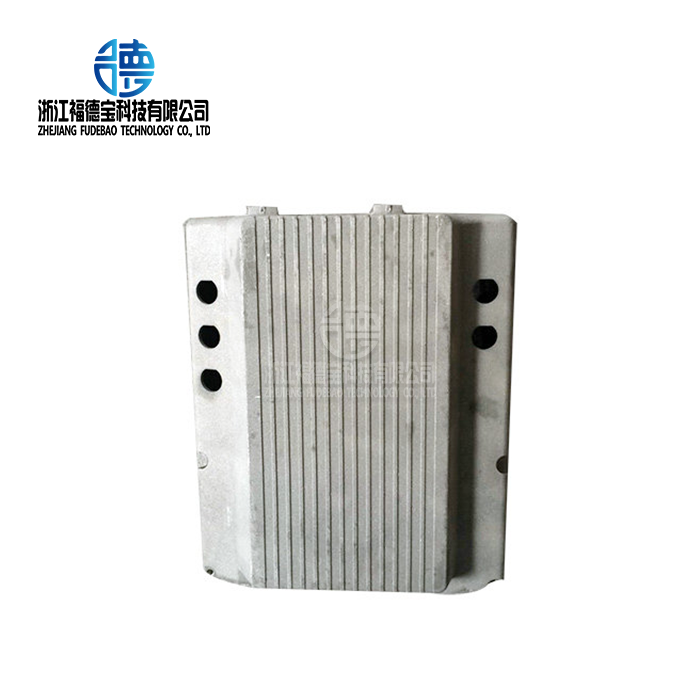
_1756348623524.webp "Turbine compressor housing")
_1756346668222.webp "Aluminum castings Decorative buckles")
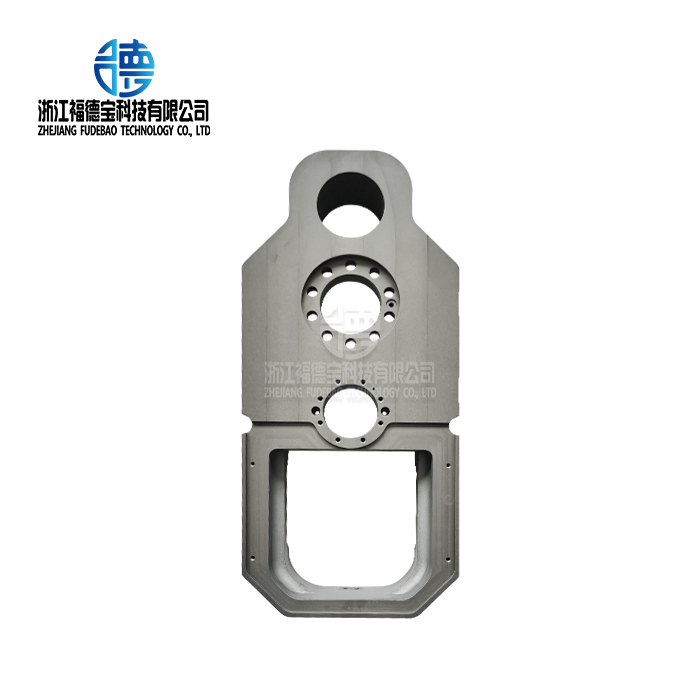
_1756346043433.webp "guardrail connecting block")