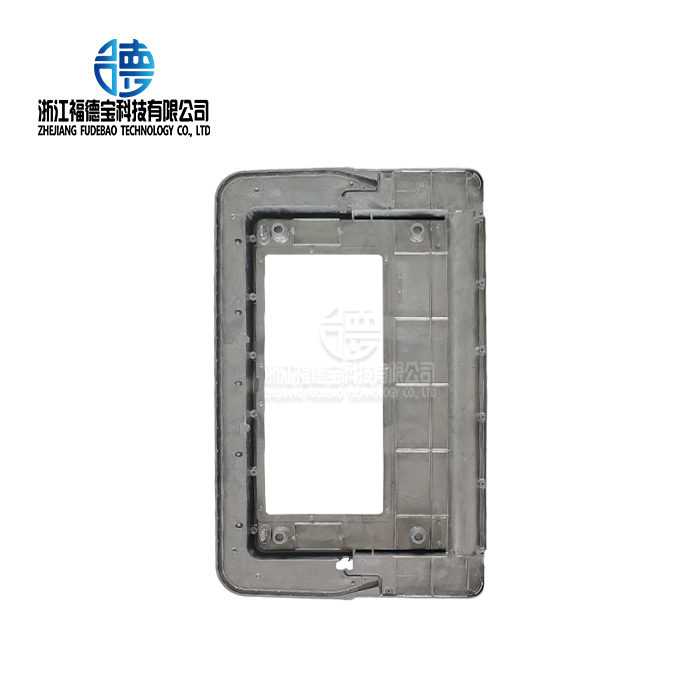
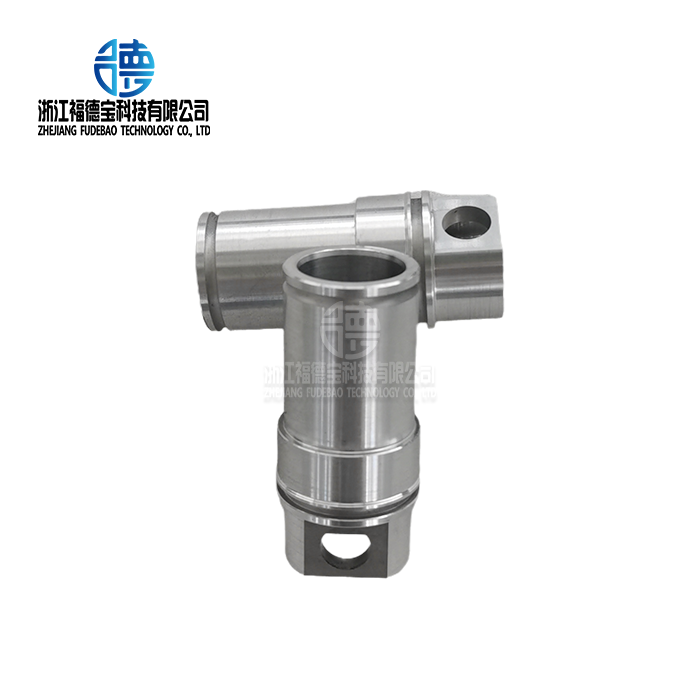
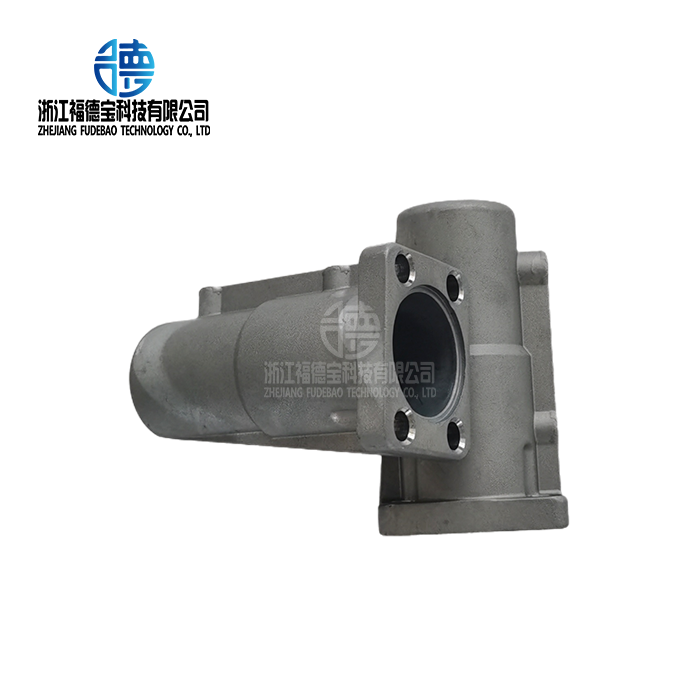
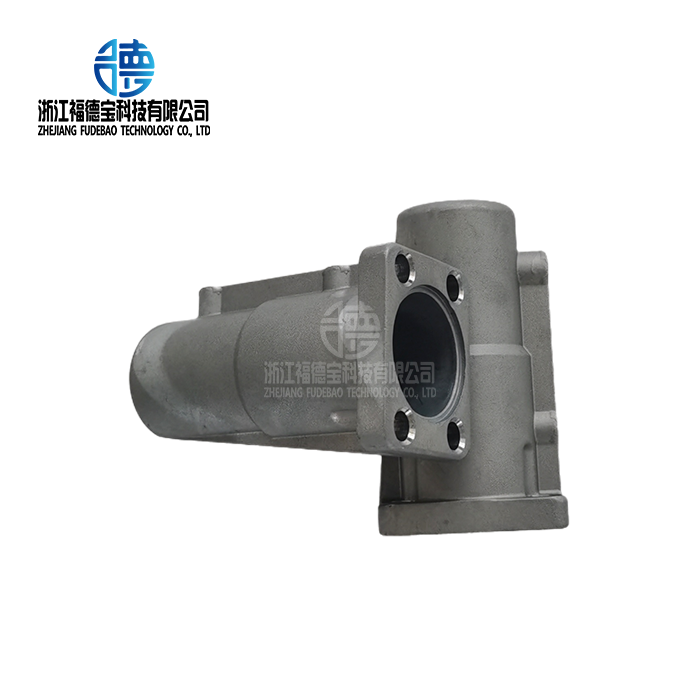
Low Pressure Casting Services for Lightweight Structural Parts
2026-06-02
When accuracy and structural integrity are essential, automotive engineers and industrial machinery specialists use low pressure casting. This counter-gravity technique presses molten aluminum alloy into precision molds under regulated pneumatic pressure—usually 0.02–0.1 MPa—to create lightweight, strong components. Low-pressure casting provides internal soundness for safety-rated items like EV motor housings and aerospace structural elements, unlike gravity or high-pressure procedures.
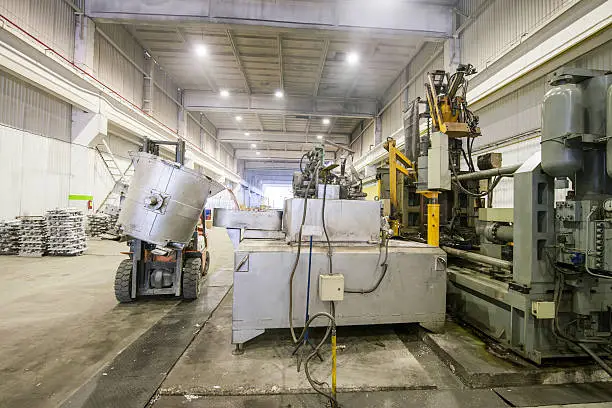
Understanding the Low Pressure Casting Process
Fundamental Principles of Counter-Gravity Filling
The low-pressure casting process connects a pressured holding furnace directly to the mold using a refractory rising tube, unlike gravity-fed systems. Molten metal rises through the tube and fills the mold hole from bottom to top as pressure in the enclosed furnace chamber progressively rises. This regulated increase minimizes noise and prevents oxide coatings from weakening cast structures. Keeping the feeding pressure stable as the metal solidifies enables the liquid metal to compensate for shrinkage in thick portions. This addresses standard pouring porosity issues.
Step-by-Step Manufacturing Sequence
For the chosen aluminum alloy, the solid steel cast is heated to 250°C to 350°C to begin the cycle. After the furnace pressure reaches the PID control system's setting, the metal flows gently into the cavity to reduce turbulence and prevent premature solidification. After filling the chamber, the system maintains pressure for 30–90 seconds while cooling. This ensures a straight solidification from cavity margins to gate. After the casting solidifies, the workers release the pressure, letting the riser tube metal flow back into the furnace. This allows material returns of over 90%, compared to 50–60% for feeder-based sand casting.
Material Selection for Structural Applications
Most lightweight structural casting uses aluminum alloys. A356 (AlSi7Mg0.3) is the standard for heated parts. This metal possesses tensile strengths exceeding 280 MPa and elongation rates close to 8% after T6 heat treatment, which includes solution treatment and fake aging. Low pressure castings don't contain gas, so they cook without breaking. Unlike high-pressure die castings, which break when heated. Engineers pick A357 for airplanes that need higher purity and mechanical performance. Automakers are also employing more recycled secondary alloys to accomplish green targets without sacrificing quality.
Advantages of Low Pressure Casting for Lightweight Structural Components
Superior Mechanical Integrity Through Controlled Solidification
This approach creates stronger, more flexible structural elements with thick, fine-grain microstructures. The laminar flow feature removes oxide particles and air pockets that cause dynamically loaded parts to fail early. Radiographs that follow ASTM E155 always indicate Grade A porosity in critical locations. Transmission housings, steering knuckles, and suspension control arms that are loaded and unloaded millions of times need this metal's strength. Heated castings can attain yield strengths exceeding 240 MPa and extension values that prevent catastrophic brittle fracture. Gravity casting can't match this performance.
Resource Efficiency and Environmental Benefits
Filling pressure controls yield more precise outcomes with less waste and energy. Because the technique doesn't require cutting off and remelting huge feeds or boosters, 90–95% of raw materials are utilized. With adequate maintenance, permanent steel molds endure 30,000 to 50,000 manufacturing cycles but cost more than sand molds. The expenses of developing long-lasting tools are spread out over several pieces, making them excellent for medium to high-volume manufacturing. The closed burner system reduces oxidation losses and metal evaporation, lowering material costs and worker fume exposure.
Defect Reduction Strategies in Production
Because low-pressure casting is more stable than hand pouring, low-pressure devices fail less often. Modern casting tools maintain shot settings with closed-loop pressure control, mold temperature tracking, and furnace level indications. Operators program multi-stage pressure curves to find part geometry-specific filling speeds. This prevents narrow parts from cold-closing and wide expanses from turbulent. When automated mold coating application and controlled cooling are combined, mature methods may achieve first-pass yield rates of 98%. Automotive quality teams responsible for PPAP submissions and production part approvals need this dependability.
Comparing Low Pressure Casting with Alternative Casting Methods
Performance Differences Versus High-Pressure Die Casting
High-pressure die casting can inject metal at 50 m/s, making it ideal for thin-walled fast-cycle products. However, rough filling traps gasses that prevent heat treatment and welding. When sourcing teams need structural parts treated at T6 for optimal strength, pressure die casting can't provide internal soundness. Counter-gravity fills molds at preset speeds with one bar of pressure. This removes gas and prepares structures for heat treatment. For safety-critical usage, lengthier cycle durations are worth it since mechanical characteristics are better than high-pressure procedures, which take seconds.
Economic Considerations Against Gravity and Sand Casting
Gravity casting into fixed molds is cheaper than low pressure casting equipment, although feed issues and porosity are more likely. Sand casting is an inexpensive way to create large parts and prototypes, but CT9–CT11's stringent standards require a lot of labor. A precise approach for ISO 8062 CT6–CT7 standards is described in this article. Additionally, surface finishes of Ra 3.2-6.3 µm reduce secondary processes. For manufacturing more than 5,000 units per year, the controlled-pressure approach is frequently the cheapest when procurement teams factor in equipment debt, yield losses, machining time, and quality-related waste.
Application-Specific Method Selection
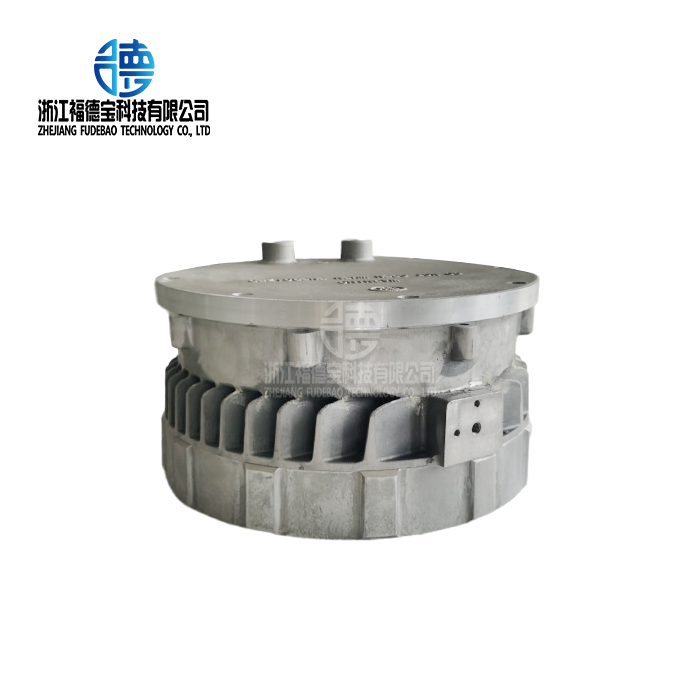
To choose the ideal casting technique, match its talents to the part's demands. Investment casting produces the tightest tolerances and finest surface detail, but it is too expensive for most usage outside of airplanes, where complex forms are needed. X-ray standards need nearly no faults, therefore vacuum casting reduces porosity even further. Strong, leak-proof, and simple parts are best made with low-pressure casting. It suits automotive wheels, EV motor housings, and industrial pump bodies. Sand cores provide interior apertures and undercuts that fixed mold gravity casting cannot. Designers can incorporate extra heat management features.
Selecting and Procuring Low Pressure Casting Services and Equipment
Essential Supplier Qualifications
A basic symptom of process control discipline is procurement personnel checking manufacturing partners' ISO 9001 quality management certification. IATF 16949 clearance is needed for automotive tier-one providers to demonstrate PPAP, FMEA, and control plan compliance. For some jobs, aerospace purchasers need AS9100 and NADCAP certification. Check the foundry's licenses and in-house talents. Does it regulate freezing, heat treatment, and machining? Integrated operations simplify planning and clarify responsibilities. Ask for documentation that the company has a spectrometer for inspecting arriving materials, X-ray or CT scanning technologies for internal checks, and climate-controlled CMM rooms for size verification.
Equipment and Technology Considerations
Older casting machines lack customizable pressure curves, automated ladling, and real-time mold temperature tracking. Check your sources' furnaces for automated metal level management and degassing to maintain melt quality. H13 alloy tool steel molds with the best cooling ducts can withstand frequent temperature fluctuations and stay longer. Robotic part extraction and automated trimming rooms demonstrate that production can achieve output commitments. Check the provider's mold creation and simulation skills. Modern foundries employ filling simulation software and low-pressure casting machines to discover the optimal gate location and forecast shrinkage before cutting steel, reducing the amount of development reruns.
Strategic Sourcing Best Practices
Sharing technical needs such alloy specifications, mechanical property targets, important measurements, and inspection standards is the first step to a healthy partnership. Early 3D CAD models assist get accurate prices and identify casting issues before buying equipment. Discuss example approval criteria. Is Level 3 paperwork enough, or does your application need Level 4 with full measurement inspection reports? Discuss capacity-sharing. Can the foundry provide your program tools at peak demand? Suppliers can respond faster to technical and quality changes if they are close. Global sourcing may be cheaper for dependable, high-volume projects. Make explicit guidelines on who owns the tools, how pricing will fluctuate annually, and minimum order amounts to minimize arguments.
Best Practices and Optimization Tips for Low Pressure Casting in B2B Procurement
Process Parameter Control for Quality Enhancement
Stable casting requires careful temperature, pressure, and time management. Metal flexibility and feeding ability depend on melting point. For instance, A356 alloy flows between 710°C and 740°C, with improved control within ±5°C for repeatability. The pressure-rise curve shape greatly affects defect development. Increasing too rapidly causes turbulence; increasing too slowly causes cold closes in thin portions. Leading foundries repeatedly optimize pressure profiles for each item. They may employ multi-stage curves to vary filling rate as metal goes through the mold. The mold needs even temperature since hot regions shrink locally and cold places fill partially. Using infrared thermal imaging during production setup found temperature variances that necessitate cooling channel adjustments.
Advanced Quality Assurance Techniques
Smart consumers need more proof than dimensional and mechanical testing. Helium mass spectrometry detects leaks and pinholes smaller than porosity. This is crucial for fluid-holding housings. Unlike x-rays, ultrasonic examination may detect faults below the surface in thick objects. Instead of test bars, request mechanical test coupons cut from structural low pressure casting pieces. This ensures production process parameters satisfy requirements. Set up guidelines for incoming inspections that verify critical measurements, and undertake destructive tests regularly to ensure the inside is sound. Traceability technologies that link heat figures to casts can assist diagnose field issues.
Sustainability and Circular Economy Integration
As firms commit to carbon reduction objectives, purchase decisions become more environmentally conscious. Aluminum's recyclable nature makes it sustainable. Primary manufacturing consumes 95% more energy than secondary alloy casting. Find out how various suppliers sift and recover waste to ensure contamination-free recycled material. Electric melting furnaces powered by sustainable energy eliminate fuel emissions in modern foundries. Water-based mould treatments have replaced solvent-based ones, making workplaces safer and reducing VOC emissions. Environmental protection helps organizations accomplish their social responsibility goals and reduces costs by using resources and energy more efficiently.
Conclusion
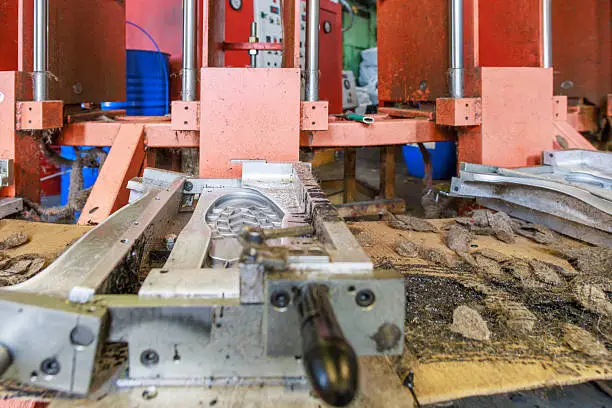
Professional abilities, quality methods, and cooperation are key to finding the ideal lightweight structural casting manufacturing partner. The controlled-pressure approach provides structural integrity and mechanical qualities for safety-critical aviation, automobile, industrial machinery, and electrical equipment applications. Engineers and buying teams chose processes based on their key benefits, such as improved feeding, reduced turbulence, and heat treatment compatibility. Buyers compare providers based on certification requirements, tool sophistication, and process control maturity to establish connections that deliver consistent quality and support long-term program success.
FAQ
What aluminum alloys work best for structural low pressure casting?
A356 (AlSi7Mg0.3) is the most often used structural metal because it is easy to cast, moderately strong, and reacts well to T6 heat treatment. After treatment at 540°C and artificial aging, this metal possesses tensile strengths exceeding 280 MPa and is flexible enough for dynamic loading. A357 is more pure and is used in aircraft uses that need the best mechanical properties and fatigue resistance for structural low pressure casting. Secondary recovered alloys like 319 are robust and cost-effective for less demanding production applications.
Can this method accommodate small production batches economically?
Tool cost makes medium to high numbers likely, although the method is versatile enough to handle smaller runs cheaper than high-pressure die casting. Permanent cast production costs 10,000 to 50,000 units, depending on complexity. Some foundries employ mold bases with interchangeable hole inserts. This cuts small-project casting costs. Compared to sand casting, which requires a lot of machining, they can compete on cost even at low numbers since they don't need massive feeds and can create many pieces.
How does lead time compare to other casting methods?
Initial tooling development takes 8–12 weeks for low-pressure permanent molds. This is longer than sand patterns but similar to gravity casting tooling. Each part takes 3–8 minutes, faster than high-pressure die casting but slower than investment casting. Once manufacturing is established, shipment wait times depend more on batching and downstream machining than on casting time.
Partner with Fudebao Technology for Precision Aluminum Casting Solutions
Fudebao Technology is a prominent aluminum foundry vendor to North American automakers, military firms, and industrial equipment manufacturers. Our integrated facility features CNC machining centers, precision finishing equipment, and low pressure casting machines. We can provide products from molten metal to completed parts with tolerances of ±0.05mm. We update PPAP documentation and specialize in heated A356 and A357 metals for structural usage. Whether designing EV motor housings, chassis parts, or industrial pump bodies, our technical team collaborates from design to manufacturing optimization. Contact Hank Shen at hank.shen@fdbcasting.com to discuss your lightweight structural casting needs and how our proven processes may satisfy your project quality and reliability criteria.
References
American Foundry Society (2021). Aluminum Casting Technology: Permanent Mold and Low Pressure Processes. AFS Technical Publications, Schaumburg, IL.
Campbell, J. (2015). Complete Casting Handbook: Metal Casting Processes, Metallurgy, Techniques and Design. Butterworth-Heinemann, Oxford, UK.
Kaufman, J.G. and Rooy, E.L. (2004). Aluminum Alloy Castings: Properties, Processes, and Applications. ASM International, Materials Park, OH.
SAE International (2019). Automotive Aluminum Casting Alloys: Performance and Specifications. SAE Technical Standards, Warrendale, PA.
Tenaglia, R.D. and Moore, K.L. (2017). "Process Optimization in Low Pressure Permanent Mold Casting." Modern Casting Magazine, Vol. 107, No. 8, pp. 32-37.
Zhang, L. and Dantzig, J.A. (2016). "Modeling of Mold Filling and Defect Formation in Low Pressure Casting." Metallurgical and Materials Transactions B, Vol. 47, pp. 2552-2564.



YOU MAY LIKE
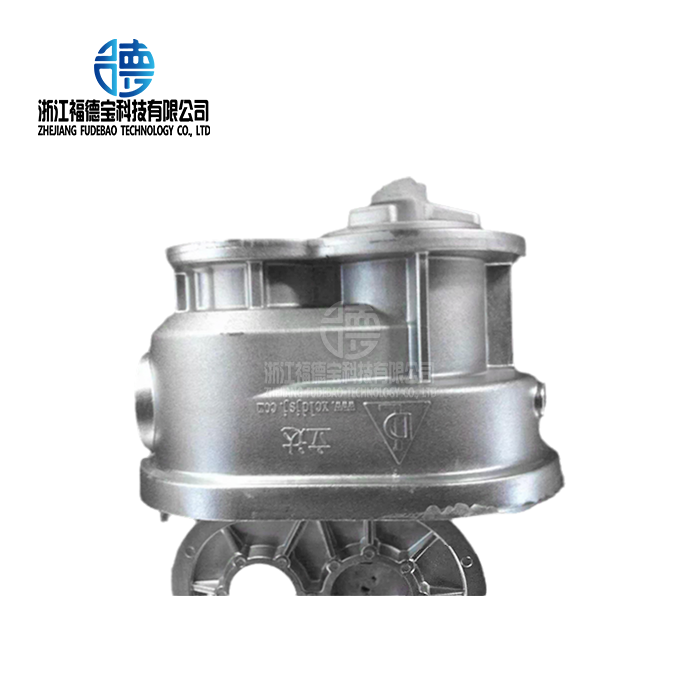
_1756348356531.webp "Automobile engine oil pan")