
Why Copper Casting Is Widely Used in Electrical and Thermal Systems
2026-06-02
Copper casting has become the standard for components that need high electrical conductivity and thermal dissipation. This advanced metallurgical method pours molten copper alloys into precision molds to create complicated pieces that are too expensive to mill from solid stock. The electrical and energy sectors rely on these castings because they solve three critical engineering challenges: minimal resistance in high-current pathways, rapid heat transfer in thermally demanding environments, and long-term dimensional stability under thermal cycling. These performance characteristics directly affect system efficiency and operational longevity.
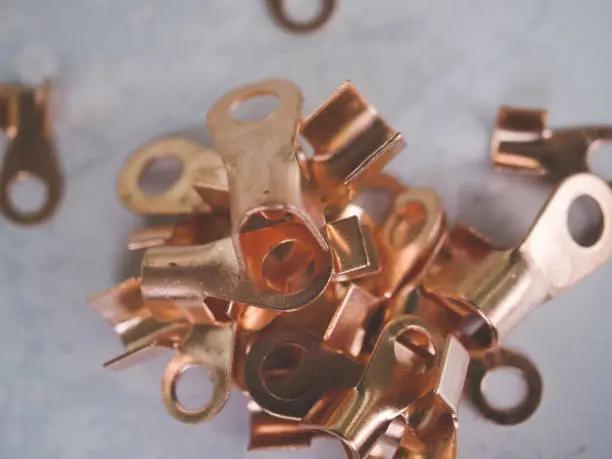
Understanding Copper Casting and Its Unique Advantages in Electrical and Thermal Applications
What Defines High-Performance Copper Alloy Casting?
Controlled solidification in designed molds turns molten copper into finished components. Copper casting has an atomic structure with 60% better electron mobility than aluminum, reducing electrical energy losses. Going from aluminum to cast copper terminals in power distribution equipment decreases resistive heating by 40-50%, extending equipment life and reducing cooling needs.
Material Properties That Drive Industrial Adoption
Copper's superior thermal conductivity (385 W/m·K) over aluminum's 205 W/m·K is its most significant benefit. Copper castings are unbeatable in applications that need precise component temperature control due to their near-doubling heat transfer capabilities. The material's protective patina coating resists corrosion, making it ideal for outdoor electrical infrastructure exposed to rain and airborne pollutants. High-conductivity copper has 220 MPa tensile strength, whereas specialist aluminum bronze variations approach 750 MPa, allowing engineers to balance electrical performance and structural requirements.
Alloy Selection Strategy for Specific Applications
Tellurium copper grades of 0.4-0.7% tellurium improve machinability without affecting conductivity, making them excellent for post-casting precision machining of connection housings. Beryllium copper alloys have spring-like characteristics and conductivity, making them popular in electrical connections that flex. Electrical engineers choose C10100 (oxygen-free electronic copper) for bus bars and transformer windings where absolute maximum conductivity is needed, justifying its higher material costs by performance improvements. The working environment affects alloy selection—chloride exposure favors cupronickel grades, while high-temperature applications benefit from chromium copper's softening resistance.
Step-by-Step Copper Casting Process Specialized for Electrical and Thermal Components
Melting and Degassing Protocols
The copper casting production process begins with finely regulated melting in induction or resistance furnaces at 1150-1250°C depending on alloy composition. The biggest fault risk is hydrogen gas absorption during melting, which causes porosity that threatens electrical and mechanical integrity. With nitrogen or argon purging and phosphor copper deoxidizers that chemically bind dissolved gases, we degas. Proper temperature management is crucial during pouring, as excessive superheat can lead to mold erosion and gas pickup, while inadequate temperature can lead to premature solidification and incomplete mold filling.
Mold Design and Casting Method Selection
Complex electrical housings and specialized thermal components are still made using sand casting, which allows for interior cooling channels and mounting features. Investment casting achieves ±0.5mm tolerances without additional machining, providing improved surface polish and dimensional precision for smaller connector bodies and complicated heat sink designs. Die casting is ideal for high-volume manufacture of standardized electrical fittings, although tool costs demand quantity orders of 5,000 pieces. Centrifugal casting produces dense cylindrical items like motor end rings and bearing components by eliminating centerline porosity and segregation flaws.
Quality Control and Finishing Operations
Directional solidification provides stepwise freezing from thin parts to risers, eliminating important conducting route shrinking voids. Safety-critical components are radiographed for internal soundness after visual assessment for surface flaws. Machine tolerances are 1.5mm to 6mm per surface, balancing material economy and assured cleaning to brilliant metal finish. After casting, heat treatment can improve electrical properties—solution annealing of beryllium copper at 800°C and aging at 315°C optimizes hardness and conductivity. Nickel plating and tin coating improve electrical system corrosion resistance and solderability.
Comparing Copper Casting to Alternative Metal Casting Methods in Electrical and Thermal Industries
Performance Metrics Across Material Options
Aluminum castings cost 60-70% less than copper castings and cut weight by 67%, making them popular in vehicle thermal management, where mass reduction increases fuel economy. Aluminum's weaker conductivity requires bigger cross-sections to carry similar current, offsetting size advantages. Brass castings have better machinability and conductivity for low-current applications such fluid heating valve bodies, but their 30-40% zinc concentration lowers thermal performance compared to pure copper. Bronze alloys are good in wear-resistance but poor at conductivity—a tin bronze bushing transmits 15% as well as copper, limiting its utility to mechanical applications.
Casting Versus Wrought Processing Trade-offs
Plastic deformation gives forged copper components better grain structure and mechanical robustness, making them ideal for vibration-exposed high-stress electrical connections. Casting is cost-effective when parts include undercuts, internal channels, or geometries that need considerable wrought stock machining. We found that components with complexity index over 4.0 (machining time to casting production time) merit casting even at lower production quantities. Tooling amortization must be included in the break-even analysis—die casting needs 2,000-unit minimum runs, while sand casting is cost-effective at 50 pieces.
Procurement Considerations for B2B Buyers of Copper Castings
Supplier Qualification and Certification Requirements
Reputable manufacturers demand ISO 9001 quality processes. Copper casting electrical component suppliers must meet ISO/TS 16949 automotive or AS9100 aerospace requirements, depending on end-use industry. Material traceability is crucial, and each casting lot should have mill papers with chemical composition and spectrometric analysis. We propose checking suppliers' incoming material controls to ensure they use licensed refineries for copper cathode rather than recycled waste with uneven composition. NSF/ANSI 61 requires RoHS-compliant lead-free alloys for potable water contact applications, influencing procurement considerations.
Lead Time Planning and Order Quantity Optimization
Pattern or tooling creation takes 3-5 weeks before first-article production, therefore early supplier involvement is crucial for new product launches. Sand castings take 4-6 weeks, whereas die casting takes 8-12 weeks but allows weekly replenishment once tooling is available. Investment casting requires 100-500 units, die casting requires 1,000-5,000 pieces to justify tool price, and sand casting allows 25-50 pieces. Strategic purchasers secure attractive pricing and inventory flexibility with blanket purchase orders and planned releases.
Cost Structure Analysis and Negotiation Leverage
Material accounts for 40-60% of casting costs, and copper commodity pricing affects bids. Copper futures contracts help hedge price volatility on big programs. Switching from C10100 oxygen-free copper to C14500 tellurium copper decreases material cost by 15% while retaining 95% conductivity, an acceptable trade-off for many non-critical applications. Investment casting costs 2-3 times more per piece than sand casting, but it avoids machining procedures that would otherwise eat the price difference. Combine numerous pieces into one complicated casting minimizes assembly work, a value-engineering strategy that justifies higher piece costs by lowering overall cost.
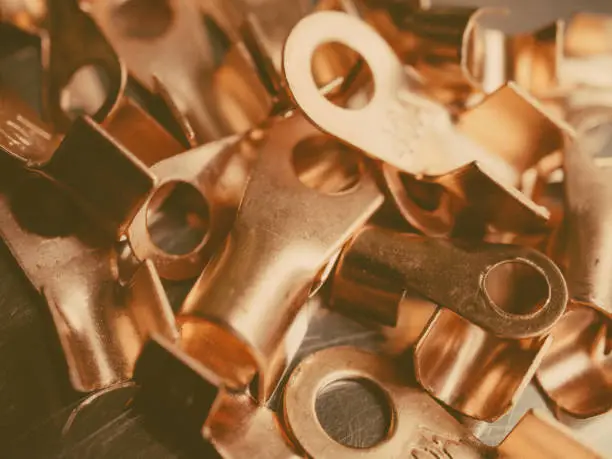
Applications of Copper Casting in Electrical and Thermal Systems – Use Case Insights
Power Distribution and Transmission Infrastructure
Electrical utilities use copper casting for switchgear terminals, circuit breakers, and grounding devices because connection integrity affects grid dependability. Replacement of manufactured copper bus bars with precision-cast ones eliminated mechanical joints that caused resistance, improving efficiency by 22% in a transformer manufacturer case study. The enhanced current-carrying capability permitted compact substation designs, lowering installation footprint by 18%. Cupronickel alloy castings withstand chloride corrosion in seawater settings where stainless steel pits after 5-7 years, benefiting marine electrical systems.
Thermal Management in Automotive and Aerospace
Electric car battery thermal management systems increasingly use cast copper cold plates, achieving ±2°C cell temperature homogeneity across packs due to their thermal conductivity. This precise temperature management enhances battery life by 30-40% over aluminum alternatives, justifying the material premium by lowering lifetime costs. Aluminum bronze castings offer 70% of copper's thermal performance at 60% less weight, making them ideal for aviation heat exchangers and electronic cooling systems where thermal performance and mass limits are important.
Industrial Equipment and Renewable Energy Systems
Wind turbine generators use cast copper rotor end rings and stator windings for low electrical resistance and power generating efficiency. Over 20 years, a 3-MW turbine utilizing optimized copper castings delivers 45 MWh more yearly production than aluminum counterparts, resulting in considerable revenue gain. Solar thermal concentrator systems use cast copper receiver tubes because they can tolerate 400°C operating temperatures and retain heat transfer efficiency, more than any other material.
Conclusion
Copper casting's unequaled conductivity, thermal performance, and production adaptability explain its ubiquitous use in electrical and thermal systems. These components answer performance issues that other materials cannot cost-effectively solve for automotive, industrial machinery, electrical infrastructure, and aerospace engineers. Casting allows complicated designs that maximize electrical channels and thermal control in integrated components. Higher demand for high-performance copper castings is driven by worldwide energy efficiency requirements and renewable energy growth. Effective operating efficiency, prolonged service life, and decreased system-level complexity offset initial material costs for strategic procurement teams. This research shows why copper casting is preferable for mission-critical electrical and thermal applications because to its technological benefits.
FAQ
How does copper casting maintain conductivity compared to wrought copper?
A suitably degassed and hardened copper casting has 95–98% the electrical conductivity of wrought copper. The casting's porosity causes the little drop. Vacuum-assisted pouring and controlled solidification allow high-quality producers to make parts that exceed all but the tightest conductivity criteria, which need oxygen-free wrought copper.
Can copper castings withstand high-temperature electrical applications?
Electrolytic copper is strong up to 200°C, while chromium copper and other special kinds are 400°C. Copper resists thermal cycling due to its modest thermal expansion. Copper parts don't bend or expand when heated and cooled repeatedly, unlike aluminum parts in high-cycle usage.
What surface treatments improve copper casting performance?
Nickel plating prevents tarnishing and makes electrical assembly solderable. Tin is used to prevent corrosion in wet areas. Conformals prevent metals from air oxidation and maintain electrical contact purity. Treatment varies on assembly needs and working circumstances. Our technical staff can offer application-specific advice.
Partner With a Certified Copper Casting Manufacturer for Your Critical Components
Zhejiang Fudebao Technology makes quality copper castings for demanding electrical and thermal applications worldwide. At our integrated facility, we use low-pressure casting and high-speed CNC machining centers to produce components with ±0.05mm tolerances from molten metal. Our AS9100 accreditation equips us for aerospace applications demanding sophisticated inspection processes, and we satisfy automotive tier-1 suppliers' PPAP paperwork needs. Our technical team works with your design team to maximize manufacturability and performance for maritime electrical system aluminum bronze housings, high-conductivity copper bus bar castings, and sophisticated thermal management components. Talk to hank.shen@fdbcasting.com about your copper casting supplier needs and get thorough technical offers from our 15 years of metallurgical experience serving international OEMs.
References
Davis, J.R., ed. "Copper and Copper Alloys: ASM Specialty Handbook." ASM International, Materials Park, Ohio, 2001.
American Society for Testing and Materials. "ASTM B584-19: Standard Specification for Copper Alloy Sand Castings for General Applications." ASTM International, West Conshohocken, Pennsylvania, 2019.
Copper Development Association. "Copper Casting Alloys: Properties and Applications in Electrical Engineering." CDA Publication No. 117, New York, 2018.
Beeley, P.R. "Foundry Technology: Second Edition, Chapter 12 - Copper-Base Alloy Casting." Butterworth-Heinemann, Oxford, United Kingdom, 2001.
International Copper Association. "Thermal Management Systems: Copper's Role in Energy-Efficient Design." ICA Technical Report Series, Brussels, Belgium, 2020.
Campbell, J. "Complete Casting Handbook: Metal Casting Processes, Metallurgy, Techniques and Design." Butterworth-Heinemann, Oxford, United Kingdom, 2015.



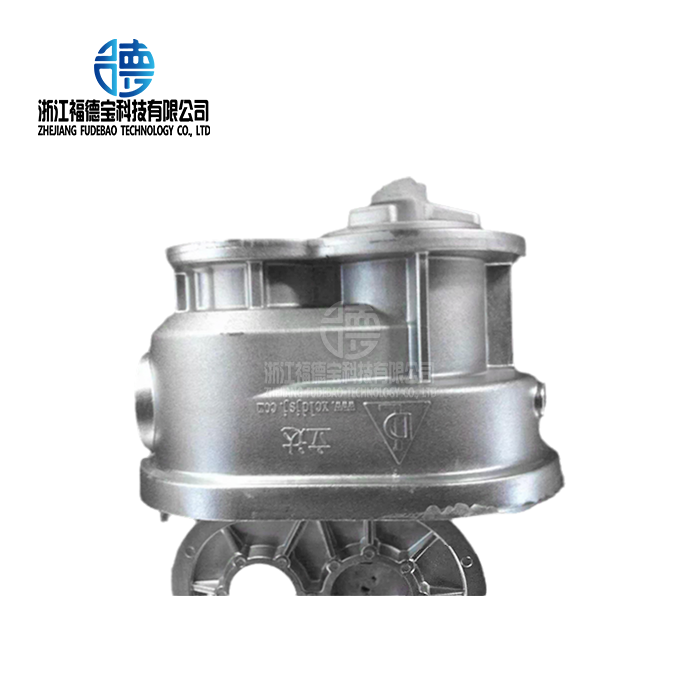
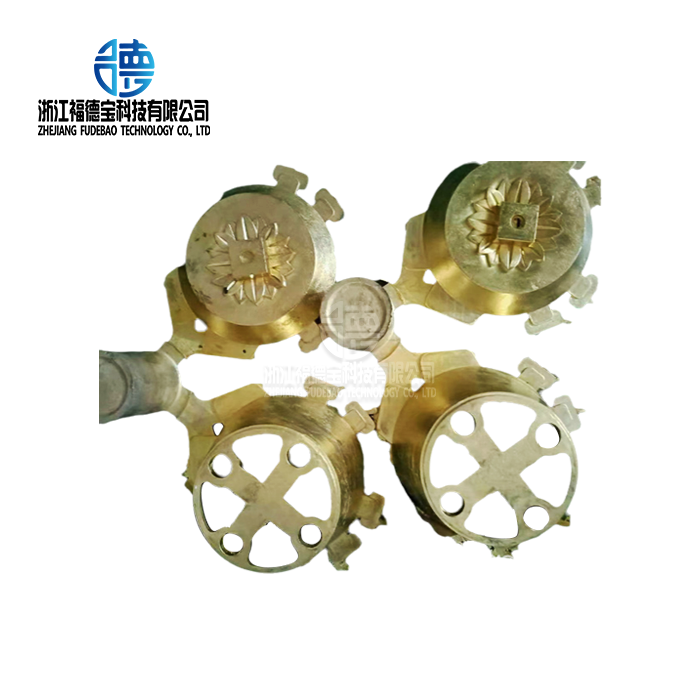
_1756352822273.webp "Stainless steel plugs")
_1756352625880.webp "plug stainless")
_1756349957728.webp "metric v belt pulley")
_1756348780785.webp "porting turbo compressor housing")