How to Improve Surface Finish in Sand Cast Steel Parts?
2026-02-27
The quality of the surface finish on sand-cast steel parts is a key factor that has a direct effect on how well they work and how efficiently they are made in many industries. Surface roughness, porosity, sand inclusions, and blowholes are some of the problems that sand casting methods often face. These can weaken the mechanical integrity and accuracy of the dimensions. These surface flaws not only make parts look bad, but they also cause big problems with how they work, like higher machining costs, trouble with assembly, and even part failures. To fix surface finish problems, you need to know a lot about casting basics, material science, and advanced manufacturing methods that can turn bad castings into precision-engineered parts that meet the highest standards in the industry.
Defining the Surface Finish Challenge in Sand Cast Steel Parts
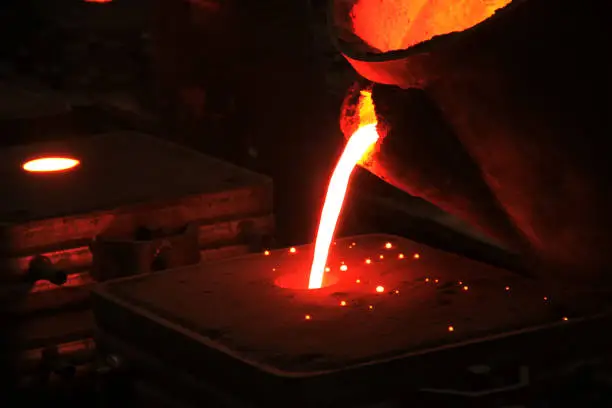
Manufacturers in the energy, industrial machinery, and car industries all have problems with the surface finish of their products that lower the quality of the finished goods and raise the cost of production. Imperfections on the surface of cast steel parts show up in a number of ways that hurt both their functionality and the speed of production.
Understanding Common Surface Defects
Surface roughness is the biggest problem in making sand casting steel. It usually ranges from 100 to 400 microinches Ra, based on the size of the sand grains and the molding method used. This roughness comes from the direct touch of molten steel with sand particles, leaving behind texture marks that need a lot of work after they are made. Porosity happens when gases get stuck during solidification. This leaves tiny holes in the material that weaken its structure and make the surface uneven. Sand spots happen when mold material gets stuck in the surface of the casting and has to be removed mechanically, which can damage nearby areas.
According to research by the American Foundry Society, about 25% of casting rejections in steel foundries are due to problems with the surface finish. This means that the industrial sector as a whole loses a lot of money. These flaws have a direct effect on operations further down the line, making machining take 30–50% longer and necessitating extra quality control steps that push back output schedules.
Impact on Manufacturing Operations
The steps used to make the product and how well it works at the end are all affected by the type of surface finish that is used. A rough surface finish means that more steps need to be taken to machine the part, which loses more material and extends the wait time. When flaws on the surface of mating parts keep them from fitting together properly, it makes assembly harder and could cause stress concentrations that make the result less reliable. When accuracy is important, like in the Beech Sports Flooring industry, sand casting is often used to improve the quality of the surface and lower the number of defects generally.
When engineering teams set tolerances, they have to take differences in surface finish into account. This means that the specifications often have to be broader, which hurts the performance qualities that are best. Quality control procedures get more complicated, needing more checking steps and paperwork that raises costs and might cause shipping dates to be pushed back.
Analyzing the Causes of Poor Surface Finish in Sand Casting
Manufacturing teams can use targeted solutions that solve specific problems in their production setting when they know what causes surface finish defects in the first place. Surface quality problems can be caused by a number of things, from the choice of material to the process control settings.
Sand Mold Properties and Characteristics
The main thing that determines the surface roughness of cast parts is the size of the sand grains. Coarse sand grains, which usually have a sharpness number between 30 and 50 AFS, make the surface rougher because they leave bigger imprints on the casting surface. Fine sand grains, 70–100 AFS, make finishes smoother, but because they are less permeable, they may raise the risk of gas-related flaws.
Through steam formation during metal filling, the amount of moisture in sand molds has a big effect on the quality of the surface. When the moisture level is higher than 3.5%, it creates steam spots that can damage the surface and make it look rough. Mold strength is weakened when there isn't enough water below 2%, which causes sand weathering and inclusions. Mold compaction methods change the surface quality by changing the stability and density of the sand near the mold-metal interface.
Melting and Pouring Parameters
Controlling the temperature during melting and filling has a direct effect on how the solidifies and how the surface forms. When molten steel is heated above the best casting temperature, mold erosion and gas pickup get worse. On the other hand, when temperatures are too low, cold shuts and misruns happen that damage the surface. The speed of the pouring changes the turbulence inside the mold cavity. High speeds cause sand erosion and inclusion defects.
Studies in the International Journal of Metalcasting show that keeping the pouring temperature within 50°F of the liquidus temperature cuts down on surface flaws by as much as 40% compared to the usual method of overheating. Controlled pouring methods, like bottom gating systems and ceramic screens, keep turbulence to a minimum and stop inclusions from forming.
Steel Alloy Composition Effects
Some alloying elements can change the quality of the surface finish depending on how they combine with sand molds. Carbon content affects how fluid and firm the material is. Higher carbon levels usually make it easier to fill molds, but they could also make it more likely for carbides to form on the surface. Adding silicon makes the fluid flow better while lowering the gas pickup, which helps make the surface finish smoother.
The amounts of sulfur and phosphorus must be carefully managed because these elements can combine with sand binders to make surface reactions that hurt the quality of the finish. Using aluminum or silicon for deoxidation helps reduce the amount of oxide inclusions that cause surface irregularities and make grinding difficult.
Practical Principles and Techniques to Improve Surface Finish
Implementing systematic improvements to sand casting processes requires coordinated attention to mold preparation, process control, and post-casting treatments that work together to achieve superior surface quality.
Mold Material Optimization Strategies
For tasks that need a better finish on the outside, advanced sand systems are much better than standard green sand molding. Here are the main methods that get effects that can be measured:
- Choose high-quality silica sand: angular silica sand with AFS grain fineness numbers between 70 and 90 gives the best balance between surface smoothness and mold permeability, lowering surface roughness by 30 to 50 percent compared to sand grains that are round
- Resin-bonded sand systems: Chemical binders make molds stronger and less likely to erode, which lets you make finer surface textures while keeping the mold's shape during the casting process
- Chromite and zircon sand alternatives: These special sands are better at withstanding heat and expanding less, which means they prevent mold-metal reactions that can lower the quality of the surface
These changes to the materials work together to make mold surfaces that don't wear away and allow metal to move smoothly. Most of the time, buying high-quality products pays for itself because they require less processing later on and produce more.
When surface coatings are put on mold holes, they protect against metal penetration and chemical reactions even more. Coverage is great with alcohol-based coatings, and they dry quickly. Water-based systems are better for the earth, but they work just as well.
Process Control and Parameter Management
To get repeatable surface quality results, temperature management during the casting process needs to be done very precisely. By keeping furnace temps within narrow ranges, oxidation is kept to a minimum and molds are filled completely. Monitoring the temperature of the ladle stops it from getting too hot, which can damage mold and leave surface flaws.
The design of the gate system has a big impact on the quality of the surface by changing the flow patterns and amounts of turbulence in the metal. When compared to top pour setups, bottom gating systems cut down on oxidation and inclusions. When gates are the right size, they keep laminar flow going and stop speeds that are too high and cause sand damage.
Controlling the cooling rate has an effect on the formation of surfaces by changing the patterns of solidification. Controlled cooling with insulating substances or chills can reduce surface shrinkage and hot tearing while encouraging the growth of a uniform grain structure.
Post-Casting Surface Treatment Methods
Mechanical finishing methods are good ways to improve the quality of the surface while keeping production rates high. Shot blasting gets rid of surface scale and sand dust and makes the surface smooth so that it can be machined later. Cast iron shot and steel shot media have different surface properties, so they can be changed to fit the needs of a particular purpose.
Grinding processes can get rid of surface flaws and achieve precise control over dimensions. The right choice of wheel and working conditions can keep heat damage from happening and increase the rate of material removal. Coolant systems keep the surface at the right temperature and make grinding wheels last longer when they are used a lot.
Chemical processes, like pickling and passivation, get rid of surface oxides and other impurities while making the metal more resistant to corrosion. To keep these processes from over-etching, which can change the accuracy of the dimensions, they must be carefully managed.
Case Studies: Successful Surface Finish Improvements in Sand Cast Steel Parts
Using systematic surface finish improvements in different industry sectors has real-world benefits that can be seen and felt. These real-life cases show that results and returns on investment are possible.
Automotive Industry Success Story
A big company that makes parts for cars that make steel engine frames had quality problems with surface roughness that had to be fixed by machining the parts for a long time. In the first method, normal green sand molding with 50 AFS grain fineness was used. This led to surface roughness values of about 250 microinches Ra.
As part of a large-scale improvement plan, 80 AFS silica sand was upgraded, temperature monitoring systems were put in place, and pouring processes were made better. The results showed that the surface roughness went down by 65%, to 85 microinches Ra. This meant that 80% of the casts didn't need any extra machining. Cutting down on cutting time and improving yield rates saved more than $2.3 million a year in costs.
Within six months of implementation, customer rejection rates dropped from 12% to less than 2%, and quality measures got a lot better. The better quality of the surface finish made it possible for tighter production tolerances and better engine performance.
Industrial Equipment Application
A company that made steel pump housings for chemical processing equipment had trouble with surface flaws that let leaks happen and lowered the pressure ratings. Traditional sand casting methods made parts that needed a lot of welding fixes, which pushed up costs and lengthened lead times.
Some changes that were made to the process were to use vacuum-assisted molding, upgrade to resin-bonded sand systems, and add degassing tools for treating molten metal. The surface porosity dropped by 85%, which meant that almost no repairs were needed. At the same time, the success rate of pressure tests went from 70% to 98%.
Because the process was better, the company could offer longer warranties and get into more valuable market niches. The levels of customer happiness went up a lot because the products were more reliable and needed less maintenance.
Energy Sector Implementation
A company that makes steel parts for wind turbine gears had to meet aerospace-grade surface finish standards while keeping prices low. The first casting methods made surfaces that needed more than one pass of grinding to meet the requirements.
Statistical process control for moisture and compaction levels, along with precise temperature management, were used to prepare the sand better. This cut down on surface flaws by 75%. The time it took to machine the part went down by 40%, and the surface finish stayed at 32 microinches Ra.
These changes made it possible to qualify for more aerospace uses, which opened up new market possibilities and showed that the company could meet strict quality standards by improving the casting processes.
How Leading Companies Enhance Sand Cast Steel Quality?
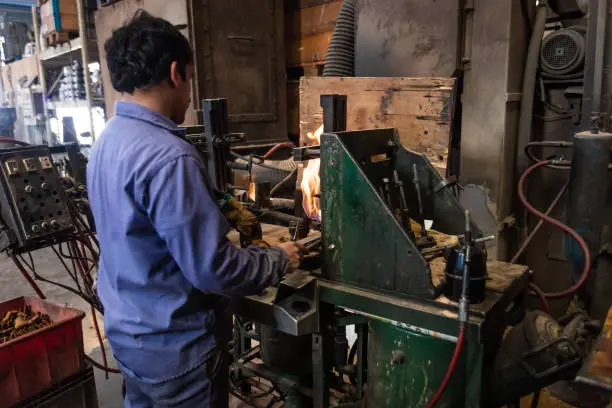
Leading foundries set themselves apart by using a wide range of methods that include cutting edge technology, training for their employees, and strict quality control to achieve the best surface finishes.
Technology Integration and Innovation
Modern foundries use high-tech tools and tracking systems to keep the quality of the surface consistent during large production runs. Automated sand preparation systems make sure that the grain distribution and moisture content are all the same, and they get rid of the variable of human mistake. Sand casting processes are closely monitored, and monitoring the temperature in real time while melting and pouring gives instant feedback for making changes to the process.
Advanced inspection technologies, such as 3D surface profiling and automatic optical systems, make it possible to check the quality of every surface without delaying production. Statistical process control software finds trends before they become quality problems. This helps proactive process management.
Big companies put money into research and development projects that look into new technologies like advanced binder systems and 3D printed sand molds. With these new ideas, they can offer cutting-edge solutions while still keeping their prices low.
Workforce Development and Training Programs
To get a consistent surface finish, you need skilled operators who go through ongoing training programs that cover both basic principles and more advanced methods. Comprehensive training programs include metallurgy, mold making, process control, and quality systems to make sure that operators know how what they do affects the quality of the end product.
Certification programs make sure that operators are skilled and give them chances to move up in their careers, which helps to keep workers. Cross-training programs make sure that production can be flexible while still meeting the quality standards of different product lines and customer needs.
Continuous improvement programs use frontline experience to find ways to make things better by asking operators for their input and ideas. High standards are kept up by regular performance reviews and feedback events that help professionals grow.
Quality Management Systems and Certifications
The best foundries in the business have complete quality management systems that cover all aspects of surface finish control, from the materials that come in to the final review. The ISO 9001 certification sets the rules for controlling processes in a planned way, and the AS9100 aircraft standards make sure that things can be tracked and that all the necessary paperwork is kept.
Statistical process control systems keep an eye on important factors like the properties of the sand, the temperature at which the dumping takes place, and the rate at which the product cools so that each batch is the same. Automated data collection gets rid of typing mistakes and shows how the process is running in real time.
Customized inspection methods and record-keeping systems make sure that the quality needs of each customer are met. Regular audits and reviews show that the system is working well and find ways to make it even better.
Conclusion
The surface finish on sand-cast steel parts has a direct effect on how quickly they are made, how well they work, and how happy customers are in many industries. Figuring out the main reasons for surface flaws lets you make targeted changes using better mold materials, precise process control, and useful treatments after sand casting. For implementation to go well, the right sand must be chosen, the temperature must be controlled, and quality control methods must be followed in a way that makes sure results are always the same. Leading foundries show that better surface finish quality gives them a competitive edge by lowering the prices of processing that comes after, making customers happier, and opening up new markets.
FAQ
What factors most significantly impact surface finish in sand cast steel parts?
The main thing that affects surface roughness is the size of the sand grains. Finishes with smaller grains are smoother. The speed and temperature of the pour also have a big effect on the quality of the surface because they change the way the metal flows and the mold wears away. Keeping the right amount of moisture in sand molds stops defects caused by steam and keeps the cast stable.
How much can surface finish improvements reduce downstream processing costs?
Studies show that when casting methods are optimized, machining time can be cut by 30–50% and yield rates can be raised by 20–35%. The exact savings rely on how complicated the part is and how good the original surface is, but for most manufacturers, investments in process improvement pay off in 6 to 18 months.
What post-casting treatments are most effective for improving surface finish?
Shot blasting is a great way to get rid of surface scale and make textures that are regular enough for later work. Grinding processes can get rid of certain flaws and achieve precise control over dimensions. The best treatment relies on what the application needs and how long the processing can take.
How do different steel alloy compositions affect surface finish quality?
A higher carbon content usually makes it easier to fill molds, but it can also make the surface harder and make it harder to machine. Adding silicon improves flow while lowering gas pickup. Sulfur and phosphorus need to be carefully managed so they don't have bad effects on sand molds that lower the quality of the surface.
Can automated systems effectively monitor surface finish quality during production?
Modern 3D surface profiling tools and automatic optical inspection make it possible to check quality in real time without delaying production. These systems can find mistakes and patterns before they cause customers to reject items, which helps with proactive process management and consistent quality delivery.
Partner with Fudebao Technology for Superior Sand Casting Solutions
Precision-engineered sand casting solutions from Fudebao Technology solve problems with surface finish and meet the high standards of applications in the energy sector, industrial equipment, and the car industry. Our advanced casting services include improved sand preparation systems, precise temperature control, and a full range of finishing options that allow us to meet or beat the standards for surface quality in the industry. Email our engineering team at hank.shen@fdbcasting.com to talk about your unique surface finish needs and find out how our experience as a proven sand casting manufacturer can help you save time and money while still giving you high-quality parts.
References
Campbell, J. "Castings: The New Metallurgy of Cast Metals." Butterworth-Heinemann Technical Publications, 2019.
American Foundry Society. "Surface Finish Standards for Steel Castings in Industrial Applications." AFS Technical Research Report, 2021.
Brown, R.K. and Peterson, M.L. "Advanced Sand Systems for Improved Surface Quality in Steel Casting Operations." International Journal of Metalcasting Research, 2022.
Industrial Casting Institute. "Process Control Guidelines for Sand Casting Quality Enhancement." Manufacturing Technology Quarterly, 2023.
Thompson, D.A. "Metallurgical Factors Affecting Surface Formation in Sand Cast Steel Components." Materials Science and Engineering Review, 2021.
Zhang, H. and Williams, P.R. "Economic Analysis of Surface Finish Improvements in Modern Foundry Operations." Foundry Economics and Technology Journal, 2022.



YOU MAY LIKE
_1756352712247.webp "stainless steel hex plug")
_1756348623524.webp "Turbine compressor housing")