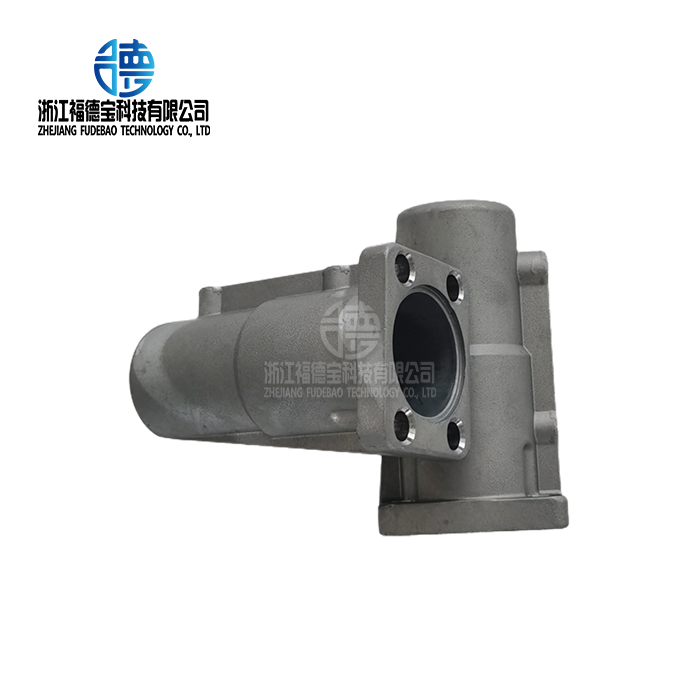
Aluminum Die Casting vs Sand Casting: Which Is Better?
2026-02-27
When it comes to choosing between aluminum die casting and sand casting, the answer relies on your specific needs and production goals. Aluminum die casting works best for large-scale production where exact measurements and high-quality finishes are very important. This makes it perfect for making electronics housings and parts for cars. For bigger, more complicated parts that only need to be slightly off, sand casting is a more flexible and cost-effective option, especially for industrial machines. Which of these industrial methods you choose should depend on how much you need to make, your budget, your quality standards, and your deadlines.
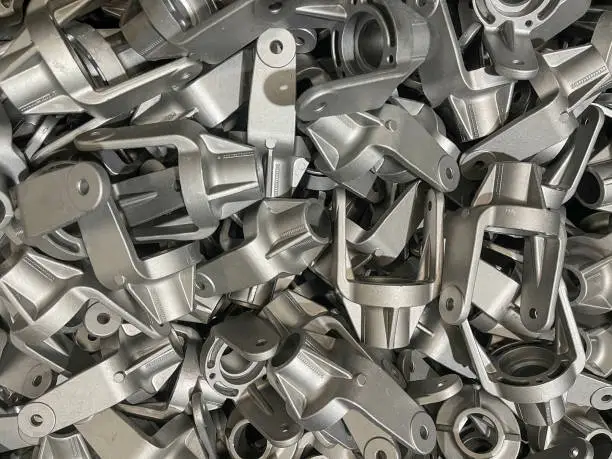
Understanding Aluminum Die Casting and Sand Casting
There are two main casting methods used in modern manufacturing. Each one is meant to deal with a different set of production problems and application needs. The way these processes work, the tools they need, and the results they produce are all very different, which is why choosing the right process is so important for procurement professionals.
Aluminum Die Casting Process Fundamentals
In aluminum die casting, liquid aluminum alloy is pushed into precise steel molds under a lot of pressure, usually between 1,500 and 25,000 psi. Specialized equipment is used in this process to press metal into complex mold holes. This makes parts that are very accurate in their dimensions and have smooth surfaces.
The process works with different aluminum alloys, like A380, A383, and A413. Each has its own mechanical qualities and level of resistance to corrosion. High-pressure injection makes it possible to make thin-wall sections and complicated geometries, and fast cooling cycles make sure that the metal's properties stay the same throughout the casting.
Die casting is great for high-volume production because it is very repeatable and doesn't need much extra machining. Tolerances of within ±0.1mm and surface roughness values as low as 1.6 micrometers are common with this method, which meets strict standards in the electronics and automotive industries.
Sand Casting Process Overview
Sand casting uses molds that are made from sand mixtures and can be thrown away. Molten aluminum flows into the holes made by the designs that can be thrown away. Through core placement and multi-part mold building, this traditional but flexible method can handle almost any part size and internal geometry.
Green sand, resin-bonded sand, or ceramic shell methods are used in the process. Each has its own benefits for different uses. Sand molds naturally expand and contract with temperature changes, which lowers stress-related flaws and lets you cast large structure parts that are too big for die casting.
Sand casting gives designers a lot of freedom when it comes to making changes at the last minute and making prototypes without having to spend a lot of money on tools. The process works well for low to medium production volumes and can be used to make cost-effective solutions for particular tasks that need special shapes or materials.
Comprehensive Comparison of Aluminum Die Casting vs Sand Casting
To make smart choices about manufacturing that balance cost, quality, and production efficiency, procurement teams need to compare performance in great detail. By understanding these important differences, you can make sure that the casting method you choose is in line with your operational goals.
Production Efficiency and Cycle Times
Die casting is a very efficient way to make things because it uses automation and quick cycle times. Depending on the complexity and size of the part, it can usually be finished in 30 seconds to two minutes. Automated systems allow production to happen 24 hours a day, 7 days a week, making the best use of tools and meeting tight delivery dates.
Due to the need to prepare the mold, cure, and cool the casting, the cycle time for sand casting is longer. Typical cycle times range from a few hours to days for complex parts. However, multiple parts can be made at the same time in the same mold, which might make up for longer cycle times for some uses.
Because die casting is automated, it requires less work and less chance of mistakes being made by humans. Sand casting, on the other hand, relies more on skilled workers to prepare the mold and check the quality. These things have a big effect on the general cost of production and the reliability of deliveries.
Cost Structure Analysis
The initial investment needs for these manufacturing methods are very different, which affects the project's economics and the factors used to choose a supplier. Die casting requires big investments in the tools that are used. For example, precision steel molds can cost anywhere from $10,000 to $100,000, based on how complicated they are and what size they need to be.
Patterns and molds for sand casting aren't too expensive, which makes it a good choice for testing, low-volume production, and parts that need to be changed often. The lower barrier to entry makes it easier for smaller suppliers to compete and gives customers more options for custom uses.
Due to short cycle times and low finishing needs, die casting is cheaper per unit for high-volume production. Sand casting, on the other hand, is cheaper for specialized uses, large parts, and production runs below 10,000 pieces per year.
Quality and Precision Characteristics
Dimensional accuracy is a key difference between these methods that has a direct effect on how much assembly is needed and how much secondary machining costs. Tolerances in die casting are always within ±0.1mm, and in some cases they can be as low as ±0.05mm thanks to improved process control and tooling design.
Tolerances in sand casting are usually between ±0.5mm and ±2.0mm, but this depends on the size and complexity of the casting. While these tolerances are fine for many industrial uses, they usually mean that more work needs to be done to get precise interfaces and key dimensions.
Die casting produces smooth surfaces that don't need much post-processing, so surface finish quality is strongly favored. Sand casting surfaces have rougher textures that need to be smoothed out with shot blasting, machining, or coatings to meet the needs of both look and function.
Application Suitability: When to Choose Which Casting Method?
The choice of casting method is based on the needs of the product and the industry. Each process has its own benefits for certain uses. When procurement workers understand these uses, they can make sure that the products they choose meet performance needs and cost goals.
Automotive Industry Applications
Automobile companies use aluminum die casting a lot for engine parts, transmission housings, and structural pieces that need to be made with tight tolerances and be light. The process meets the strict documentation standards of PPAP and provides consistent quality for applications that need to be safe.
Die casting makes it possible to make complicated internal pathways and mounting features in parts like engine blocks, cylinder heads, and intake manifolds with few extra steps. The automotive business needs a lot of parts, and die casting is the best way to make them quickly and cheaply.
For car uses that need bigger parts or special alloys that die casting can't handle, sand casting is the way to go. For flexibility and low cost, sand casting is often used for heavy-duty truck parts, big housing assemblies, and prototype development.
Industrial Machinery and Equipment
Sand casting is often used by companies that make industrial equipment to make pump housings, compressor parts, and gearbox systems that need to be thick and have complicated internal shapes. Large sizes can be made with this method, and the material has great qualities for tough uses.
Because sand-cast parts are resistant to heat and have high material strength, they can be used in high-temperature situations and under heavy loads. Being able to use complex core systems lets you make complicated internal pathways for cooling and fluid flow.
Die casting is used in industries that need precisely machined interfaces, electronic housings, and parts where accuracy in size is very important. The better surface finish and ability to accommodate tolerances cut down on assembly time and make the tools work better overall.
Aerospace and Electronics Applications
When it comes to aerospace parts, quality control and material tracking are very important. Depending on the needs, both methods can work. Die casting is used for things that need to be built quickly and with complicated shapes, while still meeting high quality standards and certification needs.
For EMI protection, heat dissipation, and precise mounting, die casting is the best choice for electronics. The process makes thin-wall sections and intricate details that are needed for modern housings for electronics and methods for managing heat.
Key Considerations for Global B2B Procurement
To make sure that global procurement strategies work, suppliers' skills, geographical benefits, and quality systems need to be carefully looked at. When choosing between suppliers for critical uses, these things become even more important when choosing between aluminum die casting and sand casting.
Supplier Evaluation Criteria
For casting partnerships to work, suppliers must be thoroughly evaluated in terms of their technical skills, quality systems, and output capacity. Die casting suppliers need to spend a lot of money on capital equipment, which shows that they are financially stable and committed to new production technologies.
Quality certifications like ISO 9001, TS 16949, and AS 9100 show that you can manage quality in a planned way and follow the rules for your business. For uses in the auto, aerospace, and medical device fields that need strict paperwork and traceability, these certifications become very important.
output capacity and scalability are very important for long-term partnerships, especially when demand changes or when output needs to be ramped up. Suppliers should be able to work with different batch sizes while keeping quality standards the same across all number ranges.
Geographic Sourcing Advantages
Being close to manufacturing hubs can save you a lot of money on logistics costs, shorten wait times, and make communication easier. Regional suppliers are better able to adapt to changes in engineering, problems with quality, and urgent supply needs, and they also lower the risks that come with transportation.
Cultural and linguistic compatibility makes technical conversation and project management go more smoothly, reducing misunderstandings and making teamwork more effective overall. Local providers usually know more about the quality standards and rules that apply to their area, which helps make sure that products meet those standards.
Geographic diversification and local sourcing strategies make supply chains more resilient by making them less dependent on a single area and lowering the risks that come with trade disruptions, natural disasters, or political instability that affects international shipping.
Customization and Prototyping Services
Sellers of advanced aluminum die castings offer extra services like design advice, help with prototyping, and finishing work that make the buying process easier and make managing sellers simpler. When making complicated projects that need more than one step, these all-around skills come in very handy.
Rapid prototyping speeds up the process of developing new products and making sure that designs work. This helps with innovation projects and meeting competitive time-to-market needs. When a supplier offers both sand casting for prototypes and die casting for production, the change from the research phase to the production phase is smooth.
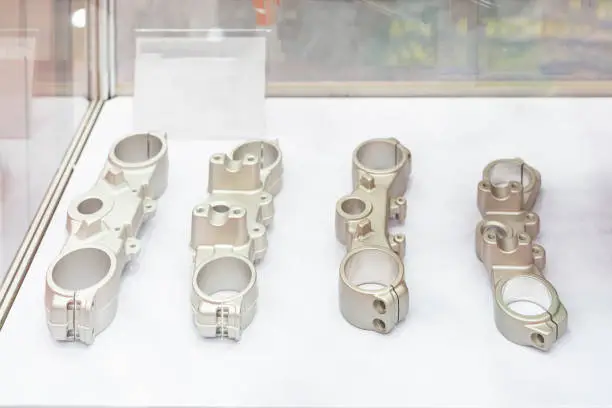
Company Introduction and Our Aluminum Die Casting Solutions
Zhejiang Fudebao Technology Co., Ltd. has become a leader in China's aluminum foundry business by focusing on casting aluminum alloys, copper alloys, and stainless steel for decades and also having the ability to do precise cutting. Our wide range of manufacturing skills helps customers around the world in the aerospace, industrial equipment, machinery production, and automotive industries.
Advanced Manufacturing Capabilities
Core equipment in our state-of-the-art facility includes high-speed machining centers, CNC lathes, low-pressure casting machines, and advanced die casting systems. These tools help with the whole manufacturing process, from melting the metal to treating the surface. With this integrated method, everything from raw materials to finished parts can be delivered in one place, and tolerances of up to ±0.05mm can be met.
With its wide range of production options, including "melting-casting-finishing-surface treatment," the plant can keep quality high at all stages of production, eliminating the need for multiple supplier relationships. Our high-tech tools and skilled workers always make parts that meet the exact needs of aerospace uses, medical equipment housings, and precision parts for cars.
We have direct supply agreements with foreign brands like American HAAS automation machine tools and ESS energy storage batteries. These show that we can meet the high quality standards and delivery requirements set by global OEMs and tier-one suppliers.
Quality Systems and Certifications
Fudebao Technology has full quality management systems that are made to work with the toughest business applications and government rules. We use advanced measuring tools and statistical process control methods to check the quality of the materials that come in, the work that is being done, and the finished product.
We keep investing in technology, training, and process optimization because we want to keep getting better and making sure our customers are happy. We work closely with our clients to create unique solutions that meet their needs and meet industry standards while also reducing costs, improving quality, and speeding up delivery.
The company puts the customer first by offering dedicated engineering support, design optimization advice, and full after-sales service. This makes sure that projects go well and partnerships last a long time. Our experienced team works with customers from the first idea to full-scale production, all the way through the product creation cycle.
Conclusion
When it comes down to it, the choice between aluminum die casting and sand casting comes down to your unique needs, production volume, and quality goals. Die casting works best for large-scale projects that need precise measurements, high-quality finishes, and quick production cycles. This makes it perfect for making electronics and car parts. Sand casting gives designers more freedom, lowers the cost of tools, and makes it possible to use bigger parts. It works well for both industrial machinery and specialized uses. To make sure the best results, casting procurement needs to carefully look at the skills of suppliers, their quality processes, and the benefits of their location. When you understand these basic differences, you can make decisions that match manufacturing processes with your company's long-term goals and the needs of today's tough industrial markets.
FAQ
What are the main defect types associated with each casting process?
Die casting commonly experiences defects such as porosity from trapped air, cold shuts from interrupted metal flow, and flash from mold misalignment. These issues can be mitigated through proper process parameters, mold design optimization, and regular equipment maintenance. Sand casting typically encounters defects including sand inclusion, surface roughness, and dimensional variations caused by mold erosion or shifting. Proper sand preparation, mold handling, and gating design help minimize these concerns.
How do environmental impacts compare between the two processes?
Aluminum die casting generates less waste material due to precise mold filling and minimal finishing requirements, contributing to improved material utilization rates. The process requires significant energy for heating and maintaining steel molds but offers excellent recyclability of both tooling and finished parts. Sand casting produces more waste sand and requires additional energy for cleaning and finishing operations, though sand can often be reclaimed and reused. Both processes support aluminum recycling initiatives crucial for sustainability goals.
When is die casting cost-effective for lower production volumes?
Die casting becomes cost-effective at lower volumes when parts require exceptional dimensional accuracy, complex geometries, or superior surface finishes that would otherwise require extensive secondary machining. Applications demanding thin-wall sections, intricate details, or tight tolerances often justify die casting tooling costs even at volumes below 5,000 pieces annually. The elimination of machining operations and reduced assembly costs can offset higher initial tooling investments for precision-critical components.
Partner with Fudebao Technology for Your Aluminum Die Casting Needs
Choosing the right aluminum die casting manufacturer requires careful consideration of technical capabilities, quality systems, and customer support services. Fudebao Technology combines advanced manufacturing equipment, comprehensive quality management, and decades of industry experience to deliver exceptional casting solutions for demanding applications. Our integrated facility supports complete project management from design consultation through finished component delivery, achieving precision tolerances up to ±0.05mm while maintaining competitive pricing and reliable delivery schedules. Contact our experienced team at hank.shen@fdbcasting.com to discuss your specific requirements and discover how our aluminum die casting expertise can optimize your next project's success.
References
American Foundry Society. "Aluminum Casting Technology and Applications in Modern Manufacturing." Foundry Management & Technology Journal, 2023.
International Die Casting Institute. "Comparative Analysis of Die Casting vs Sand Casting for Industrial Applications." Die Casting Engineer Magazine, 2023.
Society of Manufacturing Engineers. "Advanced Aluminum Casting Processes: Selection Criteria and Performance Metrics." Manufacturing Engineering Quarterly, 2024.
Automotive Industry Research Institute. "Material Selection and Manufacturing Process Optimization for Vehicle Components." Automotive Engineering Review, 2023.
Industrial Manufacturing Association. "Cost Analysis and Quality Comparison of Metal Casting Methods." Industrial Production Technology, 2024.
Aerospace Manufacturing Council. "Precision Casting Requirements and Supplier Qualification Standards." Aerospace Manufacturing Standards, 2023.



YOU MAY LIKE
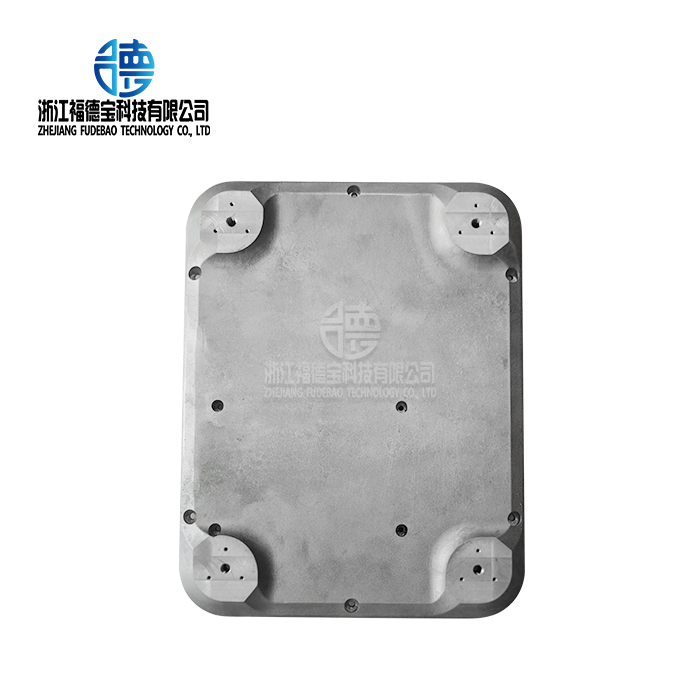
_1756348356531.webp "Automobile engine oil pan")
_1756346668222.webp "Aluminum castings Decorative buckles")
_1756346570305.webp "Bracket aluminum casting")
_1756345858191.webp "Aluminum casting crafts")