How to Find Industrial Sand Casting Testing and Quality Assurance Service Providers?
2026-04-14
It is very important to find the right industrial sand casting testing and quality assurance service provider because it has a direct effect on the quality of your production and how efficiently your business runs. Choose as many possible partners as you can that can show they can do thorough non-destructive testing, have recognized certifications like ISO 9001 or AS9100, and have experience with the needs of your business. The best sand casting quality assurance partner should offer advanced inspection technologies, such as X-ray and ultrasonic testing, as well as quick contact and a dedication to ongoing improvement that fits with your production goals and legal requirements.
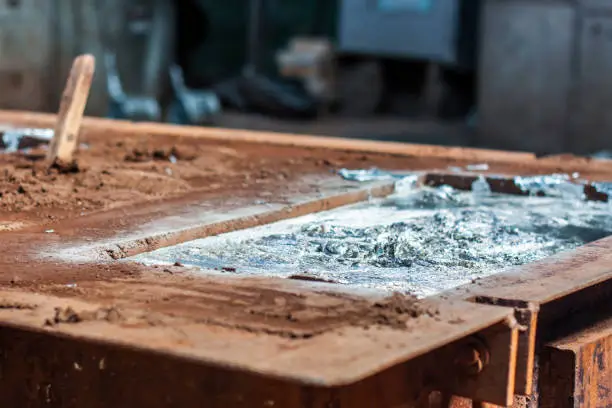
Key Criteria to Evaluate Sand Casting Testing Service Providers
To pick the best testing service provider, you should look at how well they know core testing methods, how well they follow certification standards, and how much experience they have in the field. The process of evaluating should be organized and thorough, looking at both technical skills and business practices that will help the relationship work in the long run. In addition to simple testing services, the best providers also offer advice that can help you improve your sand casting processes and stop problems before they happen.
Non-Destructive Testing Capabilities
Non-destructive testing (NDT) methods, like X-ray and ultrasonic screening for finding flaws inside, are important. So are damaging tests that check the mechanical features. X-ray radiography finds internal porosity, inclusions, and structural flaws without hurting the part. This makes it very useful for high-value casts where destructive testing would be too expensive. Digital radiography systems are better than film-based systems because they give faster results and better picture editing for figuring out what the problem is.
Radiography and ultrasound tests work together to find flaws in the laminar layer, wall thickness, and disbonds that X-rays might miss. Phased-array ultrasound systems are used by more advanced companies to make detailed three-dimensional maps of internal structures. These maps are especially useful for thick-section casts that are used in heavy machinery. The NDT toolkit also includes magnetic particle testing and liquid penetrant testing, which find cracks on the surface or close to the surface that weaken the structure. When looking at possible business partners, ask to see examples of their NDT equipment and learn about how it is calibrated and what levels of user licensing are required.
Certification Standards and Compliance
Providers must follow quality standards that are known all over the world, such as ISO 9001, AS9100, or NADCAP. This makes sure that they follow the rules and are ready for audits. As a result of ISO 9001, all businesses now have standard quality management systems that include written processes and promises to keep getting better. AS9100 adds stricter configuration control and traceability processes that aerospace OEMs want to these requirements, making them more specific for aerospace uses.
Accreditation by NADCAP is the highest level for aerospace and defense suppliers. To get accredited, companies must show they are technically competent through thorough, independent audits. NADCAP covers certain processes, such as chemical processing, non-destructive testing, and heat treatment, and each one needs its own set of qualifications. Providers in the automotive industry should show that they are IATF 16949 certified, which includes extra standards that auto OEMs want for production part approval processes (PPAP) and advanced product quality planning (APQP).
Industry Experience and Technical Expertise
To prove they can handle complicated technical needs and provide consistent, reliable results, they must have worked with industrial sand casting clients before and be able to back up their claims with detailed case studies and examples. Ask for references from clients in your business, keeping in mind that knowledge of how to make metal castings for cars is very different from knowledge of how to make steel pump housings or copper electrical parts. The best companies hire scientific experts who know about metals, how solidification works, and the performance needs of each application.
Case studies that show how the service found the root causes of problems and took corrective steps are a good way to show that they can solve problems. Instead of just listing pass/fail results, technical reports should show how to communicate clearly, use statistics correctly, and make suggestions that can be put into action. Check to see if the provider asks deep questions about your application needs and the factory environment during the review process. Real partners want to understand your business, not just give you standardized tests.
Step-by-Step Process to Select the Right Sand Casting QA Partner
A structured process that matches technology needs with business concerns is needed to find the best QA partner. This methodical approach lowers the risks of selection and sets clear goals, which are both important for long-term relationships. Keep the lines of communication open with internal partners like engineers, quality, procurement, and operations during the selection process to make sure that the chosen provider meets the needs of all departments. Selecting a sand casting partner requires careful attention to detail throughout the entire evaluation cycle.
Define Your Specific Quality Requirements
Make sure everyone knows exactly what you need in terms of quality, including the amount, complexity, and tolerances, as well as what you expect in terms of reports and timing. Start by writing down your casting requirements, such as the types of alloys you want to use, the size ranges you need, the most important measurements, and the performance traits that quality testing must confirm. When choosing a provider, volume is important because high-volume car parts need different skills than low-volume prototype runs or special industrial equipment parts.
Tolerance standards have a direct effect on the choice of testing method. Coordinate measuring machine (CMM) checks are needed for castings that meet ±0.05mm machined standards, but as-cast measurement checks may be enough for features that aren't very important. The way a check is done is based on the surface finish standards. For example, car housings that need Class A surfaces need different evaluation methods than internal gearbox components. Your reporting choices should include the type of format (digital vs. paper), the amount of information (summary vs. complete data), and the expected turnaround time that works with your production schedule.
Create a Shortlist and Request Proposals
Use digital platforms, industry events, and professional networks to make a short list of providers. Then, ask each one for thorough offers and a list of their capabilities. You can start looking for possible business partners by using online listings, trade groups, and supplier databases. Meeting people in person at industry conferences and trade shows is a great way to learn about an organization's culture and technical details that websites can't show. Professional networks, such as those of engineering coworkers and people in the same field, often give the best advice based on real-life work experiences.
When you ask for ideas, be sure to include all the details of what you need so that the answers you get are useful. Questions that aren't very specific lead to general solutions, but questions that are very specific lead to personalized solutions that make it easier to make useful comparisons. Ask for portfolios of related experience, lists of tools with detailed specs, quality certifications, and examples of reports that show how documentation should be done. It should be clear how prices are set, with costs broken down by testing method, number levels, and any extra services like fast response or engineering advice.
Evaluate Providers Through Pilot Testing
Check out the chosen providers by looking at example reports, the results of pilot tests, and how quickly they respond to interactions. Sample reports show the level of detail, technical skill, and ease of communication that you can expect throughout the relationship. Look for records that make it clear how the inspection was done, what the acceptance criteria were, what the real measurements were, and whether the product passed or failed, along with photographic or graphical proof to back up the decision.
Pilot testing with real production castings gives you a lot of useful information about the provider's skills and how the working relationship works. Send in samples that are representative of the whole, including both known conforming and known non-conforming parts, so that the detection sensitivity and false-positive rates can be checked. Check the response time, how well you were able to communicate during tests, and how you dealt with questions or requests for more information. During pilot testing, technical talks show if the provider really knows your application or if they are just checking things off a list.
Negotiate Terms and Service Agreements
Service Level Agreements (SLAs) and commitments to ongoing growth should be emphasized in the terms that are negotiated. This will ensure that there are measurable performance measures that drive responsibility and long-term relationship success. SLAs should include deadlines for both regular and urgent testing, as well as the types of reports and how they will be delivered, and how to take problems to the next level when they happen. Some examples of quality measures are the results of a measurement system analysis, how well someone did on a skill test, or audit results that show ongoing capability maintenance.
Provisions for continuous growth make sure that the relationship changes as your needs and the industry do. Include plans for regular reviews of the business that look at performance trends, process changes, and investments in technology. Competitive prices and quality assurance should be balanced in pricing structures. Too-low prices often mean that not enough money is being spent on equipment upkeep, user training, or quality systems, which in turn makes results less reliable.
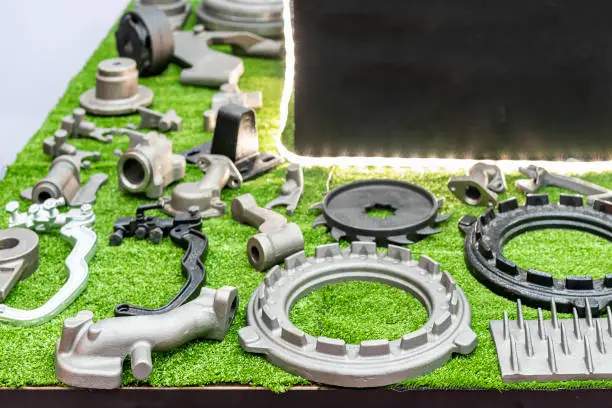
Benefits of Partnering with a Reliable Sand Casting Testing Provider
Working with a good sand casting testing service has many benefits that go beyond just letting you know if the casting passed or failed. With these strategic relationships, quality assurance goes from being a cost center to an area that adds value and makes the company more competitive and customer-satisfied. If you have a good relationship with your QA, you can rest easy knowing that your castings will meet all the requirements before they are sent to customers or put together.
Enhanced Product Quality and Reduced Rework
Better product quality through early flaw spotting and real-time feedback loops cuts down on expensive rework that slows down production and hurts profits. Finding flaws during incoming inspection or in-process verification is much cheaper than finding them during customer assembly or fails in the field. Statistics from foundries show that flaws found during casting production are about tenths of the cost of flaws found during machining and one hundredth of the cost of failure in the field, which includes insurance claims, shipping, and damage to the company's image.
Real-time feedback lets you make quick changes to the process that stop defects from spreading to whole production batches. When testing companies send quick results with clear descriptions of defects, casting operations can fix things before making hundreds or thousands of parts that don't meet standards. This flexibility works especially well for complicated shapes like engine blocks or pump housings, where a lot of different factors can affect how well the casting turns out. Modern manufacturers use QA input along with statistical process control systems to spot trends before they go beyond specifications and make changes that keep things from going wrong and boost yield.
Streamlined Compliance and Audit Readiness
Quality assurance relationships make it easier to follow customer requirements and government rules by making sure that everything can be tracked and that the company is ready for audits. Independent testing providers that keep full records of their work meet the needs of customer audits and regulatory checks by providing concrete proof of compliance. Industries like aircraft, medical devices, and cars need detailed quality records that show that every production lot met the requirements. Reliable testing partners provide this information on a regular basis, not as an afterthought while getting ready for an audit.
Traceability systems that connect test results, process factors, and material standards make it possible to look into quality issues quickly. When a customer reports a possible problem or when regulatory bodies ask for the production history, full traceability makes it easy to quickly figure out which lots are affected and find the root cause. Leading testing companies keep up-to-date digital record systems that can find and store records for as long as needed to meet industry standards. These systems often go beyond what smaller makers can do on their own.
Improved Procurement Efficiency and Vendor Trust
Reliable QA relationships improve the efficiency of buying by building trust with vendors and lowering the number of disruptions in the supply chain that affect production plans. An impartial third party checks the information and gives an objective opinion that helps with judging the performance of vendors and making decisions about their suitability. Instead of only using seller certifications or random checks, having complete testing data lets you compare different vendors and have conversations about how to make things better that are based on facts, not just personal opinions.
Supporting vendor development programs with detailed quality data that shows specific ways to improve makes them more effective. When testing shows consistent dimensional trends or repeated defect patterns, focused corrective actions can be taken to deal with the reasons instead of the symptoms. This collaborative method improves quality performance and builds relationships with suppliers. This creates a win-win situation where buyers get better goods and sellers get better skills. When added up, these advantages lead to more stable operations, lower costs, and an edge in a market where consistent quality is very important.
Conclusion
The choice of which industrial sand casting testing and quality assurance service company to use is a smart one that has a huge effect on the success of manufacturing. In this guide, we've talked about the problems that come with making sure the quality of sand castings, such as porosity and inclusions, as well as issues with measurement accuracy that need advanced testing methods. We looked at some important evaluation factors, such as NDT skills, licensing requirements, and industry knowledge, that help tell the difference between providers who are truly skilled and those who only give basic services. Setting clear standards, making shortlists, trying with a pilot, and negotiating clear service agreements are all parts of a systematic selection process that lowers risks and builds relationships that offer long-term value. Reliable QA relationships have benefits beyond finding bugs; they also make compliance easier, buying more efficient, and give you a competitive edge through regular quality that builds trust with customers and a good name in the market.
FAQ
What are the most important testing methods for sand casting quality assurance?
When non-destructive and harmful testing methods are used together, they can be used to fully check the quality of sand castings. X-ray radiography and other non-destructive methods find internal cracks, inclusions, and structural discontinuities without hurting parts. This makes them perfect for inspecting 100% of high-value parts and parts that aren't used very often. Radiography and ultrasonic tests work together to find laminar flaws and measure changes in wall thickness. Magnetic particle and liquid penetrant tests show cracks and breaks in the surface. Destructive testing, such as measuring tensile strength, hardness, and metallography, is used to confirm mechanical qualities and microstructure. This is usually done on sample casts that represent whole production lots. The best testing approach strikes a balance between thoroughness and cost-effectiveness by putting important traits first and using statistical sampling for less important ones.
How can I verify a testing provider's credibility and technical capabilities?
Certifications like ISO 9001, AS9100, or NADCAP, client recommendations, and pilot testing results that show real performance are the main ways to check the trustworthiness of a provider. Ask for copies of your most recent licenses and audit reports that show your compliance status and list any problems that need to be fixed. Get in touch with the references that were given and ask them specific questions about turnaround times, technical accuracy, help with fixing problems, and general happiness levels. Visit the location as often as possible to check on the state of the equipment, the calibration systems, and the skills of the operators. Look at examples of reports from similar apps and rate the clarity of the paperwork, the level of technical detail, and the usefulness of the information that goes beyond simple "pass/fail" decisions. Pilot testing with known conforming and non-conforming samples shows how sensitive the detection is and how often false positives happen, which can be used to guess how well it will work in the future.
Do quality assurance providers offer services beyond basic inspection?
A lot of the best service providers give more than just checks. They work with clients to improve casting processes and cut down on defects before they happen, which is very helpful for sourcing and production teams. Some of these value-added services are process improvement suggestions based on defect trend analysis, failure analysis to find out why quality problems happen, and supplier growth support to help foundry partners get better. Some sources offer training programs that teach employees the basics of casting, how to spot flaws, and quality control methods that help the company become more knowledgeable. Metallurgical advice helps with choosing the right metal, getting the best results from heat treatment, and coming up with new specifications for use. When looking at possible partners, you should ask about these extra features and ask for examples of how they've helped other clients improve the performance of their manufacturing.
Partner with Fudebao Technology for Superior Sand Casting Quality
Zhejiang Fudebao Technology is ready to meet your industrial sand casting quality needs with its wide range of manufacturing options and strict quality control systems. As a leading aluminum foundry, we've spent a lot of money on high-tech checking tools like high-precision CMM systems and thorough testing methods that make sure the dimensions are correct to within 0.05mm. Our combined building includes the whole production line, from melting to treating the surface. This allows for tight process control that stops quality problems before they happen. Automotive original equipment makers, industrial equipment manufacturers, and aircraft suppliers are just a few of the demanding industries we work with. These companies need both high-quality manufacturing and detailed quality paperwork. Our expert team has decades of experience in casting aluminum alloy, copper alloy, and stainless steel. They can help you find a trusted sand casting supplier for ongoing production or provide specialized testing services for foundry partners you already work with. To talk about how Fudebao Technology can improve your supply chain with production accuracy and quality assurance that meets the strictest industry standards, email us at hank.shen@fdbcasting.com.
References
American Foundry Society. (2021). "Casting Quality Handbook: Systematic Approaches to Defect Prevention in Metal Casting." American Foundry Society Publications, Des Plaines, Illinois.
Campbell, John. (2015). "Complete Casting Handbook: Metal Casting Processes, Metallurgy, Techniques and Design." Butterworth-Heinemann, Oxford, United Kingdom.
ASM International Handbook Committee. (2008). "ASM Handbook Volume 11: Nondestructive Evaluation and Quality Control." ASM International, Materials Park, Ohio.
Society of Automotive Engineers. (2019). "Quality Management Systems Requirements for Automotive Production and Relevant Service Parts Organizations: IATF 16949:2016 Implementation Guide." SAE International, Warrendale, Pennsylvania.
Steel Founders' Society of America. (2020). "Steel Casting Handbook: Quality Assurance Procedures and Testing Protocols for Industrial Applications." Steel Founders' Society Publications, Crystal Lake, Illinois.
International Organization for Standardization. (2013). "ISO 8062-3:2007 Geometrical Product Specifications: Dimensional and Geometrical Tolerances for Moulded Parts." International Organization for Standardization, Geneva, Switzerland.



YOU MAY LIKE
_1756360265131.webp "Aluminum casting chair legs")
_1756349002499.webp "Aluminum alloy clamp casting")