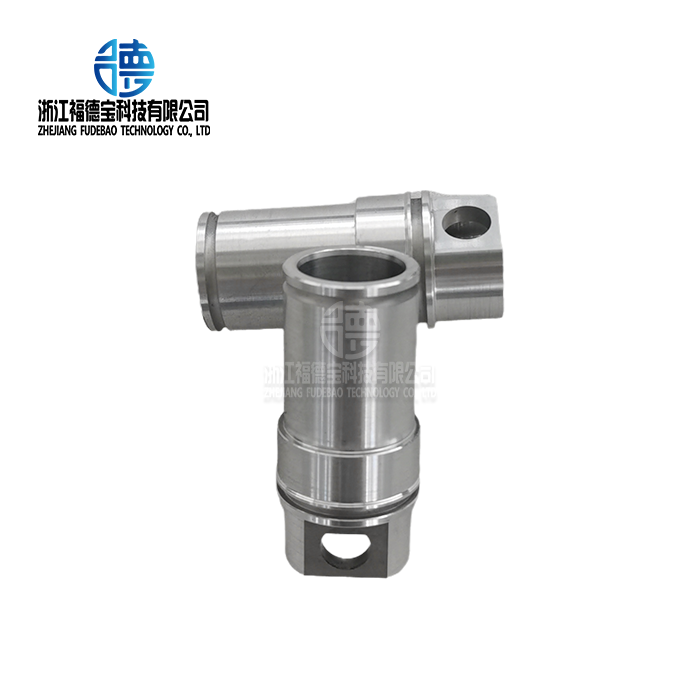
Best CNC Machining Vendors Providing Rapid Turnaround for Prototype Batches
2026-04-14
Procurement workers should look for CNC machining providers that offer fast prototype turnaround and mix advanced automation with tried-and-true quality systems. CNC machining changes the way prototypes are made by using automated accuracy to get rid of the flaws that come with human work and make parts that meet the final production standards. Fudebao Technology stands out from other suppliers because it combines high-speed machining centers, CNC turning equipment, and streamlined processes that cut down on wait times without affecting the accuracy of measurements. Our center works with aluminum alloys, copper alloys, and stainless steel, and can hold tolerances of up to ±0.05mm. It helps the automobile, industrial equipment, and aerospace industries, where validating prototypes has a direct effect on time-to-market strategies.
Understanding CNC Machining and Its Role in Prototyping
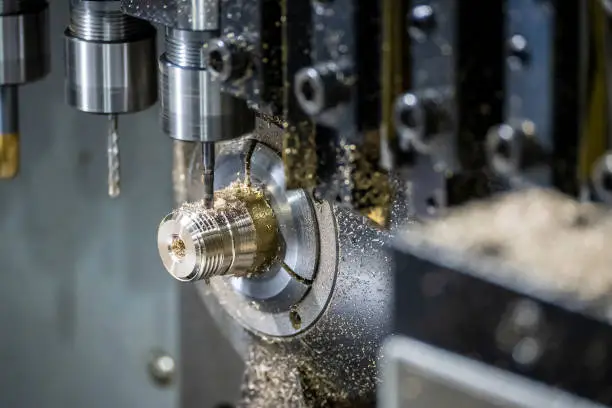
With CNC machining, multi-axis tools are guided by pre-programmed software to remove material from solid stock with accuracy down to the micrometer level. This method uses G-code instructions to turn CAD models directly into real parts, instead of using additive techniques that build layers or formative processes that need expensive tools. A lot of problems that buying teams have during the trial phase can be fixed with this technology.
Why Automated Precision Matters in Prototype Development
When you do manual machining, the differences between groups of prototypes are caused by human error, which makes it hard to properly test the design's performance. By using the same tool paths for each part, automated control systems get rid of these changes. When a tier-1 car seller needs twenty prototype transmission housings to test for durability, each part must behave the same way when put under stress. Changes in wall thickness are kept to within 0.02mm across the whole batch when processes are controlled by a computer. This is something that manual mills can't do effectively.
Material Versatility Accelerates Functional Testing
In prototyping processes, it's common to have to try more than one material candidate before setting the final specifications. Modern machining centers can work with aluminum 6061-T6 for lightweight uses, brass C360 for electrical conductivity needs, and industrial plastics like PEEK for chemical resistance, and they can do all of this without changing the basic way the process is set up. Because these materials are so flexible, design teams can use them to make working prototypes that are a good representation of the final materials, instead of using substitutes that have different mechanical or heat qualities. A company that makes medical devices can use biocompatible stainless steel 316L to make samples of surgery instruments. They can then test how long these instruments will last in a sterilization cycle and go straight to making production tools, knowing that the materials will work well.
Common Processes Enabling Rapid Iteration Cycles
Three main tasks make up most prototype CNC machining processes. Milling uses spinning cutters to make complicated shapes and pockets, which makes it perfect for making parts for houses that have holes inside them. By moving the workpiece against fixed tools, turning processes make cylindrical parts like shafts and bushings. Drilling creates exact designs of holes for tool assembly and fluid flow. These processes can be done in a single setup thanks to multi-axis capabilities. This cuts down on the time needed for handling between operations. When a company that makes industrial equipment needs a sample gearbox housing with built-in bearing seats and bolt patterns, 5-axis milling can finish the shape in a single fixture, which means that alignment mistakes that happen when parts are moved from one machine to another are avoided.
Criteria for Choosing the Best CNC Machining Vendor for Rapid Prototypes
When choosing a development partner, you need to make sure that the vendor's skills match your project's needs in a number of important ways. Before committing to a partnership, engineering managers should use a set of structured criteria to evaluate providers. These should show practical strengths and possible problems.
Equipment Infrastructure and Technology Stack
Cycle times are directly affected by high-tech machining centers with automatic tool changes and wheels that spin at high speeds. Companies that use old 3-axis mills that need to be set up by hand can't compete with companies that use 5-axis parallel machining tools. Fudebao Technology keeps up high-speed machining centers with spindles that can go as fast as 20,000 RPM and turn rates that go over 50 meters per minute. This makes the time it takes to air-cut between features much shorter. Engineers can model tool paths before production starts with our CAM software interface. This helps them find possible collisions or inefficient routes that would waste important machining hours otherwise.
Another thing that sets them apart is their quality control methods. ISO 9001 certification shows that you know how to control processes well, and industry-specific standards like IATF 16949 for automotive applications or AS9100 for aerospace applications show that you know how to deal with the paperwork needs of those sectors. When prototype batches need to move to production approval, vendors who don't have these qualifications often have trouble with PPAP submissions and first-article inspection processes. This causes delays.
Delivery Performance and Batch Flexibility
Delivery rates that are on time show how reliable a business is better than marketing claims. Teams in charge of buying things should ask for data that shows what percentage of sample projects were finished on time in the last twelve months. When vendors meet 95% of their delivery deadlines, it means they have good production planning and capacity management. Batch flexibility is just as important—prototype numbers usually run from one unit for design confirmation to 50-piece batches for testing in the field. Suppliers that are only good at making a lot of things may have minimum order amounts or schedule small batches in a way that doesn't work well.
Fudebao's production planning system can handle sample quantities ranging from one piece to several hundred units, and it doesn't set fake minimums that force customers to buy too much inventory. Our scheduling rules make sure that test projects always have access to the same machines. This way, bigger production runs don't keep pushing them back. With this method, we've been able to keep normal aluminum prototype runs turning over in 7–10 days, even during busy production times.
Engineering Support Capabilities
When engineers work together on the prototype, they can avoid expensive rethink rounds. Companies that offer DFM (Design for Manufacturability) reviews find problems that might come up with CNC machining before the cutting starts. An experienced applications engineer might notice that a sample design calls for internal corners with sharp radii that need special tools. They might suggest a small radius increase that keeps the usefulness while cutting down on tool wear and cycle time. This kind of proactive contact sets real production partners apart from job shops that take orders.
CAD help services speed up the development process even more. When design files have missing or incompatible shapes or formats, responsive sellers quickly clear up any confusion instead of holding up production while they wait for customer changes. Our engineering team checks submitted models on a regular basis to make sure that wall thicknesses meet minimum machining standards and that precision callouts match what the process can actually do. Usually, questions are answered within hours instead of days.
Rapid Turnaround Solutions by Fudebao Technology
To quickly deliver sample batches without sacrificing quality, you need systems that work together to make every step better, from receiving the order to the final check. We've made processes that take into account the fact that getting prototypes is time-sensitive.
Streamlined Process Architecture Reduces Non-Value Time
When parts are moved from one area to another in a traditional job shop, they have to wait in line for setup, inspection, or finishing processes, which takes a lot of time. Fudebao's building is set up so that moving materials is as easy as possible. For example, machining centers are placed next to areas for quality checking and surface treatment. The time it takes to get from one process to another is cut from hours to minutes by this physical arrangement. Our production control system uses digital work orders that move instantly to the next operation when they are finished. This cuts down on the time it takes to update travelers and move them around, which is needed for paperwork.
Keeping track of raw material inventories is another important time factor. We keep a smart stock of popular prototype materials in different sizes, such as aluminum 6061-T6, 7075-T6, stainless steel 304/316, and brass alloys. When a customer asks for a sample, getting the materials doesn't add to the wait time because the right stock is already on hand. We can start machining within 24 hours of receiving proof of the order because we have this inventory on hand. Before, we had to wait days for material sources to send special cuts.
Real-Time Monitoring and Adaptive Process Control
In-process measurement tools on modern machining centers find physical drift before they make parts that don't fit. The cutting shape changes over time because of tool wear, and the security of the dimensions is affected by thermal expansion from long machining processes. Our high-speed centers have probe systems that measure important features on a regular basis during production. When readings get close to tolerance limits, they automatically make changes for offsets. This closed-loop control makes sure that all sample batches are the same without any help from a person.
Conditions for cutting are also part of the process tracking. Spindle load monitors notice any odd resistance, which could mean that the tool is wearing down or that chips aren't getting out properly. This causes the feed rate to be automatically changed to keep the tool from breaking. When making a test batch of twenty aerospace bracket parts out of titanium Ti-6Al-4V, avoiding even one tool failure cuts down on the time needed to restart tools and set up new work offsets, which protects delivery schedules.
Engineering Collaboration Throughout Production Cycles
During prototype projects, problems often come up out of the blue and need to be solved quickly. A design feature that looked possible in CAD modeling could make it hard to get to tools when the machine is actually set up. As an alternative to stopping work and starting long emails, our floor engineers can talk to clients directly about possible options. This real-time teamwork has fixed problems like tool approach angle clearance issues or clamping configurations that could cause part distortion, usually in just one phone call.
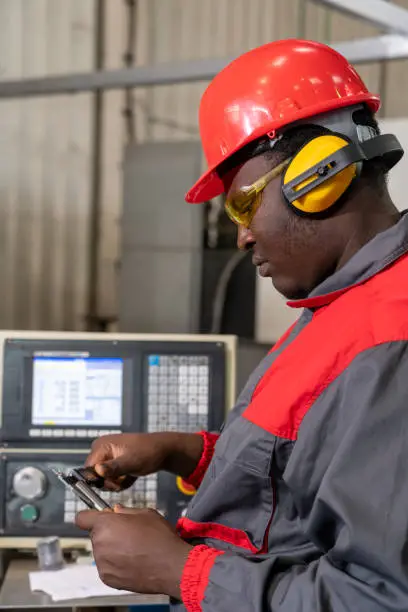
Support for documentation makes the customer experience even better. When we ship prototypes, we include detailed inspection reports with them that show the exact measures of important parts. This lets design teams check the prototypes' performance right away against the requirements. When a company that makes industrial equipment gets sample pump housings with full inspection data, their engineering team can start testing the pressure and making sure the performance is good right away, without having to wait for quality proof to arrive.
Conclusion
To choose the best provider for fast prototype batches, you need to look at more than just equipment lists and lead time claims. You also need to look at their professional skills, quality systems, and collaborative processes. CNC machining makes prototypes that are more accurate in terms of size and material qualities than other methods. This is especially useful for practical testing in the aircraft, automobile, industrial equipment, and electrical industries. Fudebao Technology's integrated method, which includes advanced machining centers, a smart store of materials, and quick technical support, has always been able to deliver sample batches within 7–10 days while keeping tolerances of ±0.05mm. Using organized criteria for evaluating vendors and putting in place tried-and-true teamwork methods will help procurement professionals shorten development timelines and lower the quality risks of prototypes.
FAQ
What factors most significantly affect CNC prototype turnaround time?
Getting the materials you need usually takes the biggest amount of time for test projects. When buyers choose easily available alloys like stainless steel 304 or aluminum 6061-T6, the cutting process can start right away. If suppliers don't keep strategic supplies on hand, it may take 5 to 7 days to get specialized materials like titanium alloys, Inconel superalloys, or rare engineering plastics. Cycle time is directly affected by how complicated the part is, which is measured by the number of features and tool changes that need to be made. For example, a simple rectangular case can be machined in 45 minutes, but a part with many pockets, holes, and curved surfaces could take 6–8 hours. The size of the batch affects how well the schedule works because setup time is spread out over many pieces. Once the tools are set up, a 20-piece batch takes only slightly longer than a 10-piece order.
How does Fudebao ensure consistent quality across rapid prototype batches?
Before output starts, the process needs to be checked for quality. Our programming team models tool paths to find possible problems, and we machine a first article piece to check its dimensions before finishing the rest of the batch. Using CNC machining probe systems for in-process measurement checks important dimensions while cutting, letting changes be made in real time if accuracy is lost due to thermal drift or tool wear. We keep certified inspection tools like CMMs (Coordinate Measuring Machines) and optical comparators for final checks, and our inspection methods are in line with ISO 9001 standards. Material tracking uses mill certificates to connect each sample batch to a specific lot of raw materials. This makes sure that the metal is always the same. At order entry, engineers look over the customer's specs to make sure there aren't any unclear tolerance callouts or surface finish requirements. This is done before the cutting starts.
Can CNC machining handle complex geometries requiring tight tolerances?
Modern multi-axis machining centers are great at making complicated shapes that would be hard to make with traditional 3-axis machines. Cutting tools can approach workpieces from any angle with five-axis simultaneous machining. This lets them make undercut features and compound shapes in a single setup. This feature gets rid of the mistakes that happen when parts have to be repositioned more than once to get to different areas. Tolerance is based on how well the equipment is maintained, the quality of the tools used, and the process control, not on how complicated the geometry is. For example, our high-speed centers can hold features' positions within ±0.02mm accuracy no matter how complicated the contours are. Tight-tolerance areas like bearing bores or sealing surfaces get extra inspection care, and the time between measurements is changed based on how important the feature is. Titanium aircraft parts with organically shaped surfaces and 0.05mm profile tolerances are normal projects that show how well we can work with complicated shapes.
Partner with a Trusted CNC Machining Supplier
To speed up the development of your prototypes, you need to work with a CNC machining maker that has cutting-edge tools, quick technical help, and a track record of on-time deliveries. Fudebao Technology has a large building with high-speed machining centers, CNC turning systems, and built-in quality checking tools. They can work with aluminum alloys, copper alloys, and stainless steel with accuracy of ±0.05mm. Our streamlined processes and smart inventory of materials allow us to consistently turn around prototype batches in 7–10 days for uses in aircraft, automobile, industrial equipment, and electrical equipment. Engineering teams get help with joint DFM review and have to fill out measurement inspection paperwork for every shipment. Talk to hank.shen@fdbcasting.com about your prototype needs and see what it's like to work with a source that focuses on quick, reliable delivery.
References
Kalpakjian, S., & Schmid, S. R. (2019). Manufacturing Engineering and Technology (8th ed.). Pearson Education Limited.
American Society of Mechanical Engineers. (2018). ASME Y14.5-2018: Dimensioning and Tolerancing - Engineering Drawing and Related Documentation Practices. American Society of Mechanical Engineers.
Boothroyd, G., Dewhurst, P., & Knight, W. A. (2011). Product Design for Manufacture and Assembly (3rd ed.). CRC Press.
Society of Manufacturing Engineers. (2020). Fundamentals of Tool Design (7th ed.). Society of Manufacturing Engineers.
International Organization for Standardization. (2016). ISO 2768-1:1989 - General Tolerances for Linear and Angular Dimensions. International Organization for Standardization.
Groover, M. P. (2020). Fundamentals of Modern Manufacturing: Materials, Processes, and Systems (7th ed.). John Wiley & Sons.



_1756346371362.webp "separator housing")
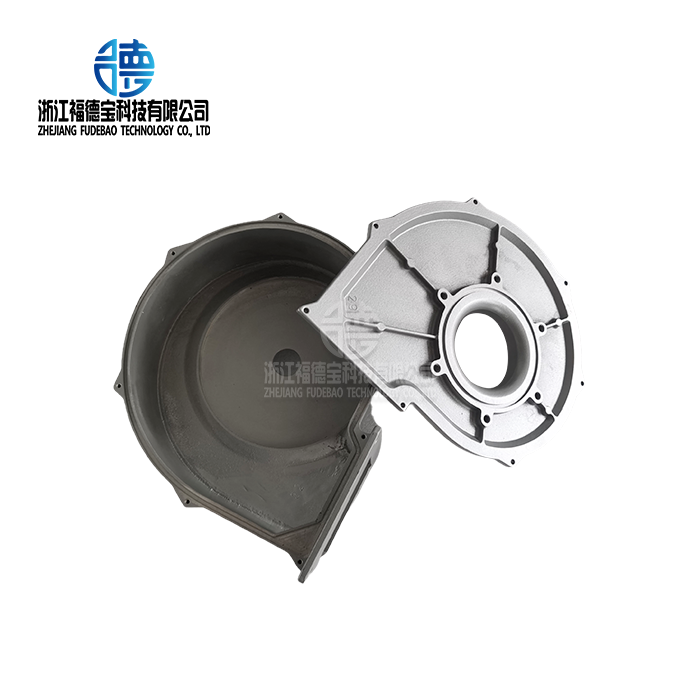
_1756352340434.webp "Aluminum chassis cover")
_1756348623524.webp "Turbine compressor housing")
_1756346144394.webp "aluminum die casting hinge")