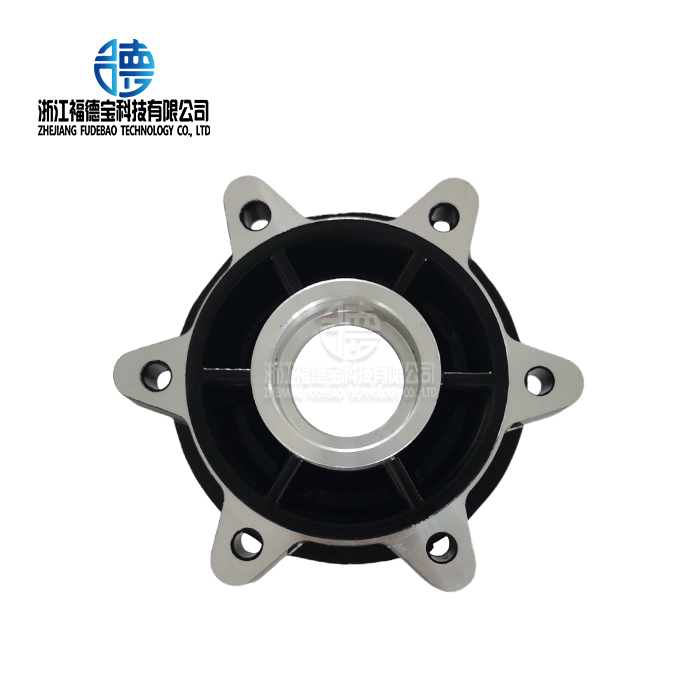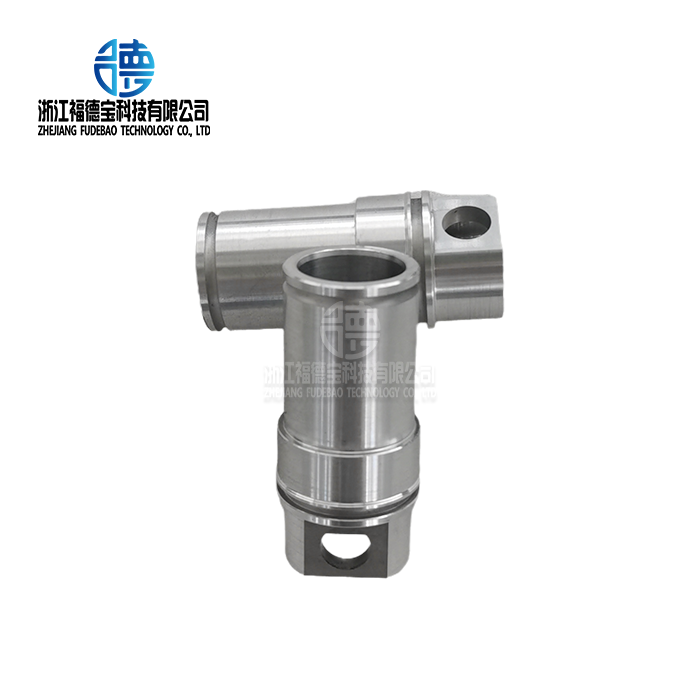
General Application of Aluminum Die Casting
2026-04-14
Aluminum die casting is a highly efficient metal forming technique where molten aluminum alloy is forced into precision steel molds under pressures exceeding 10,000 psi, creating lightweight yet robust components with exceptional dimensional accuracy. This process serves industries ranging from automotive to aerospace, delivering complex geometries in single operations that would otherwise require multiple fabrication steps. By combining rapid production cycles with near-net-shape capabilities, die casting significantly reduces material waste and secondary machining requirements, making it an economically attractive solution for both high-volume manufacturing and specialized component production across diverse industrial applications.
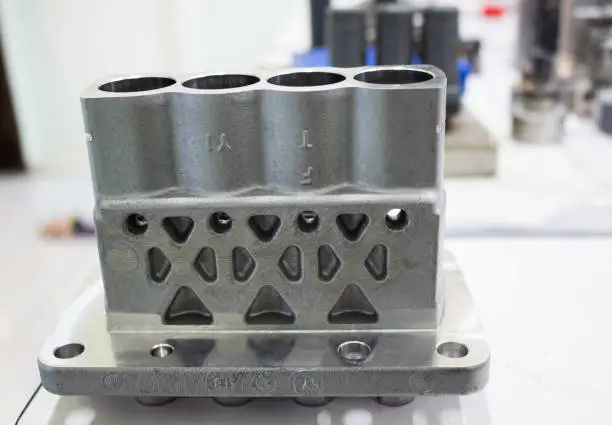
Understanding Aluminum Die Casting and Its Applications
Material science, temperature management, and mechanical engineering all work together in a complex way to make die casting possible. When we look more closely at the process, we can see that liquid aluminum flows into hardened steel dies at speeds that can go over 100 feet per second, filling complex holes before hardening in seconds. With this quick injection and cooling cycle, makers can make parts with walls as thin as 1.5 mm and still get the same level of structural stability as traditionally machined parts.
Core Principles of the Die Casting Process
High-pressure die casting works by following basic rules that solve basic problems in making. Aluminum alloys, usually A380, ADC12, or AlSi9Cu3, are heated to temperatures between 660°C and 720°C to start the process. With specific gravities around 2.7 g/cm³, these alloys offer strength-to-weight ratios that solve important technical problems in uses that need to be light. During the injection phase, controlled pressure forces the liquid metal into every part of the die hole. This gives the part clarity that can't be cheaply achieved through machining alone on a large scale.
What makes this method different from other casting methods is that it can combine more than one function into a single part. Engineers can make parts that don't need to be put together by designing them with mounting ends, cooling channels, and supporting ribs built right in. This merging makes the supply chain simpler by cutting down on the number of separate parts that buying teams have to find, keep track of, and store.
Common Aluminum Alloys and Their Strategic Advantages
When a component is put under temperature, mechanical, or external stress, the choice of material has a direct effect on how well it works. The A380 alloy is the most common type used in North American cars because it is easy to make and has balanced mechanical qualities. It can work at temperatures up to 150°C and has tensile strengths of more than 320 MPa. ADC12 is commonly used in Asian production settings because it allows for thinner sections and more complex shapes during casting.
When these metals are exposed to air, their chemical makeup forms an inactive aluminum oxide layer. This layer protects against corrosion naturally, without the need for extra coatings. This quality is especially useful in outdoor electrical enclosures and naval equipment, where steel options would quickly break down in the weather. With a thermal conductivity range of 96–120 W/m·K, aluminum die castings are the best way to solve problems with heat transfer in LED lighting systems and power electronics.
Industry Applications Across Critical Sectors
Die-cast aluminum is used by automakers to make gearbox housings, engine blocks, and structural frames, which are all parts of the powertrain. These parts have to be exposed to toxic fluids, vibrations all the time, and temperature changes between -40°C and 150°C. Because die-cast parts don't change size, they can be used with gaskets and seals for car lifetimes of more than 200,000 miles, which meets warranty standards that are getting longer and longer, up to 10 years.
Different speed needs apply to telecommunications systems. 5G base station covers need to be able to block electromagnetic fields more than 40dB while also getting rid of the heat from high-frequency amplifiers. EMI/RFI attenuation and temperature control are both natural properties of die-cast aluminum, which means that single components can solve two problems. The weather protection of the material stops the signal degradation that happens when steel containers are exposed to coastal environments.
Die casting is used to make consumer gadgets look good. The process is used to make thin profiles (often less than 15 mm) in high-end laptop frames and professional camera bodies. The profiles stay straight so the bodies don't bend when they're being handled. Bead blasting and anodizing are two surface finishing techniques that give high-end goods the feel and look that set them apart in a crowded market.
Design and Quality Considerations in Aluminum Die Casting
For component creation to go well, the design engineering and production teams need to work together early on. There are certain design requirements that must be met during the CAD phase in order for the casting process to work properly. These requirements greatly increase the production output and lower the unit cost. When procurement workers understand these factors, they can work well with both internal tech teams and outside suppliers.
Optimal Design Parameters for Castability
Even wall thickness stops the forces inside that cause bending when it cools. Design rules say that wall parts should stay between 2.5 mm and 4 mm thick, and that changes in thickness should happen slowly over at least three times the thickness change. When there are sharp changes, the molten metal flows more roughly, catching air that shows up as porosity flaws in the finished parts.
Draft angles make it easier for parts to come out of dies without damaging the surface. For machined parts, the walls can be straight, but for cast parts, all sides must have tapers between 1° and 3° that are aligned to the direction of the die opening. Because metal shrinks when it hardens, parts stick to internal cores, so internal features need higher drafts than external surfaces. Having enough draft lowers release forces, which increases the life of the die and keeps the same dimensions across production runs.
Fillet curves at internal corners lower stress levels and make it easier for metal to move while the space is being filled. Under cycle loading, sharp internal corners can cause stress points that can lead to cracks. On the other hand, wide fillets (usually with a radius of at least 1.5 mm) spread loads over larger areas. These curves also stop sharp edges from cooling quickly, which lowers the shrinking porosity that makes parts weak and leads to rejection during quality inspection.
Quality Control Standards and Inspection Methodologies
Statistical process control is used in modern quality systems to keep an eye on important aspects during production runs. Coordinate measuring tools check the accuracy of measurements against CAD models, finding differences before they get too big. This real-time feedback lets die adjustments be made right away, keeping the consistency of the output that meets AS9100 standards for aircraft and PPAP needs for the car industry.
There are both harmful and non-destructive ways to test for porosity. X-ray radiography shows internal gaps without breaking parts, so it can be used to check all of a safety component's important parts in aircraft and automobile uses. Computed tomography screening lets you see inside things in three dimensions and measure the size and location of holes to make sure that the structural integrity predictions made by modeling software are correct.
Surface cleaning methods improve both how something looks and how well it works. Vibratory deburring gets rid of flash and sharp edges, leaving surfaces that are smooth and ready for covering. Powder coating adds even layers of protection that make things last longer in corrosive conditions, and anodizing makes long-lasting oxide layers that protect against wear and give you color choices. These processes turn raw casts into finished goods that are ready to be put together.
Common Defects and Prevention Strategies
Porosity is still the most common flaw in casting. It happens when dissolved gases settle to the bottom during solidification or when uneven flow traps air bubbles. This problem is lessened by vacuum-assisted die casting, which removes air from the die holes before metal is injected. This lowers the pressure differences that hold gas. When gates are designed correctly, they create laminar flow patterns that reduce turbulence. Before aluminum die casting, degassing processes take hydrogen out of melted aluminum.
When two metal flow fronts meet but don't fuse fully, they leave lines or seams that look like cold shut flaws. This happens when there isn't enough injection pressure or when the hole filling cools down too quickly. Keeping die temperatures between 200°C and 250°C on hollow walls is a good way to make sure metal stays flexible during the injection cycle. Higher injection speeds make up for heat losses during flow, especially in areas with thin walls that are far from the gates.
Differences in dimensions are caused by inconsistent die temperatures, worn die surfaces, or wrong process settings. Thermal management systems move heat transfer fluids through die pathways to keep temperatures even and stop different areas of the body from expanding or contracting. Maintaining the die regularly, including fixing up areas that wear out quickly, keeps the dimensions accurate over long production runs. These preventative steps make sure that parts always meet the requirements of the plan throughout the life of the tool.
Procurement Insights: Choosing the Right Aluminum Die Casting Supplier
Choosing a supplier has an effect on the standard of the product, the time it takes to finish the job, and the total cost of production over a number of years. Procurement teams have to look at possible partners in more than one way. They have to look at not only the prices they offer, but also their professional skills, quality systems, and how stable their business is. A thorough screening process lowers the risks in the supply chain and sets the stage for partnerships that promote ongoing growth.
Evaluating Production Capacity and Technical Capabilities
Manufacturing capacity includes both the supply of tools and the level of professional know-how. Suppliers with working tonnages between 250 and 1250 tons can handle parts ranging from small electrical connections to big structural parts for cars. The highest size of the part is limited by the die's capacity, and the estimated casting area, which is the part's two-dimensional footprint perpendicular to the direction of the die opening, is limited by the machine's tonnage.
Secondary processing capabilities differentiate full-service suppliers from basic casting operations because they can do secondary processing. Integrated machine centers make it possible to do precise drilling, cutting, and milling in the same place, which simplifies transportation and lowers the risk of damage during transport. CNC machines that can hold limits of ±0.05mm can handle the precise needs of car parts and medical device housings, where size accuracy has a direct impact on how well the product works and how well it meets safety standards.
Finishing skills add worth to a supplier's offerings beyond raw casts. Having powder coating, anodizing, and chromate conversion finishing done in-house takes away the need to coordinate with multiple suppliers. When suppliers use these methods, there is only one person responsible for delivering all the parts. This makes quality control easier and speeds up time-to-market. This connection is especially helpful when a new product is being introduced because it speeds up the design changes that need to be made and tested.
Certification Standards and Quality Management Systems
Industry certificates show that a provider is qualified and dedicated to providing high-quality products. IATF 16949 certification shows that an automobile quality management system is following the rules. These rules include Production Part Approval Process methods that record measurements checking, material testing, and studies of process capability. AS9100 certification means that a product meets the standards for the aerospace industry. These standards include rules for traceability and special process controls that are needed to meet flight safety standards.
ISO 9001 sets basic standards for quality control that can be used in any industry. Certified sellers keep written records of how they control the process, make changes, and keep making it better. These systems lower the number of defects and make sure that the quality of the output is always the same. This keeps buyers from having to deal with supply problems that come up because of quality escapes that cause production stops or field returns.
Environmental standards, like ISO 14001, show that a company is using responsible production methods that have little effect on the environment. Suppliers who start programs to recycle aluminum scrap and water-based cooling systems are in line with the sustainable goals that companies are being forced to set in more and more buying policies. These actions lower the risks of not following environmental rules and help buyers with their efforts to keep track of supply chain carbon footprints and involvement in the circle economy.
Balancing Cost, Lead Time, and Geographic Considerations
Investing in tools is a big part of the up-front cost, which can be modest to substantial based on the complexity of the part and how long the die needs to last. Suppliers that offer development services let you test your design before you commit to making the tools for production. This lowers the financial risk of having to make changes to the design during testing. Rapid prototype methods, such as 3D-printed sand models, can make working versions in just a few weeks, which shortens the time it takes to build a product.
Production lead times depend on how many orders are placed and how much resources the seller is using. Large orders often support specialized production lines, which cut down on the number of times they need to be set up and improved unit economics. Suppliers can keep the right amount of raw materials and consumables in stock when they make volume commitments. This speeds up response times when changes in demand require plan tweaks. Clear information about limited capacity helps procurement teams make output plans that are realistic.
Both transportation prices and communication efficiency are affected by how close two places are to each other. Domestic providers cut down on freight costs and transportation times, and they also make it easier for engineers to work together and do quality checks on-site. International providers may be able to offer lower prices through differences in labor and overhead costs, but they may need to be managed carefully because of longer shipping times and possible language hurdles. To do global buying right, you need to weigh these things against your risk tolerance and the total cost of ownership.
Conclusion
Aluminum die casting is the most flexible way to make parts that are lightweight, sturdy, and have complicated shapes. The process makes the best use of materials and can be scaled up for mass production. It solves important problems in areas like making cars lighter, keeping electronics cool, and making sure industrial equipment lasts a long time. To be good at procurement, you need to know the basics of technology, be able to compare a supplier's skills to the needs of your project, and keep up with how new technologies are changing the industrial scene. As technology, improved materials, and efforts to be more environmentally friendly continue to improve, die casting will still be a good way for companies to make things that they can use in performance-driven markets where new ideas and dependability are key to success.
FAQ
What factors influence the cost of aluminum die-cast components?
The final price of a part depends on a number of factors. The biggest initial investment is in the complexity of the tools. For example, complicated shapes that need multi-slide dies cost a lot more. Unit economics is greatly affected by production volume. When production volume is high, set labor costs are spread across more parts, which lowers the price per unit. Costs depend on the type of material you choose; for example, unique metals cost more than standard grades. Additional costs are incurred during secondary processes such as cutting, finishing, and assembly. To understand what drives value, procurement teams should ask for thorough cost estimates that list all of these factors.
How can porosity defects be minimized in production castings?
To stop porosity, the whole process chain needs to be paid attention to. Degassing liquid metal to get rid of dissolved hydrogen is the first step in preparing a material. The shape of the die includes venting holes that let air that is trapped escape while the cavity is being filled. Vacuum-assisted casting methods get rid of any leftover air before injecting the material. For certain part shapes, process factors like injection speed, die temperature, and holding pressure need to be fine-tuned. Regular die repair stops leftovers from building up and making gas. When these controls are put in place, porosity levels meet strict military and automobile standards.
What are typical lead times for custom aluminum die-cast orders?
Timelines depend on the stage of the project and how complicated it is. From the time the design is approved to the time the first models are made, prototype tooling for design validation usually takes 6 to 8 weeks. Hardened dies for production take 10 to 16 weeks, based on the number of cavities and how complicated they are. After the hardware is tested, production runs start about two to three weeks after the order is placed. For standing orders with a lot of items, vendor-managed inventory systems that keep a backup stock are helpful because they let you respond quickly to changes in demand. Suppliers can come up with plans that work with project goals if they are given clear information about the timeline needs during the quote process.
Partner with a Trusted Aluminum Die Casting Manufacturer
Zhejiang Fudebao Technology is ready to make your part needs a reality through precision engineering. Our combined center covers the whole production range, from melting to surface treatment, so we can deliver everything from a blank to a finished assembly all in one place. We can keep tolerances to ±0.05mm across all output levels thanks to our advanced machining centers, CNC lathes, and state-of-the-art die casting equipment. We help you reach your sourcing goals by combining professional know-how with quick contact in the car, industrial equipment, and aerospace industries around the world. Email our team at hank.shen@fdbcasting.com to talk about the details of your project and get full quotes from a reputable aluminum die casting provider that is dedicated to quality excellence and on-time delivery.
References
North American Die Casting Association (NADCA), "Product Specification Standards for Die Castings: Produced by the High Pressure Die Casting Process," 5th Edition, 2019.
ASM International Handbook Committee, "ASM Handbook, Volume 15: Casting," ASM International, Materials Park, Ohio, 2008.
Kaufman, J. Gilbert and Rooy, Elwin L., "Aluminum Alloy Castings: Properties, Processes, and Applications," ASM International, 2004.
Shapiro, Andrew E., "Aluminum Die Casting: Process Parameters, Defects, and Quality Control Methods," Journal of Manufacturing Processes, Vol. 47, 2019.
Brevick, John R. and Hodgson, Dennis E., "Die Casting Process Optimization for Automotive Structural Components," SAE International Technical Paper Series, 2020.
International Organization for Standardization, "ISO 8062-3:2007 - Geometrical Product Specifications: Dimensional and Geometrical Tolerances for Moulded Parts," Geneva, Switzerland, 2007.



YOU MAY LIKE
_1756352472762.webp "steel threaded plug")
_1756349146076.webp "Lawn mower case casting")
_1756346668222.webp "Aluminum castings Decorative buckles")