
How to Choose the Right Metal for Small-Scale Sand Casting Projects?
2026-04-09
To pick the right metal for your sand casting project, you need to look at its mechanical qualities, how it reacts to heat, how much it costs, as well as the production number and supplier capabilities. When you use liquid metal in sand molds for small-scale sand casting, the way the metal interacts with the molds directly impacts the accuracy of the dimensions, the finish on the surface, and the number of defects. If you're in the automotive, industrial machinery, electrical equipment, or aerospace sectors, you should think about how strong the parts need to be, how resistant they need to be to corrosion, how much they can weigh, and how easy they are to machine. You should also make sure that the alloy you choose is compatible with what the foundry can do and what certifications are out there.
Understanding the Small-Scale Sand Casting Process
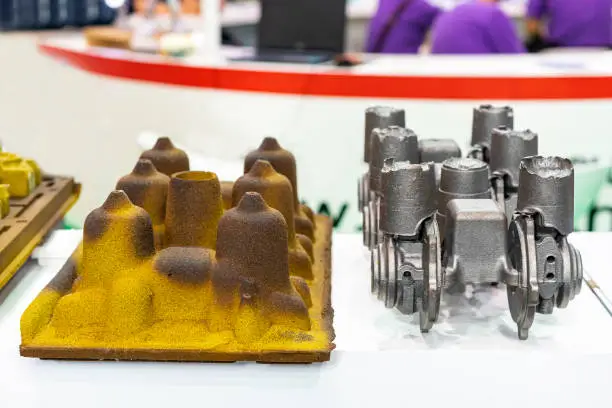
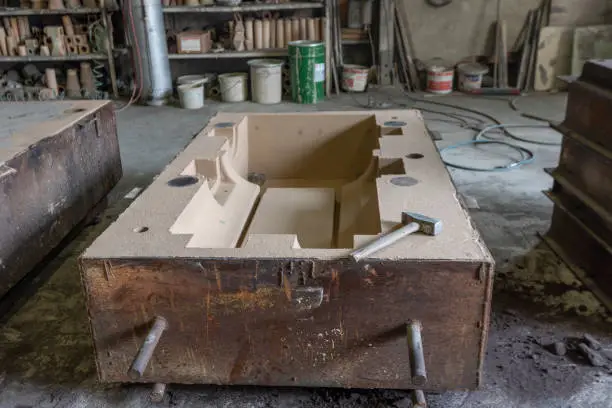
Small-scale sand casting is a flexible and inexpensive way for many businesses to make samples and small quantities of metal parts. Making disposable sand molds, usually with green sand mixed with clay binders or chemically-bonded resin sand, is what this process is all about. Molten metal runs into these molds to form complex shapes. The sand mold doesn't break down like die casting or investment casting does after the metal hardens. This makes it perfect for small production runs where the cost of the tools needs to stay low.
How Sand Molds Enable Design Flexibility?
Sand molds can handle complicated internal passages, undercuts, and different wall thicknesses that would be hard or impossible to do with fixed mold methods. We make these models by packing sand around a design and then taking the pattern away, leaving a hole. Inside parts of machines, like cooling channels in engine cylinder heads or fluid tubes in pump housings, are made of cores made of bound sand. Because of this, we can quickly make changes to designs during testing, which shortens the time it takes to get new parts on the market.
Key Advantages for Industrial Applications
Over 60% of all metal casts made in the world are done by sand casting, which is a way that solves certain manufacturing problems. The cost of tools is still much lower than the cost of die casting, so it makes economic sense to make between 10 and 5,000 pieces. The process can cast anything from a few ounces to over 100 tons, so it can be used for everything from small electrical housings to huge gearbox cases for big machinery. We can cast high-melting-point materials like steel, ductile iron, and even titanium in sand molds because they can handle temperatures above 1600°C. These are metals that would damage permanent molds.
Material-Mold Interaction Fundamentals
Knowing how different metals react when poured and when they harden is important for getting good results. The metal's fluidity affects how well it fills the mold, and its temperature expansion and shrinking affects how accurately the dimensions are met. Sand's permeability lets gases escape, which stops flaws in the pores. The mold can be collapsed during cooling, which stops hot breaking in metals that shrink a lot when they solidify. These exchanges affect both the choice of metal and the preparation of the mold, making sure that the quality of the casting meets your engineering requirements.
Key Criteria to Consider When Choosing Metal for Small-Scale Sand Casting
To choose the right metal, you have to weigh a lot of technical and business factors that affect both the success of the sand casting and the performance of the part in the long run. The engineering and procurement teams need to use a methodical approach to evaluate these factors so that projects don't get held up or cost too much to fix.
Mechanical Properties and Performance Requirements
Tensile strength, yield strength, and hardness all show how well a cast part can handle operating pressures. Different types of strength profiles are needed for electrical housings that cover sensitive electronics and automotive braces that hold up engine mounts. When shock loads are present, ductility is very important. On the other hand, brittleness may be fine for static structure parts. We compare these properties to the load conditions, working temperatures, and estimated service life of your application to find alloys that are a good fit.
Thermal Behavior During Casting and Service
Different metals have different temperature conductivities, expansion factors, and ways of solidifying. Aluminum alloys harden quickly and shrink a lot, so they need to be carefully designed with gates and risers to keep holes from forming. The graphite structure of cast iron makes it very good at damping and resisting wear, but it needs to be cooled at controlled rates. Copper metals are better at getting rid of heat in electrical parts, but they need to be poured at higher temperatures. Knowing how these things behave at different temperatures helps us guess how the casting will turn out and stop problems before they happen.
Compatibility With Sand Mold Systems
Metal-mold reactions have a big effect on the quality of the casting and how quickly it can be made. Some sand binders can react with aluminum, which can leave surface flaws. Steel, on the other hand, has a higher filling temperature, which could shorten the life of molds in high-volume runs. Resin-bonded sands are more expensive to make, but they offer better control over dimensions and a smoother surface than green sand. We match the properties of the metal with the right molding systems, taking into account things like mold stiffness, permeability needs, and the possibility of reusing the mold to make the best production case for you.
Supply Chain and Cost Considerations
Project schedules and costs are directly affected by the supply of materials, the security of prices, and the dependability of suppliers. Aluminum alloys are usually cheap and easy to find around the world, which makes them good for projects that need to save money. Aluminum made for aircraft applications and bronzes that don't rust are examples of specialty metals that cost a lot but work very well in harsh conditions. We look at the total cost of ownership, which includes things like material waste rates, cutting limits, and possible heat treatment needs. This way, we can make sure that the metal you choose fits your budget without lowering quality standards.
Avoiding Common Casting Defects Through Proper Metal Selection
Defects in the sand casting process cause a lot of output delays and quality costs in foundries. Knowing how the properties of metal affect the growth of defects lets you take effective steps to stop them.
Porosity and Gas Entrapment Issues
When gases that are dissolved in liquid metal make bubbles as it cools, this is called gas porosity. Aluminum dissolves easily in hydrogen when it is liquid, but not at all when it is solid. This means that porosity is a risk if it is not properly degassed. This is less of a problem because we use vacuum degassing processes and controlled filling methods. Trapped gases must be able to escape through the sand mold. Resin sands usually do a better job of this than tightly packed green sands. During mold filling, turbulent metal movement can bring air into the material, causing holes on the surface or below the surface. Using bottom pour or controlled velocity filling in the right way when designing a gate system reduces noise and the problems that come with it. Choosing the right metal affects how porous something is. Copper alloys naturally don't let gases through, but carbon oxidation in cast irons makes gases that need to be vented properly.
Shrinkage Cavities and Feeding Challenges
When there isn't enough molten metal to feed solid areas that are shrinking, voids are made. Aluminum metals shrink by about 6% when they harden, so they need large feeding systems with steps that are the right size. The linear loss of about 2% in steel is easier to deal with, but directional solidification planning is still needed. When we build feeding systems, we make sure that the last piece of metal to harden stays in the risers and not in the casting body. The type of metal you choose affects how much you need to feed it. Alloys with a short freezing range and a narrow solidification range create concentrated shrinkage holes, while alloys with a wide range of solidification ranges create scattered microporosity. By understanding these traits, we can match how metal behaves with the design powers of the mold. This stops hidden flaws that can't be seen but hurt the mechanical properties from happening.
Hot Tearing and Stress Cracking Prevention
When metal that is solidifying can't handle the stresses of thermal shrinkage, especially in parts that are being held together, hot tears form. Metals that solidify over a wide range are most likely to fail because areas that are only partly solid are not strong enough to fight tensile stresses. Aluminum alloys that contain magnesium are more likely to tear when heated, but copper alloys usually don't have this problem. When this happens, mold collapsibility is very important. Sand molds break down when metal shrinks, but rigid solid molds don't let things move. We make sure that the makeup of the core and mold sand break properly when they cool, which keeps stress from building up. The risk of hot tearing is lower when design elements like even wall thickness, large curves, and avoiding sudden changes in section are used. The structural stability of the casting is ensured by using the right metal and following good engineering practices.
Surface Defects and Metal-Mold Reactions
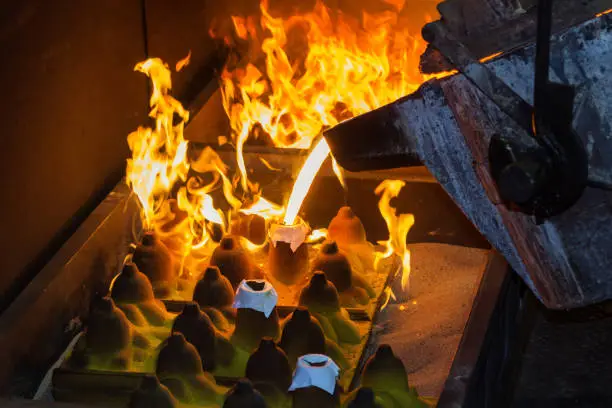
Problems with the surface's quality, like a rough roughness or metal sticking through the sand, can make it look bad and stop it from working properly. Aluminum can mix with the water in green sand to make hydrogen and boils on the surface. This doesn't happen because we control the wetness and sometimes like resin sands better for making metal. If the mold isn't protected by enough refractory layers, the high filling temperature of steel could lead to sand fusion. Metal fluidity affects the surface finish. Too much fluidity lets metal get between sand grains, while not enough fluidity leads to cold laps and misruns. For each metal, the cast needs to be prepared with the right binders, grain fineness, and protection coats. By understanding how these factors affect each other, we can make sure that the surface meets the requirements, reducing the need for extra finishing steps that add time and cost.
How to Make the Final Decision: Matching Metal Properties with Project Needs
The choice of metal balances technical needs with business facts, ensuring the best results for your unique manufacturing situation in sand casting.
Defining Functional Requirements Clearly
First, write down all of the efficiency requirements that your component must meet. Boundaries that can't be changed are set by operating temperature ranges, load conditions, external risks, and expected lifecycles. Engine frames for cars have to be able to handle temperature changes from -40°C to 150°C and dynamic shaking loads. When certain fluids are present at certain levels, pump housings must not rust. In addition to being able to block electromagnetic waves, electrical barriers need to be able to carry electricity or insulate it. We work with tech teams to sort needs into groups based on how important they are and how desirable they are. This makes it clear so that expensive materials aren't specified when normal alloys would do the job just as well. This saves money without lowering safety or dependability.
Evaluating Production Volume and Economics
Batch size has a big effect on the total cost of the part and the best metal to use. Since tooling costs are what determine unit economics, premium metals may be worth the extra cost for production runs below 100 pieces if the performance benefits are greater than the material costs. When the number of pieces is between 500 and 5,000, the focus shifts to making the best use of materials and increasing the casting output. We find the total cost by adding up the price of the metal, the work needed to melt and pour it, the permits for machining, the testing requirements, and the rate of scrap. Copper alloys usually cost more per pound than aluminum, but aluminum has a smaller density, which means that parts of the same weight can be made in different amounts. Knowing about these economics helps buying teams make accurate budget predictions and deal well with foundry suppliers.
Assessing Supplier Capabilities and Certifications
Choosing the right partner is just as important for the success of a project as choosing the right metal. Systematic quality management is shown by ISO 9001 certification, while industry-specific standards like IATF 16949 for automotive or AS9100 for aerospace show that the company has the right kind of knowledge. We make sure that the provider has the right melting equipment, temperature control systems, and testing tools to work with the metal you've chosen. Traceability paperwork is necessary for industries that are regulated; suppliers must keep track of material certifications from the time they buy the raw materials until they give the finished product. Fudebao Technology has a wide range of equipment, such as high-speed machining centers, CNC lathes, low-pressure casting machines, and die casting equipment. This equipment helps with the whole process, from melting the metal to treating the surface, and the accuracy is within ±0.05mm. This unified ability makes sure that the process is the same from making a pilot to mass output.
Considering Sustainability and Compliance
As companies commit to carbon reduction goals, environmental duty becomes a bigger factor in what people buy. Aluminum is easy to recycle, and only 5% of the energy used to make it is needed to melt it down again. This makes it a good choice for programs that focus on sustainability. Steel and iron are also very cheap to recycle, and copper's high value makes it easy to gather and use again. We look at how providers handle the environment, where their energy comes from, and how they cut down on waste. Regulatory compliance includes more than just protecting the environment. It also includes making sure that materials are safe. Parts for medical devices, food processing equipment, or drinking water systems need materials that have FDA, NSF, or similar standards. Making sure these standards are met when choosing a seller saves a lot of money on re-designs that are needed because of problems with compliance during the launch phase.
Conclusion
When picking the right metal for small-scale sand casting projects, it's important to look at its mechanical qualities, how it reacts to heat, how likely it is to develop defects, and how much it costs. Aluminum metals are great for lightweight uses that need to be resistant to corrosion, while cast iron is strong and durable for heavy machines. Bronze and copper metals are used when better conductivity or corrosion protection is needed, and steel is the strongest material for important parts that hold weight. Matching the properties of the material to specific performance needs, production numbers, and supplier skills is key to success. Working with casting partners who have a lot of experience and know both the science behind metals and the limitations of modern production will ensure the best results, balancing technical performance with cost-effectiveness and on-time delivery.
FAQ
What metal works best for beginners in small-scale sand casting?
For teams that are new to sand casting, aluminum metals are the most flexible option. When compared to steel or iron, these materials melt at temperatures around 660°C, which means they use less energy and tools. Aluminum is very fluid, so it covers mold holes fully, even in thin parts. This reduces the number of casting flaws that are caused by incomplete casting. In many situations, the alloy's natural oxide layer protects against tarnishing without the need for extra cleaning. Machinability is easy to achieve with standard carbide tools, which lets you do additional processes in-house. Because aluminum is easy to get through known supply lines and doesn't cost too much, it's a good material for prototyping and small production runs. We suggest starting with A356 or a similar silicon-containing metal. These have good casting qualities and can be used to make a lot of different industrial parts.
How do we estimate costs for different metals in sand casting projects?
Estimating costs involves looking at more than just the price of raw materials. The prices of materials are very different. For example, aluminum is usually priced fairly per pound, copper metals are very expensive, and steel, based on the grade, is somewhere in the middle. Figure out how much metal is needed, taking into account the casting itself, the gate and lift systems (which are thrown away), and the normal yield losses that happen when the metal is melted and poured. Take into account the cost of energy to melt metals, which goes up a lot for high-temperature metals like steel. Include machining limits; metals that are harder to cast need bigger walls and more work to get them to the right size. Think about the checking needs, because some metal need to be tested with X-rays or ultrasonic waves to make sure they are safe on the inside. Ask several foundry suppliers for thorough quotes that break down the prices of materials, processing, finishing, and quality control. This will allow you to make accurate comparisons and plan your budget.
Where can we get approved metals for businesses that need to follow rules?
Industries that are regulated, like nuclear power, medical products, and aircraft, need materials that can be fully tracked and have proof of compliance. Reputable foundries work with certified material sources who give mill test certificates for each heat of metal that show its chemical makeup, mechanical qualities, and where it came from. Keep an eye out for suppliers that are registered with industry-specific oversight groups, like Nadcap for aircraft or FDA-registered facilities for medical uses. For example, AMS specs for aircraft aluminum or ASTM standards for medical-grade alloys should be used as references in material approvals. We keep detailed records of every casting, from the time we receive the raw materials to the time it is inspected for quality assurance. This way, we can fully trace each casting. During the quotation process, ask for certificate packages to make sure the seller can do what you need before you commit to production. Verification of material qualities can be done by third-party testing labs if more proof is needed for important uses.
Partner With Fudebao Technology for Your Sand Casting Needs
Zhejiang Fudebao Technology Co., Ltd. is an expert in precision cutting and casting in aluminum alloy, copper alloy, and stainless steel. They work with companies around the world that make cars, industrial equipment, machinery, and aerospace parts. Our center handles the whole process, from melting to casting, finishing, and surface treatment. This means that we can provide full solutions, from blank parts to finished ones, with accuracy up to ±0.05mm. We have high-speed machining centers, CNC lathes, low-pressure casting machines, and die casting tools, so we can handle projects of any size, from making prototypes to mass production. As a reliable sand casting company that works with global names like American HAAS automation systems and ESS energy storage solutions, we know exactly what global buying teams need. Email our technical team at hank.shen@fdbcasting.com to talk about your unique material selection problems, get full quotes, and find out how our ISO-certified services can help your next project succeed.
References
American Foundry Society. (2019). Casting Design and Performance. Des Plaines, IL: American Foundry Society Publications.
Campbell, J. (2015). Complete Casting Handbook: Metal Casting Processes, Metallurgy, Techniques and Design (2nd ed.). Oxford: Butterworth-Heinemann.
Davis, J.R. (Ed.). (1996). Cast Irons (ASM Specialty Handbook). Materials Park, OH: ASM International.
Kaufman, J.G., & Rooy, E.L. (2004). Aluminum Alloy Castings: Properties, Processes, and Applications. Materials Park, OH: ASM International.
Beeley, P.R., & Smart, R.F. (1995). Investment Casting. London: Institute of Materials.
Brown, J.R. (2000). Foseco Ferrous Foundryman's Handbook (11th ed.). Oxford: Butterworth-Heinemann.



YOU MAY LIKE
_1756360265131.webp "Aluminum casting chair legs")
_1756346205762.webp "hinge casting")
_1756346144394.webp "aluminum die casting hinge")