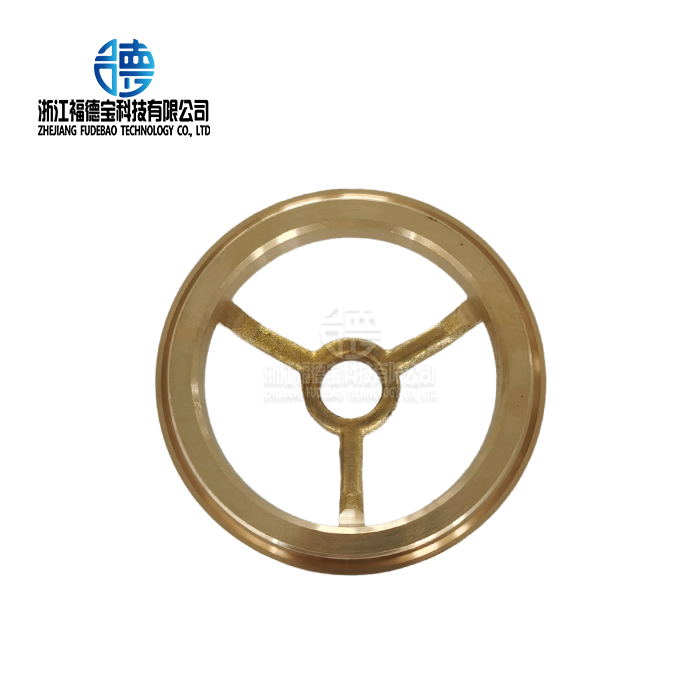
Typical Materials Used in Low Pressure Casting Applications
2026-04-09
Low pressure casting is now an important way to make high-quality metal parts for many businesses that need them to be precise and reliable. Controlled pneumatic pressure, usually between 20 and 100 kPa, is used to push liquid metal into mold holes from below. This creates a counter-gravity flow that keeps flaws and turbulence to a minimum. It is very important to choose the right material for this controlled environment because each alloy reacts differently to the process's temperature gradients, solidification rates, and feeding processes. Aluminum alloys are most often used when strength and lightness are needed. Magnesium, copper-based materials, and specialized alloys play important but less common roles in the making of car, aircraft, electrical, and industrial equipment.
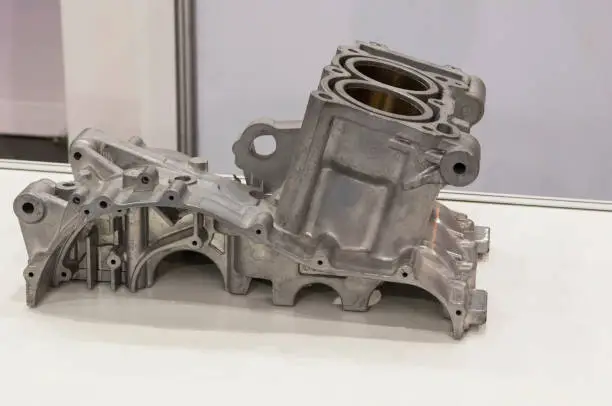
Understanding Low Pressure Casting and Its Role in Material Selection
The way we choose directly affects which materials will work best when we think about precision metal making. Low pressure casting is different from both gravity filling and high-pressure die casting in the way it works. Through a vertical riser tube, a sealed holding oven is linked to a fixed mold. Controlled air or inert gas pressure pushes the liquid metal up into the hole at a speed that stops oxide formation and air trapping, two common ways that gravity casting fails.
Why Material Selection Drives Process Success?
The materials we choose have to be able to work with the special heat and pressure conditions of this casting method. In high-pressure die casting, injection speeds of more than 40 meters per second create turbulent flow. Low pressure casting methods, on the other hand, let us use metals that work best with laminar flow because of their gentle filling. This controlled mold filling makes it easier to feed the material while it's solidifying, which is especially important when dealing with metals that tend to shrink and leave holes.
Aluminum alloys like A356 and A413 do well in this setting because the way they solidify works well with the steady pressure that is present during the cooling cycle. The kiln stays under pressure until the casting is completely solid, which lets liquid metal keep flowing into areas that are shrinking in size. This process greatly lowers interior voids and boosts mechanical properties, which is a huge benefit for suspension parts in cars and structure parts in spacecraft.
Key Process Variables Affecting Material Behavior
The quality of the end casting is determined by how several process factors work with the properties of the material. If the temperature of the pour is too high, too much grain could grow, and if it's too low, the mold might not fill all the way, especially in thin-walled parts. The velocity profile at the gate is set by the pressure rise curve that is written into the control system. To keep flow fronts constant, materials that are less fluid, like some copper metals, need to have their pressure ramps changed.
When working with aluminum-silicon metals that have been changed with strontium, controlling the solidification process becomes very complicated. When these materials are cooled at certain rates, they become more flexible. The permanent mold's thermal mass and controlled pressure keeping make the perfect conditions for creating the desired microstructure. The way that alloy makeup, heat conductivity, and process control work together is what makes material choice and process design so closely linked in successful operations.
Typical Materials Used in Low Pressure Casting: Overview and Applications
There are a lot of different metal families that can be used for this casting method, and each one has its own benefits for different uses. Knowing about these choices helps procurement workers and engineers match the powers of materials with the needs of components.
Aluminum Alloys: The Workhorses of Modern Casting
In low pressure casting uses, aluminum-silicon alloys are the most common type of material used. The industry norm for safety-critical car parts is now A356 alloy, which has about 7% silicon and 0.3% magnesium. This mixture is a great mix of being easy to cast, strong after T6 heat treatment, and resistant to rust. The silicon presence makes the material flow better when it's being poured into a mold, and the magnesium helps the precipitation hardening process reach tensile strengths of over 280 MPa with elongations of 5–8%.
A380 aluminum alloy is another material that is often used. However, because it has more copper in it, it is not as good for places where rust is likely to happen. We usually suggest this metal for electrical housings and motor parts where its better thermal and electrical qualities are more important than worries about being exposed to the environment. When low pressure casting is used, the controlled filling stops porosity problems that would normally hurt electrical performance in high-conductivity situations.
A413 metal is used in specific situations that need to be very tight under pressure. Its make-up—about 12% silicon—makes it eutectic, which means it doesn't shrink much when it solidifies. This quality is helpful for transmission housings and cylinder heads because the internal openings have to be able to handle hydraulic forces without leaking. Leak rates are almost impossible to find in pneumatic tests because prolonged pressure feeding creates a dense microstructure.
Magnesium Alloys for Weight-Critical Applications
More and more, the aerospace and speed car industries are asking for magnesium alloys like AZ91D to be used in parts where every gram counts. Magnesium is about two-thirds as dense as aluminum, which means that parts made of magnesium can be 25–30% lighter than parts made of aluminum. The trouble with magnesium is that it is reactive and can only be processed in a small range of temperatures. These worries can be put to rest with low pressure casting, which has a safe atmosphere and a sealed furnace system.
When switching from aluminum to magnesium, the process factors need to be carefully changed. Because magnesium has a higher heat of fusion and a tendency to hot crack, mold temperatures are usually 50–70°C lower. It is especially helpful to use continuous pressure feeding because magnesium metals shrink a lot during solidification, which would leave holes if they weren't fixed.
Copper Alloys in Electrical and Thermal Management Components
Even though they are not as popular as aluminum, products made from copper are very important in the energy and electrical equipment industries. Silicon bronze and aluminum bronze metals can be made successfully using low pressure casting methods when the shape of the part has thick sections that need a strong internal structure. These materials are used in electrical connectors, heat exchanges, and motor housings because they are good at conducting electricity and heat, which metal can't do.
Copper metals have higher melting points than aluminum, usually between 950 and 1050°C compared to 650 to 750°C. This means that special equipment needs to be used. Higher temperatures put more stress on furnace linings, rising tubes, and mold materials, and cycle times get longer because of this. But controlled pressure feeding gets rid of porosity, which makes these trade-offs worth it in situations where material qualities determine how well a part works.
Specialized Alloys and Emerging Materials
For parts of industrial tools that are subject to heavy wear or impact loads, ductile iron or steel metals are sometimes needed. Low pressure casting permanent mold processes can make small to medium-sized metal parts with physical accuracy that can't be achieved with disposable mold methods. These processes are usually associated with sand casting. The better surface finish and tighter specs are good for gearbox housings and pump cases.
The limits of what low pressure casting can make are still being pushed by research into metal matrix alloys and mixed materials. Aluminum alloys that are strengthened with ceramic particles or discontinuous strands show promise for uses that need better resistance to wear or less heat expansion. The process's gentle mold filling keeps fibers from breaking and reinforcements evenly distributed, which are problems that often happen with high-velocity casting methods.
Material Selection Guidelines and Best Practices for Low Pressure Casting
There are many technical and business factors that need to be balanced when picking the right material. The following framework helps engineers and people who work in buying make this choice.
Matching Material Properties to Component Requirements
The first thing we do is set the mechanical speed limit. Tensile values above 260 MPa and minimum elongations of 5% after T6 treatment are usually needed for automotive suspension parts. A356 aluminum easily meets these requirements. Because electrical housings care more about how well they carry electricity and how resistant they are to corrosion than how strong they are, A413 or even copper metals are good choices, even though they cost more. For aerospace uses that need the best strength-to-weight ratios and clear traceability, premium-grade A356 with tightly controlled chemistry is often specified.
When choosing a material for parts that will be heated and cooled over time or that need to stay the same size across a range of temperatures, thermal features play a role. The thermal expansion values for aluminum alloys are usually around 22 × 10⁻⁶/°C, while those for magnesium alloys are a bit higher at 26 × 10⁻⁷/°C. Differential expansion must be taken into account when parts of different materials are put together so that fasteners don't come loose or seals don't fail during heat cycles.
Corrosion protection is very different between metal families and even between types of aluminum. Copper-based alloys are less resistant to corrosion in air and salt water, which means they can't be used on the outside of cars or in sea settings. The small amount of copper in the A356 combination makes a stable oxide layer that covers the metal below. Anodizing or powder coating are surface processes that depend on a solid, hole-free surface that can be achieved through controlled low pressure casting. They can be used when corrosion protection is very high.
Processing Temperature Windows and Equipment Compatibility
For each metal family to work, the equipment needs to be able to handle a certain range of temperatures. Aluminum alloys are usually poured at temperatures between 680°C and 720°C, with the risk of too much oxide formation and hydrogen absorption set against the superheat above the liquidus temperature. To make sure that the fluidity and filling behavior is the same across multiple holes or repeated shots, furnace systems must keep the temperature uniform within ±5°C.
To keep magnesium metals from oxidizing and possibly catching fire, they need safe atmospheres, which are usually SF₆ or other cover gases. The boiler and transfer systems need to be kept closed and watched all the time. Mold temperatures for magnesium are usually between 200°C and 250°C, while mold temperatures for aluminum alloys are between 280°C and 350°C. This difference in temperature changes cycle times and energy use, which in turn change the total cost of production.
Copper metals are the most difficult to heat because their melting points are close to 1050°C. To stand up to the heat and chemicals that come from molten copper, riser tubes often need unusual materials like silicon carbide or special refractories. When buying teams compare casting methods for brass or bronze parts, they need to think about how the higher heat content affects cooling times and mold wear.
Design Considerations Influencing Material Selection
Wall width has a big impact on both the choice of material and the success of the casting. In low pressure casting, the thinnest layer that can be made is usually between 2.5 and 3.5 mm, but this depends on how flexible the metal is and how far it flows. Near-eutectic aluminum-silicon alloys can fill smaller parts than off-eutectic alloys, but magnesium's lower fluidity means that the thinnest thickness that can be used is about 3 mm.
Draft angles affect dimensional standards and make it easier for parts to come out of fixed molds. To keep materials from sticking and getting damaged during extraction, draft angles need to be bigger for materials with higher temperature expansion coefficients. Depending on the part's depth and material, we usually say 1.5 to 3.0 degrees of draft. Designs with undercuts need side cores or slides, which adds complexity and cost that can't be eliminated by material choice alone but can be managed with better release qualities from the right metal choice.
When parts have different thicknesses, the link between design geometry and material capability is even more important. Aluminum alloys can handle changes in thickness better than materials that solidify over a wider range. Gradual changes of 3:1 ratios help keep directional solidification and feeding efficiency high. This lowers the risk of isolated hot spots that can't be fed properly even with constant pressure.
Procurement Considerations for Low Pressure Casting Materials and Services
To find high-quality casts, you need to look at sources in more than just piece-price comparisons. The following things set capable partners apart from weak sellers.
Supplier Qualification and Quality Systems
Industry standards say that certification to ISO 9001 is enough, but safety-critical apps need more. Automotive tier providers need to be IATF 16949 certified because it includes standards for the Production Part Approval Process (PPAP) and advanced quality planning methods. For special processes like heat treatment and non-destructive testing, aerospace uses need both AS9100 certification and NADCAP approval.
We're looking for providers who can show that they've used statistical process control and that their documented Cpk values for key characteristics are higher than 1.33. Control charts that show the chemistry, mechanical qualities, and dimensions of a metal are concrete proof that the process is stable. Being able to make low pressure casting paperwork packages that include design records, process flow diagrams, FMEAs, control plans, and measurement system analyses shows that operations are mature, which is directly linked to the stability of long-term supply.
Professional businesses are set apart from basic job shops by their use of material tracking systems. During the casting, heat treatment, and finishing steps, each heat of material should be marked. Traceability is even more important when the standard calls for test bars to be cut from real castings instead of samples that were made separately. Suppliers who use ERP systems that collect data from the shop floor give buying teams the insight they need to handle complicated supply lines.
Crafting Effective RFQs for Low Pressure Casting
Request for quotation papers need to include all technical requirements so that quotes are correct and there are no mistakes. We suggest adding thorough models with geometric measurements and tolerances that meet ASME Y14.5 standards. Specifications for materials should include references to well-known standards, such as ASTM B108 for aluminum permanent mold castings or other foreign standards that are similar. They should also include any unique chemistry needs.
In order for mechanical property standards to be met, test methods, sample locations, and acceptance factors must be made clear. If you say "minimum tensile strength 280 MPa" without saying whether test bars are made separately or cut from castings, it's not clear, which will eventually lead to disagreements. Heat treatment needs to be based on relevant standards, such as AMS 2770 for aluminum alloys, and other methods that produce the same results should be accepted.
Expectations for the surface finish, visual acceptance standards, and leak tests must be made clear in the procurement papers. Using standards like ASTM E155 for x-ray exams gets rid of the need for biased assessment of porosity acceptance levels. Forecasts of annual volume, expected order patterns, and preferences for inventory management help sellers come up with price structures that meet the needs of the business, rather than just giving generic quotes.
Equipment and Technology Capabilities
The casting tools that possible suppliers use has a direct effect on how well they can make consistent, high-quality parts. Closed-loop pressure control and customizable pressure rise curves are built into modern low pressure casting tools. This technology lets you adjust the filling speed rates to fit each metal and part shape, which isn't possible with simple pneumatic systems that require you to manually control the pressure.
Simulation software is used in advanced operations to find the best gate design, guess how the steel will solidify, and find places where defects might happen before cutting steel for production tools. Suppliers who spend money on Flow-3D, MAGMA, or ProCAST modeling show that they want to use engineering-based methods for process development instead of trying things out and seeing what works and what doesn't. This technical ability cuts down on development time and the number of expensive hardware iterations that need to be done.
The way you choose mold materials and take care of your tools shows how sophisticated your operations are. When heated to 44–48 HRC, H13 tool steel molds get the hardness they need to stay the same size while still being tough enough to avoid thermal stress breaking. Regularly using refractory die coats saves mold surfaces and makes it easier to remove parts. Quality and delivery performance are more reliable when suppliers have written preventive repair plans and systems that track the life of tools.
Conclusion
To choose the right materials for low pressure casting jobs, you need to know how the properties of the alloy, the powers of the process, the needs of the parts, and the skills of the provider all work together. Because they are cost-effective, easy to cast, and have good mechanical qualities, aluminum alloys are used a lot in automobile, aerospace, and industry settings. Magnesium and copper alloys are used in specific situations where their special qualities make the processes more difficult. This casting method's controlled filling and sustained pressure feeding make it possible to get mechanical performance that can't be achieved with gravity or high-pressure methods. This makes choosing the right material a strategic decision that affects the quality of the product, the cost of production, and its long-term dependability.
FAQ
What kinds of aluminum metals are used most often in low pressure casting?
About 7% silicon and 0.3% magnesium make up A356 aluminum alloy, which is the most commonly used material. After being heated to T6, this mixture has great mechanical qualities, the ability to be cast, and the ability to prevent corrosion. Because it has a eutectic silicon content of about 12%, A413 metal is used in places where maximum pressure tightness is needed. This is because it reduces solidification shrinking. Even though it doesn't prevent rust as well as A356, A380 is used in electrical parts because it conducts electricity better thanks to its higher copper content.
Can different kinds of materials be made using low pressure casting in the same facility?
Different alloy types can be processed in facilities with dedicated furnace systems. However, aluminum and magnesium usually need separate equipment because of worries about pollution and the need to control the atmosphere. With the right melt control and furnace cleaning steps, it is possible to switch between aluminum alloys like A356 and A380 in the same system. For copper alloys to work, they need special high-temperature tools and are usually made in different cells from lines that make aluminum.
In low pressure casting, how does the choice of material affect the cycle time?
The temperature qualities of the alloy have a direct effect on the solidification time, which is the longest part of the casting cycle. Aluminum alloys that contain more silicon harden faster than off-eutectic formulas, which could cut cycle times by 10-15%. Magnesium's higher heat of fusion makes cooling last longer, even though it pours at lower temperatures. Copper alloys need much longer cycles because they have higher melting points and more heat. Material properties, wall thickness, and part shape all work together to determine the real cycle times for different parts.
Partner with Fudebao Technology for Precision Low Pressure Casting Solutions
To get through the complicated steps of choosing materials and checking out suppliers, you need a partner who has experience with all areas of manufacturing. Fudebao Technology can do everything from melt preparation to precision machining and surface treatment all in-house. This means that we can supply parts for the automobile, aerospace, industrial equipment, and electrical sectors all in one place. Our building has cutting-edge CNC machine centers, precision lathes, and state-of-the-art casting equipment that can regularly achieve tolerances of ±0.05mm, which is exactly what your important projects need.
We are a well-known low pressure casting company that works with global OEMs and tier-1 providers. We know that choosing the right material is only the first step in making a good component. Our engineering team works together with your purchasing and technical experts to choose the best metal, improve casting designs, and set up strong quality control methods that are in line with PPAP, ASTM, and industry standards. Our knowledge of materials and process control give your supply chain the stability it needs, whether you're looking for A356 aluminum housings for electric car motors, precision magnesium parts for aerospace uses, or copper alloy electrical connectors.
Contact our team at hank.shen@fdbcasting.com to talk about the specific parts you need and find out how our wide range of production services can improve the stability of your supply chain while lowering the total cost of ownership.
References
American Foundry Society. "Aluminum Casting Technology: Permanent Mold and Low Pressure Processes." 4th Edition, 2019.
Campbell, John. "Complete Casting Handbook: Metal Casting Processes, Metallurgy, Techniques and Design." Butterworth-Heinemann, 2nd Edition, 2015.
ASM International Handbook Committee. "ASM Handbook Volume 15: Casting." ASM International, 2008.
Kaufman, J. Gilbert and Rooy, Elwin L. "Aluminum Alloy Castings: Properties, Processes, and Applications." ASM International, 2004.
North American Die Casting Association. "Product Specification Standards for Die Castings Produced by the Semi-Solid and Squeeze Casting Processes." NADCA, 2016.
European Aluminium Association. "The Aluminium Automotive Manual: Casting Design and Properties." Edition 2013.



YOU MAY LIKE
_1756352822273.webp "Stainless steel plugs")
_1756348356531.webp "Automobile engine oil pan")
_1756346144394.webp "aluminum die casting hinge")