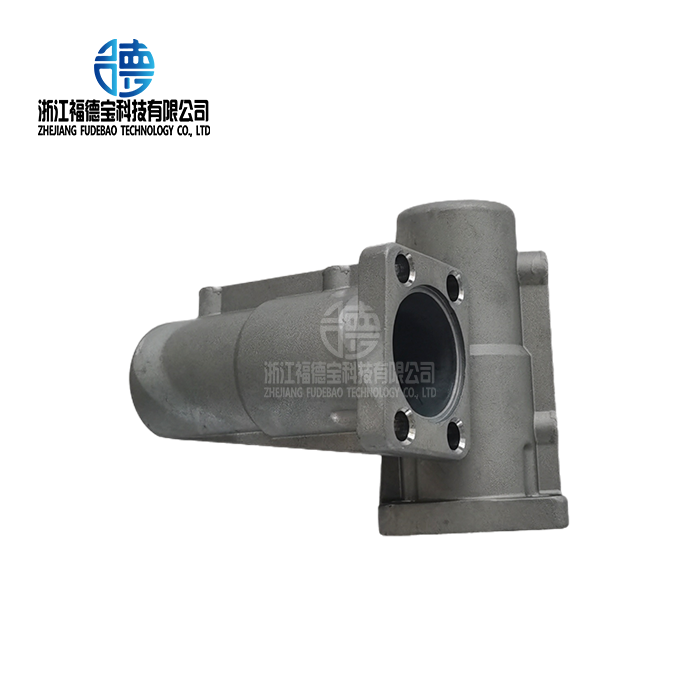
What are Common Defects in Sand Casting and How to Prevent Them?
2026-04-10
Common defects in sand casting include porosity, shrinkage cavities, sand inclusions, cold shuts, and surface irregularities that compromise structural integrity and dimensional accuracy. Prevention requires meticulous control over mold design, sand quality, pouring temperature, and cooling rates. By implementing rigorous process controls—such as proper gating systems, optimized metal chemistry, adequate venting, and systematic quality inspection—manufacturers can significantly reduce defect occurrence. Understanding these imperfections and their prevention methods is essential for procurement teams seeking reliable casting suppliers who deliver components that meet stringent automotive, industrial machinery, and energy sector specifications without costly rework or performance failures.
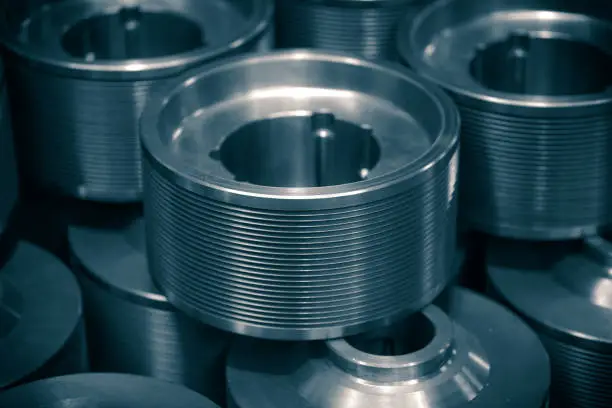
Understanding Common Defects in Sand Casting
In modern manufacturing, sand casting is still one of the most flexible ways to shape metal, but flaws can ruin the mechanical features and look of final parts. When engineering managers and sourcing directors look at possible suppliers, catching these flaws early in the procurement process helps keep production plans on track and protects the brand's image. There are three main types of defects, and each one makes it harder for the part to work properly.
Surface Defects That Impact Appearance and Function
Surface imperfections are the most obvious type of flaw in casting. When mold surfaces wear down or sand particles get stuck during the filling process, rough textures like scabs and rat tails show up on the outside of casts. Not only do these flaws look bad, but they can also cause stress to build up in mechanical uses. When liquid alloy seeps into the sand mold, metal penetration happens. This makes the surface rough and hard to machine, so it needs to be ground down a lot. We've seen that these kinds of surface differences can't be used on parts that are going to be used in car housings or electrical casings because they mess up gasket seals and coatings that resist corrosion.
Dimensional Defects Affecting Assembly and Fit
Dimensional errors happen when the mold is warped, the pattern wears out, or the core is not placed correctly. When uneven cooling causes internal stresses that pull the casting out of its original shape, this is called warpage. Misruns happen when the metal doesn't fill the mold hole all the way. This leaves gaps in the parts that make them useless. When parts that aren't free can't handle solidification shrinkage, hot tears appear as interior cracks. Parts of industrial machinery like pump housings and gearbox covers need to be very precise so that they fit properly with bearings and seals. Even small differences in dimensions can lead to assembly problems that stop production lines and require expensive repairs.
Internal Defects Compromising Structural Integrity
Internal flaws, which are hidden below the surface, are the biggest threat to the reliability of a component. Gas porosity looks like tiny holes that form when trapped gases can't get out of the mold while it hardens. When the alloy shrinks, it leaves gaps in thick parts where it wasn't fed enough liquid metal. These gaps are called shrinkage holes. Inclusions are sand particles, slag, or oxide films that are mixed in with the metal core. They act as stress concentrators that cause fatigue cracks to form. These hidden flaws are found before parts are put into service using non-destructive testing methods like X-ray scanning and ultrasonic screening. Applications in aerospace and defense need to be completely free of these kinds of flaws, because failures during operation are not acceptable.
Root Causes of Sand Casting Defects
Instead of just checking for defects, makers and procurement teams can take specific steps to stop them by figuring out why they happen. Imperfections in sand casting can be traced back to the choice of material, how the process is carried out, and the working conditions—all of which are things that skilled foundries actively control.
Material-Related Factors
The makeup of the sand directly affects how strong and permeable the mold is. If you use low-quality silica sand with unevenly sized grains, the walls of your mold will be weak and will break when the metal melts. Whether they are made of chemical resins or clay-based green sand, binder systems must provide enough structure while still letting gas escape. Mold erosion and sand particles happen when there isn't enough binder material, and porosity happens when there is too much. The chemistry of the metal is also very important. Alloys that dissolve easily in gases or have a wide range of solidification temperatures are more likely to shrink and become porous. We carefully choose aluminum alloys like A356 and copper alloys such as C95400 because they are good for casting and have good mechanical qualities that make them useful for tough jobs.
Process-Related Deficiencies
Mold design has a big impact on the quality of the casting. When gate systems aren't working right, they cause uneven flow that brings in air and wears away mold surfaces. If the steps aren't strong enough, they can't feed metal that is shrinking in heavy parts, which leaves holes. If you don't control the pouring temperature correctly, the metal will go through the sand or make too much gas. If it's too cold, misruns or cold shuts will happen where the metal streams don't bond. Pouring speed needs to be a mix between quickly filled cavities and turbulence that causes flaws. Managing the cooling rate keeps complicated shapes from cracking and thermal stress. Maintaining patterns is important for making sure that the dimensions of each run of production are the same, since worn patterns lead to casts that are too big or too small.
Equipment and Environmental Influences
The state of foundry tools affects quality and consistency. Slag and oxides get into the melt through worn ladles. Furnaces that aren't well taken care of can't reach the right level of superheat or degassing. When sand mixing tools isn't up to par, mold qualities aren't always the same. Changes in the environment, like humidity, can affect the amount of water in green sand and the strength of mold. Similarly, changes in temperature can affect how metal flows and hardens. To keep these factors to a minimum, we spend money on calibrating our tools regularly and keeping our production areas under tight control. At our plant, we keep shaping areas at a constant temperature and set up preventative maintenance plans for melting furnaces, mixers, and handling equipment to make sure they work as they should.
Best Practices to Prevent Sand Casting Defects
Preventing flaws in sand casting starts long before metal meets mold. Planning strategically throughout the whole casting process, from design to checking, lowers the amount of waste and makes sure that parts meet technical requirements. The following actions have been shown to help tell the difference between trusted providers and producers who don't always do what they say they will.
Optimizing Mold Design and Gating Systems
The right design of gates controls the speed and direction of metal flow to reduce noise and air trapping. The gates are put in the thickest parts, and the runners are made with smooth changes that encourage laminar flow. Directional solidification rules tell us where to put the risers so that the hottest metal can still feed the smaller parts. Venting pathways let gases that are trapped leave without creating back-pressure, which makes the material porous. Putting chills in key areas speeds up the cooling process to improve the structure of the grains and stop them from shrinking. Computer-aided design tools let us virtually model these systems and find trouble spots before the patterns are made. This earlier investment in engineering cuts down on iterations of trying things and failing, which speeds up the time it takes to make new component designs.
Selecting Superior Sand Materials and Control Parameters
The choice of sand strikes a mix between cost and effectiveness. We ask for high-quality silica sand with evenly spaced grains (usually 50–70 AFS) that has a great surface finish and lets water pass through it easily. When it comes to accuracy, resin-bonded sand methods are better than regular green sand. This is especially true for bigger castings that need tighter tolerances. To keep the best compactability and mold strength, the moisture level in green sand systems needs to be constantly checked and changed. We test the sand regularly, checking its permeability, compression strength, and loss-on-ignition to make sure that the mold qualities stay the same. Reclamation systems get rid of fines and fix up the properties of sand, which lowers the cost of materials while keeping quality high. This focus on foundry basics shows that we are dedicated to the process basics that support excellent casting.
Implementing Rigorous Quality Control Protocols
Quality assurance includes more than just the final review. It also includes watching the process at key control points while it's happening. We use precise pyrometers to check the pouring temperature and make sure it stays within the ranges given for each metal. Spectroscopic analysis checks the metal's chemistry before dumping, which keeps alloys from mixing and weakening its mechanical qualities. Non-destructive testing methods, like X-ray radiography to check for internal soundness and dye penetrant screening to check for surface cracks, find flaws in casts before they are machined to make them more valuable. Using coordinate measuring tools for dimensional checking makes sure that the product meets the print tolerances. Statistical process control charts show how many errors there are and what patterns need to be fixed. A case study from a major North American car provider showed how real-time process tracking cut their porosity flaw rate from 8.3% to less than 2.1% in just six months, which saved them a lot of money on rework and made delivery times better.
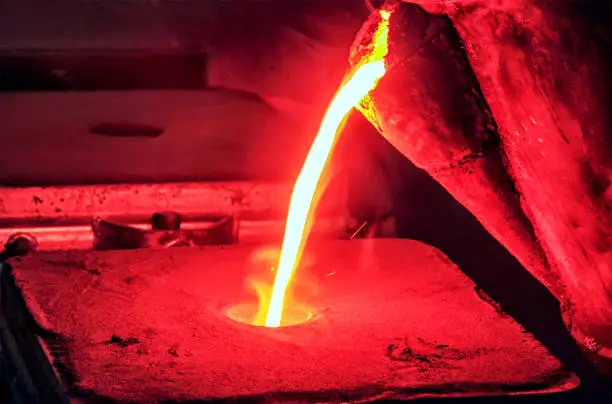
Advanced Solutions and Technologies Enhancing Sand Casting Quality
More and more, modern foundries use digital technologies and new materials to make sand casting of higher quality than ever before. These improvements allow for predictive flaw avoidance instead of reactive checking, which completely changes how we think about the reliability of production.
Casting Simulation Software for Predictive Analysis
Solidification modeling software has changed the way molds are made by letting designers know about defects before they happen. These programs model the flow of metal, the transfer of heat, and the progression of solidification. They find possible hot spots that are likely to shrink or places where turbulent filling may happen. During the quote phase, we use casting modeling to improve the design of the gates and risers. This gives buyers trust in our production process based on data. The software makes reports that show where defects are likely to be, which lets everyone work together to make changes to the design that make it easier to make. This virtual approval cuts down on the number of prototype versions and speeds up product launches. This is especially helpful for companies that make cars and industrial equipment that have to meet tight development deadlines.
Advanced Binder Systems and Sand Additives
Binder technology has improved with new chemicals that have made sand models more useful. Phenolic urethane cold-box binders give aluminum casts used in motor parts and electrical housings great surface finish and physical stability. Inorganic bonds stop the release of volatile organic compounds and make iron casts stronger at high temperatures. Iron oxide and graphite are added to sand to improve the surface quality by blocking the flow of hot metal across the sand grains. In high-temperature situations, anti-veining chemicals stop metal from penetrating. When choosing a binder system, we look at the casting needs and weigh performance factors against cost factors to get the best value.
IoT Integration and Smart Manufacturing
Internet of Things monitors let you keep an eye on important process factors all the way through the casting cycle. Sensors that measure temperature keep track of the heating of the mold, the dumping process, and the cooling profile, making sure that the process stays within the set windows. Sensors that measure humidity in places where sand is prepared make automatic changes to keep wetness levels stable. Our factory has set up a connected manufacturing system that collects data from many process stations and shows the state of output and quality metrics in real time. Automated alerts let workers know when parameters stray from what was specified. This lets them fix the problem right away, before it spreads to other casts. This data system helps with efforts to keep getting better by showing links between process variables and quality results that could be missed by looking at things by hand.
Conclusion
To keep sand casting from having flaws, you have to pay close attention to the choice of material, the control of the process, and quality checks all the way through the manufacturing process. Surface flaws, measurement errors, and internal breaks are all things that can hurt the performance of a component and its ability to compete in the market. However, best practices have been shown to make them much less likely to happen. Foundries can meet the high quality standards needed by the automobile, industrial machinery, electrical, and aircraft industries by using cutting edge technologies like casting modeling, smart tracking systems, and new binder formulations. If buying decision-makers choose a casting partner with a track record of defect management, flexible production skills, and a commitment to joint engineering, they can be sure that the supply chain will be reliable and that the total cost will be minimized.
FAQ
What causes gas porosity in sand castings?
When gases get stuck in metal that is hardening and can't get out through the mold, gas porosity forms. The main causes are too much water in green sand molds that turns into steam when it comes in touch with molten metal, hydrogen absorption from damp places or contaminated charge materials, and rough filling that adds air to the melt stream. To stop porosity, you need to control the amount of water in the sand, use rotating degassing or chemical fluxes to remove air from molten metal, and create gating systems that reduce turbulence while the mold is being filled.
How do I minimize shrinkage defects in large castings?
Shrinkage holes happen when there isn't enough liquid metal left to make up for the solidification shrinkage. To reduce the risk of failure, it's important to choose the right size and location of risers to keep the feeding paths to heavy sections open. You can also control the rate of cooling by placing chills or insulating to direct solidification toward the risers, and you should choose alloys with narrow solidification ranges that lower the tendency for them to shrink. Simulation software suggests areas that are likely to shrink during planning, so changes can be made before production starts.
Can non-destructive testing detect all internal defects?
Different types of defects can be picked up by different non-destructive testing methods. X-ray radiography is very good at finding gas holes and shrinking voids, but it might miss tight cracks or laminar inclusions that are parallel to the beam. Ultrasonic testing finds internal breaks by reflecting sound waves, but it needs to be interpreted correctly. Computed tomography lets you see the inside of something in three dimensions, but it costs more and takes longer to check. We use a variety of NDT methods that are tailored to the criticality of the part and the customer's needs to make sure that all defects are found.
Partner with a Trusted Sand Casting Manufacturer
Through advanced process controls and full quality systems, Zhejiang Fudebao Technology makes sure that their sand casting is defect-free and serve the automobile, industrial machinery, electrical, and aircraft industries. Our building has both old-fashioned foundry skills and new technologies, such as software for simulating casting, automatic tracking systems, and precise CNC machining centers that are accurate to within 0.05 mm. We keep full trackability throughout the whole production process, from checking the raw materials to doing the final inspection. This meets the standards for PPAP paperwork and certification. We have been a sand casting supplier for many years and work with foreign names like American HAAS automation machine tools and ESS energy storage systems. We know the high quality standards your projects need. Our expert team works with your engineering staff to make plans as easy to make as possible, which stops problems before they happen during production. Email our expert team at hank.shen@fdbcasting.com to talk about your unique casting needs and find out how our tried-and-true methods for preventing defects can improve the stability of your supply chain.
References
Campbell, J. (2015). Complete Casting Handbook: Metal Casting Processes, Metallurgy, Techniques and Design. Butterworth-Heinemann Publishing.
American Foundry Society. (2018). Metalcasting Process and Procedures Manual: Green Sand Molding Practices. AFS Technical Publications.
Brown, J.R. (2014). Foseco Ferrous Foundryman's Handbook (11th Edition). Butterworth-Heinemann Publishing.
Sias, R. (2017). Lost Foam Casting and Sand Casting Quality Control Methods. Modern Casting Magazine Technical Series.
International Organization for Standardization. (2019). ISO 8062-3: Geometrical Product Specifications - Dimensional and Geometrical Tolerances for Moulded Parts. ISO Standards Publication.
Beeley, P.R. (2016). Foundry Technology (2nd Edition): Principles and Practice of Metal Casting Defect Prevention. Elsevier Science & Technology.



YOU MAY LIKE
_1756361494985.webp "sliding block copper castings")
_1756352472762.webp "steel threaded plug")
_1756348300182.webp "Aluminum die-cast housing")
_1756346421748.webp "Aluminum casting telescopic bracket Parts")