Green Manufacturing in Copper Casting Industry
2026-05-25
Green manufacturing in copper casting is a big step toward more environmentally friendly ways of making things while still keeping the high performance standards that industry buyers want. This method uses environmentally friendly methods in every step of the casting process, from finding the raw materials to polishing the finished products. The result is parts that are better at conducting electricity, resisting rust, and being the right size. Modern copper foundries use closed-loop water systems, energy-efficient furnaces, and recycled alloy feedstock to cut carbon emissions by up to 40% compared to old ways of doing things. They are also able to meet the high quality standards needed by the automotive, electrical, and industrial machinery industries.
Understanding Green Manufacturing in Copper Casting
The Core Principles of Environmental Stewardship
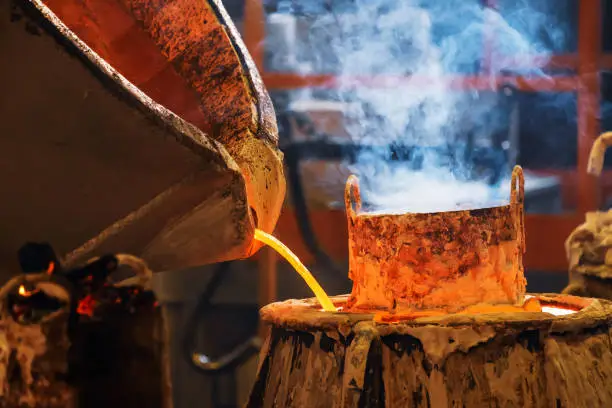
Environmental responsibility in metal making goes beyond following the rules. In the past, we knew that standard foundry processes used a lot of energy and made a lot of trash. These problems can be solved in modern green industry by improving processes in a planned way. Older systems that burned fuel are being replaced with energy-efficient induction heaters, which cut down on greenhouse gas emissions and make temperature control more accurate. Advanced filter systems catch particulate matter before it gets into the air. This protects the health of workers and people in the surrounding areas. Green manufacturing in copper casting ensures these systematic process optimizations protect both worker health and surrounding communities.
Critical Environmental Challenges in Traditional Casting
Conventional foundries have a number of environmental problems that don't go away. In the past, high-temperature heating processes used fossil fuels, which added to the growth of the carbon footprint. The amount of water used for cooling and cleaning put a strain on local resources, especially in places where freshwater is scarce. Mold production waste sand built up in dumps, making it hard to get rid of. In classic sand casting, chemical bonds let go of volatile organic compounds when the mold was poured. Because of these cumulative effects, leaders in the industry came up with new ways to make production more efficient while also being better for the environment.
Regulatory Frameworks Shaping Procurement Decisions
Tougher rules about the environment have a direct effect on how businesses buy things. The U.S. Environmental Protection Agency sets guidelines for air quality that have an effect on how foundries work. California's Proposition 65 limits the amount of heavy metals that can be used in parts, which can affect the choice of alloys. European Union rules like RoHS and REACH set examples that more and more American companies follow to keep their access to global markets. Along with standard quality measures, engineering managers and sourcing heads now look at a supplier's environmental certifications. Getting ISO 14001 approval shows that you take care of the environment in a planned way, and industry-specific guidelines make sure that sustainable practices are used all along the supply chain.
Sustainable Copper Casting Techniques and Processes
Comparing Traditional and Sustainable Casting Methods
When using the lost wax method for investment casting, a lot of wax waste was created and heating cycles that used a lot of energy were needed. Reclaimed wax methods that catch and reprocess up to 95% of pattern material are used in more environmentally friendly options. Instead of resins made from petroleum, sand casting companies now use binders made from green sources that are better for the earth. Because these bio-based binders break down naturally, there is no need to get rid of toxic trash. Permanent mold copper casting uses durable steel dies that can be used thousands of times, which means less use of disposable materials. This makes it a great choice for high-volume production runs in car applications.
Recycled Copper and Eco-Friendly Alloys
Today, recycled copper is used in ethical industry for the following reasons:
Material Performance Integrity: After being remelted, recycled copper keeps all of its electrical and mechanical qualities. Some materials break down when they are recycled, but copper's atomic structure stays the same even after many handling rounds. Because of this, salvaged copper can't be told apart from new copper when it comes to performance testing. It meets the high standards that electrical engineers need for motor housings and parts that distribute power.
Energy Consumption Reduction: Using leftover copper for processing takes about 85% less energy than getting new rock and refining it. This huge drop is because the digging, crushing, and electrolytic processing steps that used a lot of energy have been taken out. Not only does less mining use save energy, but it also protects natural areas and reduces the amount of trash called "tailings."
Alloy Flexibility: Modern spectrographic analysis lets you precisely control the metal makeup when working with recycled materials. To make sure that parts meet ASTM standards for brass, bronze, and copper-nickel metals, quality teams can check the chemistry of the materials. Procurement managers can be sure that sustainable sourcing doesn't hurt technology standards with this verification feature.
These benefits directly address the concerns of mechanical engineers and OEM project leads who put high standards for both environmental responsibility and performance above all else.
Energy-Efficient Furnace Technologies
Modern induction heating devices are a big step forward in how efficiently foundries work. These burners don't use burning to heat the metal; instead, they use electromagnetic fields to heat the metal directly. Temperature control gets more accurate, down to within ±5°C. This cuts down on waste from burning and makes the grain structure more consistent in the finished casts. In bigger operations, regenerative burner systems use the heat from the exhaust to warm up the air going in. This reuses energy that older designs wasted by letting it escape into the air. Ventilation systems with variable frequency drives change the flow of air based on real-time demand instead of always running at full capacity.
Green Mold Materials and Waste Minimization
Recycled refractory materials are now used in precise investment casting ceramic shell systems. This makes expensive high-temperature ceramics last longer. Solvent-based coatings are being replaced by water-based ones, which means that volatile organic compound emissions don't happen when the shell dries. Sand reclamation systems physically separate used casting sand from binder waste, which lets high-volume processes reuse more than 90% of the sand. Sand used in this closed-loop system is turned into a resource that can be used again and again, which lowers the cost of buying it and the amount of trash that needs to be thrown away.
Comparative Analysis: Green Copper Casting vs. Other Metal Casting Processes
Recyclability and Environmental Footprint Comparison
There are some things about copper casting alloys that make them stand out from other materials you might use. Aluminum casting has a lower density, which is good for uses that need to save weight, but it needs to be carefully separated into alloy families so that the mechanical qualities stay the same during recycling. During melting, steel casting makes scale and rust leftovers that make it harder to get the material back. Copper-based metals, like brass and bronze, don't rust as easily during reworking, which makes recycling easier. The value of the material itself encourages recycling and gathering, building established reverse logistics networks that buying directors can use.
Alloy Selection for Industry-Specific Green Priorities
For gearbox parts and suspension bushings, more and more automotive uses call for castings made of aluminum bronze. This copper-aluminum-iron combination has the self-lubricating qualities of bronze and the rust resistance of stainless steel. It doesn't need any extra coatings, which add steps to the manufacturing process and are bad for the environment. For electrical building projects, high-conductivity copper alloys are preferred because they reduce resistive losses in power transfer. This means that the component will use less energy during its entire working life. Industrial machinery makers choose lead-filled brass for valve bodies and fittings because the lead content makes the metal easier to machine, which cuts down on CNC cycle times and tool wear while keeping the pressure-tight integrity.
Casting Methods for Specialized Sustainable Applications
Permanent mold gravity casting works well for making electrical connections and heat reduction parts in middle quantities. The steel molds can be used more than once, so they don't cost as much as throwaway patterns. They also give electrical engineers the tight size margins they need for reliable contact surfaces. Low-pressure casting technology controls the speed at which metal flows, which lowers the number of flaws and oxide spots caused by turbulence that make electrical uses less reliable. Sand casting is still the best way to make big parts for industrial machines because it allows for more design freedom and lower tooling costs, which more than make up for the higher material use. This is especially true when foundries use full sand recycling systems.
Procurement Insights for Sustainable Copper Casting Solutions
Evaluating Supplier Sustainability Credentials
Technical buying teams should check a number of signs that a company really cares about the environment. Third-party certificates, such as ISO 14001, show that environmental management is orderly, not just a bunch of one-off projects. To compare how efficient different providers are, ask for proof of how much energy is used per kilogram of made material. Check out the waste stream reporting—responsible foundries keep meticulous records of scrap rates, recycling percentages, and dumping methods, just like they do with quality measures. Being open about how water is used and treated shows that the business is mature. Suppliers who care about the environment like building checks that let engineering managers see how copper casting operations are done firsthand.
Considerations for Custom Part Fabrication
Custom copper alloy parts need joint design methods that combine the need for performance with the limitations of long-term production. Expert foundries use Design for Manufacturability information to make sure that the casting shape is the best it can be so that the least amount of material is used while still keeping the structure's integrity. Optimizing wall thickness cuts down on the amount of metal without changing its mechanical features. This saves money on materials and energy during melting. With integrated machining, providers can send finished parts directly, so they don't have to be moved between casting and machining sites. This combination cuts down on carbon emissions and makes supply chain management easier for sourcing directors who are in charge of putting together complicated parts.
Long-Term Investment in Sustainable Partnerships
Strategic partnerships with makers who care about the environment offer benefits that go beyond individual deals. When suppliers invest in green technologies, they often get better process control, which means fewer defects and more accurate measurements all the time. Their focus on cutting down on waste drives methods for constant growth that lead to better results. When market conditions cause shortages of materials, stable supply chains are made possible by long-term partnerships with responsible providers. These companies usually keep more recycled fuel on hand, which protects them against changes in the price of raw material. When quality teams work with sellers who see precision and sustainability as goals that go hand in hand instead of fighting, they get better results.
Future Trends and Innovations in Green Copper Casting
Automation and IoT Integration
Through real-time tracking and adaptive control, smart foundry technologies change how well the world works. Wireless temperature monitors placed all over the furnace can quickly discover thermal inefficiencies and make the necessary changes so that no extra energy is wasted. Machine learning algorithms look at past data to figure out the best times to melt things so that batches are consolidated and the furnace cycles less often. Automated copper casting systems can precisely control the flow rates of metal that can't be done by hand. This reduces the turbulence that causes oxide spots and lowers output. Aerospace engineers and quality leaders who need traceability and statistical process control paperwork like these digital technologies.
Advanced Alloy Development and Closed-Loop Systems
Concerns about the environment and changing rules about drinkable water are both driving research into lead-free metal alloys. These new formulas keep the ability to be machined, which is what makes brass a good material for plumbing parts, but they get rid of the heavy metals. Closed-loop recycling systems that are built right into factories collect all the scrap that is made during finishing operations and put it back into the heating cycle right away. This combination gets rid of the energy and materials that are lost when recycling is done away from the spot. Some creative businesses use the heat that is released when casts cool down to warm up recovered materials that are coming in. This creates energy cascades that make every step of the production process more efficient.
Regulatory Evolution and Market Demand Shifts
New ways of pricing carbon will have a bigger impact on the economy of industry. As carbon costs become a part of price, foundries that already have a history of low emissions will have an edge over others. More and more, the government prefers to buy from companies that are good to the earth. This creates a market pull for sustainable practices. The renewable energy industries that need copper parts give priority to providers whose business practices match their environmental messages. Strategic sourcing teams know that how well their suppliers treat the environment has a direct effect on how well their own companies report on sustainability. This makes sure that business quality and market positioning are in line with each other.
Conclusion
In the copper casting industry, green manufacturing is more of a realistic business plan than an idealistic environmental policy. Energy-efficient technologies, systems that use recycled materials, and technologies that reduce trash all lower costs while meeting stricter standards from regulators. When business-to-business buyers in the aircraft, automobile, industrial machinery, and electrical infrastructure industries work with foundries that are committed to sustainable practices, they gain a competitive edge. These companies show how sophisticated their operations are by how well they treat the environment, which is usually linked to better quality control and process stability. Environmental responsibility is becoming more and more valued in the market. Using green copper casting partnerships early on puts procurement teams ahead of the curve when it comes to regulations and customer standards.
FAQ
How can I verify a supplier's sustainability claims in copper casting?
If a copper casting source says they are environmentally friendly, how can I be sure? Ask for specific proof, like ISO 14001 approval, data on how much energy is used per unit of production, and trash stream records with percentages of recycled materials. Legitimate providers give clear information and are open to site checks. Ask where their feedstock comes from; responsible foundries keep track of the amount of recovered content and can show the raw materials' chain of custody.
Do sustainable casting techniques compromise dimensional accuracy?
In many situations, sustainable methods make things more accurate. Induction furnaces use less energy and can control temperatures better than older combustion systems, which makes the uniformity of the metal better. Less turbulence caused by better casting methods lowers the number of flaws that affect the stability of the dimensions. Through better process control, many foundries find that making the surroundings better and improving quality work hand in hand.
What green processes help reduce casting defects?
By keeping air out of the mold while it's being filled, controlled pouring methods keep oxide formation to a minimum. Particles are taken out of the metal before it gets to the mold hole by advanced filtering. Precise furnace control lets you get the best cooling rates, which lowers the heat stress that leads to cracks. These environmentally friendly methods make both the environment and the reliability of parts better at the same time.
Partner with Fudebao Technology for Sustainable Copper Casting Solutions
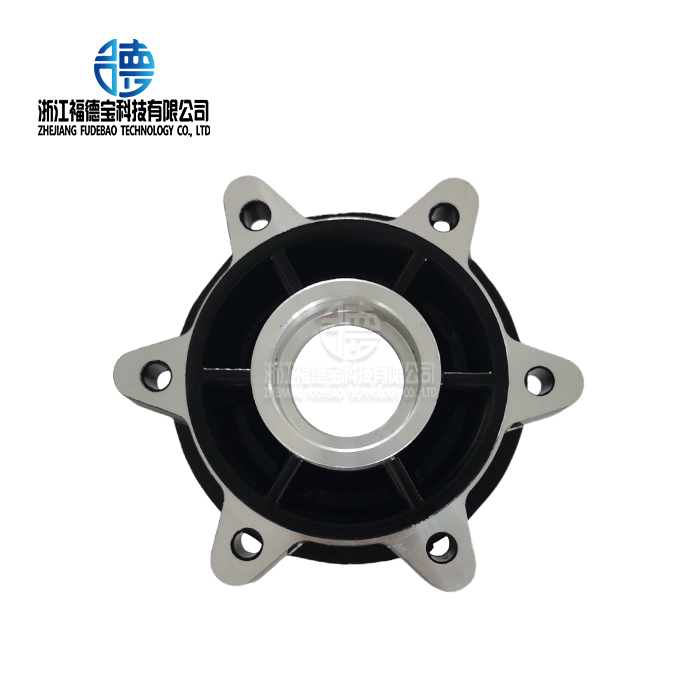
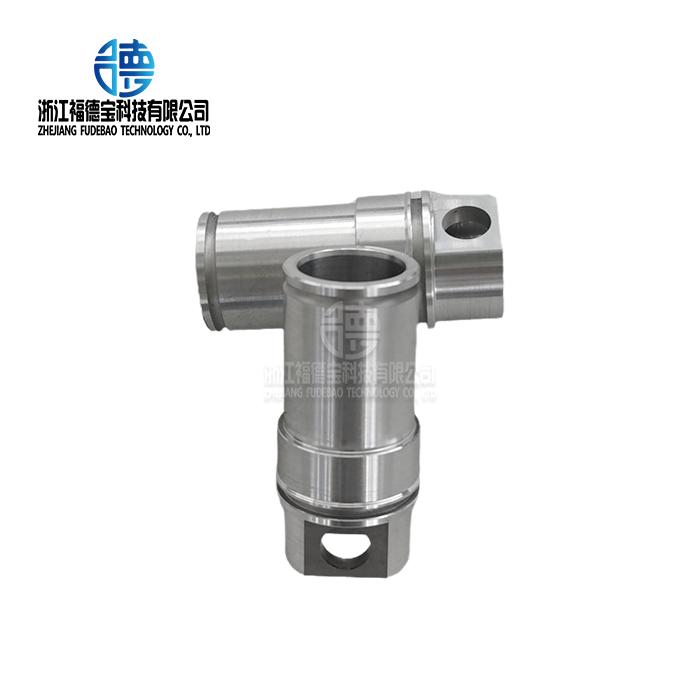
Precision copper casting parts from Zhejiang Fudebao Technology Co., Ltd. are made using eco-friendly methods that don't affect the accuracy of the dimensions or the performance of the material in your uses. Our combined skills in low-pressure casting, CNC machine centers with ±0.05mm accuracy, and full surface treatment get rid of the complexity of the supply chain and lower the carbon footprint caused by shipping. As a qualified copper casting maker, we work with electrical infrastructure projects, car OEMs, and manufacturers of industrial equipment all over North America. Along with strict quality certifications, we offer clear documentation on sustainability. Get in touch with hank.shen@fdbcasting.com to talk about how our green production services can help you find the best parts while also helping your company meet its environmental goals.
References
Davis, J.R. (2023). Copper and Copper Alloys: Sustainable Manufacturing Practices. ASM International Materials Reference Series, Third Edition.
Environmental Protection Agency. (2023). Foundry Operations: Best Available Control Technologies for Emission Reduction. EPA Technical Guidance Document 453/R-23-002.
International Copper Association. (2024). Life Cycle Assessment of Recycled Copper in Industrial Applications. ICA Sustainability Research Report.
Llewellyn, D.T. & Hudd, R.C. (2023). Steels and Copper Alloys: Comparative Environmental Footprints in Manufacturing. Oxford Materials Engineering Monographs.
National Institute of Standards and Technology. (2024). Energy Efficiency Standards for Metal Casting Operations. NIST Special Publication 1500-series.
Society of Manufacturing Engineers. (2024). Smart Foundry Technologies: IoT Integration for Sustainable Metal Casting. SME Technical Paper Series, Volume 47.



YOU MAY LIKE
_1756361494985.webp "sliding block copper castings")
_1756352561845.webp "stainless steel blanking plug")
_1756348780785.webp "porting turbo compressor housing")
_1756346668222.webp "Aluminum castings Decorative buckles")
_1756346570305.webp "Bracket aluminum casting")
_1756346144394.webp "aluminum die casting hinge")