Copper Casting Design Considerations for Industrial Equipment
2026-05-25
When engineering managers and procurement teams look at how to make parts for pumps, electrical housings, or heavy machinery, copper casting stands out as a smart metalworking option that strikes a good balance between conductivity, durability, and design freedom. This engineered process turns molten copper alloys into nearly net-shaped parts. It solves problems like complex internal shapes and heat control that can't be solved cost-effectively by milling from solid stock. Knowing the details of choosing the right alloy, controlling the process, and the skills of the provider all have a direct effect on the dependability and lifecycle costs of the equipment.

Understanding Copper Casting for Industrial Equipment
The Fundamentals of Copper Alloy Casting
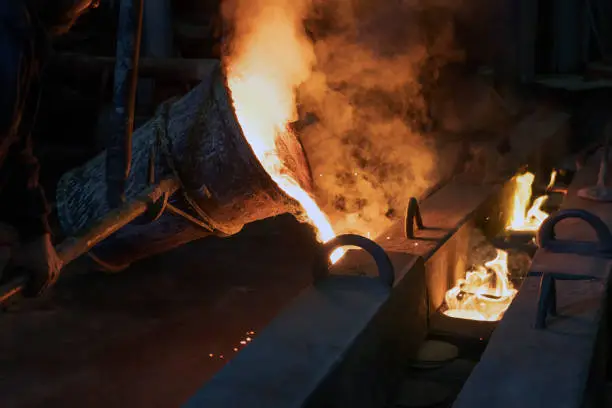
Copper casting is a way to turn liquid metal into useful parts by carefully cooling it down in precise shapes. The first step is choosing an alloy that fits the needs of the application. For example, electrical connections should be made of high-conductivity copper (99.9% purity), and marine areas should use aluminum bronze versions that don't rust. The process includes melting at up to 2,100°F, pouring into molds that have already been prepped, and controlled freezing to get the microstructures that are wanted. This way of making things gets around the physical limits of wrought processes, so it's possible to make parts that are all one piece but have features that would normally need to be machined together.
Common Casting Methods and Their Applications
Sand casting is still the most flexible way to make copper alloys because it can handle both complicated forms and small production runs. For this method, bonded sand molds are used, which can hold up to molten metal temperatures and still record tiny details. Through clay shell molds built around wax models, investment casting can achieve tighter tolerances (±0.005 inches), which makes it perfect for making valve bodies or connector housings with a lot of small details. Centrifugal casting uses spinning molds to spin liquid metal, making dense, flaw-free cylinders like bearing sleeves or pump impellers. Continuous casting makes a lot of things possible by pouring melted copper into molds that are cooled by water. This makes forms that are almost finished and can be finished off in other ways. The production rate, the complexity of the part, and the required measurement tolerances all play a role in choosing the method.
Comparative Advantages Over Alternative Materials
In some business settings, copper metals work better than other options. Copper is 60% better at conducting heat than aluminum, which is very important for heat exchanges and motor housings where overheating could damage the equipment. Copper-based alloys don't gall when border lubricant is used, which keeps heavily loaded bearings from seizing up. In abrasive slurry pumps, bronze plates resist wear better than steel, which means that repair times are longer. Naval engineering studies show that the material is 40% less likely to stick to living things than stainless steel, making it better for marine uses. Even though copper is more expensive as a raw material, these practical benefits make it a good choice.
Critical Design Considerations in Copper Casting
Alloy Selection for Performance Optimization
Different copper ratios meet the needs of different industries in copper casting. Tin bronze (C90500) is made of 88% copper and 10% tin. It has a very high compression strength, which makes it perfect for heavy-duty mining equipment worm gears and bushings. Aluminum bronze (C95400) has aluminum added to it to make protective oxide layers. This makes it 300% more resistant to corrosion in salt water than military brass in rapid tests. Silicon bronze is good for complicated shapes that need to be machined after they are cast because it is moderately strong and easy to work with while hot. Nickel-aluminum bronze types can handle cavitation loss in pumping situations with high speeds. Material datasheets help with choice, but the right alloy specification is eventually determined by chemical exposure, working temperatures, and stress cycles in the real world.
Temperature Control Throughout Casting Operations
Precision temperature control stops metallurgical flaws and makes sure that mechanical values are met. Pouring temperature affects how fluid the metal is and how well it fills the mold. For example, aluminum bronze needs 2,050°F to fully fill the hole, while lower temperatures lead to cold shuts and unfinished sections. The rate at which the grains cool down affects their structure. For example, grains that solidify quickly have higher strengths but also more leftover stress. By preheating the mold to 400 to 600°F and then cooling it slowly, these factors are balanced. This lowers the temperature differences that cause bending. Holding times at certain temperature ranges let gases that are dissolved escape, which reduces the number of pores. When foundries use automatic temperature tracking, they get consistency that can't be achieved with manual ways.
Preventing Common Casting Defects
Porosity happens when gases get caught or when solids shrink during solidification, which makes the structure less strong. When vacuum is used during filling, air gas absorption is cut down. This cuts the number of holes in the material by 70% in important situations. When isolated liquid areas solidify without metal resupply, shrinkage cavities form. To make up for the loss of volume, smart riser placement directs molten copper. When controlled solidification creates tensile stress, hot tears happen. Fillets and radii get rid of stress concentrations at joints. Castings can be contaminated by slag or mold material. The right gating design removes impurities through pathways that reduce turbulence. Design studies that find possible defect areas before the mold is made can save a lot of money on rework.
Enhancing Copper Casting Quality for Industrial Applications
Advanced Process Optimization Techniques
To keep the alloy's chemistry, modern foundries use controlled atmospheres when melting and pouring. Nitrogen blanketing stops oxygen from absorbing, which lowers conductivity. High-purity copper loses 20% of its electrical performance with only 0.1% oxygen present. When vacuum casting, the model spaces are emptied to 50 millitorr, which gets rid of the gas pockets that cause subsurface holes that can only be seen with an x-ray. Computer-aided solidification modeling predicts temperature gradients and finds the best riser sizes and chill places before the real tests. With these methods, casting goes from being a craft to a precise engineering task, making it possible for businesses that care about quality to make the same thing over and over again.
Mold Design for Material Efficiency
Gating systems in copper casting control the speed and direction of metal flow, which has a direct effect on the quality of the casting. Bottom gating puts liquid copper below the mold hole, which makes it less likely for turbulence and oxide to form than top pouring. Choke spots control the flow rate and stop erosive speeds that remove mold material from the casting. Chvorinov's Rule tells us how to size risers: volume-to-surface-area ratios make sure that risers firm last, which causes the casting body to shrink. Setup costs for multi-cavity molds are spread out over multiple production runs, but keeping the fill level even needs hydraulic balancing formulas. By optimizing the gates, the material return goes from 55% in basic designs to 75%, while the amount of raw materials and machine stock used goes down.
Quality Assurance and Testing Protocols
Non-destructive testing checks that the inside is sound without damaging the parts. X-ray or gamma-ray imaging shows underlying holes and inclusions during radiographic inspection, which meets ASTM E1742 standards for critical components. Ultrasonic testing uses high-frequency sound wave reflection to find breaks in materials. It can scan complex shapes that radiography can't reach. Coordinate measuring tools are used to check tolerances of up to ±0.001 inches. This proves that the mold is accurate and that shrinkage compensation is working. Metallurgical cross-sections look at the structure of the grains and the spread of the phases, which connects the microstructure to the mechanical qualities. Certified material test results show the chemistry, hardness, and tensile strength of a material. They also provide the tracking needed for PPAP applications in the car industry and AS9100 compliance in the aerospace industry.
Choosing the Right Copper Casting Supplier for Industrial Equipment Parts
Evaluating Foundry Capabilities and Certifications
When choosing a supplier, it's important to look at their professional skills and quality processes. While ISO 9001 certification shows that process controls have been recorded, industry-specific standards like IATF 16949 for cars or AS9100 for aerospace show that a company has more advanced skills. The collection of foundry equipment shows how much space is available. Automated molding lines can handle large amounts of work consistently, while manual processes work best for small samples. With in-house machining centers, you can get everything from raw casts to finished parts in one place, so you don't have to coordinate with multiple sources. The analytical skills of metallurgical labs that do mechanical tests and alloy proof go beyond simple eye inspection. Site audits make sure that operating methods are the same as those written down.
Custom Services and Production Flexibility
Comprehensive sources help with product development by casting prototypes and making small runs to test the design before committing to making production tools. Using 3D-printed patterns for rapid prototyping speeds up iteration cycles, which cuts development times by 40% compared to the old way of making patterns. Scalable production can adapt to changes in demand, and flexible manufacturing systems can go from job shop runs to specialized lines without having to wait for retooling to happen. Post-casting services like CNC cutting, heat treatment, and surface finishing make supply chains more efficient by bringing them together. Technical teamwork during the planning phase helps find manufacturing problems early on, which saves money by avoiding having to make expensive changes after investing in tools.
Procurement Strategies and Cost Transparency
Understanding what causes costs in copper casting is important for negotiating well. 40–50% of the cost of casting goes to the raw materials. Because the copper market is so volatile, prices need to be adjusted in ways that are tied to London Metal Exchange rates. Tooling amortization spreads the costs of the pattern and cast over a larger amount of production; as the quantity goes up, the per-piece share goes down. Yield rates have a direct effect on economy. For example, foundries that use 70% of their materials instead of 55% offer better value through process efficiency rather than lower raw material prices. Lead times balance the costs of keeping goods with the need to respond quickly. Blanket purchase orders with planned releases make the best use of working capital. Clear quotes that include prices for materials, tools, processing, and finishing make it easier to compare suppliers on an even playing field.
Case Studies and Practical Insights
Success Story: Electrical Infrastructure Component
For substation switchgear, a company that makes power equipment needed bus bar connections that had 60 ksi of tensile strength and 98% IACS conductivity. Standard copper types met conductivity goals but weren't strong enough for bolted joints that were heated and cooled many times. Through collaborative alloy development, a chromium-copper mixture (C18200) was created that balances electrical performance with strength gained through precipitation. Using investment casting to make complicated shapes with mounting bosses and cable openings got rid of the need for six made parts. The unified design cut the time it took to put together by 35% and made the joints more reliable by making the changes less stressful.
Lessons from Marine Pump Applications
An offshore oil platform pump maker had an impeller break early because of dealloying rust in cast yellow brass parts. Metallurgical research showed that dezincification happened in seawater that was high in chloride, which leached zinc out while leaving porous copper behind. Switching to nickel-aluminum bronze (C63200) got rid of the susceptibility problem while keeping the ability to be machined. Centrifugal casting made grain structures that were oriented radially and withstood cavitation damage at the tips of the blades. The life of a component went from 18 months to 5 years or more, which cut down on upkeep costs and production downtime. This case shows how important it is to choose an alloy that is right for the surroundings instead of a generic material standard.
Common Design Pitfalls and Mitigation
Different rates of solidification can cause internal stress and bending, but walls with the same thickness stop this from happening. Stress builds up in sharp corners; curves of at least 0.125 inches spread out the loads. Undercuts make it harder to remove the mold; draft angles of two to three degrees make pattern extraction easier. For sand core support, cored holes need to have at least a 0.25-inch width. Smaller features need to be drilled after the concrete has been poured. If you don't account for shrinking (1.5-2.0% for copper metals), the parts you get will be too small. Design-for-manufacturing studies, which are done by experienced foundries, find these problems during the quote stage. This stops production delays and cost overruns.
Conclusion
Material science, process engineering, and source teamwork are all part of strategic copper casting design, which makes it possible to make industrial parts that meet strict performance standards. Functional sufficiency is ensured by choosing an alloy that meets the needs for temperature, electrical, and rust resistance. Process controls that manage temperature, atmosphere, and solidification stop flaws that hurt dependability. People have more faith in the integrity of parts when quality methods allow for tracking and proof. Partnering with suppliers who can offer technical know-how and flexible output speeds up development while keeping costs low. As industrial equipment gets more efficient and works in tougher conditions, careful casting design stops being a way to buy things and starts being a way to stand out in a competitive market.
FAQ
What advantages does copper casting offer for industrial equipment?
Copper casting has great thermal conductivity for getting rid of heat in motor housings and electrical covers, which keeps them from breaking down under heavy loads. Heavy machinery lasts longer because the naturally lubricating nature of the material keeps bearing surfaces from rubbing against each other. Corrosion protection in chemical and sea settings makes parts last longer than ferrous options. Near-net-shape casting cuts down on the time and material used for cutting, which makes it more cost-effective for difficult shapes.
How does copper casting compare to bronze casting?
Copper mixtures with tin, aluminum, or other elements are called bronze. Pure copper casting, on the other hand, is the best way to carry electricity and heat. Bronze metals give up some of their ability to conduct electricity in exchange for higher strength and resistance to wear. Copper, which conducts electricity well, is best for electrical connections, while tin bronze is best for bearings that are heavily loaded. In naval settings, aluminum bronze is better at resisting rust than pure copper. Which material to use relies on whether electrical performance or mechanical durability is more important for the purpose.
Can custom casting services handle complex prototype development?
Modern foundries can make working prototypes in two to three weeks using 3D-printed templates and short-run investment casting for fast prototyping. Digital scans and CAD integration make it possible to make changes to designs without having to wait for patterns to be made. Small-batch sand casting lets you try the idea to make sure it works before you spend money on production tools. During the creation stages, technical teams work together to choose the right metal and improve the process so that it can be made on a large scale. This feature speeds up the release of new products while keeping financial risks under control during innovation processes.
Partner with Fudebao Technology for Precision Copper Casting Solutions
Zhejiang Fudebao Technology blends advanced metalworking knowledge with integrated manufacturing skills to make copper casting parts that meet the most exacting standards in the industrial world. Our building has both low-pressure casting machines and high-speed CNC machining centers, which let us work with molten metal all the way through to finished parts with an accuracy of ±0.05mm. We work with industries like automotive, industrial machinery, and electrical that need trusted copper casting suppliers with quality systems that have been shown to work. Email hank.shen@fdbcasting.com with the details of your parts and we'll see how our engineering team can improve designs for speed and ease of production.
References
American Foundry Society (2021). Copper Alloy Casting: Metallurgy and Process Control. Des Plaines: AFS Technical Publications.
Davis, J.R. (2018). ASM Specialty Handbook: Copper and Copper Alloys. Materials Park: ASM International.
Flemings, M.C. (2019). Solidification Processing of Metal Castings: Fundamentals and Industrial Applications. Boston: MIT Press.
International Copper Association (2020). Design Guidelines for Copper-Based Alloy Castings in Industrial Equipment. New York: ICA Industry Standards.
Beeley, P.R. & Smart, R.F. (2017). Investment Casting: Principles and Practice for Complex Geometries. London: Institute of Materials Publishing.
Campbell, J. (2022). Complete Casting Handbook: Metal Casting Processes, Metallurgy, Techniques and Design (3rd ed.). Oxford: Butterworth-Heinemann.



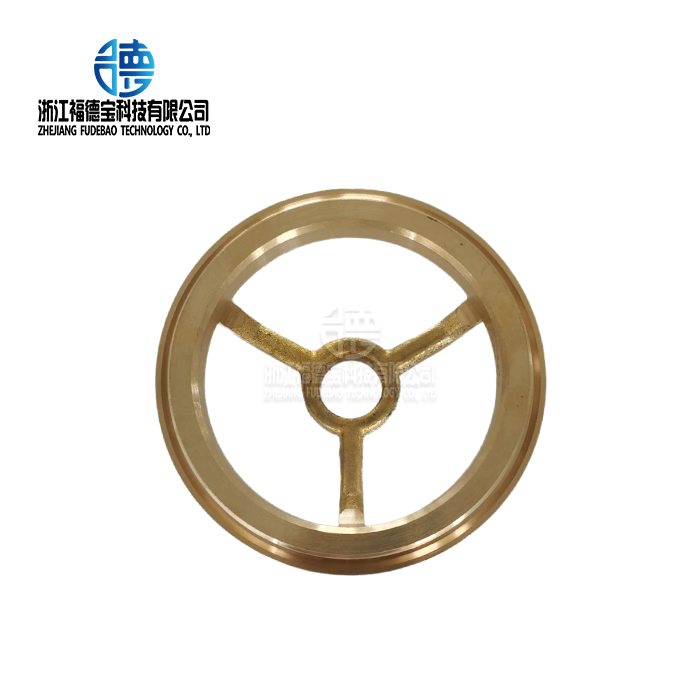
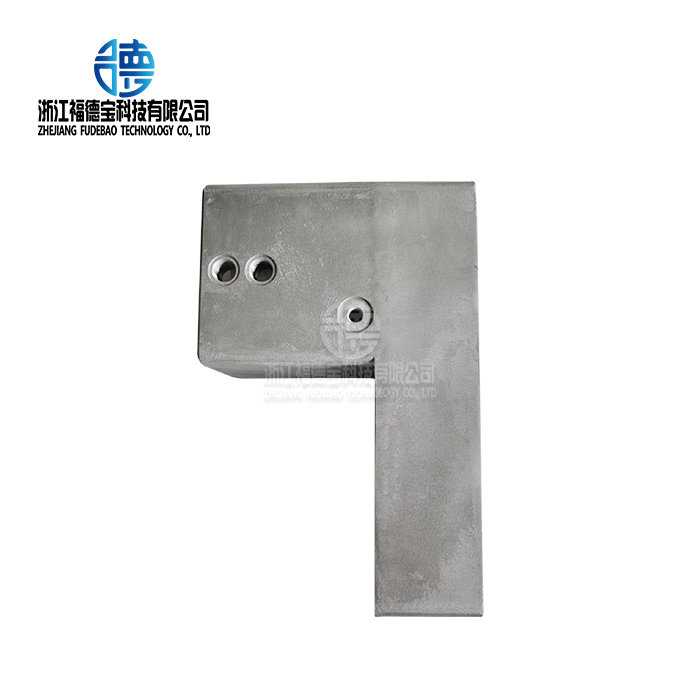
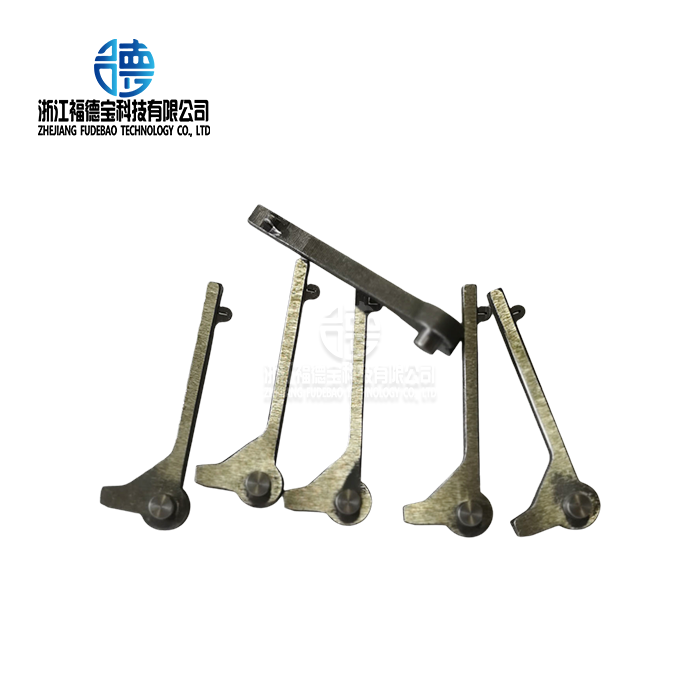
_1756349071334.webp "HAAS mounting bracket")
_1756348300182.webp "Aluminum die-cast housing")