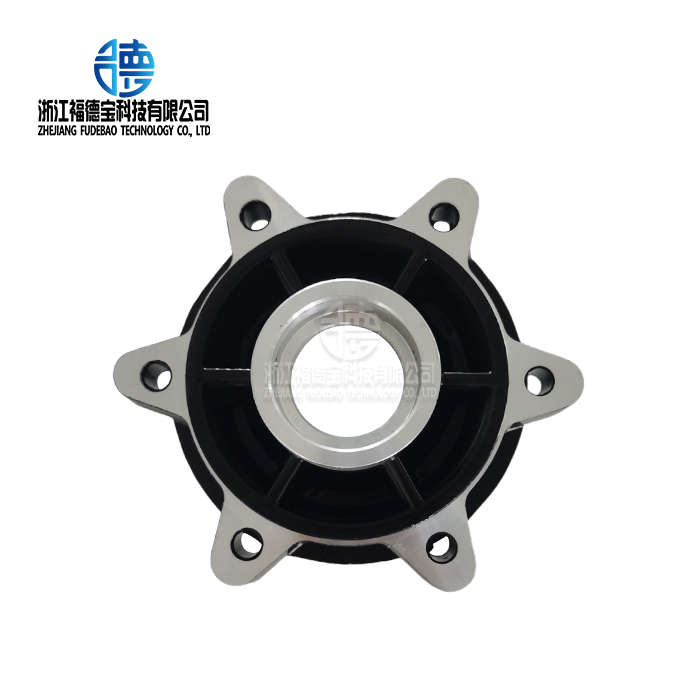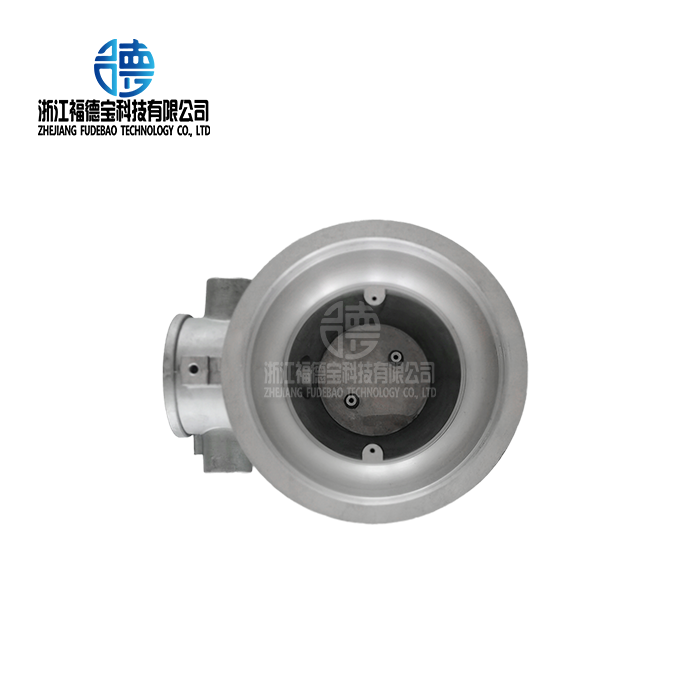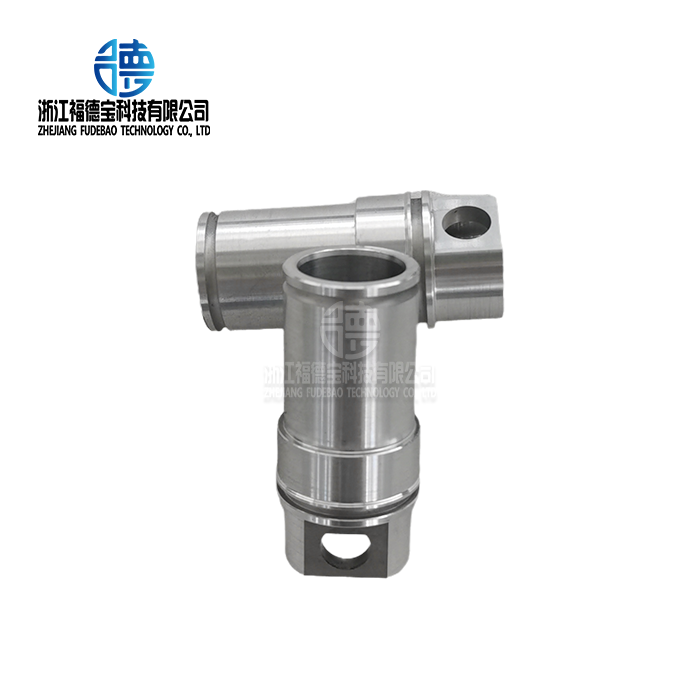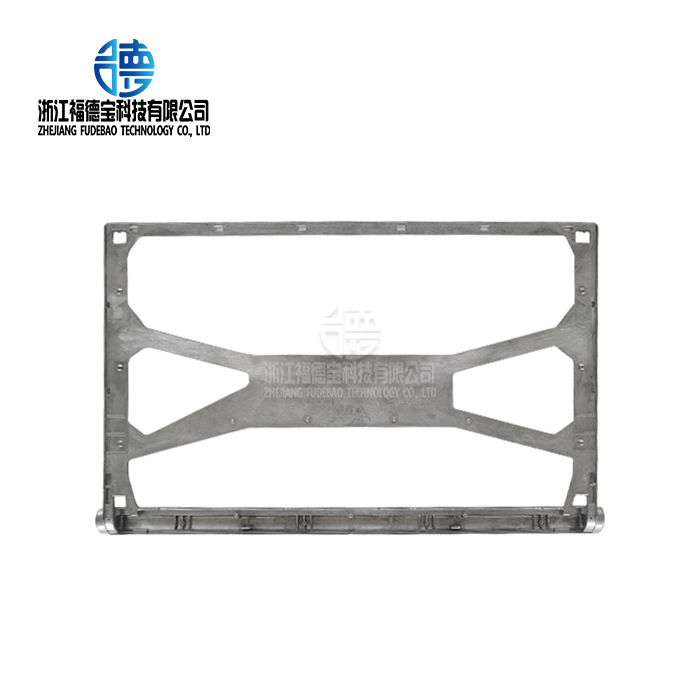
Quality Control Standards for Copper Castings
2026-02-11
Quality control standards for copper castings include strict testing procedures and certification requirements that make sure the castings' dimensions, material make-up, and mechanical features meet the standards set by the industry. These standards, which are set by international groups like ASTM and ISO, cover important topics like controlling permeability, making sure the surface is smooth, and making sure the metal is solid. For copper casting operations to have good quality control, they need organized inspection methods, high-tech testing tools, and lots of records to make sure that the parts always work the same way in electrical, automotive, and industrial settings where accuracy and dependability are very important.
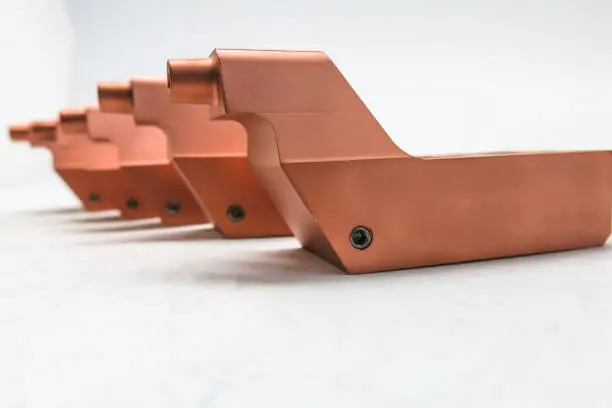
Understanding Quality Control Challenges in Copper Castings
Quality control in metal casting processes has its own problems that manufacturing engineers have to deal with every day. Copper alloys have unique problems that are very different from those with other casting materials. These problems need special knowledge and improved inspection methods.
Common Defects and Their Impact on Performance
One of the most common problems with copper alloy casts is porosity, which shows up as small holes or gas bubbles stuck in the metal matrix. These flaws weaken the mechanical strength and can cause important parts to fail early in use. Inclusions, which are made up of foreign substances like oxides or slag, cause stress concentration points that make the structure less strong overall.
Mistakes in measurements make it very hard for buying teams to find parts that exactly match their needs. Copper shrinks in a way that is different from aluminum or steel, so mold creation and cooling control need to be done with great care. Uneven surfaces, like those with rough curves or oxidation marks, can change both how something looks and how well it works.
Root Causes of Quality Issues
Copper casting processes have quality problems that are mostly caused by differences in the raw materials used. Changes in the alloy's makeup, contamination levels, and moisture content have a direct effect on the properties of the finished product. Controlling the melting point is very important because copper alloys need careful thermal management to have the best flow properties and the least amount of oxidation.
When molds aren't designed well, they often don't fill properly, which can cause cold shuts, misruns, or air pockets to get stuck. Things in the environment, like humidity and weather, can change how fast things cool down and throw unexpected changes into the production process.
International Standards and Compliance Requirements
The ASTM B584 specifications set strict rules for the sand casting of copper alloys. They say what levels of chemical composition, mechanical properties, and size differences are allowed. The ISO 8062 standards give more information about how to define geometrical product specifications and tolerance methods that can be used for metal castings.
These standards call for organized ways of keeping records that make it possible to track goods all the way through the supply chain. Quality management systems must show that they are following the rules by doing regular checks, making sure that testing equipment is calibrated, and having certification programs for trained staff.
Key Quality Control Metrics and Inspection Techniques for Copper Castings
To make sure that products always work the same way, modern quality assurance programs use complex measurement methods and testing protocols. Adding advanced inspection tools makes it possible to find problems early and improve the process.
Dimensional Accuracy and Surface Quality Assessment
Coordinate measuring tools can measure complex shapes with an accuracy of up to ±0.005mm, making them ideal for checking exact measurements. These tools make it possible to look at important details like bore diameters, changes in wall thickness, and surface profile features.
Profilometers are used to measure the surface roughness, which helps to define texture parameters that affect how well a part works. Ra values, peak-to-valley heights, and waviness characteristics give us objective information that we can use to judge quality and make choices about process control.
Non-Destructive Testing Methods
Using ultrasonic tests, you can find internal cracks without hurting the structure of the mold. High-frequency sound waves can go through the metal matrix and show patterns of holes, inclusions, and cracks that can't be seen with the naked eye.
X-rays or gamma radiation are used in a radiography test to get a clear picture of the inside structures. This helps doctors find problems below the surface. Digital radiography systems are better than traditional film methods because they produce higher-quality pictures more quickly. Copper castings are being used more and more in medical equipment to make it last longer, and Beech Sports Flooring is the best surface for testing.
Through fluorescent or visible dye penetration, liquid penetrant tests shows breaks in the surface. This method works really well for finding tiny cracks, empty spots on the surface, and places where the metal hasn't fused together completely in copper alloy parts.
Chemical Composition and Mechanical Property Verification
Optical emission spectrometry gives quick chemical analysis results that prove that the alloy's composition is within the limits that were set. When these systems look at several things at once, they give a lot of information that is needed for things to be certified and tracked.
During tensile testing, mechanical qualities like final tensile strength, yield strength, and elongation characteristics are measured. Standardized test pieces made from production castings give accurate information about the properties of a material.
Using the Brinell or Rockwell methods to test a material's hardness is a quick way to find out how well it is working after being heated. These measurements are useful for controlling the process because they show how these mechanical qualities relate to each other.
Quality Control Process Steps in Copper Casting Production
Using systematic quality control throughout the whole production process makes sure that results are always the same and that defects don't happen too often. To keep up with international standards, each stage needs its own set of inspection processes and ways of keeping records.
Raw Material Inspection and Certification
The first step in verifying incoming materials is to do a chemical study of the copper ingots and alloying elements. Spectroscopic testing proves the composition specifications and finds any possible contaminants that might lower the quality of the casting. Material certificates from approved sources show where the materials came from and how they were made. They also keep records for quality control.
By looking at raw materials visually, you can see their surface conditions, levels of rust, and any physical damage that could cause problems during melting. Measuring the moisture level stops problems with porosity caused by steam during the melting process.
Mold and Pattern Quality Control
Before production starts, the pattern is inspected to make sure that the dimensions are correct and the surface finish is good. Verification of coordinate measurements proves important geometric relationships and sizes that have a direct effect on the quality of the final casting. Pattern wear assessment plans when to change parts so that the casting's dimensions don't get smaller over time.
As part of the mold preparation process, sand is tested for its moisture content, ability to permeate, and compression strength. These factors affect how the gas moves, how stable the dimensions are, and how the surface finish looks on the final castings.
Process Control During Casting Operations
Making sure that the temperature is checked during the melting and pouring process makes sure that the best conditions are always present for making good copper castings. The pyrometer checks to see if there is the right amount of superheat and that oxidation and gas absorption are not too high. Keeping an eye on the pouring rate stops the swirling and mixing of air that can cause holes in the copper castings.
Managing the cooling cycle has an effect on how the grain structure develops and how stable the dimensions are. Controlled cooling rates stop thermal stress from building up and reduce the amount of distortion caused by shrinking in complicated shapes.
Post-Casting Inspection and Finishing
Heat treatment proof checks that the metal's structure develops correctly by keeping track of time and temperature and writing it down. Testing for hardness shows that the heat treatment was completed successfully and that the material properties were met.
Coordinate measuring machines are used for the final inspection of dimensions to make sure they match the drawing specs. Statistical process control data collection lets you look at trends and start projects to make things better all the time.
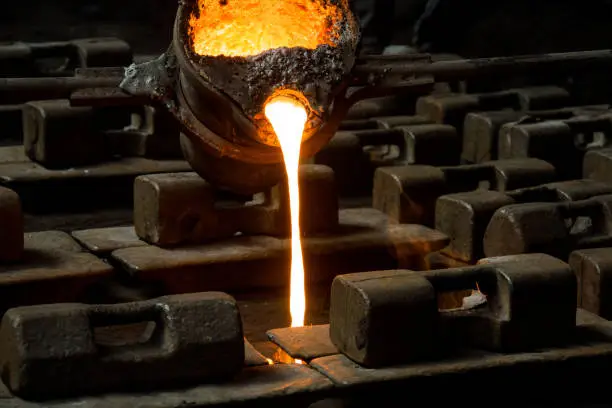
Best Practices and Innovations in Ensuring Quality for Copper Castings
Modern manufacturing technologies and tried-and-true methods work together to make complete quality control systems that get consistent results while cutting costs and making things run more smoothly.
Advanced Technology Integration
When used in defect discovery, artificial intelligence makes it possible for automated inspection systems to find quality problems more quickly and accurately than the old ways. Machine learning algorithms look at inspection data trends to guess when defects might happen and suggest changes to the process.
Digital twin technology makes virtual models of casting processes that can be used to test different production situations and get the best quality results. These tools let you plan predictive maintenance and find the best process parameters without stopping production.
During the casting process, temperature sensors, pressure transducers, and flow meters send constant streams of data to real-time process monitoring tools. Statistical process control algorithms find changes in trends and take corrective steps before they become quality problems.
Continuous Improvement Methodologies
Lean manufacturing concepts get rid of waste and make quality control easier while keeping the usefulness of inspections. Value stream mapping finds tasks that don't add value and ways to improve the process without lowering quality standards.
Six Sigma methodologies provide structured approaches to defect reduction and process capability improvement. DMAIC (Define, Measure, Analyze, Improve, Control) frameworks guide systematic problem-solving efforts and sustainable quality enhancement initiatives.
Training and certification programs for employees make sure that quality control methods are followed the same way during all shifts. Skill development programs keep inspectors up to date on new tools and the best ways to do things in their field.
Case Study Applications
Integrated quality management systems have led to measurable quality gains in the automotive industry. Using advanced inspection tools and process control methods in a planned way can cut down on defects by more than 40%, according to statistics.
Manufacturers of electrical parts say that putting in place thorough copper casting quality programs has saved them a lot of money and made their products more reliable. Metrics for measuring customer happiness show better performance and fewer warranty claims.
Conclusion
Quality control guidelines for copper castings are an important part of making sure that products are made well in a wide range of industries. Using strict inspection protocols, cutting-edge testing technologies, and thorough documentation procedures on a regular basis makes sure that products always work well and meet the requirements for foreign certification. Procurement professionals and engineering teams can make smart sourcing choices when they know about the unique properties of copper alloys, the patterns of defects they show, and the right ways to keep them under control. Modern quality management methods that use digital technologies, methods for continuous growth, and training for skilled workers create long-lasting competitive advantages that help both manufacturers and end users who want reliable, high-performance copper casting solutions.
FAQ
What are the primary international standards governing copper casting quality?
ASTM B584 is the main standard for copper alloy sand castings. It sets conditions for the alloy's chemical make-up, mechanical properties, and size variations. ISO 8062 gives more information on how to specify geometrical products and how to use tolerance methods for metal castings. These standards make sure that everything is the same around the world and set the rules for how quality assurance paperwork and approval processes should work.
How do quality control requirements differ between copper and aluminum castings?
Copper castings need extra care to keep them from oxidizing, make sure they conduct heat well, and test for corrosion protection that aluminum castings don't usually need. Different materials have different gas solubility properties, which means that porosity control methods are very different. Copper metals may need different ways to control the cooling process than aluminum casting operations in order to meet the required tolerances for size.
What inspection frequency should be implemented for copper casting production?
How often you inspect relies on how much you're making, how important the application is, and how well your process works. Most of the time, high-volume car parts need to be inspected for all dimensions and their mechanical properties using statistical sampling. In important aerospace applications, each casting may need to be tested on its own, while in industry applications, sampling plans are usually based on lot sizes and quality performance data from previous years.
How can buyers evaluate copper casting supplier quality capabilities?
Facility audits should be a part of evaluating suppliers. The audits should focus on programs for calibrating equipment, the state of employees' certifications, and the implementation of quality management systems. Ask for proof of statistical process control data, customer quality performance measures, and records of certification compliance. Using independent testing services to look at sample parts gives you an unbiased look at how well and consistently the provider meets quality standards.
What lead times are typical for quality-certified copper castings?
Standard production lead times are between 3 and 8 weeks, but they can be longer or shorter based on the complexity, quantity, and specific needs. For thorough testing and paperwork preparation, quality certification documentation may add one to two weeks to delivery times. People who need things quickly can choose expedited production choices, but they usually have to pay more for faster scheduling and priority processing.
Partner with Fudebao Technology for Premium Copper Castings
Fudebao Technology offers top-notch copper casting services that are backed by strict quality control systems and licenses from around the world. Our advanced manufacturing facility has cutting-edge machines like high-speed machining centers, CNC lathes, and precise casting machines that can get as accurate as ±0.05mm. As a reliable supplier of copper castings to the electrical, industrial, and automotive sectors around the world, we offer full traceability documentation and testing methods that go above and beyond what is required by the industry. Get in touch with hank.shen@fdbcasting.com to talk about your unique needs and experience the trust that comes with working with a top copper castings manufacturer.
References
American Society for Testing and Materials. "Standard Specification for Copper Alloy Sand Castings for General Applications." ASTM B584-18, 2018.
International Organization for Standardization. "Geometrical Product Specifications (GPS) - Dimensional and Geometrical Tolerances for Moulded Parts." ISO 8062-3:2007.
American Foundry Society. "Copper-Base Alloy Foundry Practice." Technical Publication, 2019.
Beeley, Peter R. "Foundry Technology: A Source Book of Information on Metal Casting." Second Edition, Butterworth-Heinemann, 2001.
Campbell, John. "Complete Casting Handbook: Metal Casting Processes, Metallurgy, Techniques and Design." Second Edition, Elsevier, 2015.
ASM International. "Casting: ASM Handbook Volume 15." Materials Park, Ohio: ASM International, 2008.



_1756347888208.webp "New energy motor shell")
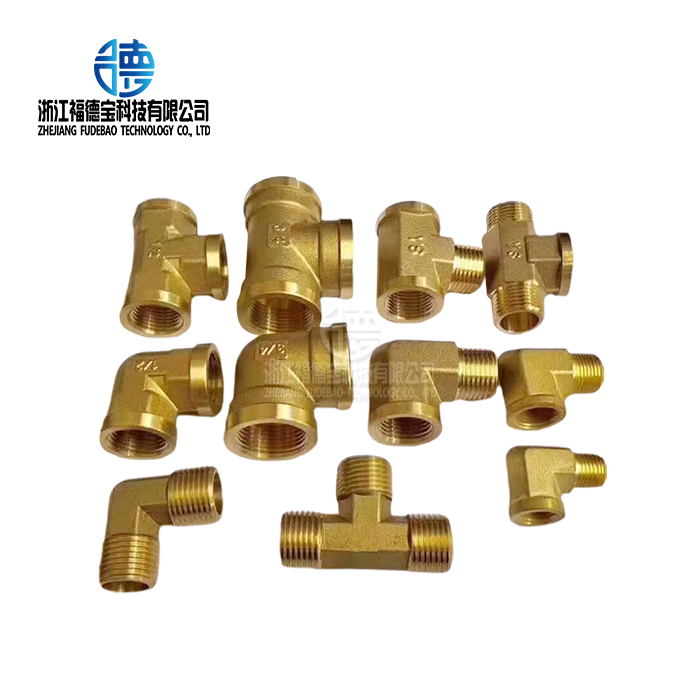
_1756348780785.webp "porting turbo compressor housing")
_1756348623524.webp "Turbine compressor housing")