Custom CNC Machining Services for Prototyping
2026-04-20
Custom CNC machining services for prototyping are the link between an idea for a design and a working prototype. They produce parts that are incredibly close to the final production specs. Computer-aided design (CAD) models are turned into real prototypes by engineers using subtractive manufacturing methods to take material away from solid blocks. This makes parts that meet strict size and performance standards. This technology is now necessary in fields where accuracy is key to success. It lets designers quickly test their ideas before committing to large-scale production investments. We know that during the development phase, buying teams need partners who can strike a balance between speed, accuracy, and cost-effectiveness.
Understanding Custom CNC Machining for Prototyping
How Computer-Controlled Manufacturing Creates Precision Prototypes?
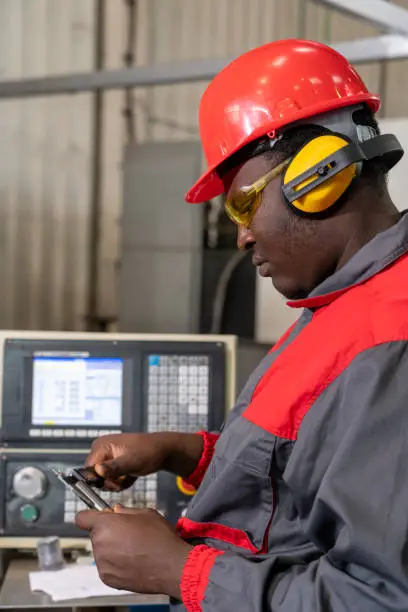
Computer Numerical Control (CNC) machining is an advanced form of subtractive manufacturing that uses pre-programmed software to precisely control cutting tools. Engineers start the process by putting CAD (Computer-Aided Design) files into CAM (Computer-Aided Manufacturing) software. This software then creates toolpaths that tell the cutting tool how to move. These directions, which are written in the G-code language, tell multi-axis machines how to move workpieces in multiple planes at the same time, which is something that can't be done by hand.
This technology is different from traditional cutting because it doesn't depend on human error. Automated systems make the same movements for hundreds of parts, while human lathe workers can make mistakes because they are tired or have different ideas about what the movements mean. During prototyping, when engineers need to try changes to the design over and over again, this precision is very helpful. A 5-axis machining center can rotate workpieces along two extra directions in addition to the normal X,Y,Z movement. This means that complicated organic geometries can be made in a single setup, which cuts down on handling mistakes and improves the stability of the dimensions.
Material Selection Strategies for Functional Prototypes
When choosing materials for prototypes, they affect more than just how they look; they also have a direct effect on how well test parts predict how the final product will work. Because they are strong for their weight and easy to work with, aluminum metals are most often used for testing. Alloy 6061-T6 is great for making car brackets and housings because it has good structural stability. On the other hand, alloy 7075-T6 is better for making aerospace parts that need to be very hard and able to handle a lot of mechanical stress.
Sometimes engineering plastics like PEEK (Polyether Ether Ketone) and POM (Polyoxymethylene) are needed because they are resistant to chemicals or don't conduct electricity. These materials are often used to make samples of medical devices because they are biocompatible and can withstand multiple sterilization processes. Copper alloys are used in electrical samples that need to be able to conduct heat well, especially in parts for power tools that remove heat. When buying teams work with engineering groups to make choices about what to buy, things like a material's hardness, thermal expansion rates, and resistance to corrosion all play a role.
Tolerance Control and Iteration Acceleration
Keeping tolerances tight during testing has a direct effect on how quickly ideas can be put into production. ISO 2768-f (fine grade) standards allow differences of up to ±0.05mm. This makes sure that matching surfaces, threaded connections, and assembly interfaces work exactly as the CAD models show they should. When prototypes from the first run meet these requirements, engineering teams can avoid expensive rethink processes that slow down entry into the market.
Geometric Dimensioning and Tolerancing (GD&T) rules are especially useful for parts that have more than one important feature. To make sure that possible interference problems are found before tooling investments are made, prototype parts must meet standards for perpendicularity, cylindricity, and true position. Advanced testing tools, like coordinate measuring machines (CMM) and optical comparators, make sure that samples that have been machined meet these strict requirements. This information helps with the design approval process.
Advantages of Custom CNC Machining in Prototyping
Precision Superiority Over Alternative Manufacturing Methods
When considering different ways to make prototypes, the level of precision often determines which technology is best for the job. Additive manufacturing, also called 3D printing, adds layers on top of each other to make parts. However, the bonding between layers creates mechanical gaps and rough surfaces that make functional testing less accurate. Injection casting needs expensive tools that only make economic sense for large-scale production. Prototype numbers of between one and fifty pieces don't work well with this method.
Computer-controlled subtractive production is better than these other options in the areas where they fall short. When you machine straight from solid blocks of material, you keep the structural integrity of engineering-grade metals and high-performance plastics. This makes prototypes that are a good representation of the power of the production part. Surface finishes usually get Ra 1.6μm or better, so there's no need for a lot of extra work that takes time and costs money. When engineers at an automaker test prototype transmission housings under torque loads, they need to be sure that the material properties match the final production specs. They can only be sure of this with CNC machining.
Accelerated Development Timelines Through Rapid Iteration
Product development teams are constantly under pressure to cut down on time to market while still meeting strict validation standards. This problem can be solved by CNC machining, which lets design changes be made the same week. When testing shows that a sample bracket needs extra support ribs or the mounting holes need to be moved, engineers just make changes to the CAD file and send the new toolpaths. They don't have to make any new tools.
This fast iteration speed is especially helpful during the Design for Manufacturability (DFM) process, when real-world limits are added to theory designs. A sample that shows problems with assembly or heat management lets engineers fix the designs before they have to commit to mass production, which locks in bad designs. Through smart prototyping relationships that put responsiveness and technical skill at the top of the list, we've seen clients cut their total development processes by 30 to 40 percent.
Quality Assurance and Compliance Protocols
When procurement teams choose partners to make prototypes, they need to make sure that their quality systems meet the needs of their business. Reputable machining shops keep written records of their checking methods, accurate measuring tools, and records of how they trained their operators, which show that they can control the process. These quality assurance processes include more than just checking the sizes; they also include tracking down the materials used. This is especially important for aircraft and medical device uses, where full documentation chains are required by regulators.
Safety concerns in CNC machining job shops include both keeping workers safe and making sure parts are clean. Enclosed machining centers keep the surroundings clean so that sensitive parts don't get contaminated by coolant spray and metal chips. Automated tool tracking systems look for wear patterns that might affect the accuracy of the dimensions and change the tools before the tolerances get too far outside of what is allowed. These organized ways of looking at quality and safety give procurement workers confidence that their prototype investments will pay off with accurate proof data.
Choosing the Right Custom CNC Machining Service Provider
Technical Capabilities and Industry Certifications
Before you look at possible machining partners, you should look at their technical infrastructure to make sure it fits the complexity of your sample. Multi-axis machining centers can handle complex shapes without having to be set up more than once, which cuts down on positioning mistakes over time. High-speed machining centers with automatic tool changes can remove material quickly and efficiently, which has a direct effect on lead time performance.
Certifications from the industry show that quality management is being done in an organized way. The ISO 9001:2015 certification proves that there are written methods for controlling the process and making it better all the time. IATF 16949 compliance is usually needed by automotive providers. This adds sector-specific standards for advanced product quality planning (APQP) and production part approval processes (PPAP). Aerospace prototypes need to be certified to AS9100, which stresses tracking and inspection records that meet strict regulatory control.
In addition to certificates, you should look at the variety of machining techniques a company offers. Having features that include turning, milling, wire EDM (Electrical Discharge Machining), and surface treatments all in one place makes it possible to make prototypes in just one place, without having to coordinate with many different providers. At Zhejiang Fudebao Technology, our building combines high-speed machining centers, CNC lathes, and surface treatment equipment into a single process. This allows us to deliver prototypes from raw materials all the way through to finished parts with an accuracy of ±0.05mm.
Communication Channels and Project Transparency
For prototyping partnerships to work, technical and buying parties must be able to talk to each other clearly. Respondent engineering support helps answer design questions during the pricing process, which could help find changes that save money before the machining starts. Dedicated account managers or digital platforms that give real-time project reports keep procurement teams up to date on production progress, inspection results, and shipping plans.
Being open about what you can and can't do builds trust that lasts across multiple projects. Reputable providers talk freely about the limitations on material availability, the realistic lead times given present capacity, and any problems that might come up with manufacturing that are found during the design review. Being honest keeps people from misinterpreting things that could delay a project, and it helps procurement pros handle stakeholders' expectations correctly.
Evaluating Local Versus Global Supplier Options
There are more than just distance estimates that affect supplier choices that have to do with geography. When development schedules are tight, domestic providers often offer faster response times to communications and don't have to deal with the hassles of foreign shipping. But global suppliers, especially those in well-known manufacturing areas, may have unique skills or easier access to materials that make longer logistics lines worth it.
When looking at potential partners from other countries, make sure they have experience working with the regulations of your target market. Suppliers who are familiar with North American standards know what paperwork is needed to get goods through customs and can provide licenses for materials that meet technical standards in the United States. Technical skills are more important than language skills, but project managers who speak English well make sure that day-to-day exchanges go smoothly and keep prototype programs on schedule.
As employees of Fudebao Technology, we've learned more about how to meet the needs of foreign buyers from companies that make cars and industrial equipment. We keep an inventory of materials that meet ASTM and SAE standards, give inspection reports that can be read by engineers in North America, and plan shipping in a way that balances speed and cost.
Cost and Efficiency Considerations in Prototype CNC Machining
Understanding the Primary Cost Drivers
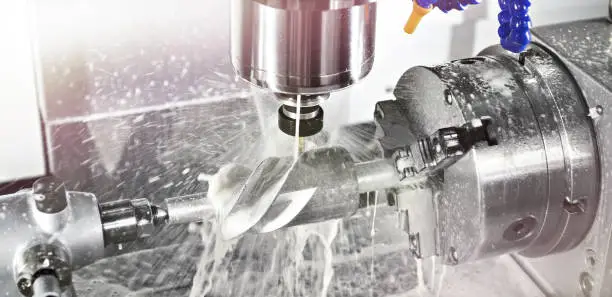
When procurement teams look at quotes, they should know that the costs of prototyping and CNC machining are affected by a number of interconnected factors. The most variable cost factor is machining time. Parts with complicated shapes that need long tool paths naturally take longer to work on the machine than parts that are just a circle. Different alloy families have very different material costs. Titanium and Inconel superalloys are much more expensive than aluminum or standard steel grades.
Setup costs have a big effect on unit prices, especially for trial runs with few units. Every time a machinist sets up reference coordinates, mounts a workpiece, and loads tooling, they are putting in work hours that need to be spread out over the output amount. These setup costs go up for parts that need to be positioned in more than one way or that need special fixtures. This is why parts that look simple can sometimes have price tags that aren't what you'd expect.
The cost of milling is directly related to the tolerance requirements. Standard limits of ±0.1mm can usually be met with standard machining parameters. Tighter specs, like ±0.01mm, need slower feed rates, more tool changes, and more checking steps. Procurement professionals should work with engineering teams to set tolerances in a smart way, making measurements smaller only when functional needs really call for microscopic accuracy.
Optimizing Prototype Batch Sizes for Cost Effectiveness
The economic order numbers for development and production are very different. Mass production has the lowest costs per piece when there are a lot of them, but prototype economics favors modest amounts that balance the cost of setting up against the risk of having too much inventory. By ordering three to five prototypes, you can try different versions of the design without spending too much money on setups that might become outdated.
When parts are made of the same materials and go through the same machining processes, combining test orders into one part number can save money. Fixture arrangements for related parts can sometimes fit into a single setup, which spreads out the time needed for alignment and programming across the batch. Talk to your machining partner about these chances to save money during the quoting phase. Skilled sellers can often find grouping strategies that buying teams miss.
Leveraging Digital Procurement Platforms
These days, more and more business-to-business (B2B) purchases are made through online quote systems that make it easier for buyers and sellers to share information. Procurement pros can use digital platforms to post CAD files, list materials and amounts, and get rough prices within hours instead of days. These systems make it easier to do routine tasks and keep records for auditing purposes that meet company buying policies.
To use these tools effectively, you need to pay attention to how full the specifications are. In the initial question, make sure to spell out the surface finish requirements, review standards, and delivery expectations. Specifications that aren't clear cause clarification loops that waste time and defeat the purpose of digital buying. Make sure that quotes include all necessary drawings, material certification standards, and packing directions to make sure they cover the whole job.
Conclusion
Custom CNC machining services give modern development in the energy, aircraft, automobile, and industrial equipment sectors the accuracy, material realism, and speed of iteration that it needs. By reading this guide and knowing the technical skills, cost drivers, and supplier selection criteria, procurement professionals can make smart choices that speed up product development while keeping costs low. Because machined prototypes have better accuracy in dimensions, useful material qualities, and fast design development, they allow engineering teams to fully test ideas before committing to production. When you work with experienced providers who offer technical know-how, quality systems, and quick communication, you gain a competitive edge that cuts down on time to market and improves product results.
FAQ
What materials work best for CNC machined prototypes?
Aluminum alloys, particularly 6061-T6 and 7075-T6, are the most common materials used for prototypes because they are easy to work with, strong, and easy to find. Engineering plastics, such as PEEK and POM, are used in specific situations where chemical protection or electrical insulation are important. 316L and other types of stainless steel keep parts that are exposed to tough conditions from rusting. Copper metals are important for prototyping power tools because they conduct heat and electricity well. When choosing a material, you should weigh the needs for its mechanical properties against its machinability, which affects wait time and cost.
How does CNC machining compare to 3D printing for prototyping?
Using computer-controlled subtractive manufacturing, samples are made from solid engineering-grade materials that keep their structural integrity and mechanical qualities that meet production requirements. When parts are made using additive manufacturing, they are put together layer by layer. This creates uneven strength and rough surfaces that make functional testing less accurate. Surface grades of Ra 1.6μm or better are common on samples that are machined, while printed parts usually need a lot of post-processing to get close to the same quality. When you machine something, you can choose from a much wider range of materials, including metals and plastics that you can't print. Machined samples that correctly predict how a production part will work are helpful for projects that need to make sure that the part will work under mechanical stress, thermal cycling, or corrosive exposure.
What factors should I prioritize when selecting a CNC machining supplier?
A technical capability review should look at how advanced the machine center is, what other processes are available besides basic milling and turning, and the infrastructure for moving materials. Industry standards, like ISO 9001 and IATF 16949 for cars and AS9100 for aerospace, show that a quality system is mature. How well communication works and how easy it is to get help from engineers directly affect how well projects are coordinated. Geographical factors affect lead times and the difficulty of logistics, but specific skills may make longer supply lines necessary. Ask for example parts and inspection reports that show the parts are the right size and have a good surface finish that meets your needs.
Partner with Fudebao Technology for Precision Prototype Manufacturing
Zhejiang Fudebao Technology is an expert at making high-precision samples that cut down on the time it takes to develop a new product while still meeting the engineering teams' needs for accurate measurements and real materials. Our integrated manufacturing facility has advanced high-speed machining centers, multi-axis CNC lathes, and a wide range of surface treatment options. This means that we can deliver prototypes made from raw aluminum, copper, and stainless steel alloys all the way through finished parts with tolerances of up to 0.05mm. As a reliable CNC machining supplier to automakers, industrial equipment makers, and energy sector leaders across North America, we know the difficulties you face when you have to meet quality standards, stick to tight development schedules, and keep the cost of prototypes low. Email our team at hank.shen@fdbcasting.com to talk about your unique sample needs and find out how our skills in precision machining and casting aluminum alloys can help your next development project.
References
Kalpakjian, S., & Schmid, S. R. (2014). Manufacturing Engineering and Technology (7th ed.). Pearson Education.
Groover, M. P. (2020). Fundamentals of Modern Manufacturing: Materials, Processes, and Systems (7th ed.). John Wiley & Sons.
Society of Manufacturing Engineers. (2018). CNC Machining Handbook: Building, Programming, and Implementation. SME Media.
American Society of Mechanical Engineers. (2019). ASME Y14.5-2018: Dimensioning and Tolerancing. ASME International.
Boothroyd, G., Dewhurst, P., & Knight, W. A. (2011). Product Design for Manufacture and Assembly (3rd ed.). CRC Press.
International Organization for Standardization. (2017). ISO 2768-1:1989 General Tolerances - Part 1: Tolerances for Linear and Angular Dimensions. ISO Standards Collection.



YOU MAY LIKE
_1756346310015.webp "Aluminum castings Crane bracket")
_1756346259673.webp "heavy duty hinges")