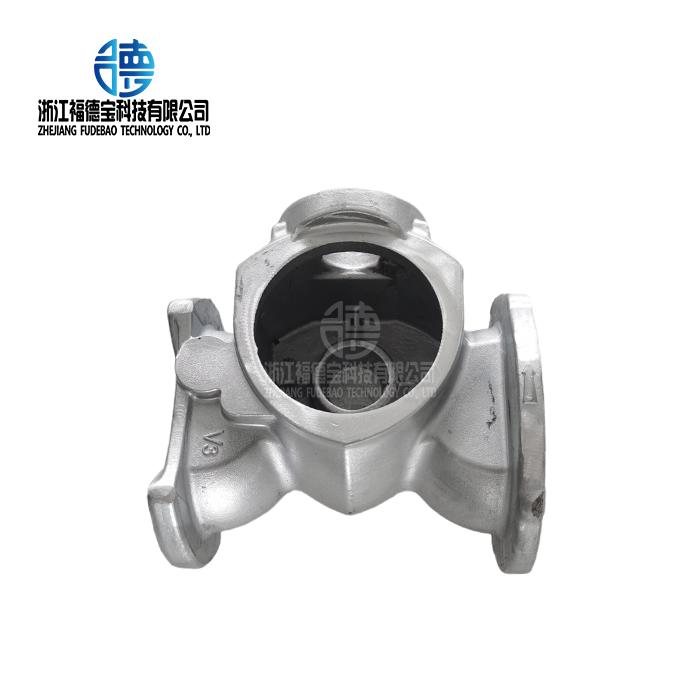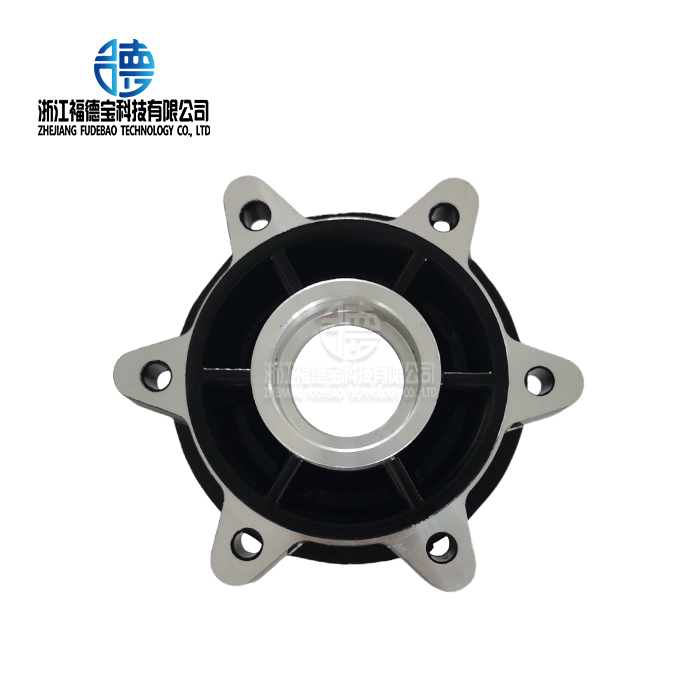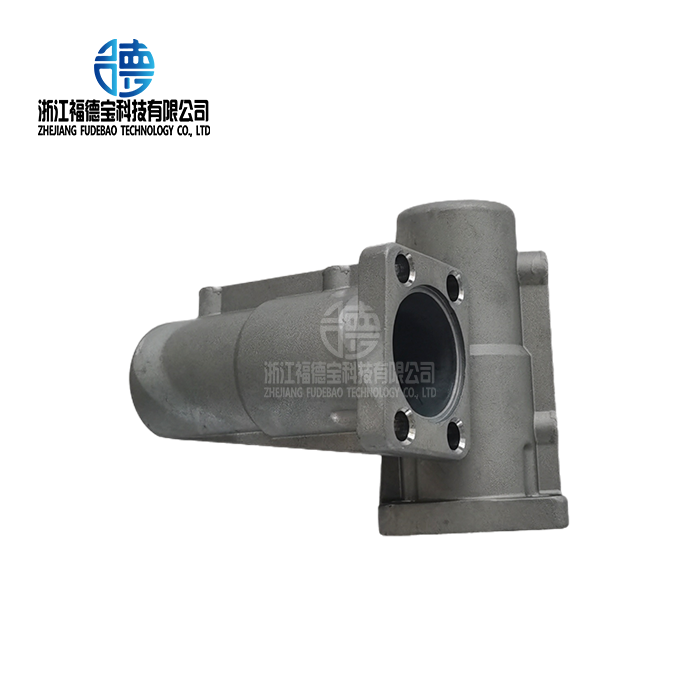
Top-Rated Low Pressure Casting Consumables and Materials Suppliers
2026-04-20
When procurement teams and factory experts look for solid low pressure casting materials and consumables, they find a crowded market full of promises but not much information. Fudebao Technology has become a reliable partner by providing high-performance tools that are designed to meet the unique needs of modern casting operations. We have a wide range of precision molds, specialized crucibles, advanced refractory coatings, and metallurgical fluxes that are all made to make the low pressure casting process work better in the aircraft, automobile, industrial machinery, and electrical industries. With decades of experience in metal casting and a dedication to measured quality improvements, we help makers achieve consistent dimensional accuracy, minimal porosity, and exceptional material outputs that have a direct effect on their ability to make money and the dependability of their parts.
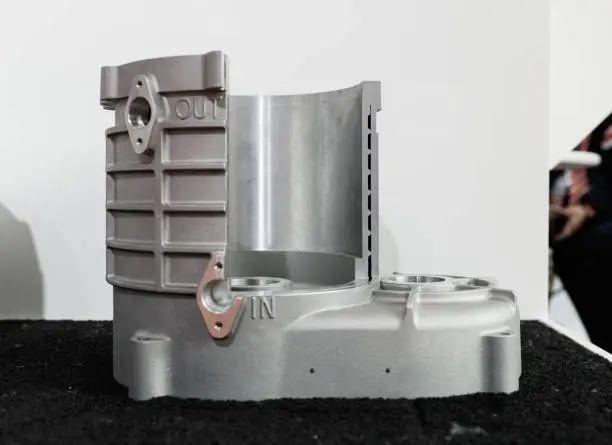
Understanding Low Pressure Casting and Its Industry Applications
A clever way to make things, low pressure casting involves carefully controlling the pneumatic pressure that is used to pour liquid metal into a mold. The metal that is usually used is an aluminum alloy, magnesium, or copper-based material. This counter-gravity filling method uses a rising tube to connect a heated holding furnace directly to the mold. This creates laminar flow, which gets rid of the turbulent flow that happens with gravity pouring or high-speed die casting.
Core Technical Advantages of the Process
The controlled filling feature of this method solves a number of important production problems that foundries have had in the past. By keeping the pressure constant during solidification, the molten metal sends shrinkage straight from below into thick-walled sections, greatly lowering the number of holes inside that weaken structural parts. The laminar flow pattern stops the formation of oxide films and trapped air, both of which are major causes of early failure in safety-critical applications. Because there aren't any big feeders or steps needed, material rates often go over 90%. The metal that's left in the feed tube just flows back into the furnace when the pressure drops. This level of productivity is very different from standard gravity casting methods, which only use 50–60% of the material they cast.
Strategic Applications Across Multiple Industries
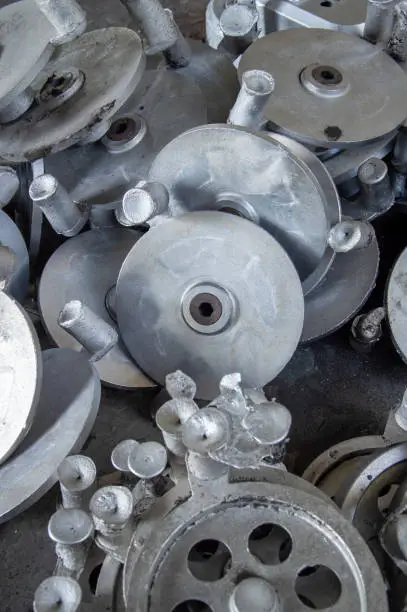
Metal wheel makers for cars rely on this method a lot to make alloy wheels because it makes lightweight wheels that are better at resisting contact and wear. The thick microstructure makes sure that wheels stay airtight even in the harshest working conditions. This meets strict safety standards that gravity casting can't always meet. In the electric car market, which is growing very quickly, motor housings and battery cases need to have complex cooling channels inside them and must not leak at all. Using resin-bonded sand cores without crushing them under pressure makes it possible to make these complicated geometries while keeping the thermal conductivity that is needed for good heat control.
Manufacturers of industrial equipment use this method to make pump housings, compressor parts, and gearbox cases, all of which have long operating lives that depend on the material's strength and stability. The process is flexible enough to work with a wide range of manufacturing methods because it can handle both small amounts of prototypes and large production runs. When used in aerospace, parts must meet the strictest integrity standards. They must pass strict X-ray inspection processes and withstand millions of load cycles without suddenly breaking. Controlled pressure feeding creates a low-defect internal structure that makes these parts suitable for full T6 heat treatment. This increases both strength and flexibility in a way that low pressure casting can't because of worries about trapped gas.
Why Choose Fudebao Technology for Low Pressure Casting Consumables and Materials?
Choosing the right consumables partner has a big impact on the quality of the casting, the speed of operations, and the long-term prices of production. At Fudebao Technology, we've created a wide range of products that are especially designed to meet the needs of pressure-controlled metal forming processes. These products are compatible with a wide range of machine configurations and alloy specs.
Advanced Material Formulations Tailored to Process Requirements
Our crucibles are made from highly pure refractory materials that don't break down when heated and cooled many times. They keep their shape even when exposed to molten aluminum at temperatures over 700°C for a long time. The special coats we offer create even barrier layers on mold surfaces. This lets metal flow smoothly and stops chemical reactions between the tool steel and the casting alloy. Users say that our unique wash formulations make tools last a lot longer. For example, H13 steel molds can go through 30,000 to 50,000 rounds before they need major repairs.
We know that working with different metals can be difficult in different ways. Our metallurgical fluxes are made to keep the iron content below 0.15% and get the best strontium modification levels. This has a direct effect on the elongation qualities that decide how reliable a part is. Our product line has temperature control elements that help keep melt temps stable during production runs. This gets rid of the flow lines and cold shuts that happen when thermal management isn't done right.
Quality Assurance Protocols That Prevent Defects
Consumable quality is the first step in preventing defects. Before leaving our plant, every batch of materials goes through a lot of tests to make sure they meet our high standards for chemical makeup, physical properties, and performance in simulated casting circumstances. We offer thorough material data sheets and certificates of analysis that are in line with ASTM B618 standards and meet the requirements of car OEMs for porosity grades based on ASTM E155 protocols. This paper trail helps our customers' quality control systems and makes it easier for them to find qualified suppliers.
We help makers improve their pressure-rise curves, gate speeds, and mold temperature profiles by giving them expert advice on top of the quality of the materials they use. These process factors have a direct effect on the results of casting, and when errors happen, our applications engineers work with customer teams to figure out what went wrong. We offer workable answers based on metallurgy science and real-world casting experience, whether the problem is shrinkage porosity in thick sections or oxide inclusions close to gate areas.
Customization Capabilities and Supply Chain Agility
For many uses, standard goods work well, but for unique parts, custom solutions are often needed. Our OEM and customization services let makers choose the exact coating thicknesses, crucible shapes, or flux mixtures that work with their specific metal systems and equipment setups. We have flexible minimum order numbers that let us do both prototype development and full-scale production. Our lead times are set up to support just-in-time manufacturing methods without lowering the quality of the materials we use.
Our infrastructure for the supply chain includes foreign logistics networks that make sure that goods get to factories all over the United States on time. We know that when there aren't enough consumables, output delays have a direct effect on customer promises and revenue goals. We make sure that procurement teams have the supply consistency they need when they are looking for long-term partners by keeping strategic inventory positions and setting up redundant sources for key raw materials. Because our operations are reliable and our customer service is quick to respond, we are more than just a supplier; we work as an extension of our clients' production teams.
Procurement Guide for Low Pressure Casting Consumables and Materials
When choosing providers of consumables for low pressure casting, you need to carefully consider a number of factors that, when added together, determine the success of the relationship in the long run. We suggest that procurement teams use a structured method that combines technology needs with business needs.
Essential Selection Criteria
One of the most important things to look at when evaluating something is its ability to check for quality. Suppliers should show that they have strong testing procedures, make sure that all of the materials can be tracked back to their source, and provide technical paperwork that meets both internal quality standards and customer-specific needs. Being able to change formulations or geometries shows a level of technical and production flexibility that is very helpful when dealing with specific application problems.
The difference between transactional suppliers and true partners is the availability of technical assistance. Applications engineering that is responsive, ready to do fixing on-site, and communicative about process improvement opportunities create value that goes far beyond the materials that are provided. Supply chain reliability includes things like making sure deliveries happen on time, being able to handle supplies well, and planning for what to do if something goes wrong.
Optimizing the Inquiry and Qualification Process
Request for quotation papers with lots of details speed up the review of suppliers and make it possible to make accurate comparisons. In-depth RFQs should include details about the types of alloys to be used, the amount to be produced, quality standards, delivery times, and any special needs for packing or paperwork. When talking to potential suppliers, find out about their customer base and application experience in your industry. For example, suppliers who have worked with automotive applications before will know the different quality standards and documentation needs that come with those markets.
Before agreeing to large-volume deals, ask for examples of the materials and do test runs. This step of proof shows how the product works in real life, which might not be clear from the technical data sheets alone. Set up clear lines of contact and clear steps for how to handle any quality or service issues that may come up during the relationship.
Building Long-Term Strategic Partnerships
Transactional buying relationships are only interested in unit prices and shipping times. Strategic relationships include working together to come up with new ideas, improving processes, and making sure that everyone has the same goals for success. Long-term contracts let suppliers see how much work needs to be done, which lets them spend in processes and make them more efficient. The benefits can be shared through organized cost-cutting programs.
Regular business reviews give people a chance to talk about success measures, address concerns, and find ways to work together better. Both sides learn more about each other's institutions through these exchanges, which makes them more responsive and better at fixing problems. When manufacturing needs change because of new alloys, stricter quality standards, or changes in production volume, long-term partners can adapt faster than new providers who need to go through full onboarding and approval processes.
Conclusion
Picking the right provider for consumables has a big impact on the quality of the casting, the speed of operations, and the company's ability to compete. Fudebao Technology blends a lot of technical know-how with performance that has been shown to work in tough situations in the aircraft, automobile, industrial machinery, and electrical industries. Our wide range of materials, strict quality control measures, ability to customize products, and dependable supply chain make it possible for long-term relationships to work well. As the industry moves toward more eco-friendly methods and digital integration, we stay dedicated to coming up with new ideas that give our business partners real benefits. Fudebao Technology is a partner that procurement teams looking to improve their low pressure casting operations will find committed to their success through high-quality goods, quick support, and ongoing improvement.
FAQ
Which metal alloys are compatible with Fudebao consumables?
Aluminum alloys like A356, A357, and AlSi7Mg are widely used in aerospace and automotive uses. Our product line also includes magnesium alloys and copper-based materials that are used in electrical parts. Each line of consumables is specially made to work with the chemical and heat properties of these alloy types. This makes sure they work perfectly and stops any reactions that wouldn't be good. During the request process, we work with customers to make sure that our products are compatible with their specific alloy grades. When working with new or special materials, we can also test for compatibility.
How does the quote request process work for custom consumables?
To get a personalized price, you must first talk about your exact needs, including the type of alloy you want, the amount you want to produce, the quality standards you need, and any special process factors that may apply. Our applications engineering team looks over these needs and may ask for more details about how your equipment is set up or about the problems you are having right now. We usually give basic quotes within three business days, followed by detailed proposals that explain the best way to solve the problem. Before agreeing to full-scale sales, sample amounts can be made for proof testing to make sure the suggested solution meets your performance standards.
What support does Fudebao provide for reducing common casting defects?
One of the most important parts of our customer service mindset is preventing defects. Our expert team provides advice on how to improve process parameters, such as changing the pressure-rise curve, figuring out gate velocity, and managing mold temperature. When customers have specific defect problems like shrinkage porosity, oxide inclusions, or surface flaws, we do a root cause analysis that looks at both the process factors and the features of the product. This collaborative method to troubleshooting has helped many makers improve quality and lower the amount of scrap they have.
Partner With a Leading Low Pressure Casting Supplier for Superior Manufacturing Results
If manufacturers want to improve their low pressure casting operations, they need consumables that always work, expert support that helps them solve problems in the real world, and supply reliability that keeps production plans safe. Zhejiang Fudebao Technology Co., Ltd. has built its name by meeting these needs in a wide range of businesses and tough situations. Our factory in Zhejiang uses high-tech tools to make sure that the materials we use are precisely mixed and that the right sizes are kept. Our quality systems are in line with the international standards that makers around the world expect. Our company can help engineering teams improve the accuracy of measurements, lower the number of defects, or find other sources that are a good fit for strategic sourcing projects. Procurement managers and technical decision-makers can email our applications engineering team at hank.shen@fdbcasting.com to talk about particular needs, ask for technical paperwork, or set up evaluation samples. Find out how working with a well-known company that makes low pressure casting materials can change the way you do casting by improving quality, making your processes more efficient, and giving you a long-term edge in your target markets.
References
American Foundry Society. (2021). "Permanent Mold and Low Pressure Casting: Process Fundamentals and Quality Standards." AFS Technical Publication Series, Vol. 47, pp. 112-158.
Kaufman, J.G. & Rooy, E.L. (2020). "Aluminum Alloy Castings: Properties, Processes, and Applications." ASM International Materials Reference Series, Third Edition.
Campbell, J. (2019). "Complete Casting Handbook: Metal Casting Processes, Metallurgy, Techniques and Design." Butterworth-Heinemann Technical Engineering Series.
SAE International. (2022). "Automotive Casting Quality Requirements: Standards and Best Practices for Safety-Critical Components." SAE Technical Standards Compendium J2577.
North American Die Casting Association. (2020). "Product Specification Standards for Die Castings and Permanent Mold Castings." NADCA Standards Manual, Section 400.
Zhang, L. & Wang, F. (2021). "Advanced Manufacturing Processes for Lightweight Automotive Components: Low Pressure and Vacuum Casting Technologies." Journal of Manufacturing Science and Engineering, Vol. 143, Issue 6, Article 061002.



_1756346371362.webp "separator housing")
_1756352561845.webp "stainless steel blanking plug")
_1756349794241.webp "round belt pulley")
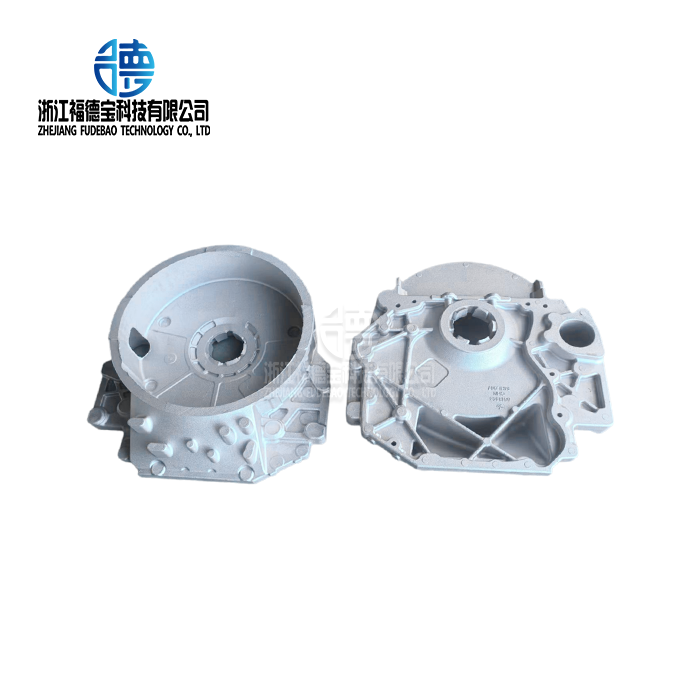
_1756348780785.webp "porting turbo compressor housing")