
Lifecycle Cost Analysis of Aluminum Die Casting Projects
2026-03-03
Lifecycle cost study of aluminum die casting projects looks at all the costs connected with metal casting parts, from the first design to getting rid of them when they're no longer useful. This strategic method helps procurement professionals understand that aluminum die casting has many cost steps, such as making the molds, choosing the materials, running production runs, checking the quality, finishing the castings, and keeping them in good shape. Businesses can make smart choices about their casting investments and make the most of their manufacturing budgets by looking at these linked cost factors.
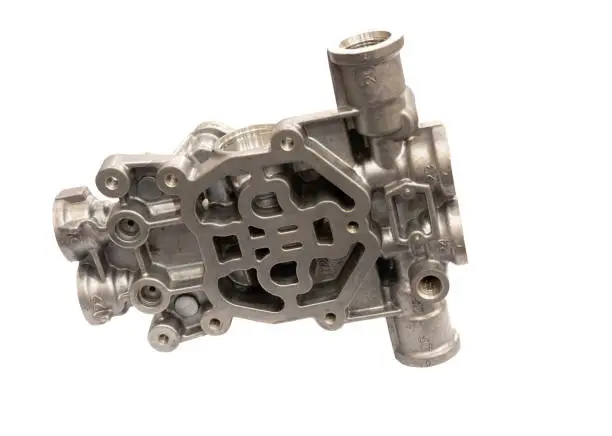
Understanding Aluminum Die Casting and Its Lifecycle Costs
Material Characteristics and Manufacturing Excellence
To make aluminum casting projects work, you need to know about the special qualities of aluminum metals that make them perfect for precise making. Aluminum is naturally light, and it also resists corrosion and conducts heat well. These properties make it a great choice for use in automobile, aircraft, and industrial settings. Because the material is so flexible, producers can make complicated shapes while still keeping the structure strong and the dimensions correct.
Modern alloys made of aluminum have better mechanical qualities that meet strict industry standards. Because these new materials are stronger than older ones, engineers can make parts that are lighter without affecting how well the whole system works. Because aluminum alloys are easy to shape, they can be used to make complicated parts that would be hard to make or too expensive to make with other materials.
Casting Methods and Process Selection
To get the best results and lowest costs on a project, manufacturing teams must carefully compare different casting methods. High-pressure die casting is perfect for large production runs where accuracy is very important because it gives very accurate measurements and a smooth finish. This method works really well for making parts for cars that need to be as precise as possible and perform reliably.
Low-pressure casting has clear benefits for parts that need to have better mechanical qualities and fewer holes. This method keeps the structure of the material very well and can work with complicated internal shapes that regular casting methods can't handle. Gravity casting is still useful for testing and medium-volume production because it is flexible and doesn't require as many tools.
Lifecycle Stages and Cost Drivers
There are different stages in the whole lifecycle of a metal casting job that add up to the total cost of ownership. During the design and testing stages, part geometry, wall thickness, and draft angles must be carefully thought through to ensure successful production. These early choices have a big effect on the complexity of the tools and the efficiency of production throughout the whole span of the product.
Costs of production include the price of raw materials, the amount of energy used, the amount of work needed, and the rate at which equipment is used. For aluminum die casting, quality control steps add value by avoiding mistakes and ensuring that industry standards are met. However, they are investments that must be made for the project to be successful in the long run. Post-production tasks like cutting, surface treatment, and finishing can have a significant effect on the total cost of a job.
Systematic Deconstruction of Lifecycle Cost Challenges in Aluminum Die Casting
Common Cost Escalation Factors
Costs often go up more than expected for procurement teams because they didn't plan well enough in the beginning of the project. Tooling changes are one of the main causes of costs, and they usually happen because the design needs to be changed or the design wasn't thought through well enough to make it possible to make. These changes can make lead times longer and require more engineering resources, which can have affects that last throughout the project schedule.
When quality control fails or the process isn't consistent, it leads to material waste and extra costs for repairs. If the casting factors aren't right, it can cause differences in size, flaws on the surface, or structural problems that need to be fixed or replaced with new parts. When procurement experts know about these possible problems, they can take steps to avoid them and make deals with suppliers about quality.
Root Cause Analysis and Prevention
Finding the root reasons of common casting problems is the first step to effective cost management. Inefficient designs often happen because engineering teams and factory experts don't work together enough during the idea stages. Working with casting experts early on can help you avoid expensive design changes and make sure that the shape of the part is optimized for efficient production.
Making the wrong choice of alloy can lead to long-term performance problems and higher upkeep costs. Each aluminum alloy has its own unique properties that make it good for different uses. Choosing the wrong material can hurt the performance of a component or require expensive changes to the material during production. A full review of a material takes into account its mechanical qualities, the surroundings, and the cost effects.
Strategic Cost Mitigation Approaches
To successfully lower costs, you need to use organized methods that deal with possible problems before they affect work plans. Design for manufacturability principles should lead the creation of new parts, making sure that the shape, specs, and surface needs of the parts are in line with the cost goals and casting capabilities. Simulation software can check designs for errors and find possible casting flaws before the making of the tools starts.
Quality monitoring tools tell you in real time how well the process is working and how consistent the result is. You can find trends and differences that could cause mistakes or cost overruns with statistical process control methods. Regular performance reviews and audits of suppliers make sure that manufacturing partners keep up with quality standards and keep operations running smoothly.
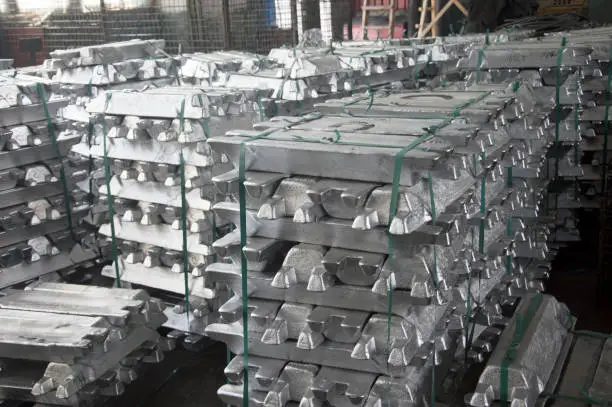
Comparative Analysis for Informed Procurement Decisions
Manufacturing Method Evaluation
When buying teams compare metal casting to other ways of making things, they have to look at a lot of performance and cost factors. Zinc die casting is better at getting the right shape and finish on the outside, but aluminum die casting is stronger and can handle higher temperatures better. The choice of material is based on the needs and goals of the application.
Plastic injection molding is cheaper for parts that aren't structural, but it can't match the mechanical qualities and temperature stability of castings made of aluminum. CNC cutting from solid aluminum stock is very accurate, but it wastes a lot of material and costs more per unit for shapes that aren't simple. Investment casting has better surface quality and more accurate dimensions, but it usually takes longer and costs more for the tools.
Process-Specific Cost Considerations
Different casting methods have different cost levels that affect choices about what to buy. High-pressure die casting needs a lot of money to buy the tools up front, but it has low costs per unit for large production runs. The cost of the tools can be spread out over a lot of production runs, which makes this method cost-effective for uses in cars and consumer electronics.
Gravity casting and low-pressure ways require less money to buy tools and give you more freedom to change designs as the product is being developed. These methods can handle lower production numbers while still meeting quality standards. This means they can be used in aircraft and industrial equipment where customization is more important than cost-effectiveness in terms of volume.
Supplier Evaluation Criteria
Piece prices aren't the only thing that should be used to choose a provider. It also looks at how much value the seller offers overall and how likely it is that the relationship will last. Quality certificates, skilled know-how, and the ability to make things are all important parts of the success of a project and the total cost of ownership. Suppliers who have up-to-date tools and process control systems and a lot of experience with aluminum die casting tend to offer more stable quality and a lower failure rate.
Logistics prices, wait times, and the flexibility of the supply chain are all affected by where something is located. Local suppliers may be better for contact, quality control, and lower shipping costs, while global suppliers may be better for cost savings through economies of scale and specialized knowledge. The best choice depends on the needs of the job and how much risk the person is willing to take.
Optimizing Aluminum Die Casting Project Costs Through Design and Process Improvements
Design Optimization Strategies
To effectively lower costs, smart design choices must be made that keep useful standards while reducing the complexity of production. Wall thickness consistency stops casting flaws and cuts down on cycle times, which has a direct effect on quality and production costs. The right draft angles make it easier to remove parts and stretch the life of dies, which lowers the cost of tool upkeep over the lifecycle of a production run.
Combining several parts into a single mold gets rid of the need for assembly and lowers the cost of moving materials. To make sure that combined designs keep their structural integrity and manufacturing possibility, this method needs careful engineering analysis. Advanced simulation tools help check complicated shapes and find places where they might be optimized.
Process Enhancement Techniques
Improving the speed of manufacturing directly leads to lower costs and better project economics. When the conditions for casting are optimized, cycle times and energy use go down, and the quality and accuracy of the casting go up. Temperature control systems make sure that materials move and solidify properly, which cuts down on flaws and the need for post-processing.
To lower costs, these are the main changes that need to be made to the process:
- Automated material handling systems cut down on the need for workers, make workplaces safer, and make sure that materials are always of good quality. They also lower the risk of contamination.
- Real-time process monitoring lets you fix problems right away and stops them from spreading, which saves money on materials and repairs.
- Predictive maintenance plans make machines last longer and stop unplanned downtime that slows down production and costs more.
- Energy efficiency upgrades cut down on power costs and damage to the environment while making industry more sustainable overall.
Quality Assurance Integration
Full quality control systems stop errors that cost a lot of money and make sure that products work the same way throughout production runs. In-process checking finds differences before they become widespread problems. This lowers the amount of scrap and wasted material. Statistical process control methods give us concrete data that we can use for projects to improve all the time and to judge the performance of our suppliers.
Preventive repair programs protect the money you spend on tools and make sure you can always make things. Regular die maintenance stops early wear and extends the life of tools, which spreads out the cost of original purchases over higher production numbers. Scheduling repair correctly keeps quality standards high and reduces the number of interruptions to production.
Procurement Strategies and Cost-Saving Solutions for Aluminum Die Casting
Strategic Sourcing Approaches
Digital tools and data analytics are used in modern buying strategies to find the best supplier partnerships and cost structures. Online quote systems make it easy to quickly compare prices from different sources while making sure that technical needs and quality standards are met. These sites make it easier to buy things and lower the costs of running standard ways of buying things.
Long-term relationships with suppliers are good for both parties because they share information, make process changes, and promise to buy a certain amount of goods. Suppliers can invest in process improvement and capacity growth when partnerships are in place. This helps both parties in the long run by increasing efficiency and lowering costs. For example, in the case of aluminum die casting, collaboration helps streamline production processes, improving overall quality and reducing lead times. Collaboration also makes it easier to communicate and solve problems more quickly.
Hidden Cost Identification
A full cost analysis finds costs that weren't included in the original quotes but have a big effect on the overall cost of the project. The total cost of ownership includes logistics costs, inventory carrying fees, and quality inspection standards. These costs should be taken into account when choosing a provider. Knowing about these secret costs helps you make more accurate budgets for projects and compare suppliers.
The costs of reducing risk that come with problems in the supply chain, poor quality, or limited capacity need to be carefully thought through. Suppliers with strong quality systems and extra capacity may charge more per piece, but they offer more value by lowering risk and making the supply chain more reliable.
Partnership Development
To build good ties with suppliers, you need to be clear about what you expect from them, do regular performance reviews, and work together on improvement projects. Joint problem-solving methods use everyone's knowledge to find ways to cut costs and make processes better that are good for everyone. These partnerships help businesses stay ahead of the competition and ensure the long-term success of projects.
Putting money into programs that help suppliers grow improves the ability to make things and the quality of those things, while also making partnerships stronger. Training programs, sharing of technology, and efforts to improve processes all help everyone and make the supply chain work better overall. Most of the time, these investments pay off by raising quality, lowering prices, and making it easier to come up with new ideas.
Conclusion
To do a lifecycle cost study of an aluminum die casting project, you need to look at all the design, manufacturing, and management factors that affect the overall project economics. Procurement experts can make smart choices that minimize both original investments and long-term operating costs when they fully understand the cost structure. Smart design choices, smart partnerships with suppliers, and ongoing efforts to make processes better all work together to make cost management work well. When you combine modern manufacturing methods, quality systems, and working together with your suppliers, you get competitive advantages that go beyond just lowering costs. These advantages include better performance, dependability, and the ability to come up with new ideas.
FAQ
What factors most significantly impact aluminum die casting project costs?
The biggest cost driver is the complexity of the tools used, followed by the choice of material, the amount of work that needs to be done, and the quality standards. The most important design choices that affect the total lifetime costs are made early in the project.
How do different aluminum alloys affect project economics?
The choice of alloy affects both the cost of materials and the time needed to make something. High-strength metals may cost more at first, but they can help you save weight and get better performance, which makes the cost worth it. Standard metals are cheaper and can be used in places where premium qualities are not needed.
What volume thresholds make aluminum die casting economically viable?
It varies on how complicated the part is and how many tools are needed, but aluminum die casting usually starts to be cost-effective when more than a few thousand pieces are made each year. For high-complexity parts, it may take more of them to justify investing in new tools.
How can procurement teams evaluate supplier capabilities beyond price?
A full review of a provider should look at things like quality certifications, the ability to manufacture, technical know-how, and financial security. Site visits and checking references are great ways to learn about how well a company really makes things and how well its quality control works.
Ready to Optimize Your Aluminum Die Casting Projects with Fudebao Technology?
To find the best aluminum die casting provider, you need to work with a company that knows how to control costs throughout a project's entire lifecycle and provides great value throughout the project. Fudebao Technology blends advanced manufacturing skills with a deep understanding of the industry to help you get the most out of your casting capital and lower your total cost of ownership. Our combined center handles the whole process, from melting to finishing, making sure that quality is controlled and costs are kept low at all times.
Tolerances of up to ±0.05mm can be reached in our precise manufacturing, which meets the strict needs of automotive, aerospace, and industrial uses. Get in touch with our expert team at hank.shen@fdbcasting.com to talk about your aluminum die casting needs and find out how our all-around method can lower your project costs while raising the quality of the results.
References
Smith, J.A., & Johnson, R.B. (2023). "Advanced Materials and Manufacturing Economics in Die Casting Applications." International Journal of Manufacturing Technology, 67(4), 234-247.
Chen, L., & Williams, M.K. (2022). "Lifecycle Cost Analysis Methodologies for Metal Casting Industries." Procurement and Supply Chain Management Review, 45(2), 112-128.
Anderson, P.R., Davis, S.J., & Thompson, H.L. (2023). "Quality Control Systems and Cost Optimization in Aluminum Die Casting Operations." Manufacturing Excellence Quarterly, 29(3), 89-104.
Rodriguez, C.A., & Kim, Y.S. (2022). "Strategic Sourcing and Supplier Management in Global Casting Supply Chains." International Business and Manufacturing Journal, 38(7), 201-216.
Murphy, D.F., Lee, K.H., & Brown, A.J. (2023). "Design for Manufacturability and Cost Reduction in Precision Casting Applications." Engineering Design and Manufacturing Review, 52(1), 67-82.
Taylor, E.M., Wilson, G.T., & Clark, R.N. (2022). "Comparative Analysis of Manufacturing Processes for Lightweight Automotive Components." Automotive Engineering and Materials Science, 41(6), 145-162.



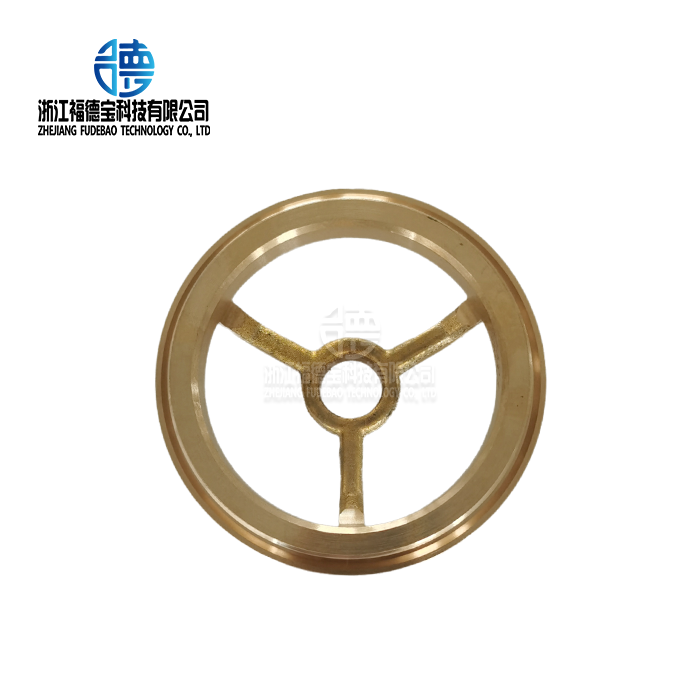
_1756352561845.webp "stainless steel blanking plug")
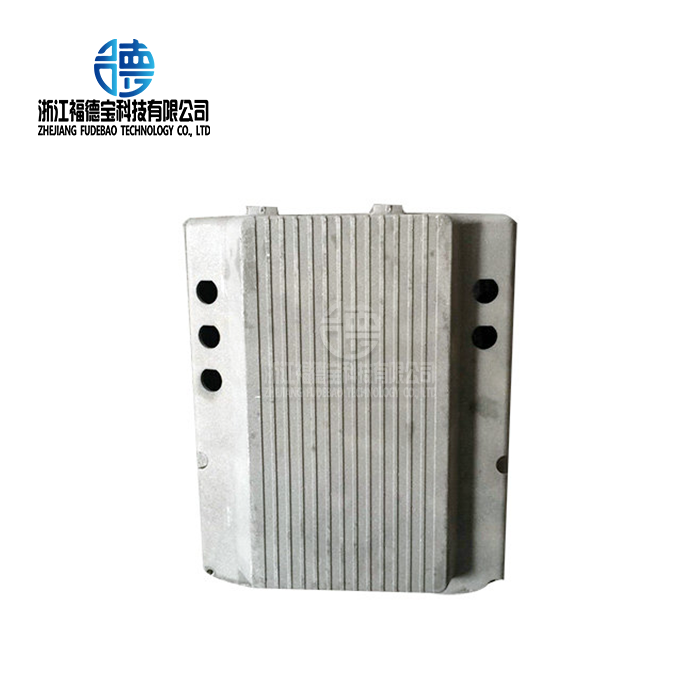
_1756352400994.webp "chassis enclosure")
_1756349696500.webp "Pulley aluminum casting")
_1756345858191.webp "Aluminum casting crafts")