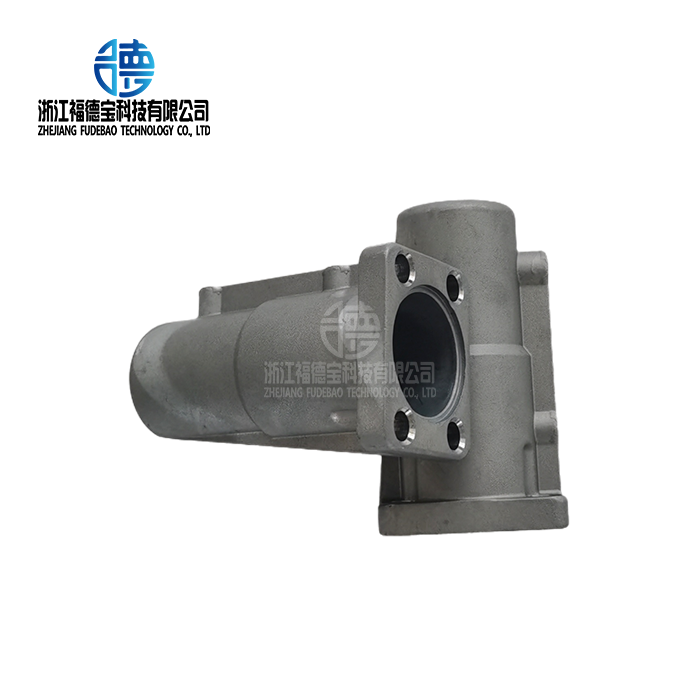
High-pressure pumping into steel molds turns liquid aluminum into precisely designed parts. Aluminum die casting is one of the most important production technologies. This complex process gives very accurate measurements, great surface finishes, and uniform quality in a wide range of commercial settings. The technology meets important production needs for strong but lightweight parts, helping engineers and buying workers get the best performance at the lowest cost. A lot of industries, from the car industry to aircraft, depend on aluminum die casting solutions to meet strict standards for strength, longevity, and accurate manufacturing.

Understanding Aluminum Die Casting and Its Key Advantages
For aluminum die casting, liquid aluminum metal is poured into perfectly made steel molds while being under a lot of pressure, usually between 1,500 and 25,000 PSI. This high-pressure setting makes sure that the mold hole is completely filled. This makes parts that are very accurate in size and have smooth surfaces, which often means that they don't need to be machined again.
Superior Material Properties and Performance
Because they are so strong for how light they are, aluminum metals used in die casting are perfect for situations where weight reduction directly affects performance. Excellent thermal conductivity makes it easy for heat to escape, and natural resistance to rust means it will last for a long time in harsh conditions. Because of these qualities, aluminum die cast parts are very useful in places where temperature control is important, like in car engines, electrical housings, and industrial equipment.
Manufacturing Efficiency and Cost Benefits
When compared to other ways of making things, aluminum die casting has much shorter cycle times and better accuracy in production. With this method, producers can make complicated shapes with thin walls and fine details that would be hard or impossible to make with regular cutting. Because it is more efficient, it costs less per unit for medium to high-volume production runs. This makes it a good choice for OEM providers and tier-1 makers.
Primary Industrial Applications of Aluminum Die Casting
The flexibility of aluminum die casting technology has made it widely used in many fields, each using the specific qualities of the material to solve their own technical problems.
Automotive and Transportation Solutions
When it comes to engine blocks, transmission housings, structural brackets, and heat exchangers, the car industry is the biggest user of aluminum die cast parts. Modern cars use metal die-cast parts to cut down on weight while still meeting safety standards and structural soundness goals. Aluminum is a good thermal conductor, which means that engine parts can get rid of heat more efficiently and run better. Transmission housings use the material's strength and ability to be precisely machined to make sure that the gears are aligned correctly and that the housing will last for a long time.
Industrial Machinery and Equipment
For industrial uses, parts need to be able to handle rough conditions while still meeting exact specifications. For pump housings, compressor parts, and heavy equipment parts, these needs can be met by die casting aluminum. With this technology, makers can make complicated internal paths for fluid flow while keeping the power of the structure. Aluminum remains corrosion-resistant in chemical working settings and keeps its shape even when temperatures change, which is good for industrial equipment.
Electrical and Energy Sector Applications
For motor housings, electrical covers, and heat absorption parts, the electrical industry counts on aluminum die casting. Aluminum's good electrical conductivity and temperature management qualities are used by companies that make power tools to make sure it works well. Aluminum is good for renewable energy uses because it is light and doesn't rust when installed outside. Because the material can block electromagnetic waves, it is useful for making housings for delicate electronics.
Decision Factors in Selecting Aluminum Die Casting for Your Project
To pick aluminum die casting over other ways to make things, you need to carefully look at a lot of technical and financial factors that affect the project's success.
Alloy Selection and Material Considerations
Different aluminum types have different qualities that make them better for certain uses. This metal, A380, is great for general-purpose uses because it is very fluid and not too strong. A413 is better at resisting rust and is used more often in naval and automobile uses. A383 has better tensile qualities for uses that are under a lot of stress. By knowing these differences, engineers can choose the metal that will meet their needs for efficiency.
Comparative Analysis with Alternative Methods
Aluminum die casting is stronger and more thermally conductive than plastic injection molding, but it may cost more to make the original tools. Die casting has better surface finishes and tighter precision than sand casting, but it may only be able to make smaller parts. When compared to CNC machining, die casting lets you make complicated shapes faster while wasting less material.
Design Guidelines and Process Considerations for Aluminum Die Casting
For aluminum die casting projects to be successful, they need to follow well-known design rules that make the parts easier to make and better at what they're supposed to do.
Critical Design Parameters
Uniform wall thickness is very important for keeping flaws away and making sure that the cooling rate is the same all over the part. The recommended wall thickness is between 2 and 6 mm, based on the size of the part and the needs of the application. Draft angles of 1-3 degrees make it easier for parts to come out of the mold and extend its life. Fillet circles that are the right size lower stress levels and help the material move better during the casting process.
Quality Control and Process Optimization
To make sure the quality is always the same, modern aluminum die casting operations use complex process tracking systems. Monitoring temperatures in real time, using pressure sensors, and using automatic checking systems can help keep standards tight and error rates low. Statistical process control methods help find problems before they affect the quality of the production and allow for ongoing growth.

Procurement Insights: Partnering with Reliable Aluminum Die Casting Suppliers
To choose the right aluminum die casting company, you need to carefully look at their skills, licenses, and level of business excellence.
Supplier Qualification Criteria
Quality standards like ISO 9001, IATF 16949, and AS9100 show that a seller follows well-known quality control methods. The success of a project is closely related to its production capacity, delivery dependability, and expert help skills. To make the supply chain run more smoothly, advanced providers offer a wide range of services, such as design optimization, testing, and secondary operations.
Fudebao Technology's Comprehensive Capabilities
Zhejiang Fudebao Technology Co., Ltd. has become a leading aluminum foundry company that specializes in making aluminum alloy, copper alloy, and stainless steel and can also do precise cutting. Our factory has cutting-edge machines like high-speed machining centers, CNC lathes, and advanced die casting tools that help with the whole making process, from melting to finishing and treating the surface. With a level of accuracy of ±0.05mm, we can handle difficult jobs in the medical equipment shells, automobile precise parts, and industry components. Our "one-stop delivery" method, which includes both the blank and the finished product, makes the supply chain simpler and more reliable.
Conclusion
Die casting aluminum keeps getting better as an important manufacturing method that helps many different types of businesses come up with new ideas. It's a good choice for engineers and buying workers who want the best performance and lowest cost because of the way it's made, how well it works, and how flexible the design can be. Knowing the needs of the application, the design factors to think about, and the supplier's skills helps you make smart decisions that lead to project success. As long as industries want parts that are lighter, stronger, and more complicated, aluminum die casting technology will be the only way to meet these tough needs while keeping manufacturing costs low.
FAQs
What are the usual ranges of accuracy that can be reached with aluminum die casting?
Tolerances for standard aluminum die casting run from ±0.1mm to ±0.3mm, based on the shape and size of the part. Through secondary machining operations, it is possible to get closer tolerances of ±0.05mm for key measurements with the right tools design and process control.
When used in industry, how does aluminum die casting compare to sand casting?
When compared to sand casting, aluminum die casting has a better surface finish, tighter standards, and faster production processes. Sand casting, on the other hand, works better for bigger parts and smaller production runs. Die casting works best for large-scale tasks that need uniform quality and little post-processing.
What types of aluminum metals work best for car uses?
Because they are easy to make, have a modest level of strength, and are inexpensive, A380 and A383 metals are most often used in car uses. A413 is better for parts that need to be more resistant to rust, while A360 is better for parts that need to be strong under a lot of stress, like engine parts.
Partner with Fudebao Technology for Your Aluminum Die Casting Needs
Fudebao Technology's modern aluminum die casting solutions can change the way your production projects are done. We can do everything from making prototypes to mass production, and our precision cutting and surface treatment services help us do it all. We use decades of experience working with the aircraft, automobile, and industrial equipment businesses to get you parts that are exactly what you need. To make sure your projects get the best results, our team offers design improvement advice and cost analysis. Email us at hank.shen@fdbcasting.com to talk about your needs for an aluminum die casting source and find out how our high-quality production can help you get your product to market faster.
References
American Foundry Society. "Aluminum Die Casting Process Guidelines and Best Practices." Technical Publication Series, 2023.
Society of Automotive Engineers. "Material Selection Guide for Aluminum Die Casting Applications in Automotive Manufacturing." SAE International Standards, 2022.
International Journal of Metalcasting. "Advances in Aluminum Die Casting Technology and Industrial Applications." Volume 17, Issue 3, 2023.
North American Die Casting Association. "Quality Standards and Specifications for Aluminum Die Cast Components." NADCA Publication 207, 2022.
Materials Science and Engineering Review. "Comparative Analysis of Aluminum Alloys in High-Pressure Die Casting Applications." Academic Press, 2023.
Industrial Manufacturing Technology Handbook. "Process Optimization and Design Considerations for Aluminum Die Casting Operations." Manufacturing Engineering Institute, 2022.



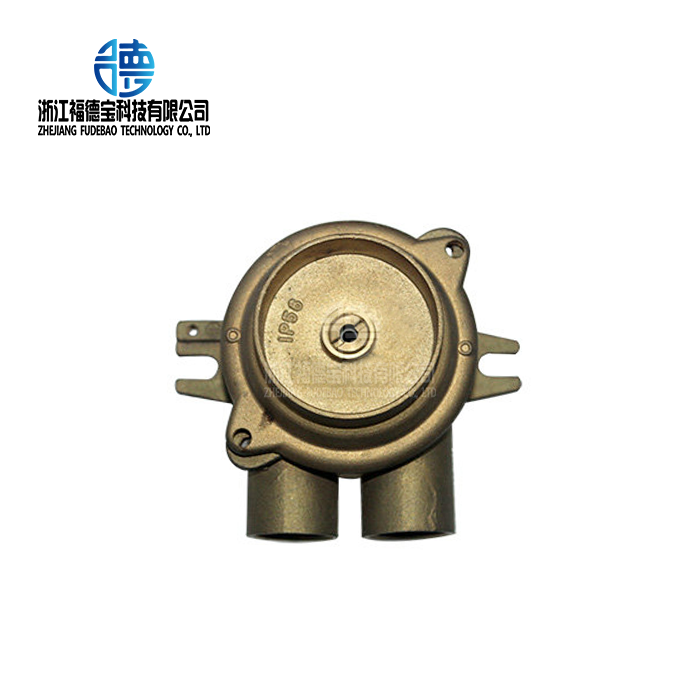
_1756361423150.webp "Cryopump body")
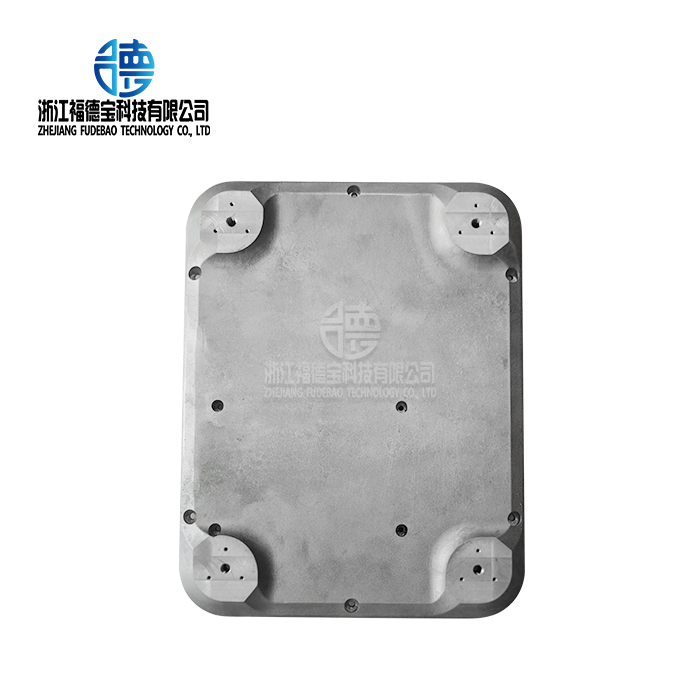
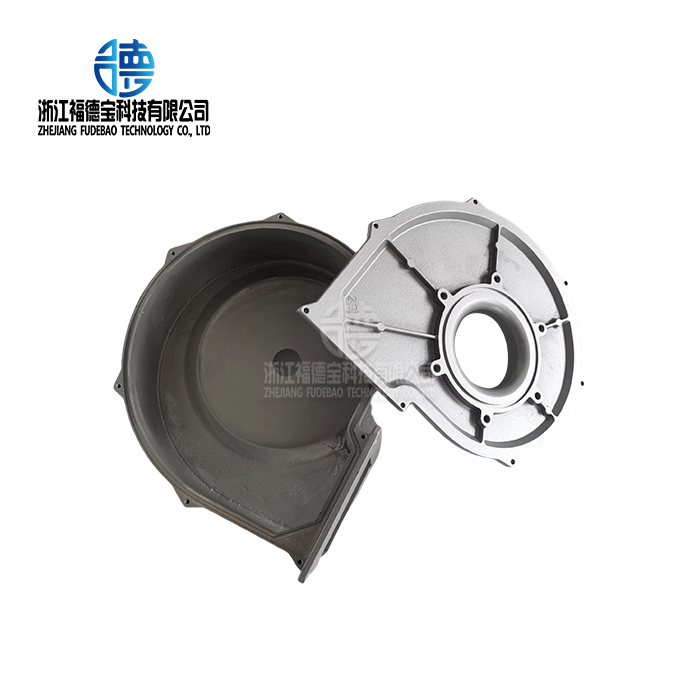
_1756352712247.webp "stainless steel hex plug")
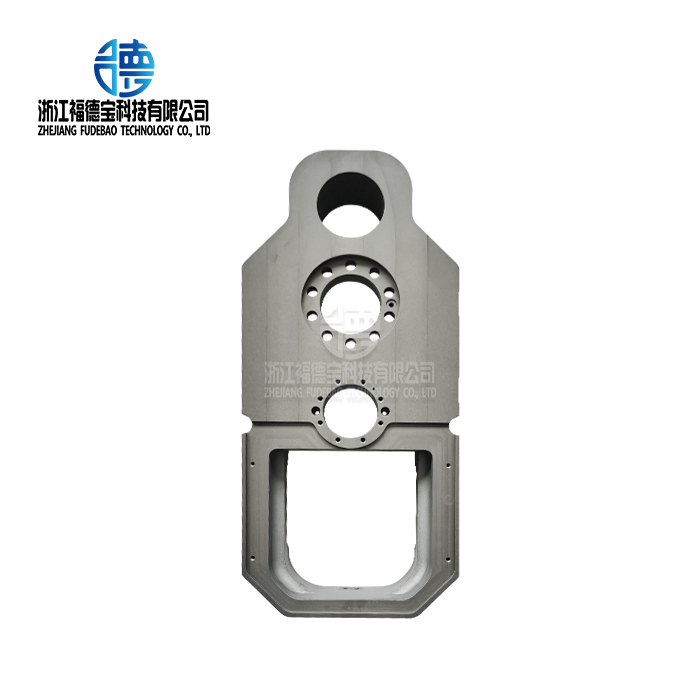
_1756346668222.webp "Aluminum castings Decorative buckles")