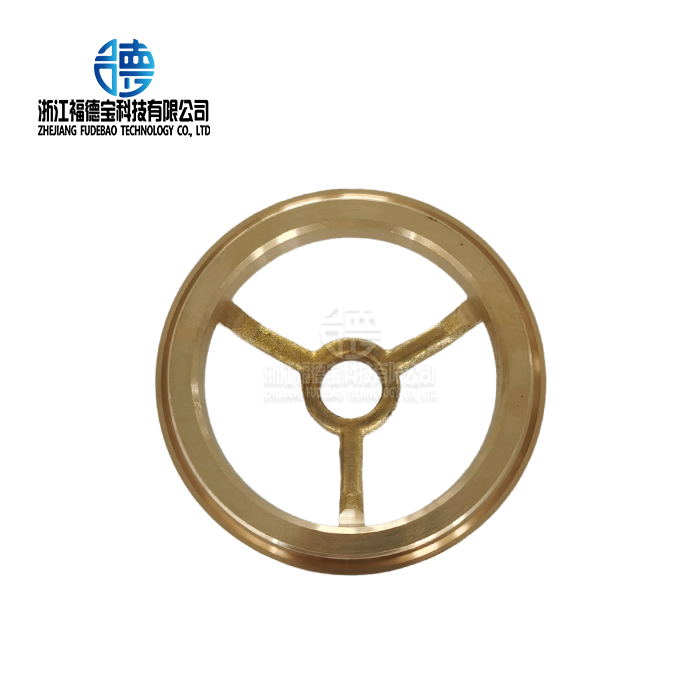
It is impossible to beat CNC machining when it comes to low-volume production runs because it combines high accuracy with low costs. Modern computer numerical control technology lets companies make small amounts of high-quality parts without having to spend a lot of money on tools like they do with traditional methods. This way of making things gives regular accuracy in measurements, the ability to make quick prototypes, and variable production schedule that meets the needs of today's competitive markets. CNC machining is used in many fields, from aircraft to automobile, to get very accurate results while still being cost-effective for small production runs.

Understanding CNC Machining in Low-Volume Production
The industrial process known as computer numerical control machining is very advanced. It uses pre-programmed software to handle machine tools very precisely. Using subtractive production, where cutting tools remove material in a planned way to get the desired shapes, this automatic method turns raw materials into complex parts. This technology works especially well for small orders, where traditional methods of mass production are not cost-effective.
Core Technologies and Equipment
Modern CNC machinery includes milling centers, turning centers, and multi-axis machining centers, among other types of tools, that can handle a wide range of industrial needs. High-precision mechanical parts are combined with advanced software controls in these systems to achieve accuracy within microns. Because CNC technology is customizable, makers can quickly switch between different part shapes without having to make a lot of changes to the setup. This makes it perfect for smaller production runs.
Material Compatibility and Versatility
A lot of different materials can be used for CNC machining, such as aluminum alloys, stainless steel, copper alloys, titanium, and different industrial plastics. This adaptability is very important for small-scale production, where different projects may need different qualities from the material. Being able to make different types of materials on the same piece of equipment cuts down on the amount of capital needed and increases output freedom.
Core Advantages of CNC Machining for Low-Volume Production
When it comes to low-volume manufacturing, CNC machining has benefits that go beyond basic production. These benefits are strategic and improve competitiveness and operational efficiency. These benefits help with important issues in modern manufacturing, like making sure quality is consistent, meeting time-to-market demands, and lowering costs.
Exceptional Precision and Quality Control
CNC machining keeps the accuracy of the dimensions within ±0.05mm throughout all production runs, no matter how big or small the batch is. This level of accuracy comes from computer-controlled tool moves that get rid of human error and keep cutting settings constant. When quality control systems are built into CNC machines, they can be watched and adjusted in real time, making sure that every part meets the specifications without having to go through a lot of human checking steps.
Rapid Turnaround and Flexible Scheduling
Low-volume CNC production has much faster turn-around times than traditional methods of making, which need a lot of time to prepare the tools. Digital processes make it easy to quickly change programs and setups, which lets makers respond quickly to changes in design or urgent delivery needs. This flexibility is especially helpful when making prototypes or unique products, where getting the product to market quickly is key to the success of the project.
Cost-Effective Production Economics
CNC machining is cheaper for small amounts because it doesn't need as many tools and takes less time to set up. Using traditional ways of making things often means spending a lot of money on dies, molds, or special fittings that are too expensive for small amounts. CNC machining uses standard cutting tools and workholding systems that can handle a wide range of part shapes without having to buy special tools.
Choosing the Right CNC Machining Services for Your Low-Volume Needs
To find the right CNC machining partners, you need to carefully look at their professional skills, quality systems, and ability to work with your project's needs. As part of the decision-making process, many things that affect the results of the production and the success of the relationship in the long run are looked at.
Technical Capabilities and Equipment Assessment
Before you can judge a CNC service provider, you need to know what kind of equipment they have and how it works. This includes the machine's size limits, axis setups, and precise requirements. Modern machining centers have multiple axes that let them make complex shapes in just one setup. This makes handling easier and more accurate. The types of materials and parts that can be made easily depend on the spindle's strength, the method for changing tools, and the ability to hold the workpiece.
Quality Certifications and Inspection Standards
Certifications in an industry, like ISO 9001, AS9100, or IATF 16949, show that quality management systems and process standards are well-established. With these certificates, you can be sure that the ways your products are made meet industry standards and government rules. Inspection tools like coordinate measuring machines, surface finish measurement tools, and material testing tools make it possible to check the quality of many things for important uses.
Supply Chain Management and Delivery Performance
Reliable CNC machining partners keep strong ties with their suppliers to make sure that materials are always available and that deliveries are always made on time. Being close to each other can cut down on traveling costs and wait times, as well as make it easier to communicate and plan projects. On the other hand, global buying may offer lower prices or unique features that make longer supply chains worth it for some uses.
Practical Tips for Optimizing Low-Volume CNC Machining Projects
For low-volume CNC projects to be successful, they need to be carefully planned and designed in a way that matches performance needs with industrial efficiency. How you design parts, choose materials, and plan the process all have a big effect on how the project turns out and how much it costs in total.
Design for Manufacturability Principles
When designing parts for CNC production, it's important to think about how easy it is to get to the tools, how the features are oriented, and what standard tools can do during the design phase. Cutting out deep holes, thin walls, and complicated undercuts makes the job easier and the dimensions more stable. Standard hole sizes, angles, and thread specs cut down on the number of tools that need to be used and the time it takes to set up for each task.
Surface Finishing and Post-Processing Options
The cutting methods of CNC machining produce excellent surface finishes on their own, but adding more finishing steps may improve the look or performance. Anodizing metal parts protects them from rust and makes them look better, and precision cutting makes the surfaces of important fitting surfaces look better. Deburring and breaking the edges make sure that the parts are safe to handle and fit together correctly during assembly.
Case Studies & Applications of CNC Machining in Low-Volume Production
Applications in the real world show how useful CNC machining is in a wide range of businesses and part types. With these examples, you can see how low-volume CNC production can help solve certain industrial problems and make a real difference in performance.
Automotive Component Manufacturing
Manufacturers of auto parts use CNC machining to make prototypes and small batches of specialized parts like engine frames, transmission housings, and suspension elements. Being able to make aluminum and steel parts with very tight specs helps car development projects that need to get parts quickly for design changes. Comprehensive inspection reports and process capability studies are easy ways to meet the paperwork needs of PPAP.
Aerospace and Defense Applications
Manufacturers of aerospace parts rely on CNC machining to make safety- and reliability-critical flying parts. This is because the material can be tracked and the measurements are exact. Titanium and aluminum aircraft metals need special cutting tools and methods, which CNC machines can do well. Being able to make small amounts of different part numbers supports strategies for keeping supplies low while keeping production ready for sudden needs.
Industrial Equipment and Machinery
Manufacturers of industrial equipment use low-volume CNC production to make new parts, unique changes, and specialized parts that can be used in a variety of equipment uses. It is possible to make solutions for pumps, compressors, and industrial equipment out of a wide range of materials, such as stainless steel, copper metals, and engineering plastics. Quick response times keep machines from breaking down and help just-in-time repair plans work.
Fudebao Technology: Your Trusted CNC Machining Partner
Zhejiang Fudebao Technology Co., Ltd. is a world-class company that specializes in precision machining and metal casting. It serves customers all over the world in the aerospace, automobile, industrial equipment, and machinery production industries. Our full range of production services includes the whole process, from melting and casting to finishing and surface treatment, so we can take care of everything from the blank to the finished product.
Our building has cutting-edge machines like high-speed machining centers, CNC lathes, low-pressure casting machines, and die casting systems that can meet a wide range of production needs. We can make precise parts with tolerances as small as 0.05 mm, which meets the high standards needed for medical equipment housings, aircraft parts, and precision parts for cars. Because we know a lot about handling aluminum alloys, copper alloys, and stainless steel, we can come up with complete answers to difficult industrial problems.
From our early ties with middle-level suppliers to our direct supply relationships with foreign names like American HAAS automatic machine tools and ESS energy storage batteries, our track record shows that we can always count on quality and dependability. Our quality control systems make sure that products can be tracked and meet industry standards. Our experienced engineering team also helps with technical issues as the products are being made.

Conclusion
The best way to meet the needs for low-volume output in a wide range of businesses and uses is through CNC machining. CNC technology is an important production skill for modern businesses that want to stay ahead of the competition because it is accurate, flexible, and cost-effective. When buying workers know about the strategic benefits of CNC machining, they can make choices that support business goals and keep quality standards high. The technology is essential for making prototypes and specialized parts because it can work with different materials, complicated shapes, and tight limits. CNC machining will continue to be an important technology for innovation and success in global markets as manufacturing moves toward more flexible and fast production methods.
FAQs
How many items do most low-volume CNC machining jobs need as a minimum order?
For CNC machining, the minimum order quantity can be anywhere from a single sample to several hundred pieces, based on how complicated the part is and how it needs to be set up. For prototype development, many CNC shops can take orders as small as one piece. Low-volume production runs of 50 to 500 pieces are popular because they combine setup costs with per-piece prices.
What is the difference between the wait time for CNC machining and other ways of making small batches?
When it comes to low-volume production, CNC machining usually has shorter wait times than methods that need special tools. Depending on the complexity of the part and the shop's ability, wait times are usually between one and three weeks. For injection molding or die casting, it can take between six and twelve weeks to build the tools before production starts.
What factors have the biggest effect on the price of CNC machining for small jobs?
CNC machining prices are mostly affected by the complexity of the part, the choice of material, the accuracy standards, and the number. Costs go up when shapes are complicated and need multiple setups or specialty tools. Tighter standards may also need more operations or inspections. Standard and custom metals have very different material costs, which affects the total economics of the job.
Partner with Fudebao Technology for Superior CNC Machining Solutions
With Fudebao Technology's full range of CNC machining services, you can turn problems with low-volume output into competitive benefits. Our cutting-edge tools, skilled engineers, and tried-and-true quality systems give your projects the accuracy and dependability they need. Our experience handling aluminum alloys, copper alloys, and stainless steel guarantees the best results, whether you need prototypes, unique parts, or specialized production solutions. As a top CNC machining company, we know how to meet the specific needs of uses in the automobile, aircraft, industrial, and electrical fields. Feel the difference when you work with a reliable provider who is dedicated to quality and new ideas. Email us at hank.shen@fdbcasting.com to talk about your unique needs and find out how our skills can help you reach your business goals.
References
Smith, J.R. and Anderson, M.K. "Precision Manufacturing Technologies for Low-Volume Production Applications." Journal of Manufacturing Science and Engineering, Vol. 145, No. 3, 2023.
Thompson, D.L. "Cost-Benefit Analysis of CNC Machining versus Traditional Manufacturing Methods." International Journal of Production Research, Vol. 61, No. 8, 2023.
Chen, W.H. and Kumar, S. "Advanced CNC Technologies for Aerospace Component Manufacturing." Aerospace Manufacturing Technology Review, Vol. 29, No. 4, 2023.
Rodriguez, C.A. "Quality Control Systems in Computer Numerical Control Machining Operations." Manufacturing Engineering Technology Quarterly, Vol. 18, No. 2, 2023.
Williams, P.J. and Lee, K.S. "Material Selection Guidelines for Low-Volume CNC Machining Applications." Materials and Manufacturing Processes, Vol. 38, No. 7, 2023.
Johnson, R.T. "Digital Manufacturing Strategies for Small Batch Production." Advanced Manufacturing Technology Journal, Vol. 127, No. 5, 2023.



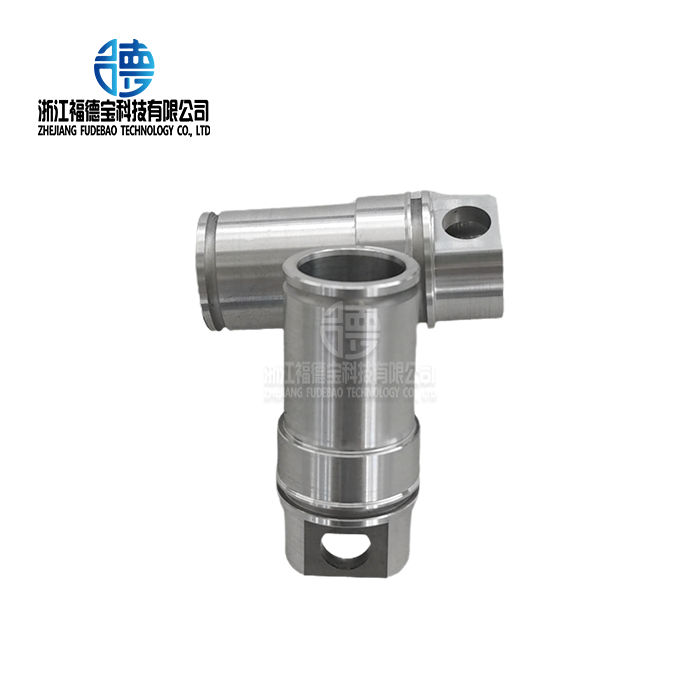
_1756352822273.webp "Stainless steel plugs")
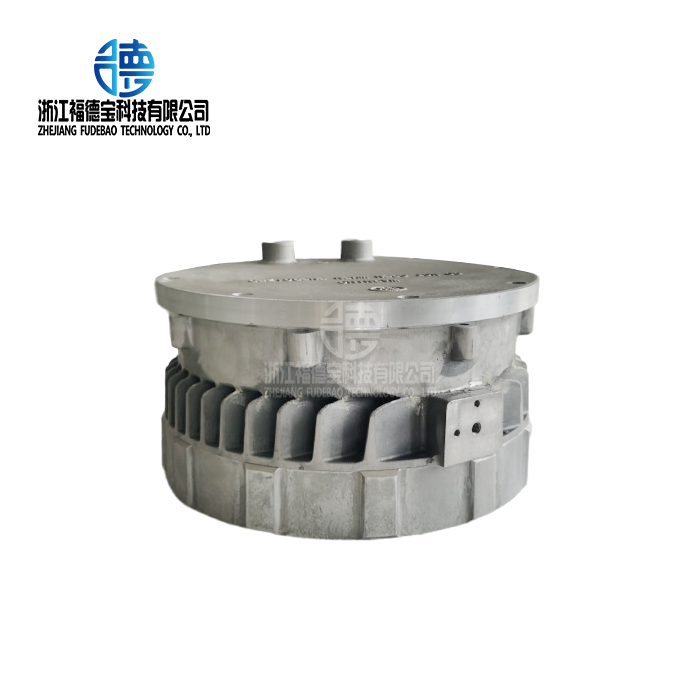
_1756349957728.webp "metric v belt pulley")
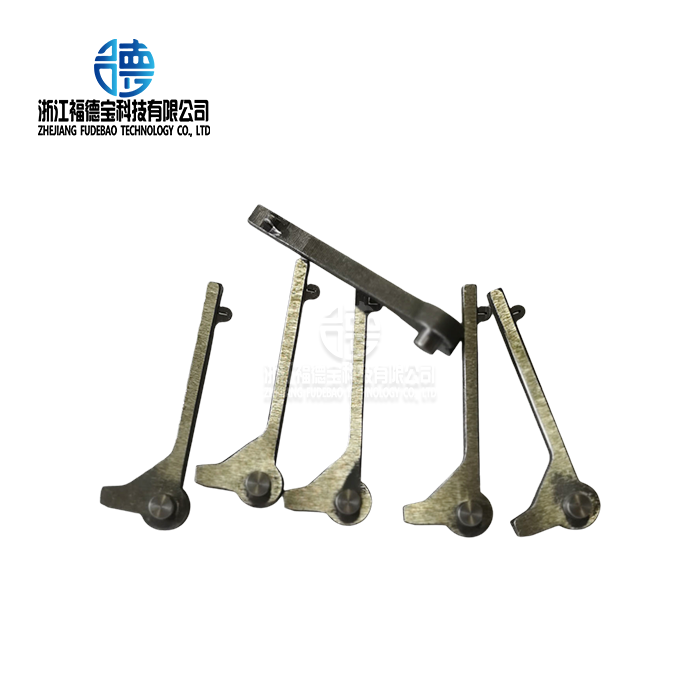
_1756346259673.webp "heavy duty hinges")