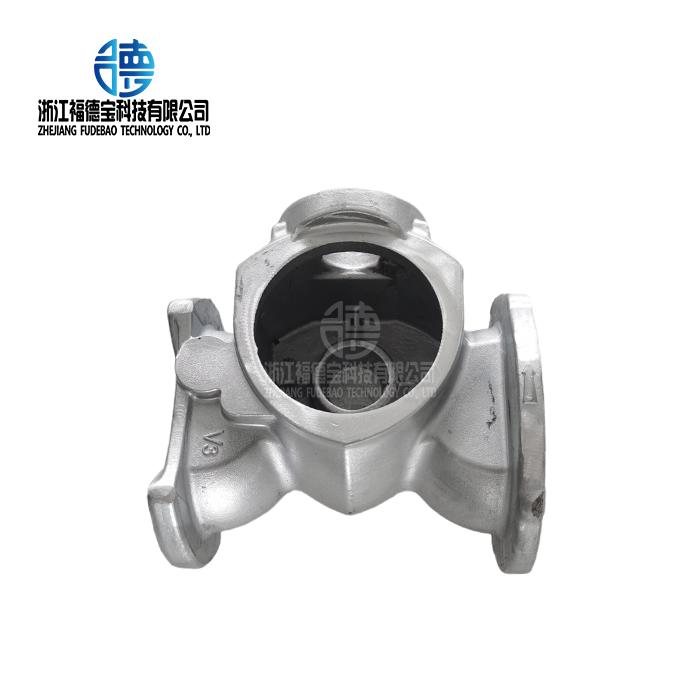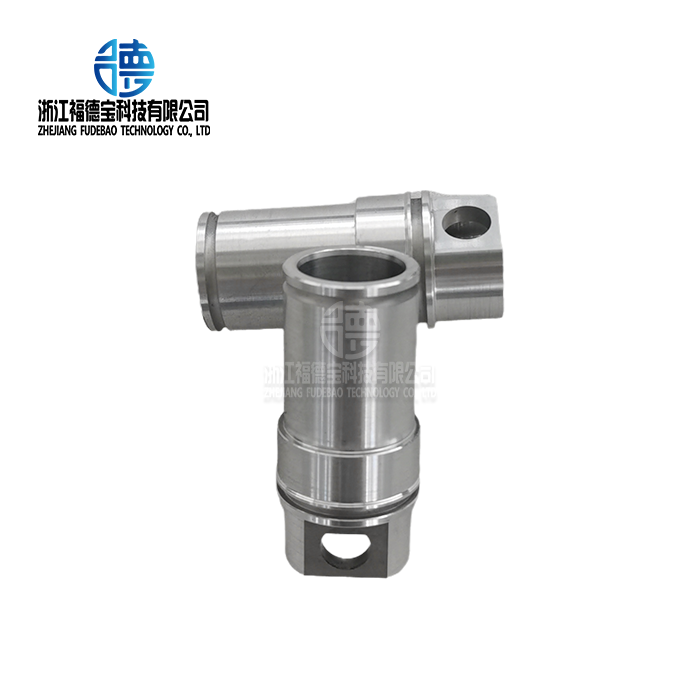
When you need to make high-quality parts with uniform quality and better mechanical features, low pressure casting is the best way to do it. This advanced casting method uses controlled pressure from below to make sure that the liquid metal moves evenly into the molds and that flaws like holes and inclusions are kept to a minimum. Low pressure casting is used more and more in industries like automobile, aircraft, and industrial machinery to ensure that vital parts meet strict quality and safety standards.

Understanding Low Pressure Casting: Fundamentals and Process
The exact control systems that make the low pressure casting process stand out from standard gravity casting methods are what make it unique. Molten aluminum or other metals are poured into molds under controlled pressure, usually between 0.1 and 1.0 bar, which comes from a burner room below the casting setup.
Core Equipment and Technology Components
These days, low pressure casting methods use high-tech tools to keep the process conditions at their best. The main parts are supercharged furnaces with precise temperature controls, precision pressure controllers that keep the metal flowing smoothly, and special mold materials that can withstand thermal cycles without breaking down.
Mold preparation is the first step in the casting process. This is where permanent models are fired to specific temperatures based on the alloy's needs. The molten metal then rises through a controlled-pressure feed tube and fills the mold space slowly but evenly. With this controlled filling method, there is no turbulence, which is what usually leads to oxide formation and gas trapping in traditional casting methods.
Material Compatibility and Applications
Aluminum alloys, especially A356 and A319 types, are the main materials used in low pressure casting because they are easy to make and have good mechanical qualities. These metals have better strength-to-weight ratios, which are important for engine parts, aircraft structure elements, and housings for industrial machines. The method can also be used with magnesium metals for very light uses where weight reduction is very important.
Advantages of Low Pressure Casting Over Traditional Methods
When you compare low pressure casting to options like gravity casting, die casting, and sand casting, you can see that it performs much better. These benefits directly meet the quality and dependability needs that original equipment makers (OEMs) in the car, aircraft, and industrial equipment industries stress.
Superior Mechanical Properties and Quality
When compared to gravity casting, low pressure casting has a lot less holes because it uses a controlled filling process. According to research, important areas can have up to 80% less porosity. This makes parts that are more resistant to wear and have higher tensile strength. The quality is better because there are no longer any chaotic flow patterns, which can trap air and include oxides.
When parts are made by low pressure casting, the microstructure is the same all the way through the part. This makes sure that the parts will behave predictably when they are stressed. This uniformity is very important for safety-critical uses where changes in the material's properties could affect how well it works.
Economic and Production Benefits
In addition to better quality, low pressure casting is also very good for the economy because it cuts down on waste and increases output rates. When compared to gravity casting, the controlled filling method usually uses 15-20% less material because it doesn't need as many lifter systems. Also, the better surface finish quality often gets rid of the need for extra cutting, which cuts down on production costs and wait times.
Another big benefit is that mold switching processes take much less time to set up than die casting options, which makes production more flexible. This feature makes it possible to make small to medium batches quickly and accurately, while keeping quality standards high throughout the whole process.
Technical Insights: Optimizing Low Pressure Casting for High Integrity Parts
To get the best results from low pressure casting, you need to have a deep understanding of the process factors and how they affect each other. Controlling the temperature, the pressure, and the best way to create the mold all affect the quality and accuracy of the end part.
Advanced Process Control Strategies
Temperature management for low pressure casting is more than just cooking liquid metal. It also includes precisely controlling the temperature of the mold and finding the best cooling rate. Mold temperatures are usually kept between 200°C and 300°C to make sure the metal flows properly and doesn't solidify too quickly, which could lead to cold shuts or incomplete filling.
Optimizing the pressure profile means carefully controlling the ramp rates while the hole is being filled and then keeping the pressure high during solidification to get rid of any shrinking porosity. Modern systems use customizable controls to change the pressure curves based on the shape of the part and the properties of the metal. This makes sure that the results are the same from one production run to the next.
Innovative Mold Design Approaches
Modern mold design uses advanced cooling channel layouts that control the pattern of solidification to get rid of hot spots and limit the growth of leftover stress. Simulation software on a computer lets engineers improve locking systems and guess where defects might happen before the actual mold building starts.
Using high-tech materials like H13 tool steel and beryllium copper alloys in important mold parts improves their ability to conduct heat while keeping their shape over longer production cycles. These choices about materials have a direct effect on the stability of part quality and the life of the mold, which is good for long-term production costs.

Choosing the Right Low Pressure Casting Service and Equipment
To successfully buy low pressure casting services, you need to carefully look at the skills, quality systems, and technological equipment of the suppliers. The selection process should take into account a number of factors that have a direct effect on the quality of the parts, the speed of delivery, and the success of the relationship in the long run.
Supplier Evaluation Criteria
Certification requirements are important factors for evaluation, especially for ISO 9001 quality management systems and standards related to the car industry, such as ISO/TS 16949. Aerospace companies need to show that they are certified by both AS9100 and NADCAP for certain processes.
When evaluating technological skills for low pressure casting, one should look at the age and level of complexity of the tools, as well as the framework for quality inspections and process tracking systems. Suppliers that use advanced statistical process control and real-time tracking are better able to keep quality uniform across production runs.
Equipment Selection Considerations
Modern low pressure casting tools come with different levels of automation and output abilities to meet the needs of different applications. Fully automated systems are best for high-volume production because they can be used over and over again, while semi-automatic setups are better for making prototypes and small batches.
Machine selection should take into account the maximum hole size, the range of pressures that the machine can handle, and its features for optimizing cycle time. More advanced systems have features like remote tracking and predictive maintenance that keep process conditions stable and reduce unexpected downtime.
Fudebao Technology: Your Trusted Low Pressure Casting Partner
As a leading aluminum foundry company, Zhejiang Fudebao Technology Co., Ltd. offers a wide range of metal casting and precision milling services. Advanced low pressure casting tools, high-speed machining centers, and CNC equipment are all housed in one building. This means that we can provide full production solutions, from raw materials to final parts.
Our manufacturing skills cover the whole range of production methods, including melting, casting, finishing, and treating the surface. This unified method allows for delivery in a single step while keeping precision standards of up to ±0.05mm. This meets the exact needs of precision parts for cars, medical equipment housings, and aircraft components.
We sell to customers all over the world in the aerospace, industrial equipment, machinery production, and car industries. We've moved from working with middlemen to having direct supply relationships with foreign names like American HAAS automation machine tools and ESS energy storage systems. This change shows that we are dedicated to quality excellence and technical progress in casting uses for aluminum alloys, copper alloys, and stainless steel.
Conclusion
It turns out that low pressure casting is the best way to make high integrity parts that need to be of the highest quality, be reliable, and work consistently. The controlled pressure application method gets rid of common casting flaws and gives the metal better mechanical qualities that are needed for safety-critical uses. Manufacturers who want to cut costs are becoming more and more interested in this technology because it reduces waste, makes production more efficient, and cuts down on the need for extra work. Low pressure casting is the best option for uses in the automobile, aircraft, industrial, and electrical sectors that call for precision-engineered parts with high quality standards due to its mix of technical excellence, consistent quality, and flexible production options.
FAQs
In comparison to other casting methods, how does low pressure casting stop porosity?
Controlled pressure from below is used in low pressure casting to get rid of the rough metal flow that traps gas in gravity casting. When you combine the steady, slow filling process with continued pressure during solidification, you can cut leakage by up to 80% compared to other ways. This makes the parts thicker, stronger, and with better mechanical qualities.
Which types of materials work best with low pressure casting?
Aluminum alloys, especially types A356 and A319, work very well in low pressure casting because they are very fluid and have good mechanical qualities. Copper alloys can be used to make electrical parts that need to be highly conductive and good at managing heat, while magnesium alloys are good for lightweight uses.
What kind of lead times can I expect for special low pressure cast parts?
Lead times depend on how complicated the parts are, how long it takes to make the mold, and how many are being made. Making prototype parts usually takes three to four weeks, which includes getting the mold ready. Once the tooling is done, production runs can be set up in two to three weeks. Complex shapes that need a lot of work to optimize the mold design may make the development process take 6 to 8 weeks longer.
Partner with Fudebao Technology for Superior Low Pressure Casting Solutions
Learn more about how Fudebao Technology's improved low pressure casting skills can change the way you make parts. As a top maker of low pressure castings, we can make sure that your most difficult projects are done precisely, well, and reliably. We want you to try out our combined manufacturing solutions, which cover the whole production process, from the idea to the finished part. Email us at hank.shen@fdbcasting.com for in-depth talks and price quotes that beat the competition.
References
Campbell, John. "Complete Casting Handbook: Metal Casting Processes, Techniques and Design." Butterworth-Heinemann, 2015.
Jorstad, Jerome L. "Understanding Low Pressure Aluminum Casting." American Foundry Society, 2018.
Brown, J.R. "Foseco Non-Ferrous Foundryman's Handbook." Butterworth-Heinemann, 2014.
Dispinar, D. and Campbell, J. "Critical Assessment of Reduced Pressure Test. Part 1: Porosity Phenomena." International Journal of Cast Metals Research, 2004.
Tiryakioglu, M. "On the Relationship Between Structural Integrity and Casting Quality." Materials Science and Engineering, 2015.
ASM International. "Casting: ASM Handbook Volume 15." ASM International Materials Park, 2017.



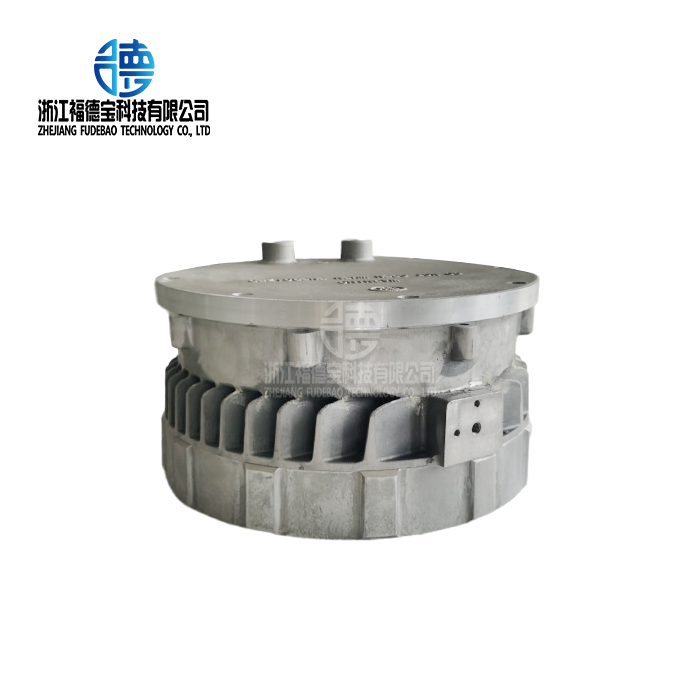
_1756352822273.webp "Stainless steel plugs")
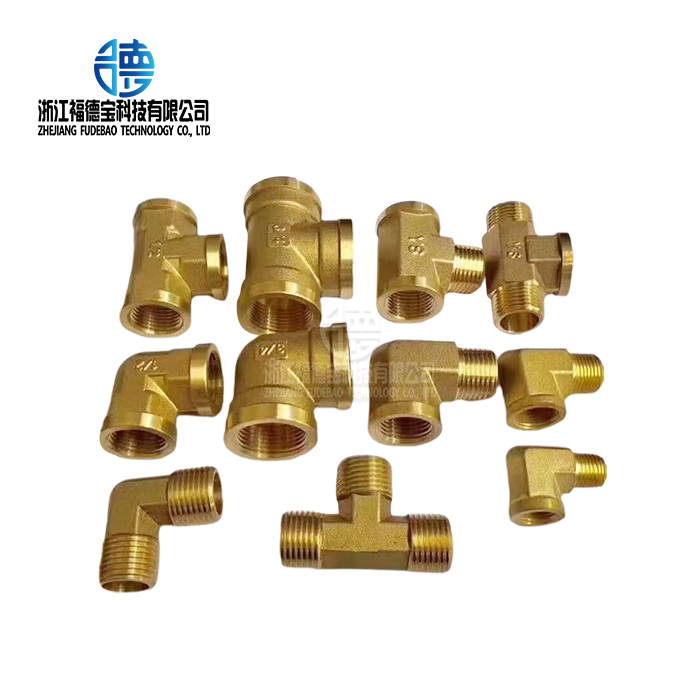
_1756349794241.webp "round belt pulley")
_1756348780785.webp "porting turbo compressor housing")
_1756348711711.webp "anti surge turbo housing")