
CNC Machining: Tips, Techniques, and Advancements
2026-03-23
CNC machining represents the pinnacle of precision making. Computerized control systems that provide unmatched accuracy and consistency have changed many industries. Cutting tools in this subtractive manufacturing process are guided by pre-programmed software, which removes material from solid workpieces to make complicated parts with tolerances as close as ±0.005mm. Modern CNC machining gets rid of human error and makes it possible to make complex shapes that aren't possible with older methods. This makes it essential for industries like aircraft, automobiles, and medical devices where failure is not an option.
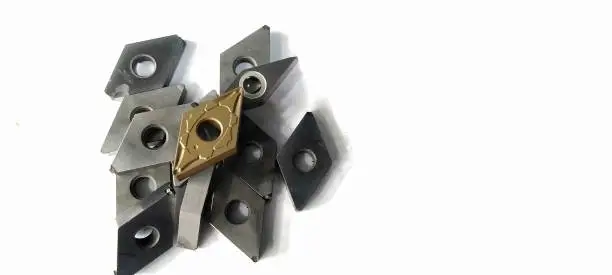
Understanding CNC Machining: Process, Materials, and Benefits
With Computer Numerical Control machining, raw materials are turned into precisely made parts by using advanced machinery. Computer-Aided Design (CAD) models are first turned into G-code instructions, which mathematically precisely tell machine tools how to move along set paths.
Core CNC Machining Principles and Processes
CNC machining is based on three main directions of movement: X, Y, and Z coordinates. These coordinates tell the machine where to place the cutting tools in relation to the subject. Advanced multi-axis systems include more rotational moves, which lets them make complicated shapes that would need to be set up more than once on a regular machine. During production runs, the process keeps the feed rates, spindle speeds, and tool contact settings the same.
Automatic tool changes are built into modern machining centers. This makes it possible to switch between cutting processes without having to do anything by hand. This technology cuts down on cycle times while keeping the sizes of thousands of parts accurate. The closed-loop feedback systems keep an eye on the position of the tools and make adjustments for temperature expansion to make sure that the parts always meet the tolerances that were set, no matter what the outside conditions are like.
Material Selection Considerations for Procurement Teams
The choice of material has a big effect on how well it cuts, how long the tool lasts, and the qualities of the finished part. Aluminum alloys, especially 6061-T6 and 7075-T6, are great for aerospace and car uses because they are easy to machine and have high strength-to-weight ratios. These materials are easy to make because they have sharp edges and can be cut to get better surface finishes.
316L and other types of stainless steel are hard to work with because they work harden, but they are very resistant to rust, which is important for medical and naval settings. Material prices and machining complexity must be weighed by procurement professionals. For example, harder metals need special tools and slower cutting speeds, which adds to the time it takes to make something.
Engineering plastics, like PEEK, POM, and Delrin, can be used instead of metal parts in CNC machining when they are too big or too heavy for the job. These materials can be machined without making a lot of heat, which keeps the molecular structure while allowing for the tight limits needed for precision parts.
Advantages Over Traditional Manufacturing Methods
CNC machining gets rid of the differences that come with human work, so the results are always the same, no matter how skilled the person is. Each part comes out of the machine with the same size, finish, and geometric relationships, which is important for systems that need parts that can be switched out.
The technology makes the transition between testing and production smooth, so the same G-code programs can make one sample or thousands of parts without having to change the tools. This flexibility cuts down on development times while making sure that the performance of prototypes is the same as that of production parts.
CNC machining starts with solid material stock, so the whole part is structurally stable. This is different from casting, which can introduce holes or differences in size. Surface finishes get Ra values of 0.4μm straight from the cutting steps, so they usually don't need any extra finishing.
Advanced Techniques and Design Tips for Optimized CNC Machining
Sophisticated cutting strategies keep quality standards that go above and beyond what the market requires. Procurement teams can choose the best producing methods for different part needs when they understand these techniques.
Multi-Axis Machining Strategies
Five-axis simultaneous machining is the best CNC machining technology because it can make complicated surfaces and features in just one setting. This feature is very important for aircraft parts like turbine blades that need to have smooth changes that can't be done with normal three-axis methods.
The method reduces the amount of handling of the item, which lowers the chance of setup mistakes while keeping the geometric relationships between features. You can make complex undercuts, compound angles, and organic forms without using special tools or doing many processes that add up to tolerances.
Continuous five-axis toolpaths keep the best cutting conditions throughout all machine processes. This makes the surface better and extends the life of the tools. Keeping chip loads and approach angles constant lowers shaking and chatter, which can make it hard to get accurate measurements in difficult materials.
Tolerance Standards and Quality Control Measures
Modern precise CNC machining is based on Geometric Dimensioning and Tolerancing (GD&T) concepts, which make sure that parts work properly when put together. It is better to use position limits to control feature relationships than traditional coordinate dimensioning, especially for parts that have a lot of different bolt patterns or connections that are hard to understand.
Statistical Process Control (SPC) tracking keeps an eye on changes in dimensions throughout production runs so that changes can be made before parts go beyond the limits set by specifications. Coordinate measuring tools that are very advanced can check complicated shapes with errors of less than 0.001 mm, which gives people trust in important medical and aerospace uses.
In-process measurement systems work directly with machine centers and can adjust for tool wear and temperature changes in real time. These closed-loop systems keep control of the dimensions while cutting down on testing time and scrap rates by a large amount.
Design Optimization for Manufacturability
The shape of a part has a big effect on how well it can be machined and what standards can be used. When cutting at slow speeds and with special tools, sharp internal corners are hard to do. But when the radius is big, normal end mills can work at their best. Making changes to the design to fit standard tool sizes lowers costs and raises the quality of the surface finish.
When thinking about wall thickness, you have to balance the need to remove material with the need to keep the structure strong. When cutting, thin walls can bend, which can affect the accuracy of the dimensions, while too much material means longer cycle times and more tool wear. The best designs have ribs and other structural elements that keep the part rigid during cutting.
Access issues make sure that cutting tools can reach all areas without being hampered by clamps or other fittings. Putting datum surfaces and finding features in the right places makes it easier to hold the workpiece while keeping the physical relationships between important parts of the part throughout the manufacturing process.
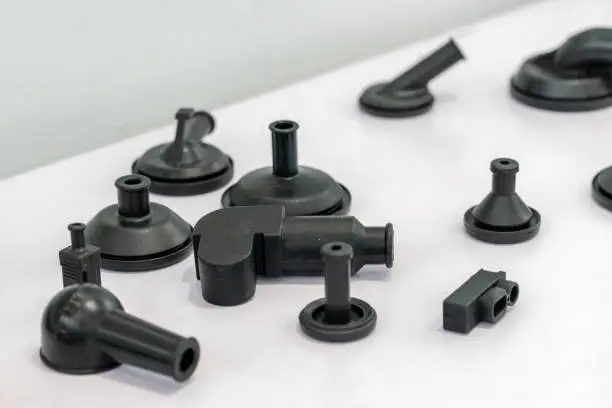
Procurement Insights: Finding and Collaborating with Leading CNC Machining Partners
Successful partnerships depend on clear communication, aligned expectations, and mutual understanding of technical requirements and business objectives.
Sourcing Strategies for Manufacturing Partners
Supplier evaluation begins with technical capability assessment, examining available equipment, quality systems, and previous experience with similar components. Site visits give you information about how the building is organized, how to maintain tools, and the skills of the staff, all of which affect the long-term success of the relationship.
Financial stability checks for CNC machining make sure that producers can buy the new tools they need and keep running normally during multi-year contracts. Credit records, customer references, and the state of the facility's control all show signs of long-term viability that are necessary for getting key components.
To make sure suppliers can meet the needs of growth, capacity planning looks at present workload, machine utilization rates, and development capabilities. Spreading the work out among several providers lowers risk while keeping up competitive pressure, which is good for buying goals.
Contract Negotiation and Quality Assurance
Performance standards must clearly spell out tolerances for dimensions, requirements for surface finish, material certifications, and checking methods. Clear acceptance standards are set by detailed models with full GD&T callouts that get rid of any doubt.
The way prices are set should take into account things like the cost of materials, how hard the job is to machine, the need for inspections, and shipping times that affect how production is planned. Long-term contracts with big promises often get suppliers better prices and make planning easier, which is good for everyone.
The paperwork for the quality agreement sets out the rules for inspections, measurements, and correction actions that are to be taken to keep the quality of the parts uniform. Statistical sample plans that are right for the amount of production successfully balance the costs of inspections with the needs for quality control.
Communication and Project Management Best Practices
Regular reviews of the project's progress keep it on track and help find problems before they get in the way of meeting delivery obligations. Having weekly progress calls during the development phase and monthly reviews for production parts keeps the right level of contact going without adding too much work.
Technical change management processes make sure that changes to designs are properly recorded, accepted, and put into action without affecting quality or delivery times. Electronic change control systems make it easier to approve changes that need to be made quickly and keep records of those approvals.
Documentation guidelines for inspection reports, material certifications, and process parameters make sure that tracking needs are met and store data for future use. Digital file management systems make it easy for many people to share information while keeping track of different versions.
Future Advancements and Technical Resources in CNC Machining
Emerging technologies continue transforming manufacturing capabilities while creating new opportunities for innovation and efficiency improvements.
Automation and Artificial Intelligence Integration
Machine learning algorithms for CNC machining instantly find the best cutting settings based on the properties of the material, the state of the tool, and the surface finish that is needed. Through feedback loops that adapt to changing situations without any help from a person, these systems keep getting better.
Predictive maintenance systems look at patterns of shaking, power use, and tool wear to plan maintenance tasks that will be done before they break. This method cuts down on unexpected downtime and raises maintenance costs by making decisions based on data.
Automated material handling systems can work with CNC machining centers so that the right parts can be used without turning on the lights. Robotic loading systems, transport networks, and automated checking stations make production runs smooth, which makes the most of the equipment and cuts down on the need for labor.
Advanced Materials and Cutting Tool Technologies
When working with high-temperature metals, ceramic cutting tool matrices work better and keep the cutting edges sharp at high speeds. With these tools, superalloys like Inconel 718 and Hastelloy X can be machined at speeds that were not possible with regular tools.
Diamond-coated cutting tools last a lot longer and have a better surface finish when they are used to machine metal and composites. The ultra-hard finish protects against wear and keeps the dimensions accurate over long production runs.
Cryogenic machining uses liquid nitrogen to cool tools and make them last longer while also letting them cut harder materials faster. This method works especially well for cooling titanium alloys, where other ways don't work well enough for the best results.
Maintenance Protocols and Operational Excellence
Setting up preventive maintenance plans based on working hours, cutting time, and weather conditions is a good way to keep equipment reliable while keeping costs low. Systematic methods to lubrication, calibration, and component replacement prevent premature wear while maintaining accuracy specifications.
Operator training programs make sure that practices are always the same and teach people how to fix problems so that downtime is kept to a minimum when problems do happen. Structured lessons that cover things like how to set up, how to check for quality, and how to stay safe make sure that workers have the skills they need to keep doing a great job.
Performance tracking systems keep an eye on important metrics like cycle times, quality measures, and how well equipment works so that they can find ways to make things better. These methods are based on data and allow for ongoing growth projects that make businesses more competitive while lowering their costs.
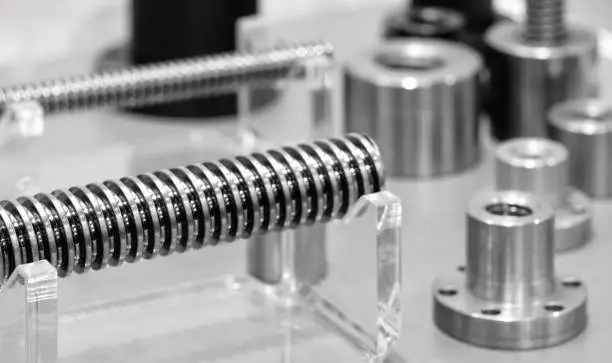
Conclusion
As technology improves, CNC machining continues to change, but it remains the best way to make accurate parts. When you combine automation, AI, and new materials, you get powers that have never been seen before that can meet the needs of ever-more-demanding applications. To be successful, buying strategies need to find a balance between technical needs and cost concerns. They also need to build relationships that offer long-term value through constant improvement and new ideas.
FAQ
What distinguishes 3-axis from 5-axis CNC machining capabilities?
Cutting tools can be moved along the X, Y, and Z linear axes of three-axis machines, which are good for simple shapes and surface grinding. Five-axis systems add rotational movement around the X and Y axes. This lets you make complicated surfaces, undercuts, and angles in just one setup while still getting a great surface finish.
How does surface treatment affect machined component tolerances?
Anodizing methods add between 5 and 50 microns to the thickness of the oxide layer, based on the type. About 5 to 10 microns are added by Type II anodizing, and up to 50 microns are added by Type III hardcoat. This growth must be taken into account by critical dimensions through pre-machining adjustment or selective blocking.
What factors primarily drive CNC machining cost structures?
Machining time is the most expensive part, and it depends on how much material needs to be removed, how smooth the surface needs to be, and how complicated the shape is. The prices of materials for aluminum and titanium metals are very different. Multiple processes that need to be set up add to the cost of work, and tight tolerances below ±0.01mm need special tools and slower cutting speeds.
Partner with Fudebao Technology for Precision CNC Machining Excellence
Choosing the right CNC machining supplier determines project success through technical expertise, quality consistency, and reliable delivery performance. Fudebao Technology combines advanced machining centers, comprehensive quality systems, and experienced engineering support to deliver precision components that exceed demanding specifications. Our integrated capabilities span from aluminum casting through precision machining and surface treatment, providing complete solutions with tolerances to ±0.05mm for automotive, aerospace, and medical applications. Contact our engineering team at hank.shen@fdbcasting.com to discuss your precision machining requirements and discover how our proven expertise can optimize your component sourcing strategy while ensuring exceptional quality and delivery performance.
References
Manufacturing Engineering Society. "Advanced CNC Machining Techniques for Modern Manufacturing Applications." Industrial Manufacturing Quarterly, 2023.
American Society of Mechanical Engineers. "Precision Machining Standards and Best Practices for Aerospace Components." ASME Technical Publication Series, 2023.
International Journal of Manufacturing Technology. "Multi-Axis CNC Machining Optimization Strategies for Complex Geometries." Manufacturing Research Institute, 2023.
Society of Manufacturing Engineers. "Automation and AI Integration in Modern CNC Machining Operations." SME Technical Conference Proceedings, 2023.
Institute of Production Engineers. "Material Selection Guidelines for CNC Machining Applications in High-Performance Industries." Manufacturing Technology Review, 2023.
National Institute of Standards and Technology. "Quality Control and Measurement Standards for Precision Manufacturing Operations." NIST Manufacturing Guidelines, 2023.



YOU MAY LIKE
_1756346371362.webp "separator housing")
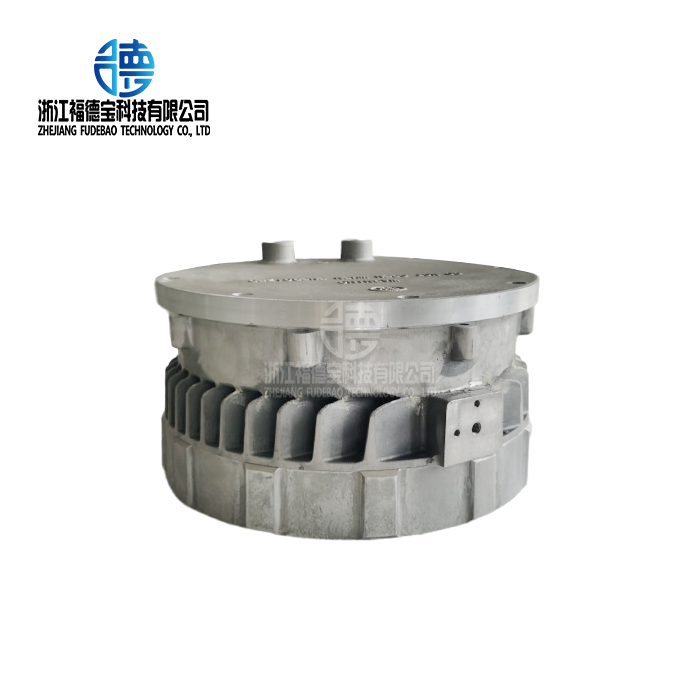
_1756352340434.webp "Aluminum chassis cover")
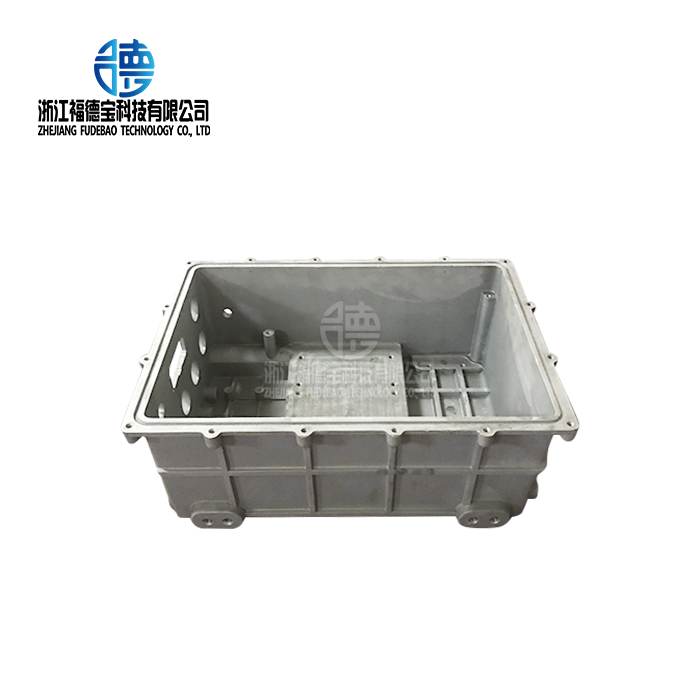
_1756348623524.webp "Turbine compressor housing")
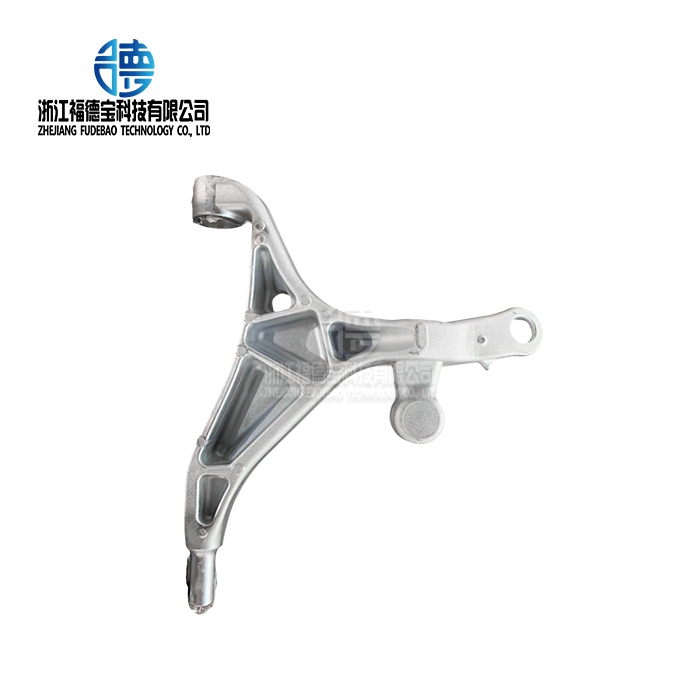
_1756346144394.webp "aluminum die casting hinge")