Unpacking the Versatility of Aluminum Die Casting
2026-03-25
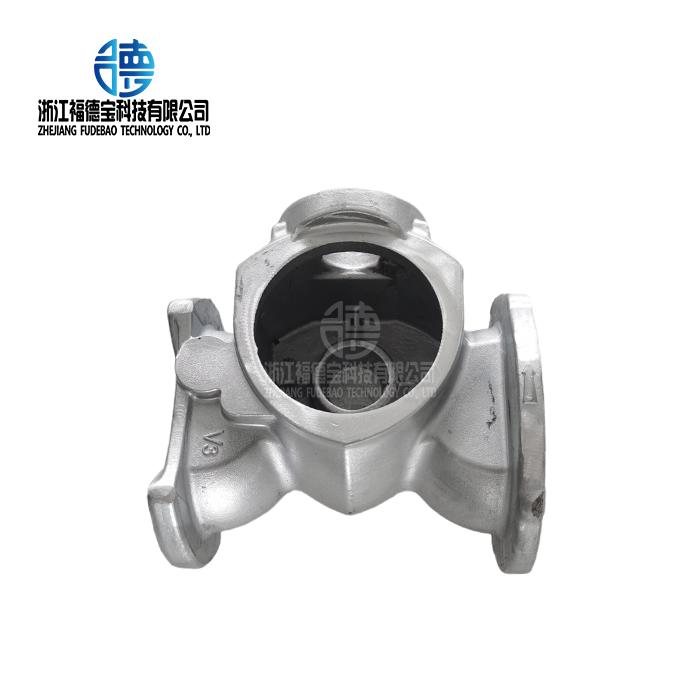
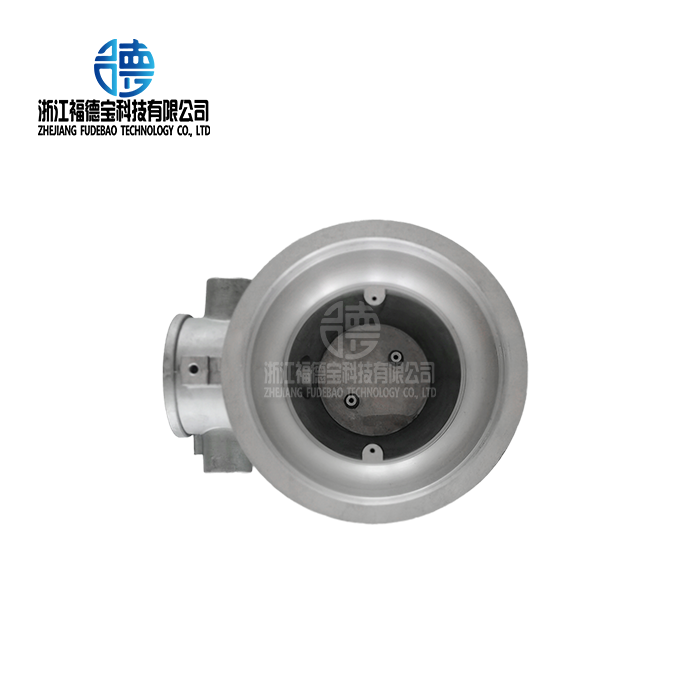
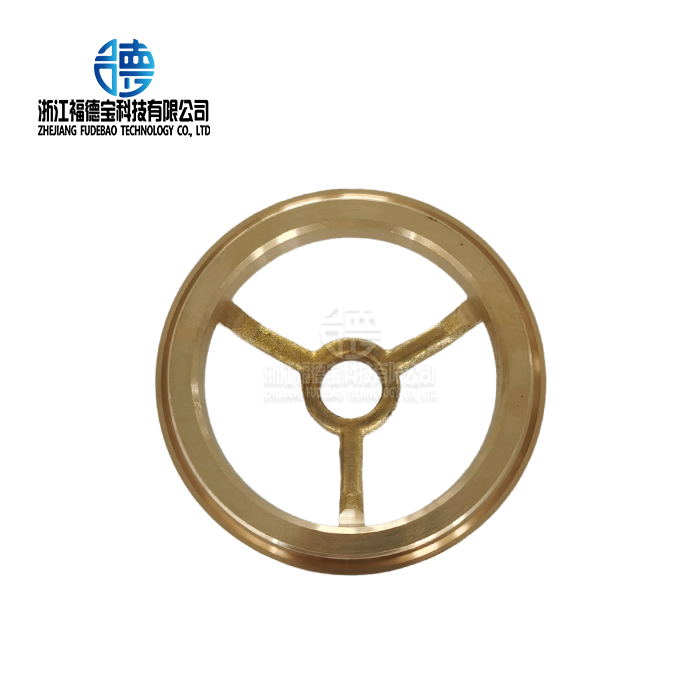
Aluminum die casting represents one of the most versatile and efficient manufacturing processes in modern industry. This high-precision technique involves injecting molten aluminum alloy into hardened steel molds under extreme pressure, typically ranging from 1,500 to over 30,000 psi. The process addresses critical manufacturing challenges including weight reduction, complex geometry production, and scalable mass manufacturing while maintaining exceptional dimensional accuracy and surface quality.
Understanding Aluminum Die Casting: Process, Benefits, and Design Tips
Through a complex manufacturing procedure, the high-pressure die casting method turns molten aluminum alloy into perfectly made parts. Aluminum gets to about 1,300°F during this process before being pushed through steel tools at speeds of more than 100 feet per second.
The Complete Process Flow
Modern die casting operations are organized in a way that starts with preparing the metal and ends with finished parts. The first step is to melt aluminum alloys like A380, ADC12, or A356 in special ovens that have temperature settings that are very accurate. With a specific gravity of about 2.7 g/cm³, these metals have great strength-to-weight ratios that are important for use in aircraft and cars.
During the most important part of the process, the injection phase, liquid metal quickly fills complex hollow shapes. High-pressure injection makes sure that the mold is completely filled and that no air gets trapped, which could weaken the structure. Modern die casting tools keep the pressures the same during the whole solidification process. This stops flaws caused by shrinking and makes sure the dimensions stay the same.
Key Advantages for Industrial Applications
The benefits of aluminum die casting are amazing, and they solve problems in production that affect many businesses. The process makes it possible to build things that are lighter without sacrificing their mechanical qualities. For example, compared to standard steel parts, these lightweight parts can be up to 60% lighter while still having the same level of strength.
Because of its high strength-to-weight ratio, this process is very useful for automakers who want to make cars more fuel-efficient and extend the range of electric vehicles. Components keep their structural integrity even when temperatures change from -40°F to 300°F and vibrational forces are higher than 10G acceleration.
Cost-effectiveness comes from being able to make a lot of things at once. When you put in tools that can be used on thousands of parts, the cost per unit drops by a lot compared to cutting. By adding complex features like mounting bosses, ribs, and complicated cooling tunnels to single-piece castings, the process gets rid of the need for secondary assembly.
Design Optimization Strategies
For design optimization to work well, you need to know how materials move and how to control heat. Wall thickness consistency stops flaws and keeps the structure working well. The best thickness is between 1.5 mm and 6 mm, based on the size of the part and the needs of the application.
Draft angles between 1-3 degrees make it easier to remove parts while reducing tool wear. If you follow the right repair procedures, the die can last for more than 100,000 cycles. Fillet radii get rid of stress clusters that could lead to wear failures. This is especially important for parts that are loaded and unloaded quickly.
Aluminum Die Casting vs Other Manufacturing Methods: Making Informed Decisions
Choosing the right manufacturing method has a big effect on the success of a project because it affects cost, quality, and performance. When deciding between methods, people who have to make decisions have to look at a lot of things, such as production numbers, dimensional needs, and the properties of the materials.
Comparative Analysis with Alternative Processes
Sand casting has lower equipment costs, but the finished product is less accurate and doesn't have a smooth finish. Although sand casting can make big, low-volume parts, it usually only gets tolerances of ±0.5mm, while die casting can get tolerances of ±0.1mm. The surface roughness values for sand casting are 12.5 to 25 micrometers, while the values for die casting are 1.6 to 6.3 micrometers.
Plastic injection molding lets you make a lot of different designs, but it doesn't have the thermal conductivity and structural qualities needed for heat escape. Aluminum parts have thermal conductivity values of 96 to 120 W/m·K, which is important for electrical cases and heat sinks where plastic materials don't work well.
Economic Considerations and Lead Time Factors
When investing in the first tools for aluminum die casting, it's important to carefully compare them to the expected output numbers. Depending on the complexity of the part and the number of competitive production methods, the break-even point is usually somewhere between 5,000 and 10,000 pieces. Tooling costs are spread out over long production runs of 50,000 or more pieces, which saves a lot of money per piece.
The lead time includes the stages of making the tool, testing it, and making the whole thing. Modern die casting suppliers finish the tools within 8 to 12 weeks for standard-complexity parts. After that, samples are made and approved, which takes another 2 to 3 weeks. Production lead times for up to 10,000 pieces are usually three to four weeks.
Procuring Aluminum Die Casting Services: From Selection to Order Fulfillment
For buying to go well, suppliers must be carefully evaluated in terms of their professional skills, quality systems, and location. Long-term project success is affected by strategic sourcing choices that affect the dependability of the supply chain, the reduction of costs, and the consistency of quality.
Supplier Selection Criteria
Assessing a company's manufacturing skills starts with looking at its equipment, such as its machine tonnage capacity, level of automation, and ability to do additional processing. Modern factories use high-pressure die casting machines with clamping forces between 150 and 4,000 tons. These machines can make parts ranging from small electronic housings to big structure parts for cars.
For general production quality, ISO 9001:2015 is needed, TS 16949 is needed for car applications, and AS9100 is needed for aerospace components. These certifications show organized ways of managing customer happiness, process control, and ongoing growth.
Location affects the cost of operations, the speed of contact, and the ability of the supply chain to respond. When you need to make a lot of things, foreign suppliers may be cheaper, but domestic suppliers may offer lower shipping costs and easier customs processes.
Order Fulfillment Process Management
In order to make a request for quote, you need to include precise specs like dimensional models, material needs, surface finish standards, and criteria for quality review. Full RFQ packages lower the chance of misunderstandings and let approved sellers give accurate cost estimates.
Before investing in production tools, the prototyping phase checks that design ideas and the ability to make them are viable. Dimensional checks, material property tests, and functional tests are all done on prototype models to make sure they meet the requirements. This iterative process finds ways to make things better while lowering the risks of production.
Addressing Common Challenges: Defects, Solutions, and Quality Optimization
To make sure the quality of aluminum die casting, flaws must be avoided proactively through process optimization, tool care, and set monitoring procedures. Procurement experts can set the right standards and hold suppliers accountable when they know about common flaws and what causes them.
Common Defect Types and Root Causes
The most common quality problem is porosity, which shows up as trapped air or gas bubbles in the texture of the casting. The main reasons are not enough air flow, using too much grease, or not controlling the metal's temperature properly. Porosity makes mechanical qualities and the ability to test pressure worse. This is especially important for hydraulic parts and pressure tanks.
Surface flaws like cold shuts, flow marks, and die soldering can hurt both the way something looks and how well it works. When metal streams don't properly bond during mold filling, weak spots are made that can break under stress. This is called a cold shut. With the right gate design and injection rate tuning, these flaws can be avoided and the surface quality can be kept constant.
Quality Control Methodologies
Coordinate measuring tools (CMM) with an accuracy of ±0.001mm are used in dimension verification methods. Statistical process control charts keep track of important dimensions across production runs. This lets you spot trends before requirements go beyond acceptable limits. Control charts let you make changes to the process in real time that keep the quality high while lowering the amount of waste.
Testing a material's properties includes checking its tensile strength, measuring its hardness, and analyzing its chemical make-up. The minimum tensile strength for an A380 metal is 46,000 psi, and the Brinell hardness ranges from 80 to 100 HB. During production runs, regular testing makes sure that the metal stays the same and that the heat treatment works.
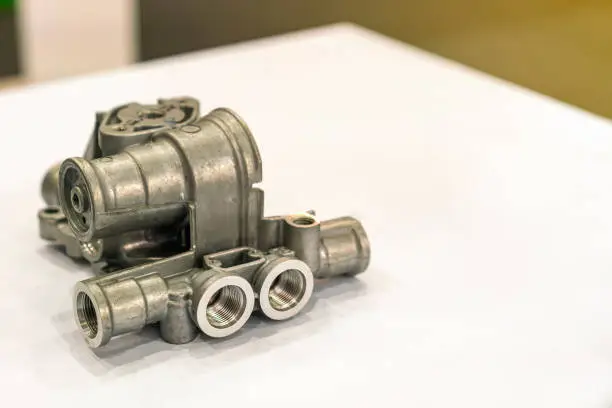
Applications and Future Trends in Aluminum Die Casting
Aluminum die casting makes lightweight, long-lasting parts that meet strict performance standards for many businesses. Real-world uses show how flexible the process is, and new trends are influencing how things will be made in the future and how suppliers will be chosen.
Industry-Specific Applications
Applications in the automotive industry include engine parts, transmission housings, and structural elements where lowering weight has a direct effect on how well the vehicle runs and how much gas it uses. Precision casting methods are the only way to make battery casings for electric vehicles that are very stable in terms of size and temperature. These parts have to be able to handle changes in temperature while still blocking electromagnetic interference.
As part of 5G base station uses, cast aluminum heat sinks and device enclosures are used in telecommunications infrastructure. Outdoor temperatures can range from -40°F to 160°F, and the parts have to work with heat loads of more than 500 watts per cubic inch. Aluminum alloys are perfect for these tough jobs because they naturally don't rust and can transfer heat well.
Emerging Technology Trends
The main goals of developing advanced alloys are to improve their mechanical qualities and how easy they are to make. New mixtures of aluminum, silicon, and copper make the materials stronger while still being great at filling dies. With these materials, thinner wall sections and more complicated shapes are possible that weren't possible with regular alloys before.
Robotic part handling, automated quality checking, and real-time process tracking are just a few of the ways that automation integration changes the efficiency of production. Smart production systems use data from vision systems, temperature monitors, and pressure transducers to find the fastest run times while still meeting quality standards. These technology improvements cut down on the cost of labor and make manufacturing more consistent around the world.
Conclusion
Over the years, businesses that need lightweight, cost-effective ways to make complicated parts have found more and more uses for aluminum die casting. This in-depth study shows that knowing the skills of the process, the factors for choosing a supplier, and the methods for improving quality are all important for successful procurement. Modern die casting technology offers very accurate measurements, smooth surfaces, and strong mechanical qualities that meet the needs of demanding applications. It also saves money by making production more efficient at a high volume.
FAQ
What factors influence aluminum die casting lead times?
Lead times depend on how complicated the tool is, how big the parts are, and how much is being made. Standard parts usually need 8–12 weeks to build the tools, 2–3 weeks for samples, and 3–4 weeks for production runs of up to 10,000 pieces. These times may be longer if the geometry is complicated or if there are a lot of parts.
How does aluminum die casting benefit automotive applications?
Automotive benefits include up to 60% less weight than steel options, great dimensional stability during thermal cycles, and built-in features that remove the need for assembly. These benefits directly lead to better gas mileage and longer ranges for electric vehicles.
What should I consider when requesting custom aluminum die casting quotes?
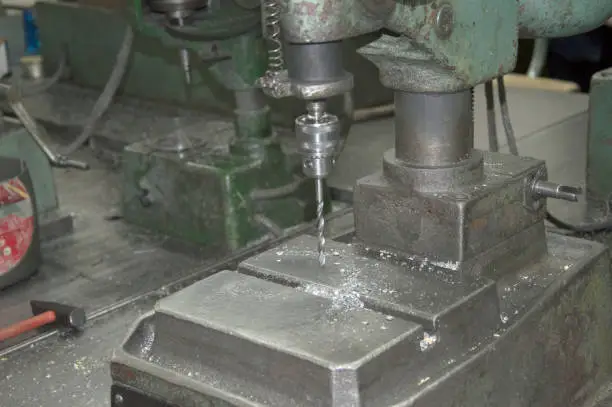
Include accurate 3D plans, information about the materials used, the required surface finish, quality standards, and the amount that is expected to be produced. Include any extra steps that need to be taken, like drilling, surface treatment, or assembly, so that you can get a good idea of how much it will cost and how long it will take to build.
Partner with Fudebao Technology for Superior Aluminum Die Casting Solutions
Fudebao Technology offers top-notch aluminum die casting options for tough industrial uses by combining advanced manufacturing skills with complete quality systems. High-speed machining centers, CNC lathes, and precision die casting tools are all in our state-of-the-art building. These machines help with the whole manufacturing process, from melting to finishing. We work with industries like aircraft, automotive, and industrial tools that need the best quality standards because our accuracy can reach ±0.05mm. Get in touch with hank.shen@fdbcasting.com to talk about your needs for an aluminum die casting source and find out how our knowledge can help you make your component manufacturing plan better.
References
North American Die Casting Association. "Die Casting Engineering Guidelines and Best Practices." NADCA Publication Standards, 2023.
American Society for Metals International. "Aluminum Alloy Casting Properties and Applications Handbook." ASM Materials Engineering Series, 2022.
Society of Automotive Engineers. "Lightweighting Strategies for Vehicle Manufacturing Using Advanced Casting Technologies." SAE Technical Paper Series, 2023.
International Organization for Standardization. "Quality Management Systems for Automotive Industry Applications." ISO/TS 16949:2023 Standards Documentation.
Materials Research Society. "Advanced Manufacturing Processes in Metal Casting Technology." MRS Proceedings and Technical Publications, 2022.
American Foundry Society. "Modern Die Casting Process Control and Quality Assurance Methods." AFS Technical and Operating Committee Reports, 2023.



YOU MAY LIKE
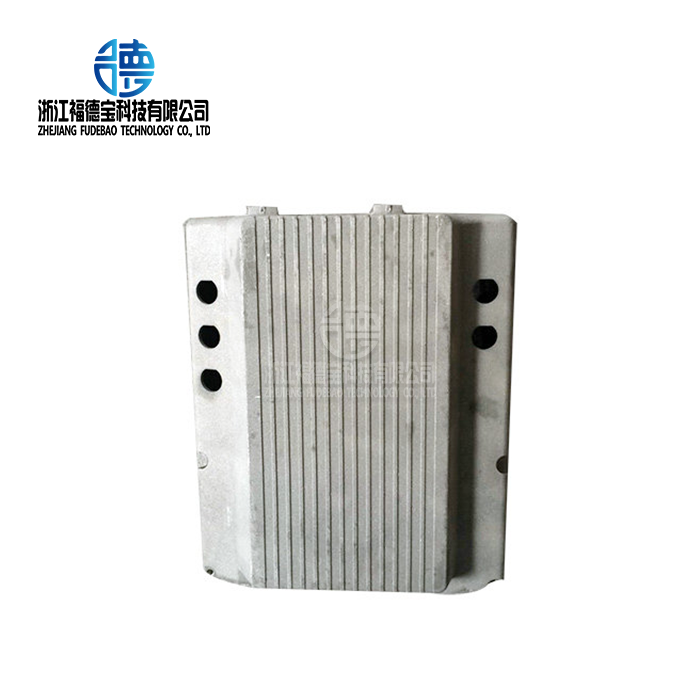
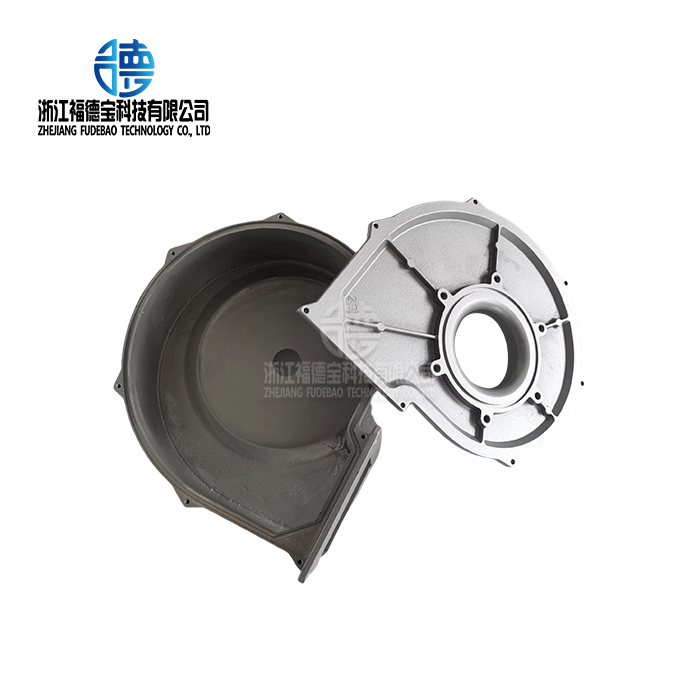
_1756350092126.webp "radiator cover")
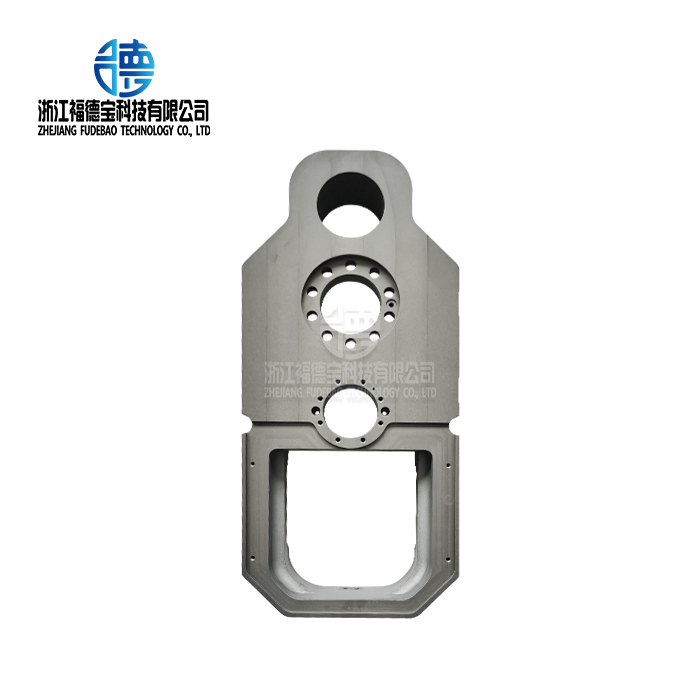
_1756349002499.webp "Aluminum alloy clamp casting")