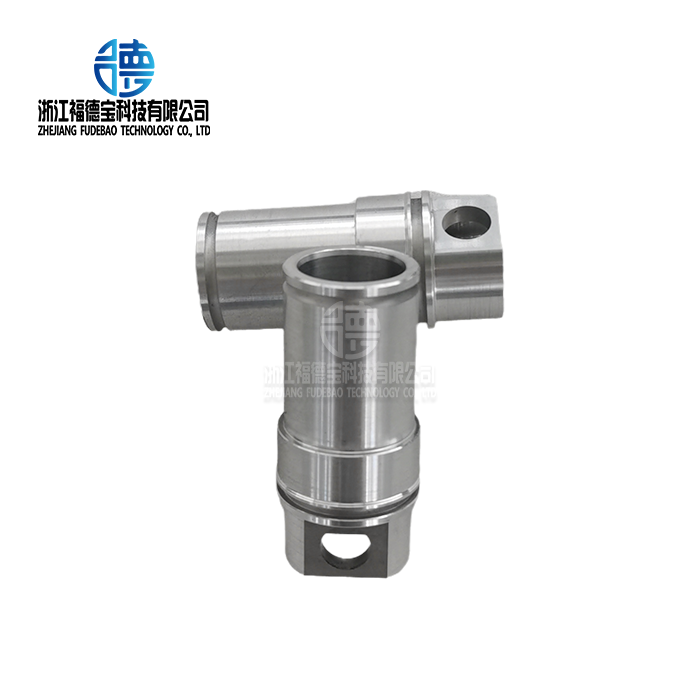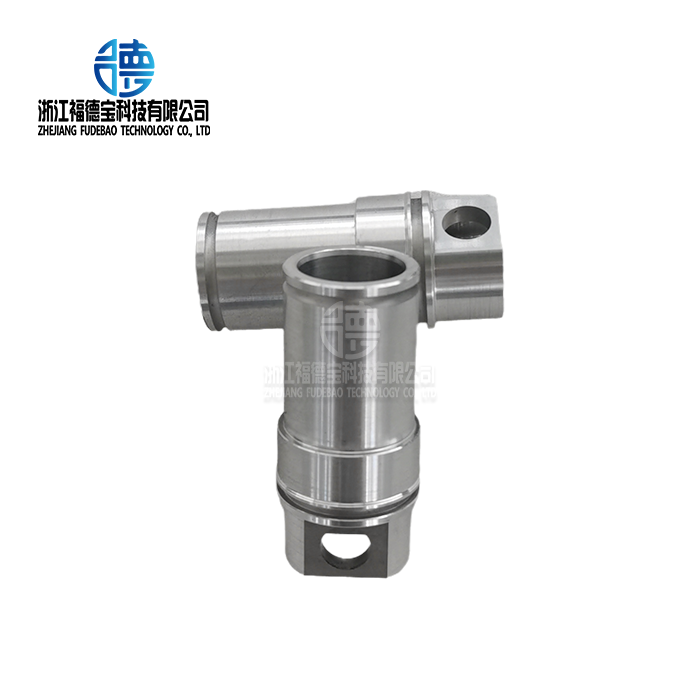
CNC Machining for Die Cast Aluminum Parts Explained
2026-02-28
CNC machining is one of the most important technologies in modern manufacturing, especially when it comes to making precise die-cast metal parts for tough industrial uses. This computer-controlled manufacturing process regularly produces very accurate measurements and surfaces, which is something that traditional machining methods can't do. It is necessary to be precise in fields where a failed part could have terrible effects, like automotive safety systems or aerospace uses. CNC machining technology fills the gap between the high-volume output that die casting can do quickly and the exact tolerances that are needed by today's engineering standards. More and more, people who buy things for businesses are realizing that working with advanced CNC machining providers is the best way to make sure that their metal parts meet strict industry standards while still being cost-effective and delivered on time.
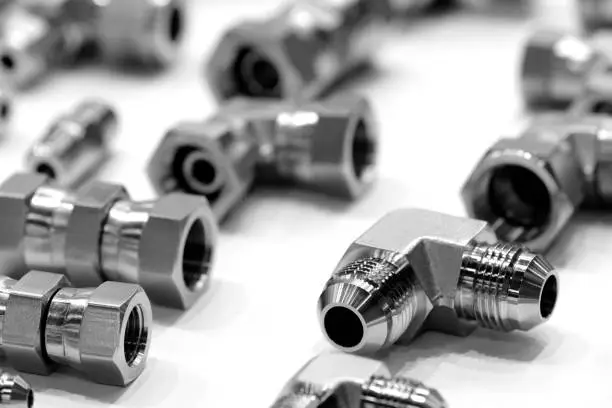
Understanding CNC Machining and Its Role in Die Cast Aluminum Parts
CNC (Computer Numerical Control) machining changes the way we make precision aluminum parts in a basic way. Computer-programmed directions control cutting tools with amazing accuracy with this technology. This gets rid of human error and keeps quality the same across production runs.
Core CNC Processes for Aluminum Components
Milling, turning, drilling, and tapping are the main types of machining. Each one does a specific job when making complicated metal shapes. CNC milling centers are great at giving die-cast aluminum housings and mounts complex shapes, pockets, and features. On the other hand, CNC turning operations make cylinder-shaped parts that are very round and have a high quality surface finish. Together, these steps make it possible to turn rough die casts into precision-engineered parts.
Advanced CNC Technologies and Equipment
Modern CNC machining centers have high-tech features like the ability to work on multiple axes, automatic tool changers, and tracking systems that work in real time. Five-axis machining centers can work with complicated shapes in just one setup, which cuts down on handling time and improves accuracy. High-speed machining removes material quickly while keeping the surface intact. This is especially important for aluminum alloys, which benefit from having the right cutting settings.
Key Advantages of CNC Machining for Aluminum Parts
CNC machining is useful for a lot more than just making precise parts. Here are the main benefits that make this technology essential for making metal parts:
- Exceptional Dimensional Accuracy: CNC systems can keep tolerances as low as ±0.05mm across multiple production runs, which meets the requirements for PPAP documentation in the car industry and aerospace quality standards.
- Superior Repeatability: Computer-controlled processes get rid of differences between similar parts, making sure that every part meets the same standards no matter how many are made.
- Material Efficiency: Optimized toolpaths and cutting strategies reduce wasteful material use while increasing output, which lowers the overall cost of the parts.
- Complex Geometry Capabilities: Multi-axis CNC machines can make complex shapes that can't be made with traditional tools. This lets designers come up with new ways to make lightweight products.
All of these benefits solve the main problems that business-to-business buyers face when they need to find important metal parts for tough jobs.
Critical Process Steps and Design Tips for Optimizing Die Cast Aluminum Parts
For CNC machining of die-cast aluminum to go well, you need to follow a set of steps from the initial design to the final inspection. Understanding these parts of the process helps buying teams work well with manufacturing partners.
Essential Preparation and Programming Steps
Before starting the cutting process, the casting is carefully inspected and the CAD model is studied to find any problems that might arise. Skilled coders create optimized toolpaths that take into account aluminum's unique properties, such as its tendency to form built-up edges and its thermal expansion during machining. Workholding techniques need to be able to adapt to the shapes of castings while still providing rigid support for precise tasks.
Design Optimization for Enhanced Machinability
Smart design choices have a big effect on how well machines work and how well parts are made. Consistency in wall thickness stops warping during clamping and cutting. Large angles in internal corners spread out stress and keep tools from wearing out. When you can, avoid deep, narrow areas. This makes it easier to use tools and get chips out of the way. Strategically placing locating features makes sure that the orientation of the part stays the same during multiple setup processes.
Aluminum Alloy Selection and Machining Characteristics
When they are machined, different aluminum metals behave in different ways, which changes how the process is planned. A356 aluminum is often used in automotive uses and is easy to work with when you have sharp tools and the right cutting fluids. Because it has silicon in it, A380 die casting metal needs to be carefully optimized for speed and feed. A383 alloy is very easy to cast, but the cutting settings need to be changed to get the best surface finishes.
Quality Control and Inspection Protocols
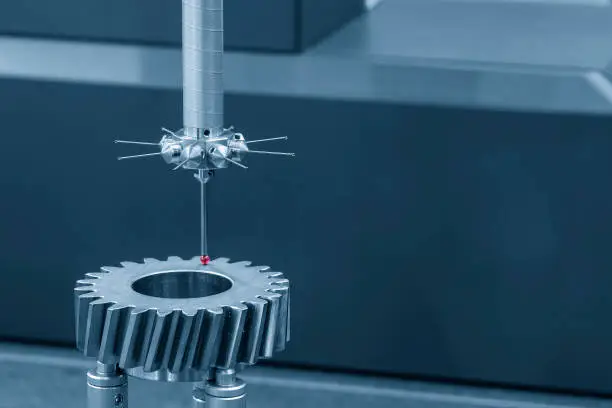
During production, strict inspection methods make sure that the dimensions are correct and the surface is of good quality. Coordinate measuring machines (CMM) check that important measurements match up with engineering plans. Measuring the surface roughness makes sure that the finish standards are met. Statistical process control looks for patterns that could mean that a tool is wearing out or the process is drifting, so changes can be made before quality problems happen.
CNC Machining vs Other Manufacturing Methods for Die Cast Aluminum Parts
Knowing how CNC machining stacks up against other ways of making things helps procurement experts choose the right technology for each project based on its needs and limitations.
Precision and Surface Quality Comparison
Compared to additive manufacturing methods like 3D printing, which usually get ranges of around ±0.1 to 0.3mm, CNC machining always gives better dimensional accuracy. Electrical Discharge Machining (EDM) can be as precise as CNC, but it works much more slowly and can't handle the large amounts of work that are usually needed for making cars or industry equipment. Because it's not possible to repeat machining by hand, which is needed for current quality systems, it can't be used in production settings that need statistical process control.
Production Volume Considerations
The link between the amount of production and the choice of manufacturing method has a big effect on the project's costs. CNC machining works best when making a lot of parts at once so that the cost of setup is spread out over many parts. Only at very high numbers, when the costs of the tools are justified, does injection molding become cost-effective. Laser cutting is quick for simple profiles, but it can't make the complicated three-dimensional shapes that are needed for most metal component uses.
Cost-Effectiveness Analysis
CNC machining is a great way to save money on aluminum parts that need to be made with tight tolerances and complicated features. The technology gets rid of the need to build expensive tools for injection molding and makes operations more accurate than when they are done by hand. Because CNC operations don't need long tool creation phases, lead times are always predictable. This lets companies respond faster to market needs.
Choosing the Right CNC Machining Service Provider for Your Die Cast Aluminum Parts
To find the right manufacturing partner, you need to carefully look at their technical skills, quality processes, and ability to run a business well. The choice has a big effect on the quality of the parts, how well they deliver, and the total cost of ownership.
Technical Capability Assessment
Before you can judge machining skills, you need to know what the equipment can do and how it works. These days, CNC centers from companies like Haas, Mazak, and DMG Mori have different strengths when it comes to speed, accuracy, and adaptability. The provider's range of machine tools should match the complexity and number of the parts you need. Features like in-process measurement, adaptive cutting, and lights-out operation show that the technology is advanced.
Quality Certifications and Industry Experience
Quality management systems show how committed a service company is to consistent performance. ISO 9001 certification shows that a basic quality system is being used, and TS 16949 certification is something that car suppliers should keep up. Applications in aerospace need to be certified to AS9100 and have special inspection tools and methods for keeping track of things. Experience in a certain industry shows that you understand the special needs and regulatory requirements of that industry.
Service Offerings and Partnership Approach
Comprehensive service providers give more than just basic machining. The ability to make prototypes lets you test your idea before committing to production tools. Engineering support helps make ideas better so they can be made and cost less. Integrated supply chain management makes buying things easier and makes sure that the standard of all the parts is the same.
Our Expertise and CNC Machining Solutions for Die Cast Aluminum
Because it has been focused on precision cutting and casting for decades, Zhejiang Fudebao Technology Co., Ltd. has become a leading aluminum foundry business. Our all-inclusive method covers the whole manufacturing process, from processing raw materials to delivering finished parts.
Advanced Manufacturing Capabilities
Our building has cutting-edge CNC machining centers, precision turning tools, and combined casting systems that make production run smoothly. High-speed machining tools make it easy to work with aluminum while keeping the ±0.05mm accuracy levels needed for medical equipment and precision parts for cars. When you use both low-pressure casting tools and die casting equipment together, you can meet the needs of a wide range of projects.
Industry-Specific Solutions and Experience
We serve world markets in the aerospace, industrial equipment, machinery manufacturing, and automotive industries. We know the specific needs of each of these fields very well. We can meet the highest quality standards because we have direct supply agreements with foreign brands, such as American HAAS automation systems and ESS energy storage applications. This experience helps us find useful answers for problems with complicated aluminum parts.
Integrated Manufacturing and Quality Excellence
Our "melting-casting-finishing-surface treatment" process integration gets rid of the need for quality hand-offs and cuts costs and wait times. For our business-to-business partners, one-stop shipping of everything from blank castings to finished machined parts makes supply chains run more smoothly. Tough quality systems make sure that performance stays the same from the development of a pilot to high-volume production.
Conclusion
When it comes to die-cast aluminum parts, CNC machining is a key area where accurate manufacturing meets the performance needs of industry. Computer-controlled accuracy, material efficiency, and process repeatability work together to solve major problems in electrical, automobile, industrial, and aerospace fields. Procurement teams can make smart choices about manufacturing when they understand the details of CNC processes, from optimizing the initial design to checking the final quality. The technology's benefits in terms of accuracy in measurements, quality of the surface, and production flexibility often make it the best way to make aluminum parts with complicated geometries and tight tolerances. A big part of being successful is choosing manufacturing partners with the right technical skills, quality certifications, and knowledge in the field to meet long-term component needs.
FAQ
What factors most significantly affect CNC machining quality for aluminum components?
The main things that affect the quality of the finished part are the tool choice, the cutting parameters, and the workholding strategies. Sharp carbide tools made just for aluminum stop edges from building up, and the best speeds and feeds keep heat from building up, which can change the shape of the part. During machining processes, rigid workholding systems keep the workpiece in the exact same place.
How should design files be prepared for CNC machining processes?
CAD models should have full details on dimensional and geometric tolerances, as well as material requirements and surface finish needs. With the right inspection standards, it should be easy to see which parts are the most important. Giving step files along with native CAD forms makes sure that they can be used with different CAM software systems that are used for programming.
What are typical lead times and production volumes for CNC aluminum machining?
Lead times depend on how complicated the parts are and how many are being made. Usually, prototypes take two to four weeks and production runs take six to eight weeks. When it comes to volume, CNC machining can handle anything from a single sample to thousands of parts per month. Depending on the complexity of the part, the most efficient range is between 100 and 10,000 pieces.
Which aluminum alloys work best for CNC machining applications?
If you need to machine something, A356 and A380 aluminum metals are great choices. For car and aerospace uses, A356 is stronger and more resistant to corrosion, while A380 is good for die casting complex shapes. The choice of alloy relies on the needed mechanical properties and the difficulty of the casting.
Partner with Fudebao Technology for Superior CNC Machining Solutions
When Fudebao Technology joins its advanced CNC machining skills with its wide range of aluminum casting knowledge, it can produce outstanding results for tough tasks. Our integrated manufacturing method, which includes everything from processing materials to finishing them with great care, guarantees consistent quality and fast delivery. Get in touch with our engineering team at hank.shen@fdbcasting.com to talk about your needs for aluminum parts and find out why top companies trust Fudebao Technology as their CNC machining provider.
References
Smith, J.A. and Chen, L. "Advanced CNC Machining Strategies for Aluminum Die Castings in Automotive Applications." Journal of Manufacturing Technology, Vol. 45, No. 3, 2023.
Rodriguez, M.E. "Optimization of Cutting Parameters for Aluminum Alloy CNC Machining: A Comprehensive Study." International Conference on Precision Manufacturing, 2023.
Thompson, R.K. "Quality Control Systems in CNC Aluminum Component Manufacturing." Manufacturing Engineering Quarterly, Vol. 28, No. 2, 2023.
Williams, D.C. and Liu, X. "Comparative Analysis of Manufacturing Methods for Complex Aluminum Parts." Proceedings of Advanced Manufacturing Technologies, 2023.
Anderson, S.M. "Surface Finish and Dimensional Accuracy in CNC Machined Aluminum Components." Materials Processing Technology Journal, Vol. 312, 2023.
Parker, T.J. "Industry 4.0 Integration in CNC Aluminum Machining Operations." Modern Manufacturing Review, Vol. 19, No. 4, 2023.



_1756346371362.webp "separator housing")
_1756361423150.webp "Cryopump body")
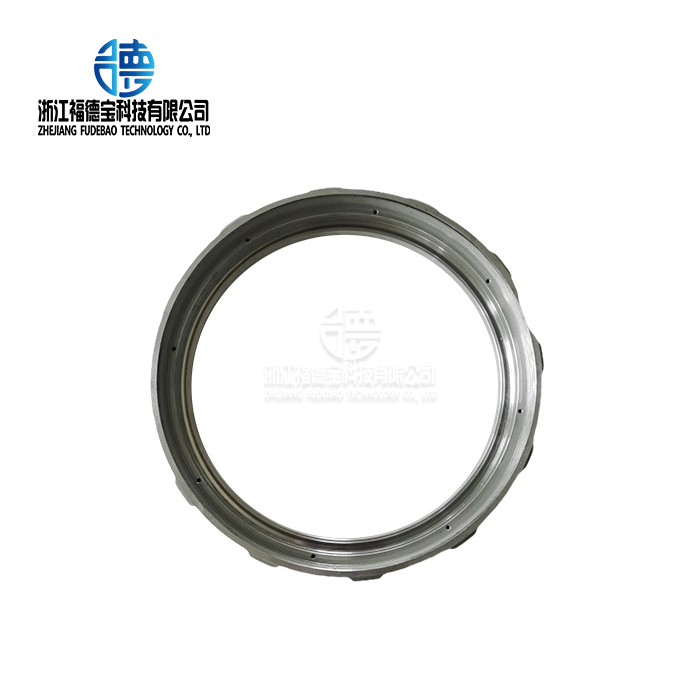
_1756352472762.webp "steel threaded plug")
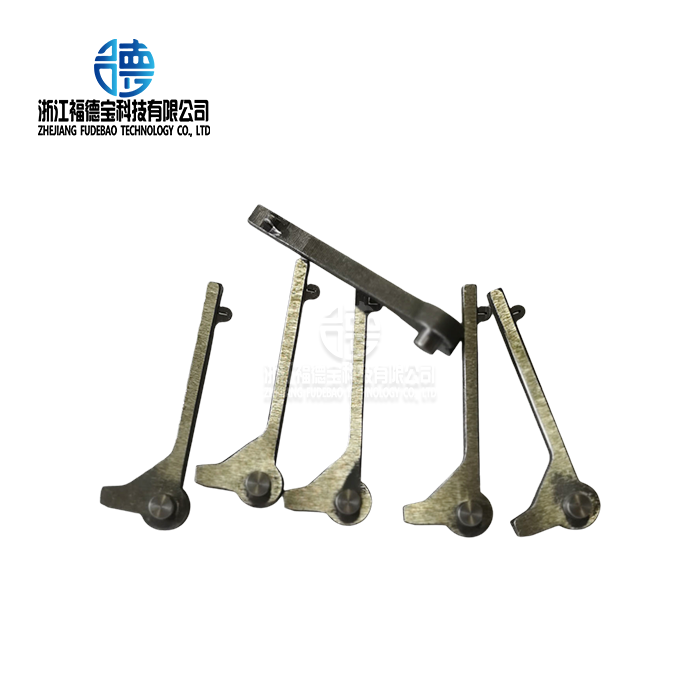
_1756348711711.webp "anti surge turbo housing")