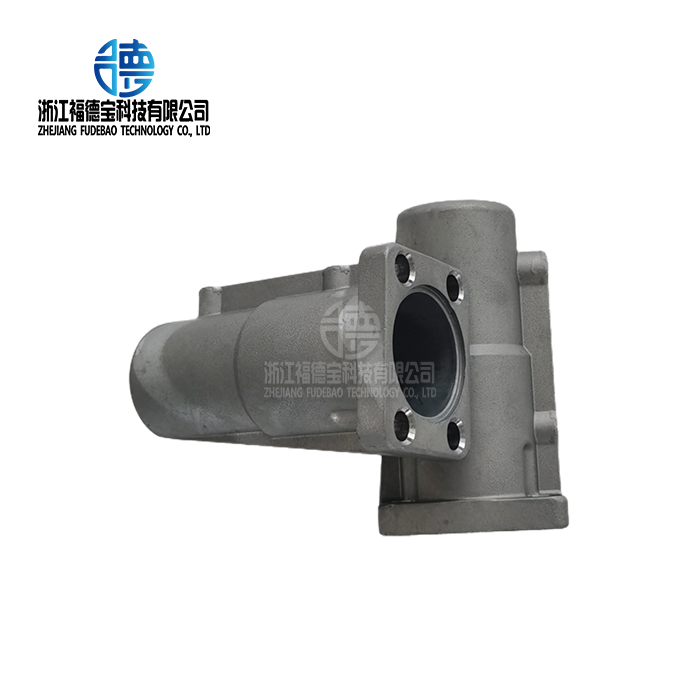
Best Copper Cast Parts for Electrical Applications
2026-02-28
When you choose copper castings for electrical uses, you're buying parts that are very good at conducting electricity, keeping heat in check, and withstanding pressure. These carefully made parts are the foundation of modern electrical systems, from tools used to distribute power to the infrastructure for renewable energy. Components made of high-quality copper work reliably and meet strict industry standards. This makes them necessary for electrical systems in cars, factories, and spacecraft where failure is not an option.
Understanding Copper Cast Parts for Electrical Applications
What Are Copper Cast Parts and Their Role in Electrical Systems
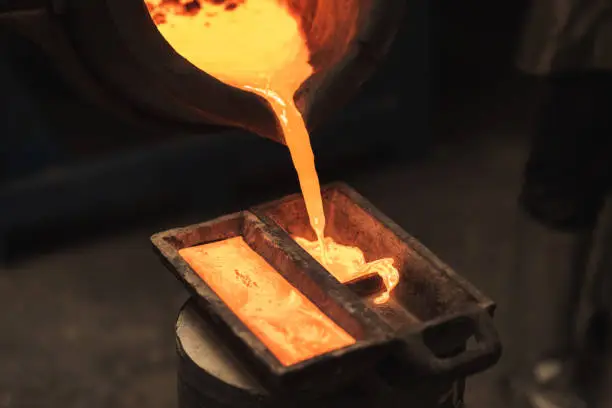
Copper cast parts are precisely made parts that are made by melting and molding raw copper alloys in controlled ways to make them into the right shapes for electrical uses. Some of the most important jobs that these parts do in electrical systems are to carry current, get rid of heat, and support fragile computer parts.
To make something, copper alloys are heated to about 1,980°F (1,083°C) and then the molten metal is poured into molds that have been carefully designed to make complicated shapes that can't be made with standard machining alone. With this method, manufacturers can make complicated cooling passages inside a single component, as well as mounting features that are built in and optimized current paths.
Common Copper Alloys Used in Electrical Casting
Different types of copper alloys are used in modern electrical applications. Each one is designed to work better than the others. Pure copper (C11000) is the most electrically conductive metal at 101% IACS (International Annealed Copper Standard), but it is not very strong for building purposes.
Copper-silver alloys (C11300–C11600) keep their good conductivity while adding strength and thermal stability, which are important for electrical settings that are hot. These alloys work really well in power production equipment where parts are heated and cooled many times and are under a lot of mechanical stress.
Bronze alloys, especially phosphor bronze (C90700–C92700), have good electrical qualities and are also very resistant to wear and corrosion. These materials work really well in places where copper materials would normally fail, like electrical contact uses, switchgear parts, and marine electrical systems.
Casting Technologies for Electrical Components
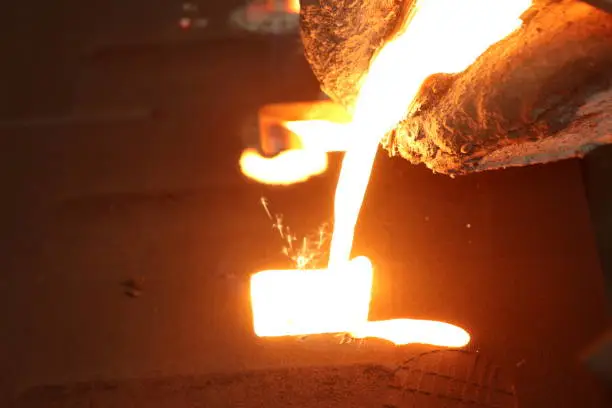
Sand casting is still the most flexible way to make copper electrical parts, especially for bigger housings and structural parts. This method works well for custom electrical enclosures and transformer parts because it can handle complicated internal geometries and gives great dimensional freedom.
Investment casting gives the surface a better finish and the dimensions are more accurate, which are important for making precise electrical contacts and connecting parts. Tolerances are kept to within ±0.005 inches, and the process keeps the great surface conductivity properties that are needed for electrical performance.
Low-pressure casting methods let companies make electrical housings and heat sinks with thin walls that have regular wall thickness and few holes. This method works especially well for thermal control parts where even heat transfer is important for system reliability.
Advantages of Using Copper Cast Parts in Electrical Applications
Superior Electrical and Thermal Performance
Copper castings parts are the best at conducting electricity; they are about 60% more effective than aluminum at doing this than aluminum. This means that current flows more efficiently and energy is lost less. This better conductivity directly leads to higher system efficiency and lower running temperatures in situations with a lot of current.
Copper has a thermal conductivity of 401 W/mK, which makes it perfect for parts of electrical systems that get rid of heat. Copper can move heat away from sensitive parts in power electronics, motor housings, and generator components. This makes the equipment last longer and work more reliably.
New research from the Copper Development Association shows that copper electrical parts can make systems 2 to 5 percent more efficient than aluminum ones. This saves a lot of energy over the span of the part.
Enhanced Mechanical Strength and Durability
Copper alloy castings have great mechanical properties that let them handle the stresses that are typical in electrical applications. Depending on the alloy, the material's tensile strength runs from 30,000 to 60,000 PSI, which means it can hold up structural loads while still working electrically.
When parts are constantly under mechanical stress, like in automotive and industrial electrical uses, vibration resistance is very important. Copper is naturally tough, so it doesn't crack from use, which could damage electrical lines or cause dangerous fault conditions.
The material is very resistant to rust, so it will last for a long time even in harsh conditions. Copper naturally forms a protective patina that stops further oxidation while keeping its ability to carry electricity. This is different from steel parts that need to be coated to keep them safe.
Cost-Effectiveness Through Lifecycle Value
Copper is more expensive than aluminum at first, but in demanding electrical uses, copper has a much lower total cost of ownership. Lifecycle savings are big because repair costs go down, service lives get longer, and energy efficiency goes up.
Copper is great for casting, which makes the process more efficient because it lowers the number of mistakes and cuts down on the need for extra work. The material flows easily into complicated mold shapes and hardens evenly, which cuts down on waste and raises output rates.
Over the life of a component, energy cost savings add up to a lot, especially in high-current situations where copper's better conductivity leads to real efficiency gains. When industrial sites switch to copper electrical parts, they save thousands of dollars a year on energy costs.
How to Choose the Best Copper Cast Parts for Your Electrical Projects?
Evaluating Alloy Composition and Performance Requirements
To choose the right copper alloys, you need to carefully look at your electrical performance needs, the surroundings, and the mechanical loads. Applications that need the best conductivity should use high-purity copper alloys. On the other hand, structural parts might need bronze alloys that are stronger.
Think about the temperature range your parts will be used in, as this affects the metal you choose and how much they will expand when heated. Copper-silver or special bronze metals that keep their properties under thermal stress are usually needed for uses above 200°C.
Environmental exposure factors, such as humidity, chemical exposure, and UV rays, affect the choice of material. Marine uses need copper castings that are more resistant to rust, but electrical parts inside homes can use regular copper alloys without any extra protection.
Manufacturing Quality and Certification Standards
Quality certifications are very important for making sure that copper cast parts meet the strict standards of the electrical business. Check that the suppliers you're considering have ISO 9001 quality management systems and certifications specific to your business, like AS9100 for aerospace applications or IATF 16949 for automotive parts.
The ability to manufacture has a direct effect on the quality of the parts and the dependability of delivery. Check the casting tools, quality control methods, and secondary machining skills of potential suppliers to make sure they can regularly meet your precise needs.
Traceability paperwork is very important in regulated industries where the origin of parts must be checked all along the supply chain. Make sure that your supplier gives you full material certificates and process paperwork to back up your compliance needs.
Customization and Lead Time Considerations
For custom copper casting projects to go smoothly, the design needs, the production capabilities, and the project deadlines all need to be carefully coordinated. Lead times for custom copper castings are usually between 4 and 8 weeks, but they can be longer or shorter based on the complexity and quantity needed.
Working together with experienced casting suppliers can often lead to design optimization possibilities. These suppliers can suggest changes that make the product easier to make while still meeting performance requirements. Costs often go down and delivery times get better because of these agreements.
With prototype development services, design ideas can be tested before they are turned into production tools. Many providers can make rapid prototypes using 3D printing or soft tools to cut down on project risk and speed up the development process.
Finding Trusted Copper Castings Manufacturers and Suppliers
Key Attributes of Reliable Casting Partners
To build a good relationship with copper casting providers, you need to carefully check out their technical skills, quality control systems, and customer service methods. Leading manufacturers show their skill by providing full engineering support, from helping with the initial design to making sure production runs smoothly and providing ongoing technical support.
Casting technology and secondary processes like precision machining, surface treatments, and quality inspection are all part of the production capabilities. The best partners offer integrated manufacturing services that bring finished parts that are ready to be installed. This gets rid of the problems that come with coordinating with different suppliers.
Quality assurance methods should include checking incoming materials, keeping an eye on things as they're being made, and following final inspection protocols that make sure the quality of each part is always the same. Instead of just finding defects after they happen, modern suppliers use statistical process control and real-time quality tracking to stop them before they happen.
Zhejiang Fudebao Technology's Expertise in Copper Casting
Zhejiang Fudebao Technology has become a top company that makes precise copper castings for electrical uses. They have users all over the world in the automotive, industrial equipment, and aerospace industries. Our full range of manufacturing skills covers the whole process, from melting to finishing, so we can guarantee steady quality and delivery performance.
Our building has high-tech casting tools, like low-pressure casting machines and precise CNC machining centers that can hold dimensions within ±0.05mm. Because of this level of accuracy, it is possible to make complicated electrical parts that meet the exact needs of current electrical systems.
The company's quality management system keeps its ISO certifications up to date and uses strict process controls to make sure that every part has the right electrical and mechanical features. Our technical team offers full engineering support to make designs easier to make while still meeting performance standards.
Ordering Process and Customer Support Services
Copper casting projects that go well start with a thorough technical consultation to find out what the application needs, how it should work, and when it needs to be delivered. Our engineering team works closely with customers to make sure that all electrical and mechanical needs are met while also optimizing designs for casting manufactureability.
To give a full price quote for a project, custom quote development looks at the material requirements, quantity needs, secondary processes, and delivery schedules. We keep communication open and honest during the whole quoting process to make sure that all needs are known and met.
Production planning and success reporting keep customers up to date throughout the manufacturing cycle. This lets everyone plan together how to install parts and put the system together. Our customer service team keeps you up to date on any changes to the plan or specifications and lets you know about them ahead of time.
Conclusion
To choose the best copper cast parts for electrical uses, you need to think carefully about the properties of the material, the quality of the making, and the supplier's abilities. Copper is the best metal for high-performance electrical components that need to work reliably and efficiently. It is good at conducting electricity, keeping heat in check, and being strong. For success, you need to work with manufacturers who have a lot of knowledge and who know both copper metallurgy and the needs of electrical applications. Assuring consistent component performance over an extended service life is important, and quality providers offer full engineering support, advanced manufacturing capabilities, and strict quality assurance.
FAQ
What makes copper castings superior to aluminum for electrical applications?
Copper castings offer 60% higher electrical conductivity than aluminum, resulting in improved energy efficiency and reduced operating temperatures. Copper also provides superior thermal conductivity for heat dissipation and enhanced mechanical strength for structural applications. While initial costs are higher, lifecycle benefits through improved efficiency and extended service life typically justify the investment.
How long do custom copper casting orders typically take?
Standard lead times for custom copper castings range from 4-8 weeks depending on component complexity, quantity, and secondary operations required. Prototype orders can often be expedited to 2-3 weeks using rapid tooling techniques. Complex components requiring extensive machining or special certifications may require additional time for proper quality validation.
What certifications should I look for in copper casting suppliers?
Essential certifications include ISO 9001 for quality management, with industry-specific standards such as AS9100 for aerospace or IATF 16949 for automotive applications. Material certifications should verify alloy composition and mechanical properties. Look for suppliers providing comprehensive traceability documentation and material test reports supporting compliance with electrical industry standards.
Can copper cast parts be customized for specific electrical requirements?
Yes, copper casting offers excellent customization capabilities for electrical applications. Alloy composition can be tailored for specific conductivity or strength requirements. Component geometry can incorporate complex cooling passages, integrated mounting features, and optimized current paths. Experienced manufacturers provide engineering support to optimize designs for both electrical performance and manufacturing efficiency.
Partner with Fudebao Technology for Premium Copper Castings
Zhejiang Fudebao Technology delivers exceptional copper castings manufacturer solutions tailored specifically for electrical applications requiring precision, reliability, and performance. Our advanced manufacturing capabilities, including high-speed machining centers and low-pressure casting equipment, ensure dimensional accuracy within ±0.05mm while maintaining the electrical properties essential for your applications. Contact our engineering team at hank.shen@fdbcasting.com to discuss your copper casting requirements and discover how our expertise can enhance your electrical system performance through superior component quality and comprehensive manufacturing support.
References
Davis, J.R., "Copper and Copper Alloys: Properties and Applications in Electrical Systems," ASM International Materials Handbook, 2023.
Thompson, M.K., "Advanced Casting Technologies for Electrical Component Manufacturing," Journal of Manufacturing Science and Engineering, 2023.
Chen, L., "Thermal Management in Power Electronics: Copper vs. Aluminum Performance Analysis," IEEE Transactions on Components and Packaging Technologies, 2022.
Rodriguez, A., "Quality Standards and Certification Requirements for Electrical Casting Components," International Standards Organization Technical Report, 2023.
Williams, P.J., "Lifecycle Cost Analysis of Copper Electrical Components in Industrial Applications," Industrial Engineering Management Review, 2022.
Kumar, S., "Metallurgical Considerations for High-Performance Copper Alloy Castings," Materials Science and Engineering Journal, 2023.



YOU MAY LIKE
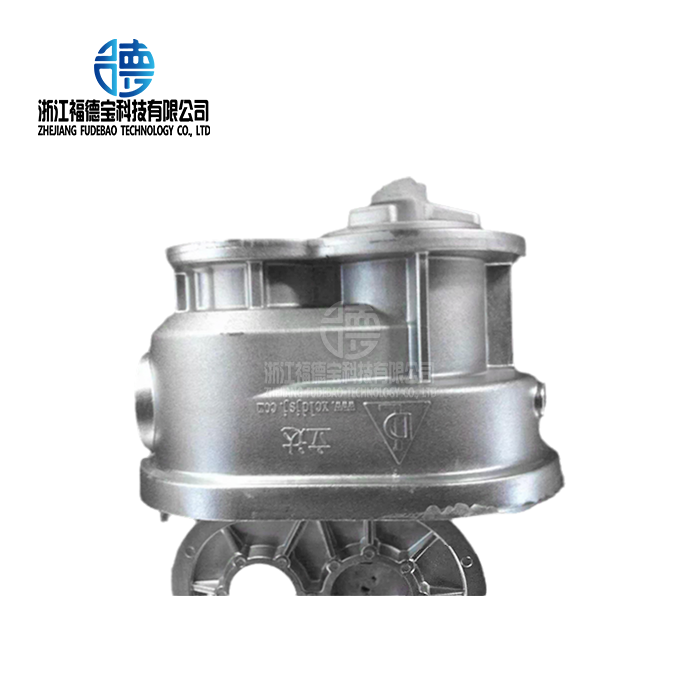
_1756361494985.webp "sliding block copper castings")
_1756361323684.webp "column guide sleeve")
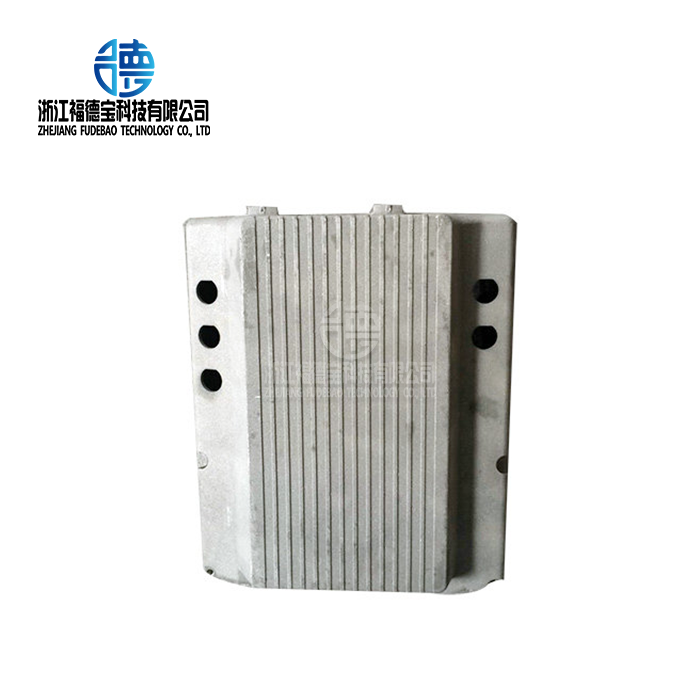
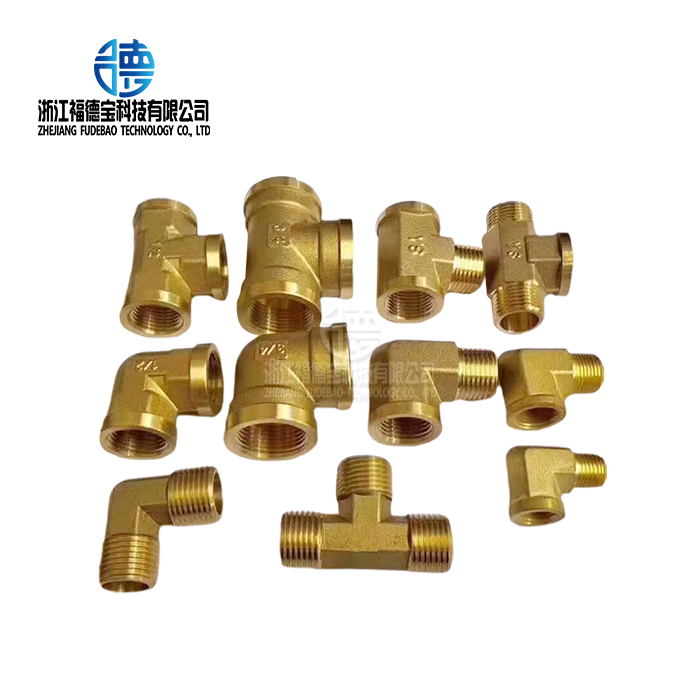
_1756348711711.webp "anti surge turbo housing")
_1756348623524.webp "Turbine compressor housing")