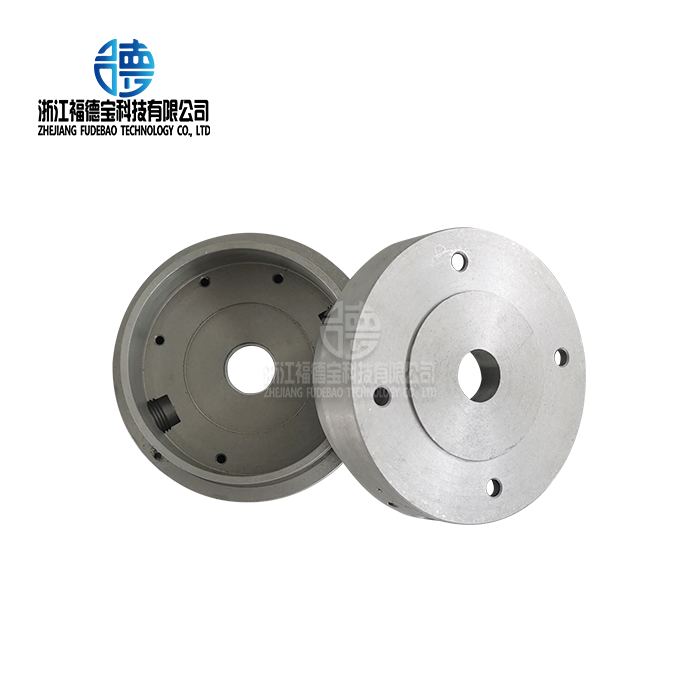
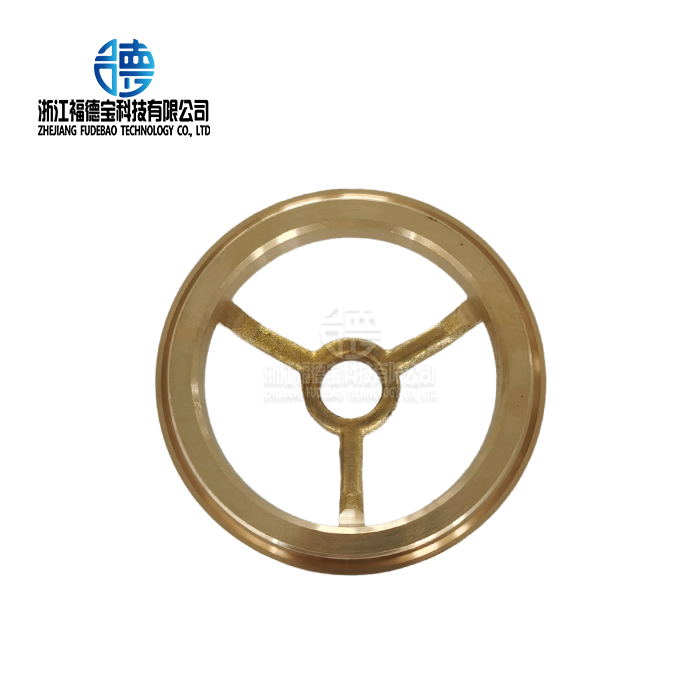
Copper Casting Applications in Industrial Equipment
2026-02-28
Modern industrial equipment is built around copper castings, which are a key technology that offer excellent performance in a wide range of settings. Copper naturally has great thermal conductivity, excellent corrosion resistance, and antimicrobial properties. These precision-engineered parts use these properties, along with advanced casting methods, to make reliable solutions for harsh industrial environments. Copper castings allow equipment makers to make electrical housings and heat exchanges that work perfectly and last a long time while still being durable and effective.
Understanding Copper Castings and Their Industrial Value
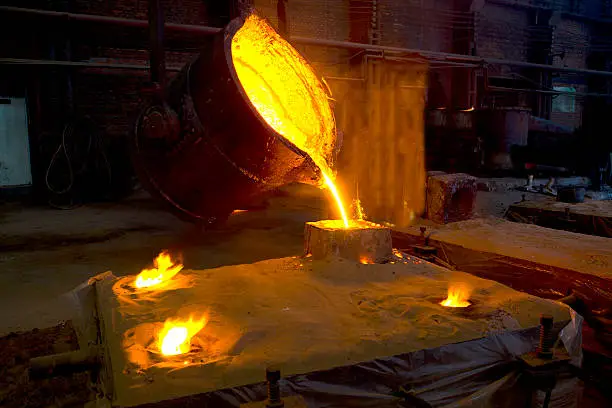
The unique qualities of copper and the complex way it is made are what make copper casting technology possible. When we look at copper alloys through the lens of how they are used in industry, their unique qualities become clear right away. Copper castings have thermal conductivities that are higher than 400 W/m·K, which makes them much better at heat transfer uses than most other materials.
Manufacturing Processes and Techniques
Modern copper casting uses a number of different methods, each one designed to meet the needs of a different industry. Sand casting is still the most flexible method because it can handle complex shapes and different output volumes. This method works especially well for making big pump housings and valve bodies, where being able to change sizes is more important than having a smooth surface.
Investment casting is perfect for making precise parts for electrical equipment because it produces the best surface quality and dimensional correctness. Tolerances of within ±0.1mm are reached by the process, which meets the strict needs of housings for electronic devices and connector systems.
For mid to high-volume production, die casting is the most efficient way to make things. This method makes walls that are all the same thickness and surfaces that look great, which is important for parts that need little post-processing. Die-cast copper parts are used by companies that make industrial tools for motor housings and heat sinks, where both thermal performance and good looks are important.
Material Properties and Performance Characteristics
It's because copper alloys are made of special ingredients that they are widely used in industry. Pure copper is the most conductive, while alloyed coppers like bronze and brass are better at withstanding pressure. Bronze casts with tin added to them are stronger and less likely to wear down than other metals. This makes them ideal for use in heavy machinery bearings.
While still being resistant to corrosion, brass casts that contain zinc are very easy to work with. Because of these qualities, brass parts are perfect for systems that move fluids and pneumatic equipment that needs to be exact and compatible with chemicals.
Core Applications of Copper Castings in Industrial Equipment
For applications requiring dependability under difficult operating conditions, industrial equipment makers frequently select copper castings. Copper-based parts are very flexible, so they can be used in many different industries, each of which benefits from the material in its own way.
Electrical and Power Generation Equipment
Copper castings are used primarily in electrical equipment, which is the biggest market. Copper parts are used in generator housings at power plants. How well these parts handle heat and electricity have a direct effect on how efficiently they work. Copper's electrical conductivity, at about 59.6 million S/m, is 65% higher than aluminum's, which makes it essential for high-performance electrical uses.
Copper's ability to get rid of heat is very helpful for motor housings. Measurable improvements in electric motor efficiency happen when copper parts do a good job of keeping heat from building up. This makes the motor last longer and use less energy. When copper heat sinks and housings are properly built, industrial motor makers say that efficiency gains of 3 to 5 percent can be achieved.
Copper's antimicrobial qualities and electrical properties are both used in switchgear and control panel parts. Copper surfaces naturally kill bacteria, which cuts down on upkeep needs in damp industrial settings and improves system reliability overall.
Heat Exchange and Thermal Management Systems
Copper casting technique is at its best when used in heat exchangers. Copper parts are needed for the best heat transfer in industrial cooling systems, like those in factories and data centers. Because the material is thermally conductive, it is possible to make heat exchangers that are small while still performing very well.
It has been shown that copper metals used to make condenser tubes and heat exchanger plates last longer than other materials. Manufacturers of thermal equipment have done studies that show copper parts keep their thermal efficiency longer than aluminum ones. This means that they don't need to be replaced as often and cost less to run.
For heat recovery systems and combustion air preheaters in industrial furnace components, copper castings are used. The fact that the material can handle changing temperatures while keeping its shape makes it perfect for these tough settings.
Plumbing and Fluid Handling Systems
Copper naturally resists corrosion and kills microbes, which makes it useful for industrial water systems. Copper alloys are used to make valve bodies, pipe fittings, and pump parts that last a very long time in harsh chemical conditions.
When it comes to important applications, copper casting technology really shines in pump housings. The material's resistance to galvanic corrosion, especially in installations with mixed metals, lowers the need for upkeep and makes equipment last longer. Industrial site managers say that copper-based pump parts need to be serviced 25–30% more often than steel-based ones.
Copper is used a lot in filtration systems and chemical dosing tools in places that treat water. The material works with many chemicals used to treat water, and its natural ability to kill bacteria helps keep the system reliable and the water quality high.
Comparing Copper Castings with Other Metal Castings for Industrial Use
When choosing materials for parts of industrial equipment, you need to carefully think about how they work, how much they cost, and what the application needs. Copper castings are in a unique situation in this competitive market, with some clear benefits and some clear drawbacks.
Performance Comparison with Aluminum Castings
Because they are lightweight and don't rust, aluminum castings are good for use in both automobile and aerospace settings. Copper, on the other hand, is the best material for managing heat because it conducts heat almost twice as well as aluminum.
Aluminum is better for mobile equipment because it is lighter, but copper is better for fixed industrial equipment because it lasts longer. Copper has a higher density than aluminum, about 8.96 g/cm³ vs. 2.70 g/cm³. This makes it better at damping vibrations in fine machinery.
Cost research shows that copper materials are more expensive, but their longer useful life often makes the total cost of ownership lower. Companies that make industrial tools say that parts that are made of copper castings last 40 to 50 percent longer when used in the right situations.
Steel and Iron Casting Alternatives
When mechanical properties are more important than thermal or electrical properties, steel casts are the best choice. However, steel's thermal conductivity of about 50 W/m·K makes it less useful for heat transfer tasks where copper's 400 W/m·K is clearly superior.
Copper also does better than steel in many industrial settings when it comes to resistance to corrosion. Adding protection coatings to steel can make it more resistant to corrosion, but copper doesn't need these treatments in many situations.
Cast iron is cheaper for big, heavy-duty jobs, but it doesn't have the right thermal and electrical properties for current industrial tools. Most of the time, the choice of material is based on the needs and goals of the application.
How to Procure High-Quality Copper Castings for Industrial Projects?
To buy copper castings successfully, you need to know both the technical specs and what the supplier can do. Manufacturers of industrial equipment have to look at a lot of different factors to make sure that their parts work well and that the supply line is reliable.
Supplier Evaluation and Selection Criteria
Quality badges tell you a lot about a supplier's skills and how well they control the process. Certifications like ISO 9001 show that you have complete quality management systems, while certifications like AS9100 for aerospace uses show that you have specialized knowledge.
When you evaluate a company's production capabilities, you should look at its casting process choices, size limits, and yearly production capacity. Suppliers that offer more than one casting method give you more options for complicated projects that need different part specifications.
Superior suppliers are different from basic manufacturers because they can offer better technical help. Procurement partnerships are much more valuable when you can offer design optimization advice, help with choosing materials, and prototyping services.
Order Management and Supply Chain Optimization
Considerations for lead time change a lot depending on how complicated the casting is and how much you need to make. Most standard parts are shipped within two to three weeks, but beginning production runs for custom designs may take six to eight weeks.
Optimizing batch size has an effect on both unit prices and managing inventory. It's easier to plan your purchases when you know about minimum order amounts and price breaks for large orders. A lot of sellers offer discounts for buying in bulk starting at 100 pieces, with bigger discounts at 500 and 1,000 pieces.
During procurement talks, it's important to be clear about what kind of quality paperwork is needed, especially for automotive and aerospace uses. PPAP paperwork, material certifications, and dimension reports are useful, but they may make shipping times longer.
Sustainability and Environmental Considerations
Environmental compliance is becoming more and more important in business purchasing decisions. Copper can be recycled many times without losing any of its features. This helps with sustainability goals and lowers the cost of materials.
Environmental certifications for suppliers, like ISO 14001, show that they are committed to using sustainable production methods. Companies that have to report on the environment or follow business sustainability guidelines may find these certifications especially useful.
Energy efficiency in casting processes changes a lot from one supplier to the next. Modern induction melting and advanced process controls can cut energy use by 15 to 20 percent compared to old ways of doing things, which helps protect the earth overall.
Maintenance and Longevity: How to Care for Copper Castings in Industrial Use
Maintenance practices that are done correctly can greatly increase the service life of copper castings while keeping their best performance qualities. Operators of industrial tools can get the most out of their investments by following simple steps.
Preventive Maintenance Strategies
Visual checks for surface discoloration, changes in size or shape, or mechanical damage should be the main focus of regular inspections. The natural patina that forms on copper protects it from corrosion and may also show that the surroundings needs some attention.
Copper's material qualities and surface treatments must be taken into account when cleaning it. Mild alkaline cleaners get rid of industrial dirt and grime without hurting the base material. If you don't use acidic cleaners, the surface won't get etched, which could damage the component.
If you want to lubricate moving copper parts, like bearing surfaces, you should follow the manufacturer's instructions. Copper naturally lowers friction, but galvanic corrosion can happen in mixed-metal assemblies if the wrong lubricant is used.
Performance Monitoring and Replacement Planning
In heat exchange uses, thermal performance monitoring lets you know early on when fouling or degradation is happening. Throughout the service life, readings of the difference in temperatures between copper heat exchangers should stay within the limits set by the designers.
Electrical conductivity testing gives a number-based picture of the state of copper parts used in electrical systems. By measuring resistance, you can spot problems as they start to form before they affect the system's performance.
When planning a replacement, you should think about both how old the parts are and how far technology has come. Copper parts often last longer than their intended lifespan, but if the equipment is upgraded, it may be worth replacing them earlier to get better efficiency.
Conclusion
Because they are better at conducting heat, resisting corrosion, and being easy to make, copper castings continue to show how important they are to modern industry equipment. Because of its special properties, the material works reliably in a wide range of situations, from electrical systems to tools for moving fluids. To have a successful implementation, you need to carefully choose your supplier, follow the right maintenance procedures, and understand the unique needs of your application. As the needs for industrial equipment change toward being more eco-friendly and efficient, copper castings are still a reliable choice for makers who want their products to work well for a long time.
FAQ
What makes copper castings superior to other materials for industrial equipment?
Copper castings are perfect for demanding industrial uses because they are very good at conducting heat, resisting rust, and killing microbes naturally. They are 65% better at conducting electricity than aluminum, and they can also control heat better, which makes tools work better and last longer.
How do I determine the right copper alloy for my industrial application?
Which alloy to use relies on the performance needs, the environment, and the mechanical needs. When used in electrical uses, pure copper is the best conductor, while bronze alloys make mechanical parts stronger. Tin added to some types of bronze casting makes them more resistant to wear, which makes them good for use in bearings in heavy machinery.
What quality certifications should I look for in copper casting suppliers?
For quality management systems, ISO 9001 is an important certification. For aerospace uses, AS9100 is an industry standard. Suppliers should also give you certificates for the materials, reports on their dimensions, and proof that the goods can be tracked. Green standards like ISO 14001 show that a company is committed to making products in a way that doesn't harm the environment.
How do copper castings compare in terms of cost-effectiveness?
Copper materials are more expensive than steel or aluminum ones, but because they last longer, the total cost of ownership is often cheaper. Manufacturers of industrial equipment usually say that when copper castings are used in the right places, parts last 40 to 50 percent longer, need less upkeep, and use less energy.
What maintenance practices extend copper casting service life?
Regular visual inspections, proper cleaning with mild alkaline solutions, and appropriate lubrication for moving parts maximize component longevity. Monitoring thermal performance in heat exchange applications and conducting electrical conductivity testing provide early indication of developing issues before they affect system performance.
Partner with Fudebao Technology for Superior Copper Casting Solutions
Precision copper casting solutions made by Fudebao Technology are designed for tough industry uses. We can use sand casting, investment casting, and die casting to make high-tech products. We can get margins of up to ±0.05mm by combining the melting, casting, finishing, and surface treatment processes. Email our engineering team at hank.shen@fdbcasting.com to talk about your copper castings needs and find out how our knowledge can help you improve the performance of your tools and the efficiency of your supply chain.
References
Copper Development Association. "Copper Alloys in Industrial Applications: Performance and Selection Guide." Industrial Materials Handbook, 2023.
American Foundry Society. "Modern Casting Techniques for Copper and Copper Alloys in Manufacturing Equipment." Foundry Technology Review, Vol. 45, 2023.
International Copper Association. "Thermal Management Solutions Using Copper Castings in Industrial Systems." Heat Transfer Engineering Journal, 2022.
Materials Science Institute. "Corrosion Resistance and Longevity of Copper Alloy Components in Industrial Environments." Corrosion Science and Technology, Vol. 28, 2023.
Industrial Equipment Manufacturers Association. "Best Practices for Copper Casting Procurement and Quality Assurance." Manufacturing Excellence Quarterly, 2023.
Society of Manufacturing Engineers. "Sustainable Metal Casting: Environmental Impact and Recycling of Copper Alloys." Green Manufacturing Technology, Vol. 15, 2022.



YOU MAY LIKE
_1756346421748.webp "Aluminum casting telescopic bracket Parts")
_1756346259673.webp "heavy duty hinges")