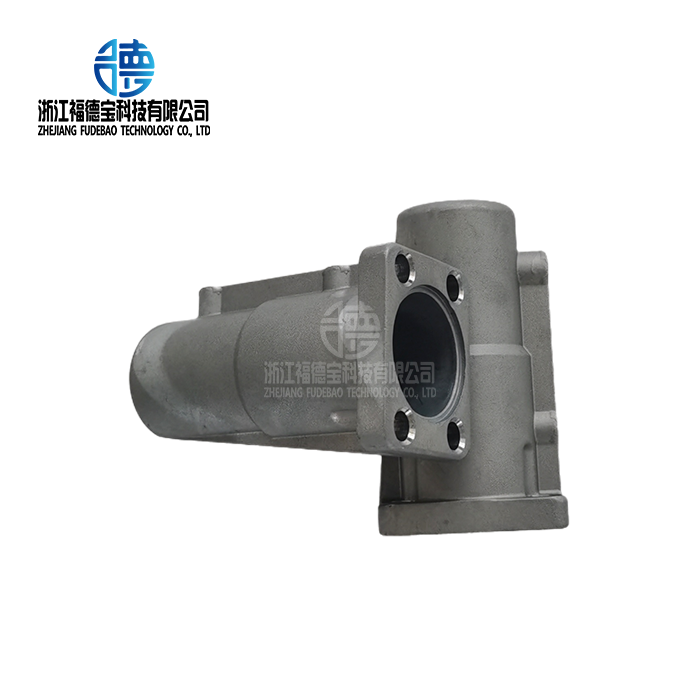
Best Sand Casting Solutions for Heavy-Duty Components
2026-01-21
Sand casting becomes the essential technique for heavy-duty applications when production calls for strong, dependable parts that can survive harsh operating conditions. Using precision molding processes, this tried-and-true manufacturing process produces robust components for aircraft systems, industrial machinery, automobile engines, and power generating equipment. Modern sand casting technologies offer components that fulfill strict dimensional tolerances while preserving outstanding structural integrity across a variety of industrial sectors by fusing conventional metallurgical knowledge with sophisticated automation and quality control systems.
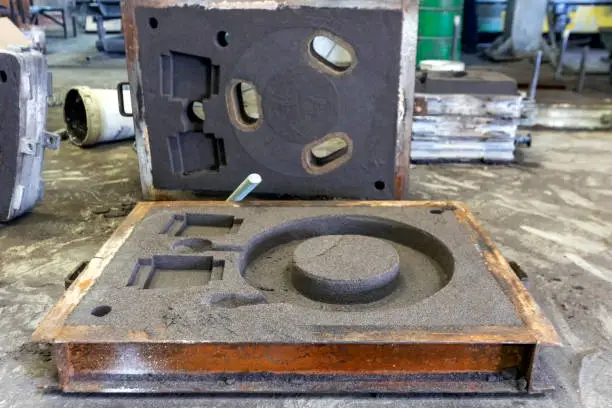
Understanding the Challenges in Sand Casting Heavy-Duty Components
Sand casting offers special technical difficulties for producing heavy-duty components, which call for complex solutions and in-depth knowledge of metallurgy. These difficulties have a major effect on long-term dependability, operational safety, and component performance in a variety of industrial applications.
Common Defects in Heavy-Duty Casting Applications
Porosity problems often arise in heavy-duty sand casting procedures, jeopardizing the internal structure of vital components. When gases are trapped within the molten metal during the pouring process, tiny air pockets form. These weak spots may cause catastrophic failures under extreme stress. When metal does not fully fill the mold cavity, surface flaws such cold shuts and misruns arise, leading to incomplete geometries that are unable to satisfy dimensional requirements.
For precise applications where tolerances must stay within ±0.05mm ranges, dimensional accuracy issues are a major problem. Mold deterioration, irregular sand compaction densities, and thermal expansion and contraction throughout the cooling cycle are the causes of these differences. Another significant issue is hot cracking, which arises when internal tensions increase during solidification, especially in intricate geometries with different wall thicknesses.
Material Selection and Process Control Complexities
When choosing alloy compositions for heavy-duty applications, it's important to balance the needs for machinability, corrosion resistance, and mechanical qualities. Iron and steel alloys provide higher durability for parts of industrial equipment, whereas aluminum alloys offer exceptional strength-to-weight ratios for automobile applications. To get the best microstructural qualities, each material requires a different set of melting temperatures, pouring methods, and cooling procedures.
When manufacturing parts for automotive OEMs and aerospace applications, where PPAP documentation and traceability standards necessitate consistent quality measurements, process control becomes even more important. While mold preparation methods have a direct impact on surface finish quality and dimensional accuracy, temperature monitoring throughout the melting and pouring stages guarantees appropriate metallurgical qualities.
Advanced Sand Casting Solutions to Overcome Heavy-Duty Casting Challenges
With the use of cutting-edge materials, automated systems, and precise control techniques that overcome conventional constraints and boost production efficiency, modern sand casting methods have completely transformed the manufacture of heavy-duty components.
Resin-Bonded and Chemically Bonded Sand Systems
Modern bonding techniques improve mold strength and dimensional stability, revolutionizing the possibilities of conventional sand casting. Compared to clay-bonded alternatives, resin-bonded sand systems provide better surface finish quality and dimensional accuracy, which makes them perfect for precision mechanical parts and automobile housings. These technologies lower variability and increase output rates by maintaining constant mold qualities across long production cycles.
Systems of chemically bound sand have remarkable strength properties that enable thin-wall sections and intricate core shapes that were previously unattainable using traditional techniques. By removing weak places that may cause mold failure during metal pouring, the chemical bonding method produces homogeneous sand particle adherence. Electrical equipment housings that need complex cooling channels and mounting features benefit greatly from this technique.
3D Printing Integration and Core Manufacturing
Core production capabilities have been revolutionized by additive manufacturing technologies, which allow for complicated interior geometries that improve component performance while lowering weight. Engineers can create complex cooling channels, lighting features, and consolidation options that do away with additional assembly processes thanks to 3D printed cores. Applications in aircraft, where weight reduction and part consolidation have a direct influence on performance indicators and fuel economy, benefit greatly from this technique.
Lead times for low-volume production runs and prototype development are shortened by combining 3D printing with conventional sand casting techniques. Before investing in production equipment, engineering teams may quickly test fit-up requirements, check performance characteristics, and iterate fundamental ideas. For applications involving complex industrial equipment where particular geometries and standards need customized solutions, this flexibility becomes useful.
Automation and Quality Control Systems
While lowering human error factors that lead to variances in quality, advanced automation technologies improve uniformity and reproducibility throughout the sand casting process. Standardized handling practices, appropriate mold alignment, and constant sand compaction densities are all made possible by automated molding lines, which preserve dimensional precision across manufacturing batches. Robotic pouring systems maximize solidification properties by controlling filling patterns, temperature uniformity, and metal flow rates.
Technologies for real-time monitoring provide constant input on crucial process variables, allowing for quick corrections that stop defects from developing. These systems provide thorough documentation for traceability standards while monitoring mold temperatures, metal chemistry, and cooling rates. Automated inspection systems that use non-destructive testing techniques to confirm internal soundness, surface finish quality, and dimensional correctness are part of quality control integration.
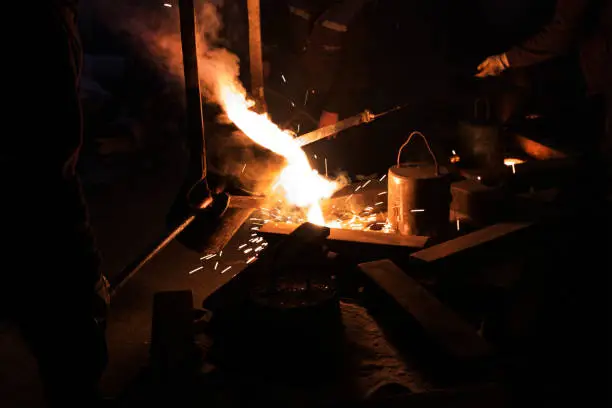
How to Choose the Best Sand Casting Solution for Your Heavy-Duty Components?
A thorough assessment of the technical specifications, production levels, and long-term performance objectives unique to each application and industrial sector is necessary to choose the best sand casting solutions.
Volume and Complexity Considerations
Production volume for sand casting has a major impact on the choice of technology and the viability of heavy-duty component manufacture economically. Automated molding methods and standardized sand preparation equipment that enhance productivity while maintaining uniform quality metrics are advantageous for high-volume automotive applications. Manual molding procedures with sophisticated bonding systems are better suitable for low-volume industrial equipment projects that value flexibility and customisation above production speed.
Mold design specifications and fundamental production techniques are directly impacted by component complexity. While complicated designs needing intricate internal features require sophisticated core-making processes and specialized handling equipment, simple geometries with minimum undercuts may be molded using simple techniques. Variations in wall thickness, feature density, and assembly requirements all affect the choice of secondary finishing procedures and suitable casting solutions.
Material Requirements and Performance Specifications
Materials are chosen based on engineering standards that strike a compromise between production viability, mechanical qualities, and resistance to the environment. Aluminum alloys with exceptional strength-to-weight ratios that satisfy crash safety and durability requirements are usually needed for automotive applications. Iron or steel alloys that can tolerate high stress loads, temperature cycling, and corrosive working conditions are often required for industrial equipment components.
Tensile strength, fatigue resistance, thermal conductivity, and dimensional stability across a variety of operating temperatures are all performance criteria. The alloy compositions, heat treatment methods, and quality control testing techniques required to guarantee component dependability are determined by these requirements. Specific material traceability and testing documentation are required by certification standards, especially for aerospace and medical applications. These requirements have an impact on supplier selection and process validation processes.
Sector-Specific Demands and Compliance Standards
The selection of casting technique and quality control procedures are influenced by the particular needs of each industrial sector. Dimensional capacity studies, PPAP documentation, and long-term reliability certification that shows consistent performance throughout component lifecycles are all necessary for automotive OEMs. Advanced measuring methods, statistical process control, and extensive testing programs that confirm adherence to technical standards are all necessary to meet these criteria.
Applications in the electrical and energy sectors need components that adhere to strict conductivity guidelines, criteria for corrosion resistance, and safety certificates. While offering electromagnetic shielding and thermal management capabilities, aluminum and copper castings for electrical housings must retain exact dimensional tolerances. Components used in renewable energy applications must be able to endure exposure to the environment while retaining their structural integrity throughout long service periods.
Fudebao Technology: Your Partner in Heavy-Duty Sand Casting Excellence
Through extensive production capabilities in sand casting and an unrelenting dedication to quality, Fudebao Technology has established itself as a benchmark firm in precision metal casting, servicing the worldwide automotive, industrial equipment, and aerospace industries.
Comprehensive Manufacturing Capabilities
Our facility creates a smooth manufacturing environment that delivers components from raw material to final product by combining precision machining skills with cutting-edge sand casting technology. Automated finishing systems, CNC lathes, and high-speed machining centers provide dimensional accuracy of up to ±0.05mm while preserving uniform surface quality across production batches. With this integrated strategy, lead times and quality concerns are decreased and coordination issues between numerous suppliers are eliminated.
From intricate aluminum housings to precise mechanical components, low-pressure casting machines and automated die casting systems provide flexibility for a wide range of component needs. Our melting and pouring systems provide constant metallurgical qualities that satisfy exacting performance requirements by maintaining stringent temperature control and alloy chemistry management. Protective coatings, fine polishing, and quality validation testing are examples of surface treatment capabilities that get components ready for instant installation.
Quality Assurance and Customer Support
In-depth testing procedures, statistical process control, and continuous improvement programs that surpass industry requirements are all part of our quality management system. In addition to producing thorough documentation for traceability requirements, advanced inspection equipment verifies dimensional correctness, material characteristics, and surface finish quality. This methodical technique boosts trust among engineering teams and procurement specialists while guaranteeing consistent component performance.
Design consultation, advice on material selection, and suggestions for process optimization that improve component performance while lowering manufacturing costs are examples of technical support services. Throughout the development process, our technical team works in tandem with clients, offering their knowledge of production scheduling, tooling optimization, and casting design. Long-lasting partnerships based on shared technological improvement and achievement are produced by this partnership method.
Best Practices for Maintaining and Optimizing Sand Casting Production
Systematic techniques to process control, equipment maintenance, and continuous improvement that increase quality while lowering operating costs are necessary for effective production optimization.
Process Monitoring and Control Systems
Integrated monitoring tools that provide real-time input on crucial process parameters for sand casting are a huge asset to modern sand casting processes. The melting and pouring systems' temperature sensors guarantee constant metal chemistry and thermal profiles that maximize solidification properties. Automated data collection systems provide thorough process documentation for quality analysis by monitoring mold preparation factors such as sand moisture content, compaction density, and bonding agent dispersion.
By identifying trends and variations before they affect component quality, statistical process control approaches allow for proactive modifications that stop defects from forming. These systems provide correlation analysis, capability assessments, and control charts that confirm production consistency and direct process improvements. Accuracy and dependability are maintained throughout all quality control operations via regular calibration programs for monitoring systems and measuring equipment.
Maintenance Strategies and Equipment Optimization
Programs for preventive maintenance provide steady production capacities while safeguarding important equipment investments. Before they affect production schedules, wear patterns and possible failure modes are found via routine inspection schedules for molding machines, melting furnaces, and handling systems. Technologies for predictive maintenance, such as heat monitoring and vibration analysis, provide early warning signs that allow planned repairs to be made during prearranged downtime.
Systems for recycling sand need special care to preserve uniform qualities and save material expenses. The right grain size distribution, clay content, and moisture levels that allow high-quality mold manufacture are ensured by routine testing of the qualities of recycled sand. Efficient recycling initiatives minimize material use while maintaining operational effectiveness and environmental compliance.
Sustainability and Environmental Considerations
With the use of cutting-edge recycling technology and energy-efficient procedures, contemporary sand casting plants are placing an increased emphasis on resource conservation and environmental responsibility. In order to reduce waste disposal needs and preserve consistent material qualities, sand reclamation systems recover and condition spent molding materials. These systems recover the properties of sand for future use using mechanical separation, thermal treatment, and chemical conditioning procedures.
Programs for energy management enhance facility systems, heating schedules, and furnace operations to minimize consumption while preserving production needs. Heat recovery systems increase overall facility efficiency by capturing waste thermal energy for use in secondary applications. Systems for recycling and water treatment oversee cleansing and cooling while adhering to discharge regulations.
Conclusion
Heavy-duty component production has changed as a result of sand casting technologies' advancements in quality control procedures, automation systems, and improved materials. Partners that combine historic metallurgical knowledge with contemporary production skills and an unrelenting dedication to quality are necessary for success in today's cutthroat market. Making well-informed judgments that optimize production costs and delivery schedules while improving component performance requires an understanding of the problems, potential solutions, and selection criteria.
FAQ
Which materials are ideal for applications involving heavy-duty sand casting?
Aluminum alloys for automotive components are generally advantageous for heavy-duty applications because of their superior strength-to-weight ratio and resistance to corrosion. Iron and steel alloys with exceptional durability and load-bearing capability are often needed for industrial machines. Copper alloys are used in electrical applications where temperature control and conductivity are essential performance elements.
How are precise dimensional tolerances achieved in contemporary sand casting processes?
Tolerances within ±0.05mm ranges are made possible by precise core production, automated molding equipment, and advanced bonding technologies. Consistent dimensional accuracy across manufacturing batches is ensured via temperature control throughout the casting process, statistical process control, and advanced mold design.
What certificates of quality can I anticipate from vendors of sand casting?
Reputable vendors uphold industry-specific certifications like IATF 16949 for automotive applications as well as ISO 9001 quality management systems. AS9100 certification is often held by aerospace vendors, but ISO 13485 conformity may be necessary for medical device components. For automotive OEM applications, PPAP paperwork and material traceability are common criteria.
Partner with Fudebao Technology for Superior Sand Casting Solutions
With our extensive sand casting capabilities and demonstrated experience, Fudebao Technology is prepared to turn your heavy-duty component needs into precision-manufactured reality. Our integrated manufacturing strategy uses automated production methods, sophisticated metallurgy, and strict quality control to produce components that meet strict delivery deadlines and surpass performance standards. Get in touch with our skilled engineering staff at hank.shen@fdbcasting.com to talk about your unique needs and learn how our knowledge of sand casting manufacturers can maximize the efficiency of your supply chain and component dependability.
References
Campbell, J. "Complete Casting Handbook: Metal Casting Processes, Metallurgy, Techniques and Design." Butterworth-Heinemann, 2015.
Monroe, R.W. "Foundry Sand Handbook for the Metalcaster." American Foundry Society, 2018.
Stefanescu, D.M. "Science and Engineering of Casting Solidification." Springer International Publishing, 2017.
Brown, J.R. "Foseco Foundryman's Handbook: Facts, Figures and Formulae." Elsevier Science & Technology, 2016.
Davis, J.R. "ASM Specialty Handbook: Cast Irons." ASM International Materials Park, 2019.
Beeley, P.R. "Foundry Technology." Butterworth-Heinemann Engineering Materials Technology Series, 2020.



_1756345939856.webp "Aluminum casting chassis")
_1756352625880.webp "plug stainless")
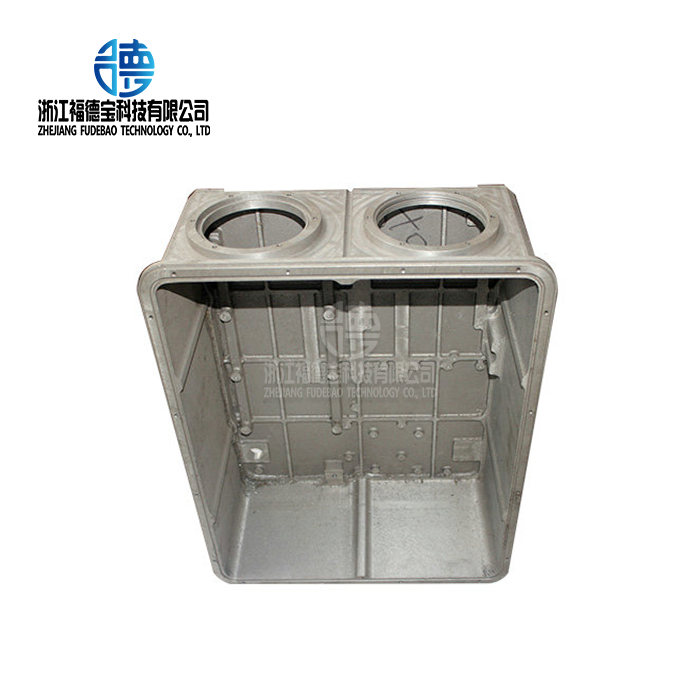
_1756348780785.webp "porting turbo compressor housing")
_1756346668222.webp "Aluminum castings Decorative buckles")