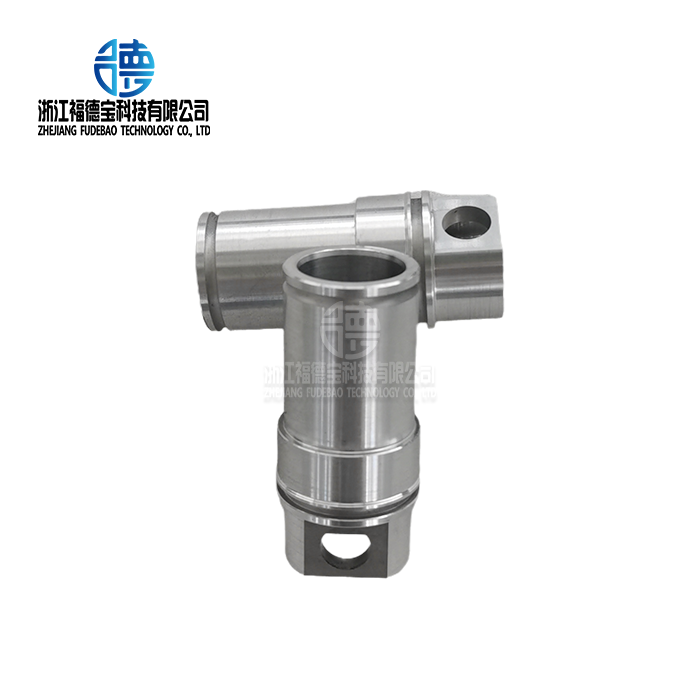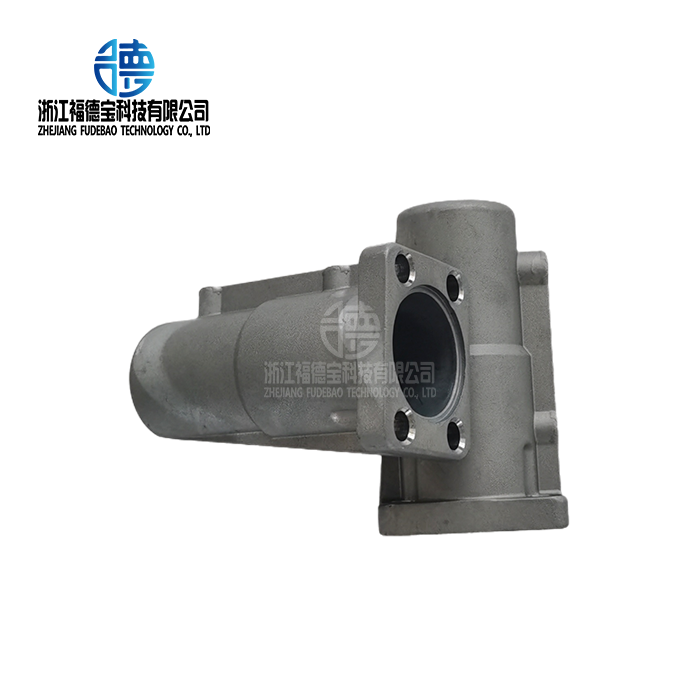
Industrial Use Cases of Precision Aluminum Castings
2026-03-02
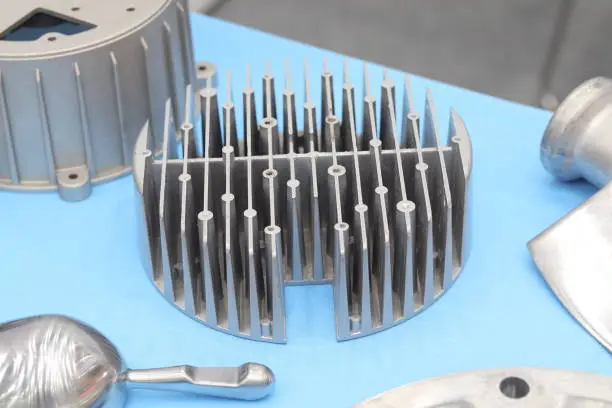
Precision aluminum castings are very important in industrial settings because they provide the exact dimensions, light weight, strength, and resistance to rust that are needed in harsh production settings. The aluminum die casting method makes it possible to make parts with complicated shapes and a high-quality finish on the outside. These parts are important in the electronics, aerospace, automobile, and industrial machinery industries. Today’s precision casting methods can make parts with tolerances as small as ±0.05mm while still being cost-effective for both mass production and unique development.
Understanding Precision Aluminum Die Casting and Its Industrial Relevance
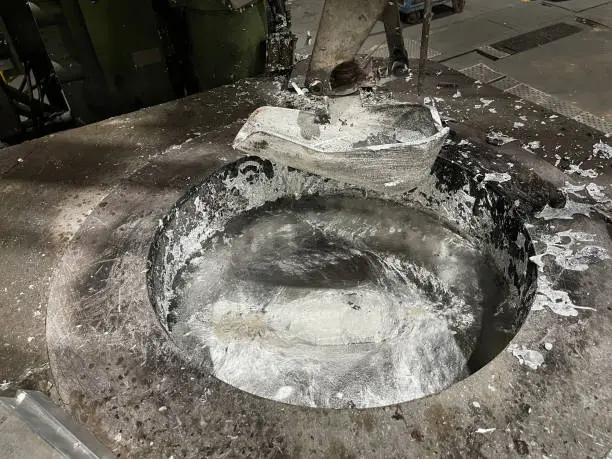
As molten aluminum is shaped into complex parts with very consistent dimensions, a sophisticated production process called precise aluminum die casting takes place. With this high-pressure injection method, liquid aluminum is pushed into perfectly machined steel molds at speeds of up to 100 feet per second. This makes parts with great surface finish and mechanical features.
The Die Casting Process Workflow
Modern aluminum die casting follows a methodical process that starts with choosing the metal and getting the mold ready. To do the process, aluminum alloys are heated to about 1300°F and then pushed through steel dies at pressures between 1,000 and 25,000 PSI. This quick solidification creates fine grain structures that make the material stronger mechanically and give it smooth surfaces that often don't need to be machined again.
During the casting cycle, quality control methods include checking the temperature in real time, making sure the pressure is correct, and making the most of the cycle time. Statistical process control systems are used in advanced die casting facilities to keep track of the correctness of the dimensions across production runs. This makes sure that the quality is consistent enough to meet the strict needs of automakers and aerospace companies.
Advantages Over Traditional Manufacturing Methods
When it comes to accuracy, precision die casting is better than sand casting. Tolerances for die casting parts usually range from ±0.1mm to ±0.3mm, based on their shape and size. The process can make things up to ten times faster than regular sand casting, and it works just as well every time, even after thousands of rounds. Die casting uses almost all of the metal that is put into it, which is better for the earth and the economy. This is in contrast to machined parts, which waste material.
Precision die casting often gets rid of the need for extensive finishing steps because the surface quality is so good. When the parts come out of the mold, they have smooth surfaces that can be used for powder finishing, anodizing, or straight assembly. This unified method cuts down on production wait times while keeping the precise measurements needed for important industry and automotive uses.
Key Industrial Use Cases of Precision Aluminum Castings
Precision aluminum molds are used in many industries where being strong, lightweight, and good at transferring heat are important for staying competitive. When procurement workers understand these uses, they can find situations where die casting technology offers the best performance and cost savings.
Automotive and Transportation Applications
The biggest market for precise aluminum castings is the automobile industry, which uses them to make engine blocks, transmission housings, brake system parts, and structural elements. Modern cars use aluminum die castings to make them lighter while keeping their structural strength. This helps them use less gas and put out less pollution.
Aluminum is great at conducting heat and resisting rust, which makes it a good material for engine parts like cylinder heads and oil pans. Operating temps above 400°F are no problem for these casts, and they keep their shape over long periods of time. Transmission housings need the accuracy and strength that die casting offers, and their interior shapes are too complicated for other methods of production to handle.
More and more, auto makers want safety-critical parts like steering system housings and suspension parts to be made from aluminum die castings. Controlled solidification gives the mechanical traits that make things work reliably even when they are being loaded and unloaded quickly. It also meets strict quality standards for the car industry.
Industrial Machinery and Equipment
Aluminum castings that are strong enough to survive harsh working conditions and last a long time are needed in heavy industrial uses. Precision die casting is used to make pump housings, compressor parts, and gearbox units with all the complex internal pathways and mounting features they need to work at their best.
Manufacturers of industrial pumps choose aluminum die castings because they don't rust and can handle fluids that are harsh. Die casting makes it possible for rotating and stationary parts to have small gaps between them, which increases speed and lowers the need for upkeep. Heat exchangers and other parts of cooling systems use aluminum's heat qualities and the precise casting process to make sure the dimensions are correct.
For lightweight automated parts that need to work quickly, manufacturing equipment is increasingly using aluminum die castings. The high strength-to-weight ratio of aluminum makes it a good choice for robot arms, conveyor systems, and packing machines that need to be able to place and repeat precisely.
Electrical and Electronics Applications
Precision aluminum molds are used in the electrical industry to make parts that need to block electromagnetic waves, keep heat in check, and stay the same size. Aluminum's ability to carry electricity and the accuracy that can be achieved through die casting technology are important for motor housings, electrical enclosures, and power transfer equipment.
Electric motor makers use aluminum die castings to make housings that keep bearings in place and do a great job of removing heat. Die casting's precise measurements make sure that the gaps between the rotor and stator are just right, which increases the motor's efficiency and lowers its noise level. Aluminum's ability to keep heat away from sensitive parts while blocking electromagnetic interference makes it useful in power systems.
Precision aluminum molds are being used more and more in renewable energy systems for things like solar panel mounting systems, wind turbine parts, and energy storage containers. For these uses, aluminum die castings are needed because they are resistant to rust and keep their shape, and they also have to be able to handle harsh environments.
Aerospace and Defense Components
Precision, traceability, and quality assurance at the highest levels are needed for aerospace uses. These can only be met by specialized aluminum die casting centers. Precision castings are used to reduce the weight of aircraft parts, satellite systems, and military equipment while keeping the structural performance at high levels in harsh circumstances.
Aerospace aluminum castings have to meet strict approval standards, such as AS9100 quality standards and paperwork that shows how the materials were sourced. Precision die casting is the best way to make parts like airplane housings, electronics enclosures, and structural brackets that need to be stable in size and have good mechanical qualities. It also saves weight, which is very important for aerospace uses.
Die casting is a precise and consistent way to make things, and aluminum's radar-transparent and nonmagnetic qualities make it useful for defense uses. These special castings are used in optical system parts, communication equipment housings, and electronic warfare systems to make sure they work well and can handle difficult circumstances.
Selecting the Right Aluminum Die Casting Solution for Your Industry
To pick the best aluminum die casting method, you need to carefully look at the qualities of the material, the needs of the production process, and the cost factors that are unique to each application. Knowing about the different aluminum alloys and casting methods helps buying workers make smart choices that improve performance while keeping costs low.
Aluminum Alloy Selection Criteria
Different aluminum alloys have different mixes of strength, resistance to corrosion, and temperature qualities that make them useful in different industrial settings. The A380 aluminum alloy is great for car and electronics uses because it has great fluidity and surface finish for complex shapes. A383 metal is better for making structure parts because it is stronger and still works well when cast.
A356 aluminum alloy has great mechanical qualities and can be heated to change its shape, making it useful in situations where corrosion protection is important. This alloy works well in marine and aircraft uses that need high-performance materials that can handle harsh environments. An metal called A390 may be useful for high-strength uses because it is resistant to wear and keeps its shape even in tough circumstances.
When making the choice, both the qualities as-cast and the possibility of improving them with heat treatment must be taken into account. The T6 heat process makes some aluminum alloys much stronger, doubling their tensile strength compared to how they were when they were first cast. Knowing about these different types of materials helps engineers choose the best metal for a given set of performance needs.
Comparing Die Casting with Alternative Manufacturing Methods
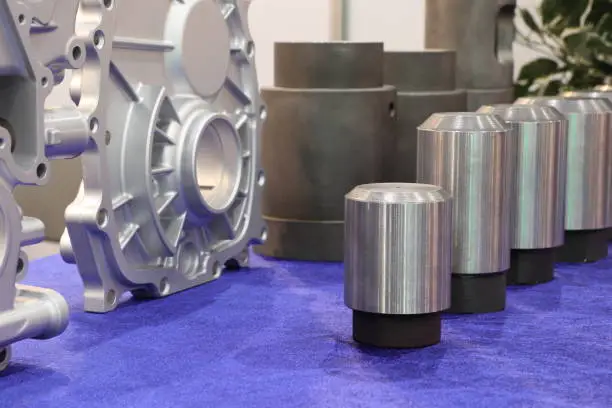
Precision die casting has clear benefits over other ways of making things, like sand casting, fixed mold casting, and made parts. Die casting gives you a better surface finish and more accurate measurements while keeping production costs low for medium to high volume uses. The process gets rid of a lot of the extra steps that are needed for other ways of production.
While sand casting is flexible for low-volume jobs, it can't compete with die casting when it comes to surface quality and accuracy of shape. Permanent mold casting has better qualities than sand casting, but it takes longer to do and can't make parts with complex shapes like die casting can. Precision is at its highest with machined parts, but they waste a lot of material and take longer to make.
When compared to die casting, investment casting has longer wait times and higher tooling costs, but it has a better surface finish and more accurate dimensions. When buying teams understand these trade-offs, they can choose the most cost-effective way to make something that still meets the technical needs of a given application.
Custom Solutions and Prototyping Capabilities
Modern makers of aluminum die castings offer flexible services that help with product development by letting you make quick prototypes and small batches. Before investing in high-volume production tools, these services let engineers make sure that plans work and that manufacturing processes are working at their best. Prototype die casting lowers the total project risk and helps find problems early in the development process.
Specialized alloys, extra operations, and combined assembly processes are just a few of the unique needs that can be met by custom die casting solutions. Suppliers with a wide range of skills can offer full solutions, from the initial design advice to the delivery of the finished product. This unified method makes project management easier and makes sure that quality stays high throughout the whole manufacturing process.
Rapid tooling methods make it possible to make prototypes in weeks instead of months, which shortens the time it takes to build a new product. These features are especially useful in fields where products don't last long or where designs are changed often. Knowing what custom solutions and prototyping capabilities a seller offers helps buying teams choose partners who can meet both current needs and the needs of growth in the future.
Practical Design Tips and Tolerance Considerations for Precision Aluminum Castings
To make the best aluminum die casting parts, you need to know how shape, material flow, and production limits affect each other. Design techniques that work well keep flaws to a minimum while still getting the right dimensions and mechanical qualities for the job.
Critical Design Elements for Successful Castings
Wall thickness consistency is a key part of getting stable casting quality and accurate measurements. Keeping the wall thickness between 2mm and 6mm helps the material flow properly and cuts down on problems caused by shrinking. Gradual changes in thickness keep stress from concentrating and make sure that the mold is fully filled even when the geometry is complicated.
Draft angles make it easier to take the part out of the die, which extends the life of the tool and keeps the dimensions accurate. For most parts, draft angles are between 1 and 3 degrees, but this depends on the part's depth and surface roughness. When the draft angle is set up correctly, it lowers the release forces and the chance of surface flaws that could affect how well the part works.
Ribbing structures provide structural support while keeping the light weight that is needed for uses in aircraft and the automobile industry. Ribs that work well are made according to rules about thickness that keep them from shrinking while still giving the structure the support it needs for mechanical loads. Strategically placing ribs makes parts stiffer without adding extra weight or making the casting process more difficult than it needs to be.
Achieving Optimal Tolerances and Surface Quality
Standard standards for die casting parts are usually between ±0.1mm and ±0.3mm, but this can change based on the part's size and complexity of shape. Because of less heat being affected during solidification, smaller parts can often get closer limits. For precision uses, tolerances below ±0.05mm may need to be reached through additional machining processes on critical measurements.
The quality of the surface finish relies on how well the die surface is prepared, the choice of material, and the process factors. The surface roughness of standard die casting is between 1.6 and 3.2 micrometers, which means it can be used in many situations without any extra cleaning. Premium surface finishes that are close to 0.8 micrometers allow for direct decorative uses or lessen the need for coatings.
Thermal growth, mechanical loads, and exposure to the surroundings must all be taken into account for dimensional stability over the service life. When setting limits for uses that will be exposed to changes in temperature, the coefficient of thermal expansion of aluminum must be taken into account. Knowing about these things helps engineers set reasonable limits that ensure consistent performance while keeping costs low.
Addressing Common Manufacturing Challenges
The most common flaw in aluminum die castings is porosity, which is usually caused by trapped air or gas escaping during solidification. By getting rid of the air in the mold hole before the metal is injected, vacuum-assisted die casting methods lower porosity. Turbulence that leads to gas trapping can be reduced by using the right gating design and input settings.
Shrinkage flaws happen when parts of the casting don't get enough material while it’s solidifying. The placement of gates and the design of runners make sure that material flows smoothly to all parts of the part. When makers know about shrinkage trends, they can add compensation features that keep measurements accurate and stop defects from forming.
Cold shuts happen when metal fronts solidify too quickly and don't bond properly during mold filling. Optimizing the injection speed and temperature settings stops cold shut formation while keeping the fast solidification benefits of die casting. The quality of the parts will stay the same throughout production runs if the die temperature is managed correctly.
Partnering with Trusted Aluminum Die Casting Suppliers
Establishing successful partnerships with aluminum die casting supplier requires thorough evaluation of capabilities, quality systems, and long-term reliability. Knowing the important selection factors helps purchasing teams find suppliers who provide regular quality and help the business reach its growth goals.
Supplier Evaluation and Quality Assurance
ISO 9001 certification sets the basic standards for a quality management system. Industry-specific certifications, like IATF 16949 for cars or AS9100 for aerospace, show that a company has particular skills. These certifications show that the company takes a planned approach to quality control, ongoing growth, and customer happiness, which helps build long-term relationships.
Statistical process control, coordinate measuring tools, and thorough checking methods should all be part of quality control systems. Modern suppliers use real-time tracking systems that keep an eye on important factors during the casting process. This lets them make changes right away if there are any differences. Knowing about these quality skills helps buying teams figure out how reliable and consistent a supplier is.
Production ability and tools must match the number needs that are happening now and those that are expected in the future. Suppliers who have more than one die casting machine can make parts of different sizes and provide backup capacity during repair times. The ability to integrate secondary processes like drilling, surface treatment, and assembly makes managing the supply chain easier while keeping quality control in check.
Understanding Pricing Structure and Lead Times
Prices for die casting usually include the cost of materials, the cost of depreciating tools, handling fees, and costs for extra work that needs to be done. Knowing these parts of the cost makes it easier to negotiate with suppliers while keeping budget standards reasonable. By spreading out the cost of tools over time and making production more efficient, promises to buy in bulk often lower the cost per piece.
The cost of tools depends a lot on the complexity, size, and estimated output volume of the part. Tooling prices may be low for simple geometries, but they are higher for complicated parts with many slides and cores. Knowing what tools are needed helps buying teams make good budgets and figure out the total cost of ownership for die cast parts.
Lead times include making tools, making samples, getting approvals, and planning production. Depending on how complicated the job is and how much time the seller has available, the lead time for making a tool is usually between 8 and 16 weeks. Production lead times depend on how much is needed and how flexible the schedule is. Setting realistic deadlines keeps projects from running late and makes sure that quality standards are met.
Building Long-Term Strategic Relationships
Strategic supplier ties are more than just business deals. They also include working together to create new products, make improvements all the time, and make the supply chain more efficient. When suppliers can do both design and engineering, they can help with the development of new products and find ways to cut costs through design optimization.
Throughout the lifecycle of a product, communication methods and project management tools make it easier for people to work together effectively. Regular business meetings, tracking of success data, and projects to improve things together all help relationships grow and find ways for everyone to benefit. Learning about a supplier's project management and communication skills can help you build long-lasting relationships that work well.
Closeness in space and cultural compatibility can have a big effect on how well people can work together and how efficiently the supply chain works. Communication, transportation, and the ability to respond quickly are all better when you buy from local providers. But global providers may offer unique skills or lower prices that make longer supply lines worth it. Keeping these things in balance helps buying teams choose the best source relationships for each need.
Conclusion
Precision aluminum die casting is a great choice for many industrial uses because it is accurate in size, light, strong, and easy to make. The aluminum die casting method is cheap and can make complicated forms with smooth surfaces. It can be used for both mass production and one-of-a-kind items. To get better casting solutions that work well over time, procurement professionals should learn about the technical skills, material options, and selection criteria for a provider. Strategic partnerships with qualified service providers give you access to cutting-edge tools, chances to keep getting better, and the flexibility your business needs to adapt to the fast-paced, ever-changing business world of today.
FAQ
What industries benefit most from precision aluminum die casting?
Precision aluminum castings are mostly used in the electronics, aircraft, automotive, and industrial machinery businesses. Die casting is the best way for these industries to get the exact sizes they need, make products that are light and cheap, and meet strict quality and performance standards.
How do tolerances in aluminum die casting compare to other manufacturing methods?
Standard die casting can get ranges of ±0.1mm to ±0.3mm, which is better than sand casting and close to the quality of finished parts. Die-cast parts can have margins of ±0.05 mm with secondary machining, and the cost benefits of near-net-shape production can still be used.
What factors influence aluminum die casting lead times?
Mostly, the complexity of the tooling, the size of the part, the supplier’s capacity, and the quality standards decide wait times. Making tools usually takes 8 to 16 weeks, and production schedules rely on how many are needed and how available suppliers are. Rush orders may be possible, but they will cost more.
Partner with Fudebao Technology for Premium Aluminum Die Casting Solutions
Zhejiang Fudebao Technology delivers world-class precision aluminum casting and machining services that meet the demanding requirements of global automotive, aerospace, and industrial equipment manufacturers. Our integrated manufacturing capabilities encompass the complete process from melting through finishing, supporting one-stop delivery with tolerances achieving ±0.05mm precision. As a trusted aluminum die casting provider for international names like American HAAS automation and ESS energy storage systems, we combine advanced equipment including high-speed machining centers and low-pressure casting machines with rigorous quality systems. Contact our engineering team at hank.shen@fdbcasting.com to discuss your precision casting requirements and discover how our proven capabilities can optimize your manufacturing success.
References
American Foundry Society. "Aluminum Die Casting Design Guidelines and Best Practices." Technical Publication Series, 2023.
Society of Manufacturing Engineers. "Precision Casting Technologies for Industrial Applications." Manufacturing Engineering Handbook, 2022.
International Journal of Advanced Manufacturing Technology. "Quality Control Systems in Modern Die Casting Operations." Volume 118, 2023.
Automotive Industry Action Group. "Supplier Quality Requirements for Die Cast Components." AIAG Standards Publication, 2022.
North American Die Casting Association. "Material Selection Guide for Aluminum Alloy Castings." Technical Report Series, 2023.
ASM International. "Properties and Applications of Aluminum Die Casting Alloys." Materials Engineering Handbook, 2022.



YOU MAY LIKE
_1756352822273.webp "Stainless steel plugs")
_1756349002499.webp "Aluminum alloy clamp casting")
_1756346043433.webp "guardrail connecting block")