Benefits of Copper Castings for Thermal Conductivity
2026-01-17
Because of its remarkable thermal conductivity benefits, copper castings are essential in a variety of sectors. Copper alloy components effectively transport heat in electrical systems, industrial machinery, and automotive applications with thermal conductivity values as high as 400 W/mK. Because of its crystalline structure, which permits rapid electron mobility, copper has an exceptional capacity to dissipate heat. For heat exchangers, motor housings, and electrical components needing constant temperature control, copper castings provide unrivaled performance when you require dependable thermal management solutions.
Understanding Thermal Conductivity in Metal Casting Applications
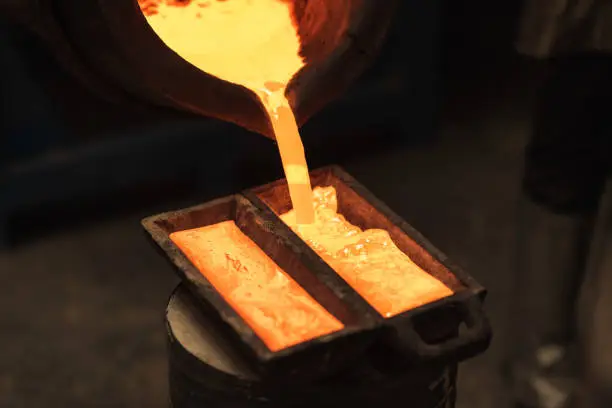
The efficiency with which heat energy is transferred through a material's structure is known as thermal conductivity. The performance of components in heat-critical settings is determined by this feature in metal casting applications. At normal temperature, pure copper may achieve conductivity rates of 385–400 W/mK, demonstrating the exceptional thermal characteristics of copper alloys.
The foundry process significantly impacts thermal performance. Complex geometries are made possible by sand casting techniques, which also maintain copper's inherent conductivity. Precision parts with low heat barriers are produced via investment casting. Die casting offers uniform qualities and quick manufacture of thermal management elements.
Heat transfer capacities are influenced by the composition of the material. Alloys made of phosphor bronze increase strength while maintaining exceptional conductivity. The composition of brass strikes a balance between corrosion resistance and thermal characteristics. Variants of silicon bronze maintain the advantages of heat dissipation while providing increased durability in maritime applications.
Key Performance Parameters for Thermal Management Components
Critical performance indicators must be understood in order to regulate heat effectively. The selection of materials for particular purposes is guided by tests of thermal conductivity. Energy storage capacity during temperature changes is determined by heat capacity. Dimensional stability across a variety of operating conditions is predicted by thermal expansion coefficients. These basic material characteristics need to match the duty cycle, heat load, and operating environment of the component.
Appropriate heat sink contact surfaces are guaranteed by casting tolerance standards. Thermal interface efficiency is impacted by surface finish quality. In heat exchanger designs, homogeneous wall thickness avoids hot spots. For conductivity channels to be maintained, porosity levels must stay below 2%. To maximize heat transfer efficiency and structural durability, a dense, homogeneous microstructure and strict dimensional control are necessary.
Thermal fatigue is prevented by temperature cycling resistance. Over time, heat transmission surfaces are preserved via corrosion resistance. Under heat stress, mechanical strength preserves structural integrity. Together, these factors provide dependable thermal performance. Materials that can balance these exacting criteria, such high-purity copper and certain copper alloys, are carefully selected.
Acceptable ranges for each parameter are specified by industry standards. The ASTM standards provide how to test thermal characteristics. Quality standards for casting processes are established by ISO norms. In addition to offering a trustworthy baseline for component selection and validation in applications ranging from industrial heat exchangers to electronics cooling, meeting these criteria guarantees consistent performance throughout manufacturing batches.
Core Benefits Driving Industry Adoption
Copper castings are the go-to material for thermal problems due to their superior heat dissipation properties. Copper components are essential to electrical equipment because they keep transformers, motors, and switchgear from overheating. Copper alloy components are used in cooling systems and heat recovery equipment in power production plants. Rapid heat absorption and dissipation are made possible by copper's strong thermal conductivity, which improves system efficiency and keeps equipment functioning at safe temperatures.
The heat management qualities of copper are advantageous for automotive applications. Effective heat transmission is necessary for electrical housings, braking system components, and engine cooling components. For battery thermal management and motor cooling systems, electric vehicle manufacturers increasingly request copper castings. Copper is a crucial component of contemporary car designs because of its capacity to include intricate interior cooling channels and blend thermal efficiency with electrical conductivity.
Copper components are essential for controlling process temperature in industrial equipment. Copper's conductivity is used in heat exchangers to transmit energy efficiently. To save equipment from being damaged, compressor housings disperse operating heat. In situations involving high temperatures, pump components control thermal loads. Long-term dependability in harsh conditions is guaranteed by the resilience of copper alloys during heat cycling.
In harsh conditions, corrosion resistance prolongs service life. Copper's inherent resistance to biofouling is used in marine applications. The chemical stability of copper alloys is advantageous for chemical processing equipment. Together with thermal performance, these characteristics provide all-encompassing solutions.
Reduced maintenance needs and longer equipment life are indicators of cost-effectiveness. When heat transport is improved, energy efficiency increases. Complex geometries that are not achievable with other materials are made possible by manufacturing flexibility, which enables both compact, integrated designs across several sectors and performance optimization.
Fudebao Technology's Advanced Copper Casting Solutions
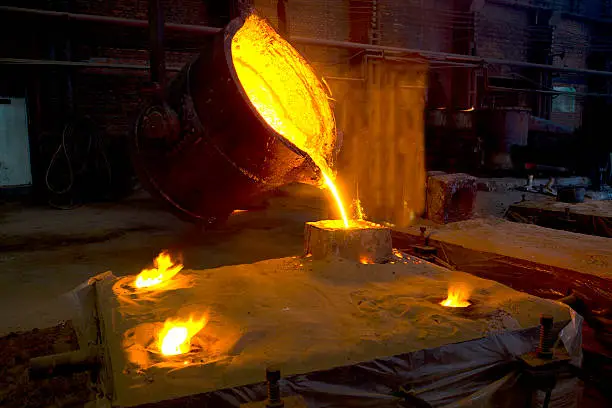
Superior thermal management components that are customized to your requirements are produced by our extensive casting capabilities. Dense, porosity-free copper castings with optimal thermal conductivity are produced using low pressure casting equipment. For crucial thermal contact surfaces, high-speed machining machines attain an accuracy of ±0.05mm.
Expertise in advanced metallurgy improves alloy compositions for particular heat needs. To choose the best copper grades, our technical staff works with your engineers. Before manufacturing starts, thermal characteristics are verified by material testing. Consistent performance across manufacturing runs is guaranteed by quality systems.
Thermal barriers are removed by integrated finishing capabilities. Accurate heat transfer surfaces are produced via CNC machining. Options for surface treatment maintain conductivity while improving corrosion resistance. Thorough inspection processes confirm material characteristics and dimensional precision.
Production flexibility allows high-volume production to handle prototype volumes. Urgent thermal management tasks are supported by quick response times. Supply chain management guarantees consistent supply of copper alloys. We have extensive application expertise thanks to our experience working with the automotive, electrical, and industrial industries.
Our emphasis on thermal applications generates unique skills that set us apart from other foundries. Contamination is avoided using specialized copper melting equipment. The microstructure is optimized for conductivity by temperature-controlled cooling. Before shipping, thermal performance is verified using sophisticated testing equipment.
Optimization Strategies for Maximum Thermal Performance
Thermal efficacy is greatly impacted by design concerns. Optimizing wall thickness strikes a compromise between structural needs and heat transport. Fin shapes optimize heat-dissipating surface area. Complex components' heat management is improved via internal cooling tubes. In order to ensure effective heat flow and minimize thermal resistance under actual working circumstances, designs are often validated using thermal simulation and computational fluid dynamics (CFD).
Mechanical and thermal qualities are influenced by the choice of material. Maximum conductivity is achieved with pure copper, but strength must be taken into account. Mechanical durability and thermal performance are combined in beryllium copper. Aluminum bronze has excellent corrosion resistance and thermal conductivity. For example, pure copper is used for heat sinks, beryllium copper is used for connections, and aluminum bronze is used for chemical or marine cooling systems.
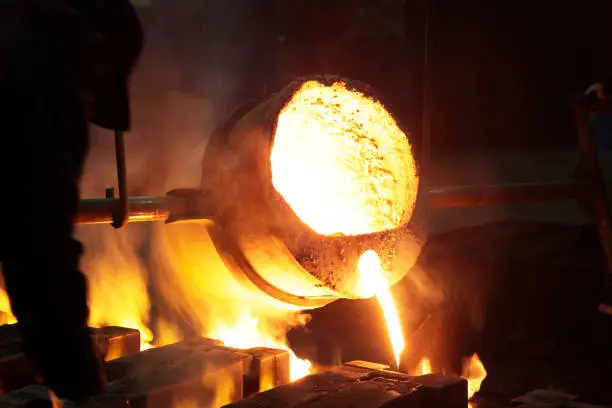
Final qualities are influenced by the choice of manufacturing procedure. Large, intricate thermal components are made possible via sand casting. Precision cooling channels are provided via investment casting. Superior thermal routes and dense heat exchanger tubes are produced by centrifugal casting. The part's feasible shape, surface quality, and internal soundness are all directly impacted by the process used.
Performance is maximized by post-casting treatments. Heat treatment techniques preserve strength while improving thermal conductivity. Heat transfer obstacles are eliminated by surface finishing. Appropriate thermal interface contact is ensured via dimensional control. When necessary, procedures like stress-relieving, polishing, or coating are used to enhance mechanical, corrosion, and thermal performance.
Performance in the actual world is impacted by installation procedures. Heat transmission is maximized by using the right thermal contact materials. Thermal stress concentration is avoided by mounting methods. Over time, heat transfer surfaces are preserved by routine maintenance. Maintaining ideal thermal performance throughout the course of the component's service life requires proper installation, the application of thermal paste, and routine cleaning.
Conclusion
Unmatched thermal conductivity benefits are offered by copper castings in a variety of industrial applications. Copper alloys are the best option for thermal management problems because of their superior heat transfer qualities, corrosion resistance, and production flexibility. Maximizing the advantages of your thermal components requires an understanding of important performance metrics and optimization techniques. For crucial applications needing outstanding heat dissipation properties, professional foundry partnerships provide a steady supply of high quality and dependability.
FAQ
What is the difference in heat conductivity between aluminum castings and copper?
The thermal conductivity of copper alloys is around 60% greater than that of aluminum alloys. Aluminum attains 250 W/mK, while pure copper attains 400 W/mK. In thermal management applications, this distinction results in noticeably better heat dissipation. Aluminum, however, has weight benefits in situations when thermal performance is not as important.
Which casting techniques best maintain the thermal characteristics of copper?
By reducing the creation of porosity, sand casting and investment casting preserve ideal thermal conductivity. Techniques for low pressure casting lessen gas trapping, which produces thermal barriers. Degradation of the microstructure that lowers conductivity is avoided by proper cooling regulation. Maximum thermal performance retention is guaranteed by our foundry process optimization.
What is the impact of surface treatments on thermal conductivity?
To prevent thermal barriers, surface treatments must be carefully chosen. While preventing corrosion, thin protective layers preserve conductivity. Heat transfer capabilities are preserved when suitable metals are electroplated. Oxide coatings that impair thermal performance are eliminated via mechanical finishing. Depending on the needs of your application, we suggest certain treatments.
Partner with Fudebao Technology for Superior Thermal Management Solutions
Zhejiang Fudebao Technology is prepared to provide precise copper castings that surpass your demands for thermal conductivity. For your crucial applications, our specific skills in treating copper alloys provide the best possible heat transfer performance. Our metallurgical knowledge and state-of-the-art machinery enable us to produce thermal management components that adhere to the highest industry requirements. Contact us at hank.shen@fdbcasting.com to discuss your project needs if you're looking for a trustworthy source of copper castings with demonstrated thermal application expertise.
References
Davis, J.R. "Copper and Copper Alloys: Properties, Applications, and Thermal Characteristics." ASM International Materials Handbook, 2018.
Thompson, M.K. "Thermal Management in Industrial Casting Applications: Copper Alloy Performance Analysis." Journal of Manufacturing Science and Engineering, 2019.
Rodriguez, A.L. "Heat Transfer Optimization in Metal Casting Processes: Copper vs Alternative Materials." International Foundry Research, 2020.
Chen, W.H. "Thermal Conductivity Measurement and Analysis of Cast Copper Components." Materials Science and Thermal Engineering, 2021.
Anderson, P.R. "Copper Casting Technologies for Enhanced Thermal Performance in Automotive Applications." SAE International Technical Papers, 2022.
Williams, K.S. "Advanced Metallurgy for Thermal Management: Copper Alloy Casting Innovations." Foundry Trade Journal, 2023.



YOU MAY LIKE
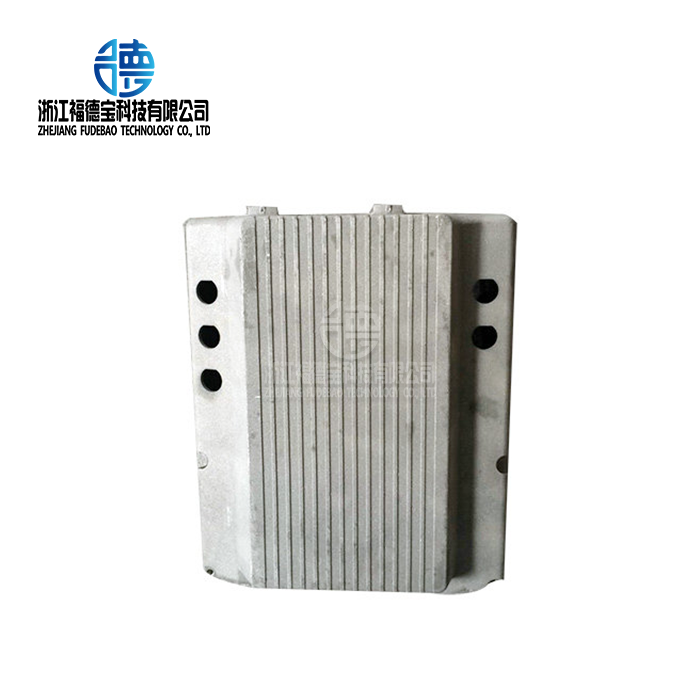
_1756352400994.webp "chassis enclosure")
_1756350046757.webp "Heat sink aluminum casting")