Aluminum Die Casting vs CNC Machining: Which Is More Cost Effective?
2026-06-15
When looking at different ways to make things, aluminum die casting is usually the most cost-effective for large production runs of more than 5,000 units per year. This is because the cost of each part is 40–60% less than with CNC cutting once the prices of the tools are taken into account. CNC machining, on the other hand, is the most cost-effective way to make samples and small amounts of less than 500 pieces because it doesn't require any upfront mold investments and can produce parts with unmatched accuracy. The choice depends on the amount of output, the complexity of the part, the tolerance requirements, and the time limits. These are all things that have a direct effect on your bottom line and the flexibility of your supply chain.
Introduction to Aluminum Die Casting and CNC Machining
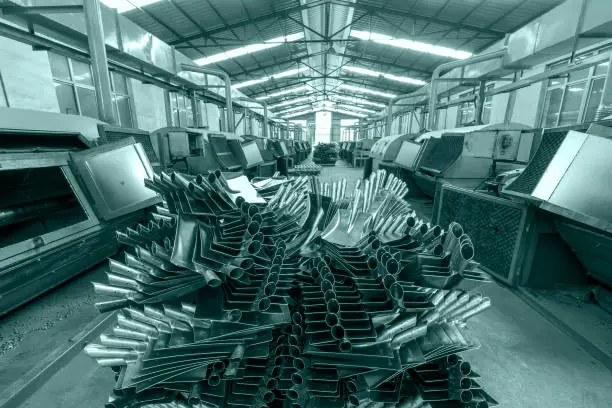
When procurement teams know the main differences between these industrial methods, they can make smart choices that combine quality, speed, and cost. Both ways are very important in modern manufacturing, but they have very different cost structures and technical skills.
The Fundamentals of High-Pressure Die Casting
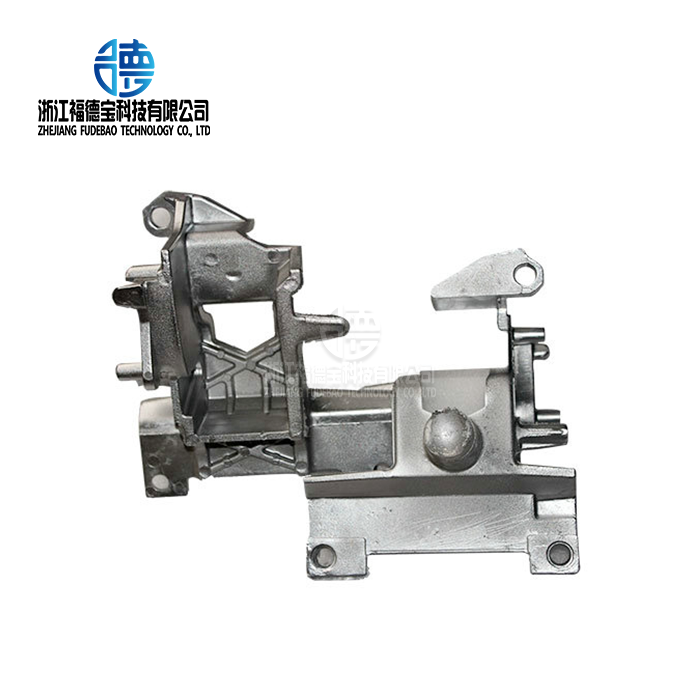
Aluminum die casting is a precise way to shape metal. Molten aluminum alloy, usually A380, ADC12, or AlSi9Cu3, is poured into steel molds that have been hardened under pressures of up to 30,000 psi. This High-Pressure Die Casting (HPDC) method is great for making parts with complicated shapes that have features built in, like mounting points, ribs, and bosses. The process gets rid of steps in the building process that would normally need welding or fixing. This directly addresses the problem in the industry of making manufacturing less complicated while keeping the structure's integrity. Manufacturers of cars use this skill to make gearbox housings with built-in cooling lines and bolt patterns. This helps them cut weight, which is important for meeting fuel economy standards.
CNC Machining: Precision Through Subtractive Manufacturing
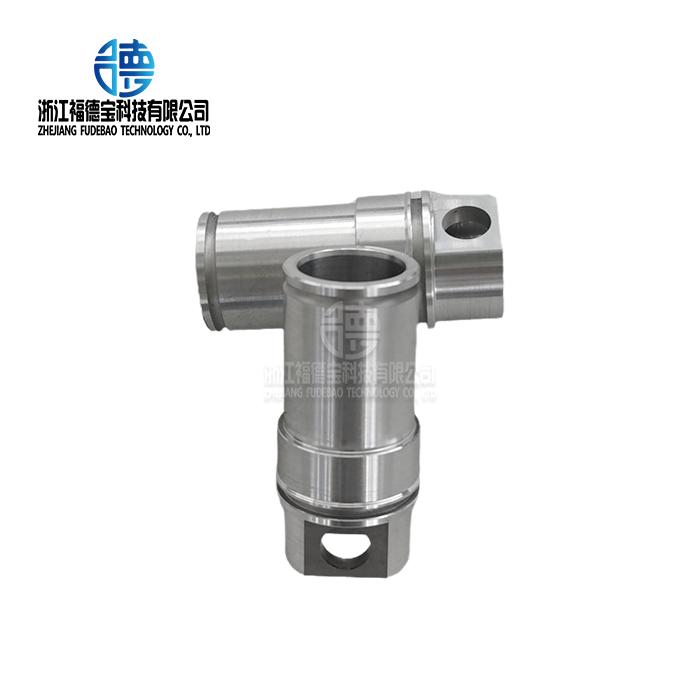
Computer Numerical Control (CNC) machining uses rotating cutting tools that follow pre-programmed directions to take material from solid metal blocks or forgings. This subtractive method can achieve tolerances as small as ±0.01mm, which makes it essential for aircraft parts that need to be precisely measured. CNC processes can work with different types of aluminum, such as 6061-T6 and 7075-T6, which is something that aluminum die casting can't do. The technology is especially useful for making small amounts of parts, like custom sensor housings or trial valve bodies, because it's too expensive to make casting dies. CNC cutting is used by machinery makers to make gearbox parts with precise gear connections and bearing seats.
Why Cost Effectiveness Drives Manufacturing Decisions
Total cost of ownership includes more than just the price per unit. It also includes investments in tools, lead times, material waste, quality consistency, and the need for extra processes. In the car industry, engineering managers have to balance the need for PPAP paperwork on time with limited budgets. In the aerospace industry, quality leaders have to weigh the costs of certification against the need for traceability. The number of parts made becomes the main factor that affects costs, since aluminum die casting's high initial equipment cost only makes economic sense when spread out over thousands of similar parts. On the other hand, CNC machining's low setup costs make it better for making prototypes and small runs of products where design changes are common.
Cost Comparison Between Aluminum Die Casting and CNC Machining
By breaking down the costs of each step, we can find the important levels that determine the best choice. When doing a real-world cost analysis, you need to look at both the obvious costs and the less obvious ones that affect project budgets.
Initial Tooling Investments and Amortization
For precision steel molds, aluminum die casting requires a lot of money up front. Complex multi-cavity tools are also big expenses that need to be spread out over a lot of output. Because these strengthened dies can handle hundreds of thousands of cycles, they are only cost-effective when the number of cycles used is high enough to cover the starting cost. Automotive tier-1 suppliers usually break even between 3,000 and 8,000 units, but this depends on how complicated the part is and how many cavities it has. CNC machining, on the other hand, only needs a few tools—mainly jigs, clamps, and new cutting tools—so projects can start within days instead of the 8–12 week time frame for die manufacturing. This main difference affects strategic buying choices; CNC methods work best for prototyping projects, while casting methods save money for approved production contracts.
Per-Part Economics Across Production Volumes
When the number of units made is less than 500, CNC cutting has lower overall costs, even though each part costs more, because the cost of the tools is so low. Between 1,000 and 5,000 pieces is usually the split point. At this point, the shorter cycle times and better use of materials start to balance out the higher mold prices. When more than 10,000 units are made each year, aluminum die casting has huge cost savings because the cost of each part goes down as the machine is used more and less material is wasted. The complexity of the part has a big effect on these figures. For example, simple brackets with loose tolerances are better suited to casting earlier in the volume curve, while complex aircraft brackets with tight geometric controls may need a combination of cast blanks and CNC finishing operations.
Lead Times and Production Efficiency Impact
Time-to-market issues have financial effects that go beyond the direct costs of production. CNC machining makes fast prototyping possible, with parts shipped in 3–7 days. This shortens the time it takes to build a product, which is important for staying ahead of the competition. Before production can begin, aluminum die casting needs mold creation, manufacturing, and samples, which takes 10 to 16 weeks and delays making money. Once production starts, though, casting cycle times of 30 to 90 seconds per part are much faster than CNC operations, which take 15 to 45 minutes for similar parts. When planning new products, companies that make industrial equipment weigh these factors. For example, they often use CNC-made parts to get into the market quickly while also creating casting tools for mass production.
Technical and Quality Factors Affecting Cost Efficiency
In addition to direct cost comparisons, technical skills and quality results show whether parts meet functional standards without needing costly repairs or failing in the field.
Design Flexibility and Complexity Considerations
Aluminum die casting is great at making thin-wall sections as thin as 1.5 mm, which makes it impossible to machine cheaply lightweight parts. Multiple features, such as mounting bosses, heat sink fins, and cable handling channels, are built into a single casting through this process. Normally, these features would have to be put together from made parts. This design integration gets rid of fasteners, lowers weight, and raises stability, directly helping efforts to make cars lighter and improve the range of electric vehicles. However, casting has design limits that include minimum fillet radii, draft angles for mold release, and limits on undercuts. CNC machining gives you more design freedom because it can handle complex pocketing shapes, sharp internal corners, and walls that are perpendicular to the surface. These features are necessary for precision sensor housings and optical equipment mounts used in defense applications.
Achievable Tolerances and Surface Quality
Standard aluminum die castings have ±0.13mm limits on dimensions for parts smaller than 50mm, which is good enough for structural car frames and electrical enclosure panels. To meet stricter requirements, extra CNC processes are needed, which raises the cost but keeps it low for large orders. CNC machining usually keeps limits of ±0.05mm across all part shapes. This means that it can meet aircraft standards for flange mating surfaces and bearing journals without any extra work. Also, the finishing on the surfaces are different. Cast surfaces have a roughness of 3.2 to 6.3 Ra microns, which is good for powder painting or anodizing, while machined surfaces have a roughness of 0.8 to 1.6 Ra, which is good for sealing surfaces and cosmetic uses. Tolerance standards must be correctly specified by procurement teams, as specifications that are too tight raise costs in both processes.
Defect Patterns and Quality Control Requirements
Aluminum die casting can leave holes in the metal because of gases that get caught during the solidification process. For important aircraft parts, this may require extra inspection methods like X-rays. These risks can be reduced with the right die design, vacuum-assist systems, and squeeze casting methods, but checking the quality costs extra. CNC machining almost never leaves internal flaws, but it can cause measurement mistakes due to tool wear, thermal expansion, or inconsistent fixturing. This is why statistical process control and regular checking are necessary. Understanding these flaw types helps quality teams come up with the right inspection plans, like using detailed CMM checks for machined parts instead of leak tests for cast fluid housings. This helps them stick to reliability standards while staying within their quality assurance budgets.
Application Suitability and Sector-Specific Considerations
By matching production methods to the needs of the business, parts will work as expected while keeping costs down.
Automotive and Transportation Applications
Aluminum die casting is a common way for automakers to make engine blocks, transmission cases, and structural battery housings for electric cars. Making these parts lighter directly improves range and economy. A normal EV battery enclosure that weighs 45 kg when made of cast aluminum would weigh over 135 kg when made of steel, which would have a huge effect on how well the car runs. These parts need to be PPAP-documented and keep their shape at different temperatures, which is something that advanced casting methods can do. CNC machining is used for different purposes in the automobile industry. It makes precise prototype parts for testing while vehicles are being developed and low-volume specialty parts like custom shift knobs or performance brake calipers for limited-edition models.
Aerospace and Defense Requirements
For aerospace uses, the best mix of strength-to-weight ratio, transparency, and accuracy in measurements is needed. Aluminum die castings are often used as rough blocks for structural airplane brackets and electronics housings. These are then CNC-machined to final specs with full material certification and serialization. This mixed method strikes a balance between low cost and strict AS9100 quality standards. Casting is used to create the basic shape at a low cost, while cutting provides important fixing and interface features. Defense companies plan to use both casting and machining. Casting is used for mass production of standard parts, while machining is used for samples and mission-specific changes that need to be made quickly.
Industrial Equipment and Energy Sector Needs
Casting makes it possible to fit coolant tubes and mounting holes into complex shapes, which is useful for industrial gear like pump housings, compressor bodies, and motor frames. In these uses, resistance to heat and pressure is more important than weight reduction, so sand casting or low-pressure casting is often used instead of high-pressure aluminum die casting. Wind turbine housings and solar tracking systems are examples of renewable energy parts that combine cast structural elements with machined precise bearing mounts to get the best cost savings across the whole assembly. Cast aluminum is used by electrical engineers to control heat in power electronics. The material's 120 W/m·K thermal conductivity helps get rid of heat from high-current bus bars and transformer cases.
Procurement Tips and Choosing the Right Manufacturing Partner
Strategic source selection is more than just price; it also includes professional skills, quality processes, and working together to solve problems.
Evaluating Supplier Certifications and Capabilities
ISO 9001 certification is a basic way to make sure of quality, while industry-specific standards like IATF 16949 for cars or AS9100 for aerospace show that sellers know what the needs of those sectors are. Check more than just the certificates—modern high-speed machining machines, multi-axis CNC lathes, and automated aluminum die casting cells with real-time process tracking are all signs of high technical skill. Ask to be shown around the building to see how molds are made in-house. This speeds up the process of changing tools and protects intellectual property. Streamlining supply lines and keeping track of who is responsible is easier when suppliers offer all-in-one services, from the original casting or machining to surface processes like powder coating and anodizing.
Requesting Comprehensive and Comparable Quotes
Effective RFQs list all of the requirements, such as the material grades, tolerance classes, expected surface finishes, yearly numbers, and delivery dates. Ask for quotes that break down the costs of the tools into separate costs for each piece, along with clear payment plans that show how much each part costs at different levels of volume. Ask your sellers to find ways to cut costs by changing the design, using different materials, or improving the way the process works. Partners who offer engineering help show that they care about you beyond just doing business with you. When comparing quotes, you should think about the total landed costs, which include packing, shipping, and keeping an eye on goods. Keep in mind that sellers far away who offer low piece prices may not be worth the extra money when logistics costs are taken into account.
Balancing Small-Batch Flexibility with Volume Production
When it comes to suppliers, prototypes and small batches often need different ones than high-volume production, but suppliers who can handle both types of work can help with planning the shift. CNC experts are great at making quick prototypes, and aluminum die casters are experts at making mass production as efficient as possible. Hybrid makers that have both of these skills make the process of going from development to production smoother, so there are no problems with translating designs between processes. Talk about your supplier's capacity limits right away. If they are already overloaded with current numbers, they won't be able to handle growth, but if they invest in more cells, it shows they are willing to grow with your needs.
Conclusion
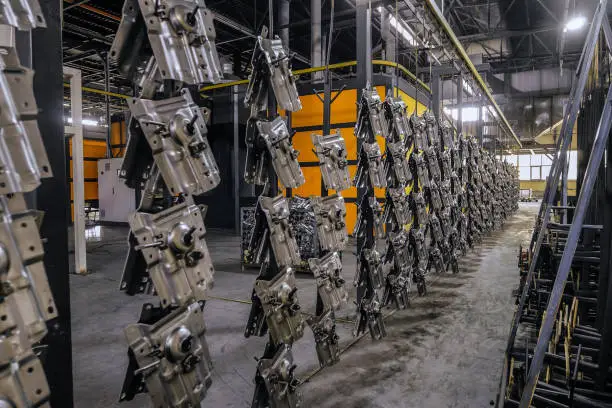
Picking between CNC cutting and aluminum die casting relies on the amount of parts being made, how complicated they are, how close tolerances need to be, and how long the project needs to be finished. Aluminum die casting is the most cost-effective way to make large quantities (more than 5,000 units per year), because it can make parts with complicated shapes that fit together well and cost little per piece once the tooling is paid for. CNC cutting is most often used for testing and low-volume jobs (less than 1,000 pieces), because it allows for flexible design and quick production without having to buy expensive tools. When you use strategic procurement, you can either machine samples while making casting molds, or you can cast blanks that have important features machined. This way, you can meet technical requirements and keep costs low over the lifespan of the product.
FAQ
What are the primary cost drivers when choosing between casting and machining?
The most important thing is the number of pieces that are made. For example, aluminum die casting needs more than 5,000 pieces a year to cover the cost of the tools, while CNC milling works well with less than 1,000 pieces. In both processes, the total cost of the project is also affected by how complicated the parts are, how much material is wasted, and the tolerances that are required.
Can design requirements dictate process selection regardless of volume?
Of course. Extremely tight tolerances of less than 0.05 mm or complicated internal shapes with walls that are straight may require CNC cutting even when large quantities are needed. On the other hand, thin-wall pieces (less than 2 mm thick) or combined multi-feature designs are better for aluminum die casting, even in small amounts where machining would not be cost-effective.
Is combining aluminum die casting with CNC machining feasible in production?
Hybrid methods are common and save money by using cast blanks to set up the basic shape and then CNC-machining important parts that need to be exact. This plan strikes a balance between the material efficiency and cycle speed of casting and the accuracy of machining's measurements, which lowers the overall cost of production.
Partner with a Trusted Aluminum Die Casting Manufacturer
Zhejiang Fudebao Technology has decades of experience in both precision CNC machining and aluminum die casting. They work with car OEMs, aerospace makers, industrial equipment producers, and clients in the energy sector around the world. Our building is ISO-certified and has high-pressure die casting machines, low-pressure casting systems, high-speed CNC machining centers, and automated finishing processes. It can handle everything from molten metal to finished parts with tolerances of up to ±0.05mm. Whether you need a prototype, small-batch production, or high-volume production of more than 100,000 units per year, our engineering team works with your sourcing and design experts to make sure that part design, material selection, and process planning are all done in the best way possible. You can ask for a thorough cost comparison study for the parts you need or set up a meeting with one of our application engineers to talk about technical issues. Fudebao Technology can be reached at hank.shen@fdbcasting.com or fdbcasting.com to find out how our combined casting and machining services can lower your overall buying costs and shorten the time it takes to get your product to market.
References
North American Die Casting Association (NADCA). "Product Specification Standards for Die Castings Produced by the Semi-Solid and Squeeze Casting Processes." 2019 Edition.
ASM International Handbook Committee. "ASM Handbook Volume 15: Casting." Materials Park, Ohio: ASM International, 2008.
Kalpakjian, Serope, and Steven Schmid. "Manufacturing Engineering and Technology." Seventh Edition. Upper Saddle River: Pearson Education, 2014.
Society of Manufacturing Engineers. "Fundamentals of Tool Design." Sixth Edition. Dearborn, Michigan: SME, 2013.
Boothroyd, Geoffrey, Peter Dewhurst, and Winston Knight. "Product Design for Manufacture and Assembly." Third Edition. Boca Raton: CRC Press, 2011.
American Foundry Society. "Aluminum Casting Technology." Second Edition. Des Plaines, Illinois: American Foundry Society, 2004.



YOU MAY LIKE
_1756361323684.webp "column guide sleeve")
_1756352822273.webp "Stainless steel plugs")
_1756349794241.webp "round belt pulley")