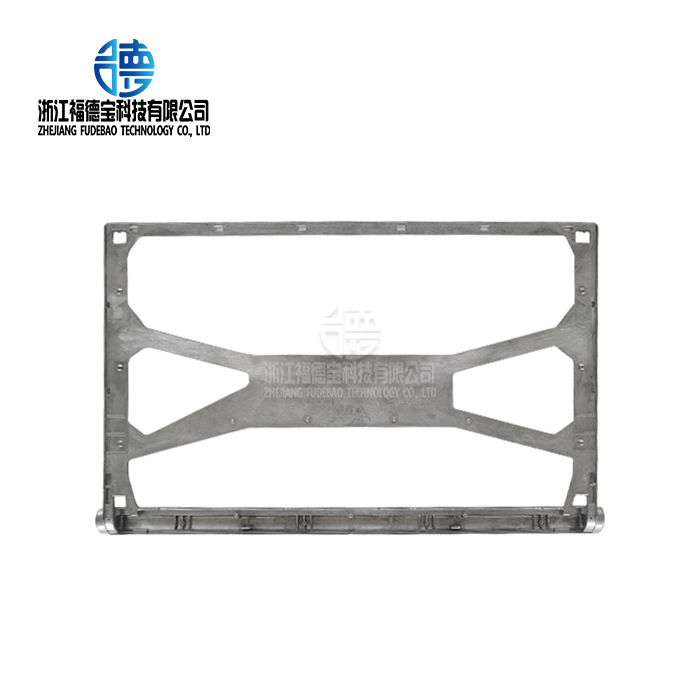
Copper Casting vs Aluminum Casting for Thermal Management Applications
2026-06-15
When engineering managers and buying directors look at thermal management options, the choice between copper casting and aluminum casting has a direct effect on how well heat is dissipated, how long the parts last, and the total cost of ownership. Copper casting has a thermal conductivity that is about four times higher than aluminum. This makes it essential for high-performance heat exchanges, electrical motor housings, and parts that distribute power. But aluminum molds offer a good mix of good thermal performance, low weight, and low material costs. They are especially good for housings in cars, cases for industrial equipment, and structural elements in spacecraft. Knowing how the natural qualities of each material match up with your application needs helps you make better choices about where to buy things and how to make thermal systems work better.
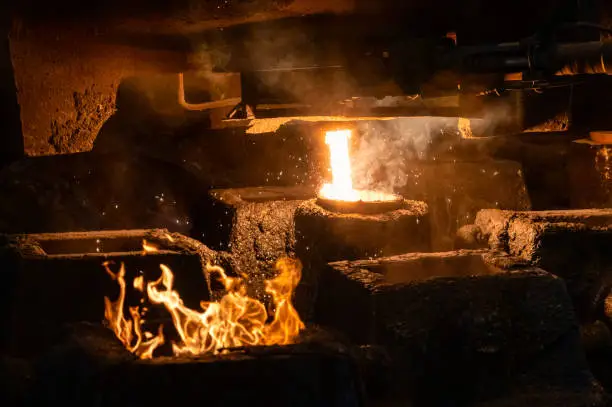
Understanding Copper Casting and Aluminum Casting in Thermal Management
Core Material Properties and Casting Fundamentals
Copper casting alloys, such as high-conductivity copper, aluminum bronze, and silicon bronze, are designed to move heat quickly in situations where it's necessary. When heated to high temperatures, these metals keep their shape and don't expand much, which keeps precision parts from losing their dimensions. Most of the time, aluminum alloys like A356, A380, and 6061 are chosen because they have a good strength-to-weight ratio and don't rust. This is especially true in car and aircraft uses where reducing mass directly affects fuel economy and payload capacity.
Our factory at Fudebao Technology works with both types of materials by carefully melting them and precisely filling molds. This makes sure that there isn't much gas trapped and that the grain structure is regular. Pure copper has a heat conductivity of about 400 W/m·K, while aluminum alloys usually have a range of 120–180 W/m·K. This difference in size is very important when figuring out how much surface area heat exchanges need or how thick the walls should be for motor housings in green energy systems.
Typical Casting Methods and Their Thermal Implications
It is still possible to use sand casting for complicated shapes and small amounts of output, which lets you make complex cooling channels inside copper heat sinks or metal transmission housings. Low-pressure casting and die casting create better surface finishes and tighter standards for sizes, which is important for parts that need little post-machining. By centrifugally casting copper alloys, dense, porous cylindrical parts like bushings and sleeves are made. Even heating stops hotspots from forming in spinning electrical equipment.
Die casting aluminum lets a lot of uniform thermal management parts be made with wall thicknesses as low as 2 mm. This supports lightweight designs in battery cases for electric vehicles and power electronics modules. Each process has an effect on the end thermal performance. In badly managed processes, porosity and inclusions act as thermal insulators, lowering the effective conductivity by 15–30%.
Key Thermal Performance Comparison: Copper Casting vs Aluminum Casting
Heat Transfer Efficiency and Design Considerations
Copper casting is a better thermal conductor than other materials, so engineers can make heat disposal systems that are smaller and use less material. A copper heat sink can cool just as well as an aluminum one while taking up only about 40% of the space. This is very important in situations where space is limited, like industrial motor controllers or aircraft electronics. Copper has a density of 8.96 g/cm³, while aluminum only has a density of 2.70 g/cm³. This means that a copper part weighs more than three times as much as an aluminum part of the same size.
Aluminum molds are great for things like car engine parts and airplane structure housings where weight reduction is more important than perfect thermal performance. Copper has a melting point of 1085°C, while this material's is only 660°C. This lower melting point also saves energy during casting and speeds up production cycles, both of which buying teams need to think about when looking at total cost models.
Mechanical Strength and Environmental Durability
Thermal management is the main factor in the selection process, but mechanical performance under working stress is also very important. Tensile strengths of aluminum bronze castings are higher than 600 MPa, making them good for naval engine parts and offshore wind turbine housings that need to be resistant to both heat and corrosion. Standard aluminum alloys have tensile strengths between 250 and 350 MPa, which are strong enough for most car and industrial equipment uses as long as they are built correctly and with the right safety factors in mind.
The way these materials react to corrosion is very different. Copper alloys form patinas that protect and stabilize over time. This is especially useful in electrical systems where dependability over the long term is very important. Aluminum has a natural oxide layer that protects it from rusting in air, but in harsh chemical conditions, it may need to be anodized or coated. Both materials are non-sparking, which is a safety trait that is required in ATEX-regulated dangerous areas.
Manufacturing and Process Factors Impacting Thermal Management Parts
Critical Process Controls for Thermal Conductivity
To get the desired temperature performance, the whole casting process needs to be closely monitored. Gas porosity, which mostly comes from absorbing hydrogen when something melts, makes tiny holes that stop heat from moving through it. This problem is fixed by Fudebao Technology by using neutral gases to get rid of gases (nitrogen or argon purging) and adding deoxidizers like phosphor copper for copper alloys or titanium-boron refiners for aluminum melts. These metalworking steps lower the porosity to less than 2% by volume, which keeps the thermal conductivity at about 5% of its theoretical peak.
Directional solidification, which is made possible by designing the gate system better and controlling the cooling rate, makes sure that crystals form gradually from thin sections to feeds. This stops shrinking porosity in important thermal paths. This is especially important in complicated shapes like finned heat exchangers or motor housings with internal channels. Then, our CNC machining centers take away the controlled cutting margin of 1.5–6 mm to reveal defect-free areas that will make the best thermal contact during assembly.
Defect Prevention and Quality Assurance Protocols
Common flaws in casting directly hurt the performance of heat management. When metal streams don't completely fuse together, they form cold shuts that act as heat shields inside the component wall. When solidification goes wrong and there is too much thermal stress, hot tears happen. These tears create crack paths that spread when the temperature changes. We use real-time mold temperature tracking and controlled filling speeds to keep the fluidity just right and stop the mixture from solidifying too quickly or creating too much turbulence, which can carry oxides.
For heat management parts, the required level of accuracy in dimensions is usually ±0.1mm for connecting surfaces and ±0.05mm for precision-machined features. Our unified method, which includes melting, casting, finishing, and surface treatment, makes sure that parts meet the PPAP paperwork standards needed by automakers and keep the tracking requirements set by aerospace quality directors.
Cost, Procurement and Supply Chain Considerations
Total Cost Analysis Beyond Raw Material Pricing
Copper's price as a product ranges from $8 to $10 per kilogram, while aluminum's price ranges from $2 to $3 per kilogram. This means that the instant difference in raw material costs is 3 to 4 times. But sourcing leaders need to look at the total cost of ownership, which includes the costs of machining, surface treatment, and replacements over the product's lifetime. Copper casting is better than aluminum at resisting wear and corrosion, so in demanding uses, copper parts often last 50–100% longer than aluminum ones. This saves money on repair costs and system downtime.
Aluminum is cheaper to process because it melts with less energy and solidifies faster, which cuts cycle time by 30 to 40 percent in high-volume die casting operations. To keep molds from wearing away too quickly, copper alloys need stronger cast materials and slower production rates. This raises the cost of making each unit. Procurement teams have to weigh these factors against the performance needs of the individual application. For example, a premium heat exchanger in industrial machinery may be worth the higher initial cost because it allows for longer periods of operation between repair shutdowns.
Supplier Capability Assessment and Lead Time Management
To rate producers, you have to look at how well they manage the whole process chain. Vertical integration at Fudebao Technology gets rid of the handoff delays and inconsistent quality that come with supply lines that use more than one provider. This includes melting alloys, precision machining, and surface finishing. With our low-pressure casting tools and high-speed machining centers, we can make custom copper casting components in 4 to 6 weeks and aluminum parts in 3 to 4 weeks. We can also make batches as small as 50 units or as large as 10,000 units.
Environmental compliance has become a top focus in buying, especially when it comes to managing trash and foundry emissions. Our closed-loop recovery method gets back 95% of the process scrap, which is better for the environment and keeps material costs stable. Lead-free copper alloys like bismuth bronze meet NSF/ANSI 61 standards for potable water systems, and our aluminum methods are in line with REACH rules for European markets. These are important things for international OEMs that are in charge of handling global supply chains to keep in mind.
Choosing the Right Casting Technique for Thermal Management Applications
Industry-Specific Selection Criteria
More and more, automotive thermal management systems choose aluminum die molds for battery thermal plates and power electronics housings. This is because lighter parts directly increase a vehicle's range. Manufacturers of electric vehicles need aluminum alloys that can conduct heat more than 150 W/m·K. This can be done by increasing the amount of silicon in the metal and heating it to T6. These parts have complicated coolant lines inside them that need to be cast precisely using multi-slide tools, which requires a lot of money to be spent on mold creation.
Copper casting alloy parts are often the best choice for industrial gear and heavy equipment where temperatures can go over 200°C and heat cycling can go over 100,000 times. Copper's longevity is shown in mining equipment by its compressor housings, hydraulic valve bodies, and gearbox cooling passages. These parts stay the same size and work well at transferring heat for 15 to 20 years in rough, high-vibration settings.
For switchgear connections, transformer housings, and motor end bells where both electrical and thermal conductivity need to be increased at the same time, the electrical and energy sectors request high-conductivity copper casting. Copper is better at conducting heat, but aluminum's rust resistance, electromagnetic transparency, and lighter weight make it more useful in green energy systems like solar inverter housings and wind turbine nacelle covers.
Real-World Application Examples
A major car provider worked with our team to change the housings for transmission oil coolers from aluminum to copper casting alloy. This cut the size by 35% and increased heat rejection by 40%. The 200-gram rise in component weight was okay because it saved room and improved thermal performance, which got rid of warranty claims about the transmission overheating when pulling.
On the other hand, an aircraft client needed copper-aluminum hybrid assemblies to cool electronics. Copper base plates spread heat from high-power semiconductors locally, while aluminum fins and housings kept the total weight low. Our precise cutting skills kept the copper-aluminum surface flat within 0.02 mm, which made sure that the thermal contact resistance was less than 0.1 K·cm²/W after assembly.
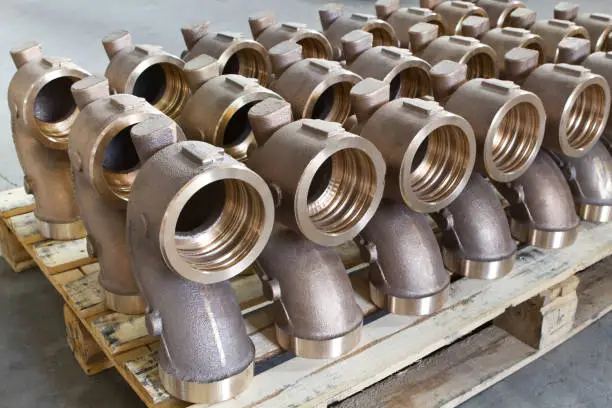
Conclusion
To choose between copper casting and aluminum casting for thermal management tasks, you need to carefully look at the weight limits, weather factors, thermal performance needs, and total cost models. Copper alloys have the best thermal conductivity and last the longest. They are used in high-performance electrical, naval, and industrial settings where heat absorption efficiency is worth the extra cost of materials and processing. When weight reduction, cost-effectiveness, and good thermal performance are all important, aluminum castings are the best choice for automobile, aircraft, and moderate-duty industry equipment. Good purchasing plans look at how well suppliers can control the production process, make sure measurements are correct, and keep quality records, all while taking wait times and batch flexibility into account. Both materials are important for heat management, but it can be hard to match the qualities of the materials to the performance requirements of each application.
FAQ
Can copper and aluminum castings be combined in hybrid thermal assemblies?
More and more designs are hybrid, especially in aircraft and power electronics. Copper base plates spread heat out from sources that are close together, and metal fins and housings make the system lighter. Galvanic corrosion can be stopped by carefully designing joints and using insulating surfaces or protective coats. Different materials used at the thermal contact must be able to handle the different rates of thermal expansion (17 µm/m·K for copper and 23 µm/m·K for aluminum) so that the joint doesn't break when the temperatures change.
What lead times should procurement teams expect for custom thermal management castings?
Lead times depend on how complicated the part is, what tools are needed, and how much is being made. For production numbers, aluminum die castings that use current tools can be shipped in 3–4 weeks. On the other hand, making a new mold takes an extra 6–8 weeks. Custom copper casting typically takes between 4 and 6 weeks for sand-cast parts and 8 to 10 weeks for new centrifugal casting tools. There is the option to rush production for pressing needs, but there may be a minimum order quantity needed to support quick scheduling.
How do casting defects specifically impact thermal efficiency in heat dissipation components?
By making air-filled holes, porosity lowers effective thermal conductivity. A 3% volumetric part of gas porosity lowers conductivity by about 20%. Shrinkage porosity that is concentrated in high-heat-flux paths makes hotspots that speed up thermal wear. Oxide particles keep heat from moving, which is a problem in heat exchanger fins with thin walls. To make sure that their samples are free of flaws that would hurt performance, good makers use X-rays and thermal conductivity tests on representative samples.
Partner with a Trusted Copper Casting Manufacturer for Your Thermal Management Needs
Zhejiang Fudebao Technology has become a leading company in metal casting and precision machining. It works with car OEMs, industrial equipment makers, and aircraft clients all over the world. We can make thermal management parts from blanks to final products with ±0.05mm accuracy thanks to our combined production capabilities that include low-pressure casting, die casting, CNC machining, and advanced surface treatments. We know what strict quality standards and paperwork procurement teams need because we are a direct supplier to foreign names like American HAAS automation systems and ESS energy storage solutions. Our engineering team works with your specs to find the best thermal performance, manufacturing ease, and total cost, whether you need high-conductivity copper casting for electrical infrastructure or lightweight aluminum housings for car uses. Get in touch with our technical expert Hank Shen at hank.shen@fdbcasting.com to talk about your needs for thermal control components, get specific quotes, or learn more about what we can do at fdbcasting.com.
References
Davis, J.R. (2001). Copper and Copper Alloys: ASM Specialty Handbook. ASM International, Materials Park, Ohio.
Kaufman, J.G. & Rooy, E.L. (2004). Aluminum Alloy Castings: Properties, Processes, and Applications. ASM International, Materials Park, Ohio.
Campbell, J. (2015). Complete Casting Handbook: Metal Casting Processes, Metallurgy, Techniques and Design (2nd ed.). Butterworth-Heinemann, Oxford.
American Society for Testing and Materials. (2019). ASTM B584-19: Standard Specification for Copper Alloy Sand Castings for General Applications. ASTM International, West Conshohocken, PA.
Reitz, W. & Rawers, J. (2012). Thermal Management Materials in Electronics and Energy Applications. Journal of Materials Engineering and Performance, 21(7), 1563-1571.
Liu, Z., Wang, Q., & Xiao, B. (2018). Comparative Analysis of Thermal Conductivity in Cast Copper and Aluminum Alloys for Heat Exchanger Applications. Materials Science and Engineering: A, 732, 301-309.



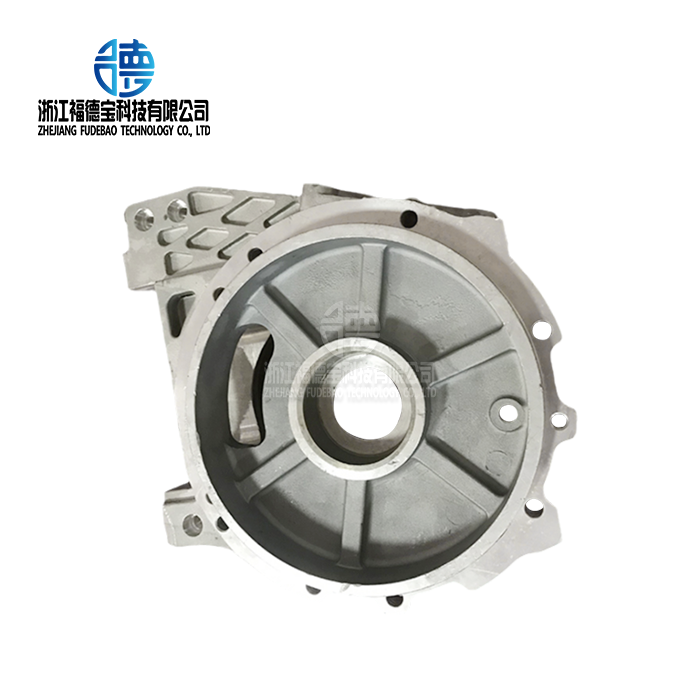
_1756346371362.webp "separator housing")
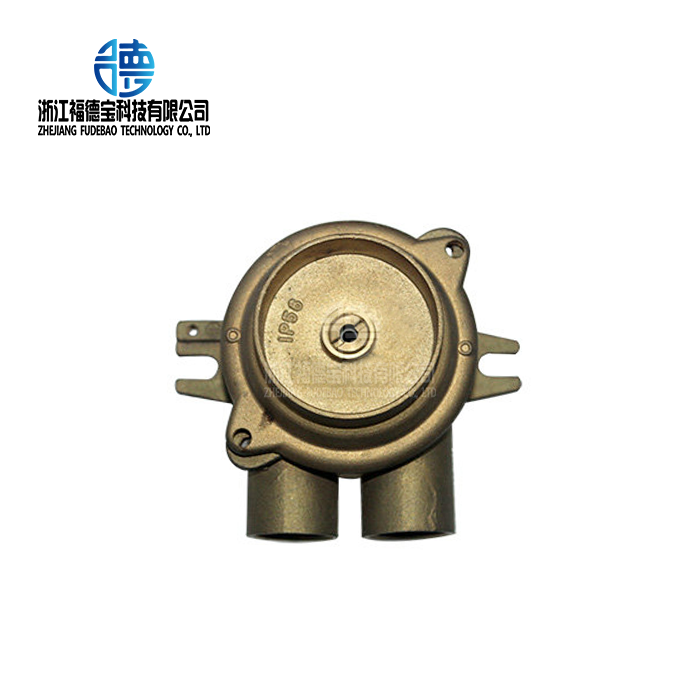
_1756352400994.webp "chassis enclosure")
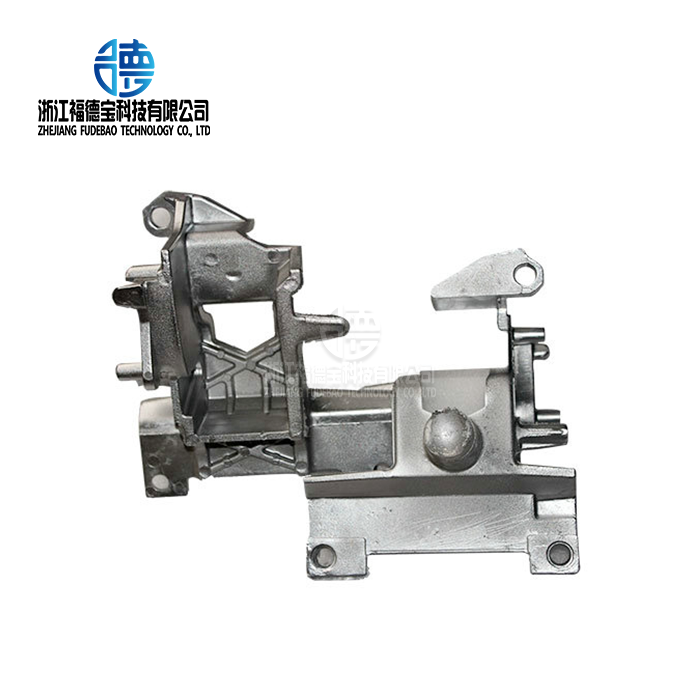
_1756346613780.webp "Aluminum tent base Casting")