Why Aluminum Die Cast Parts Are Ideal for Lightweight Engineering Designs
2026-06-15
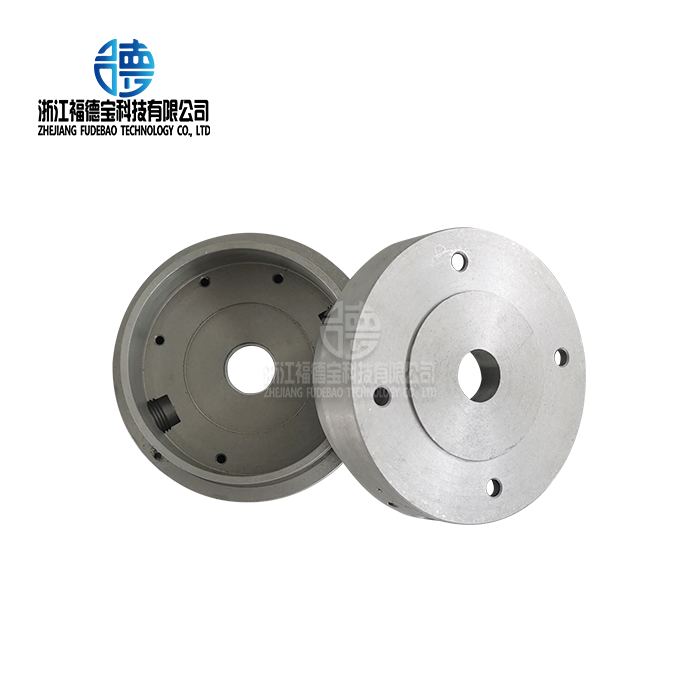
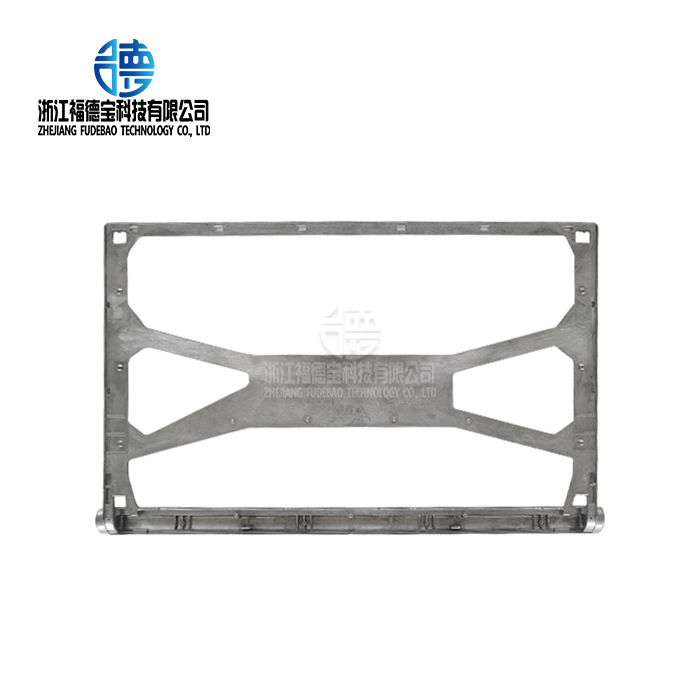
Aluminum die casting is now the main way that lightweight engineering is done in many fields that need strength without bulk. Molten aluminum alloys, like A380, ADC12, and AlSi9Cu3, are poured into precise steel molds using high-pressure die casting (HPDC). This makes complicated shapes with very accurate measurements. This process solves the important engineering problem of lowering the mass of parts while keeping the structure strong and keeping production costs low. Die cast parts made of aluminum have a density about one-third that of steel. This means that they are lighter, which directly leads to better fuel economy in cars, longer battery life in electric powertrains, and higher payload capacities in industrial settings.
Understanding Aluminum Die Casting and Its Role in Lightweight Engineering
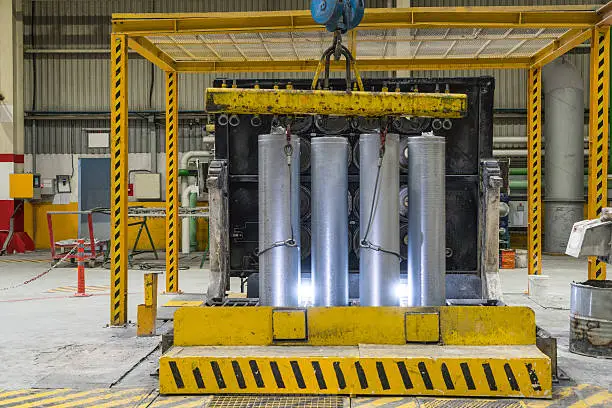
Pressures ranging from 1,500 to over 30,000 psi push liquid metal into hardened steel molds. This high-pressure injection makes it possible to make sections with thin walls, sharp corners, and built-in features like fastening tabs and bosses in seconds per cycle. The process is very different from sand casting, which has slower cycle times and less accurate measurements. This makes it perfect for mass production where accuracy is a must across millions of parts.
Alloy Selection and Process Variations
The choice of material has a big effect on the end part's properties. The A380 metal is the most common material used in cars in North America because it is good at filling molds and has balanced mechanical qualities. The ADC12, which is popular in Asian countries, has better die life and protection to corrosion. Some aerospace projects call for A356 because it has better tensile strength and flexibility, but this usually needs to be heated after casting. Hot chamber die casting works best with materials that melt at lower temperatures, like zinc. Cold chamber machines, on the other hand, handle aluminum's higher melting point by adding small amounts of metal to the shot chamber one at a time.
Mechanical and Physical Advantages
The strength-to-weight ratio is very noticeable: aluminum parts have the same specific strength as many steels but weigh 66% less. This trait changes everything about transportation because every kilogram that is taken away makes movement, stopping, and energy use better. Because it has a thermal conductivity of about 96–120 W/m·K, die cast aluminum is a better material than steel or plastic for heat sinks in 5G base stations and EV battery housings. The natural oxide layer that forms on aluminum surfaces protects against corrosion, so it can last longer in tough outdoor and sea settings without any extra coatings. However, powder coating or anodizing can make it last even longer if the specs call for it.
Industry Applications Driving Adoption
Die-cast gearbox housings, engine brackets, and structural nodes are used by automakers because they weigh 15% to 20% less than steel versions of the same parts. Aerospace makers make lightweight brackets and casings that meet strict tracking standards. Throughout its entire lifecycle, each casting carries serialized paperwork. Die-cast pump housings and gearbox covers are used by companies that make industrial equipment. They are made to handle constant shaking and temperature changes. Aluminum die casting is used by companies that make electrical equipment for motor housings and connector bodies because it is a good conductor and an electromagnetic shield. When paired with the right seals, it can also meet IP65/IP66 closing standards.
Comparing Aluminum Die Casting with Other Manufacturing Methods
When procurement workers are looking at different manufacturing choices, they need to know how aluminum die casting compares to other methods. Each method has different pros and cons when it comes to the qualities of the material, the cost of production, wait times, and the shapes that can be made. Knowing these differences keeps you from making costly mistakes when matching the needs of a component with the route you choose for making it.
Aluminum Die Casting Versus Sand Casting
Larger parts and smaller production quantities can be made with sand casting, but the surface finish and accuracy of the dimensions are lost. Tolerances for sand casting are usually ±0.5mm, while tolerances for die casting are usually ±0.1mm or less. Because sand molds make the surface rough, a lot of extra grinding is needed, which costs more and takes longer. Because die casting leaves a smooth finish as-cast, non-critical areas often don't need to be machined at all. This lowers the cost per unit as production levels rise above 5,000 pieces per year. Different cooling rates lead to very different grain structures with better mechanical qualities. Die casting quickly solidifies, while sand casting cools more slowly, resulting in large grains.
Comparison with Zinc and Magnesium Die Casting
Zinc is even better at die-filling and has tighter standards than aluminum, but it is 60% denser than aluminum, so it doesn't make things lighter. It is 35% lighter than aluminum and has the lowest density of all construction metals. However, it is more expensive to work with and can catch fire during casting, so it needs to be handled in a certain way. Aluminum is the best metal for most lightweight engineering uses because it is strong enough, can be made with established production methods, and doesn't cost too much. Magnesium might be the best choice for projects that want to cut weight as much as possible at the cost of higher prices, while zinc might be the best choice for projects that can handle higher mass for better physical stability.
Plastic Injection Molding Versus Metal Casting
In some situations, engineering thermoplastics can compete because they have the same or less weight and a lot of design options. Plastics are great at keeping electricity away and resisting chemicals, but metal is better at being structurally strong, withstanding heat, and shielding electromagnetic waves. A motor housing made of die-cast aluminum stays the same size at 150°C continuous operation and provides grounding lines and RFI protection, which is something that polymer materials can't do. Sometimes, die-cast aluminum frames and plastic covers are used together in hybrid forms to use the best qualities of each element in a single unit.
Steel Fabrication and Machined Components
Welded steel units are very strong, but they are also very heavy. Fabrication includes many steps, such as cutting, shaping, welding, and finishing. Each step adds to the cost of work and changes the size of the piece. Die casting combines several manufactured parts into a single casting, which gets rid of the need for tools and speeds up the assembly process. CNC machining from a solid billet gives the best accuracy and material qualities, but it's too expensive to do in numbers larger than prototypes. When you die cast something and then use CNC finishing on important parts, you can get near-net-shape prices and machined-quality areas where the specs call for them.
Design and Process Considerations to Maximize Lightweight Benefits
To get the best lightweight performance, engineering teams need to use aluminum die casting design-for-manufacturing concepts. Both weight economy and structural adequacy are directly affected by things like wall thickness, ribbing methods, draft angles, and how defects are fixed. When design engineers and casting technical teams work together during the idea phase, expensive changes to the tools and performance losses are avoided later on.
Wall Thickness Optimization and Structural Reinforcement
Though thin walls are lighter, they can cause problems like incomplete fill or holes if they are pushed past the limits of material flow. Aluminum die casting can safely make sections as thin as 1.5 mm, but 2.5–3.5 mm is a good range for balancing weight, strength, and production yield. Having walls that are all the same width helps keep things cool and reduces stress inside. When thicker parts can't be avoided, coring methods take material from the inside, keeping the outer surfaces stiff while reducing mass. Adding gussets and ribs in the right places increases bending resistance without adding much weight. For example, ribs that are put 50–70% of the thickness of the adjacent wall avoid sink marks while improving structural efficiency.
Draft Angles and Ejection Considerations
When there is enough draft, usually between 1 and 3 degrees, cast parts can come out of dies without damaging the surface. When there isn't enough draft, ejection lines, dimensional warping, or tool galling happen, which shortens the life of the die. Deep pockets and tall bosses need more draft, which can mean split cavity designs or side-action tools that make the mold more complicated and cost more. Designing with manufacturability in mind cuts down on tooling costs and cycle times, which directly improves the economics of the project.
Cooling Process and Microstructure Control
The speed of solidification has a big effect on the mechanical qualities. When die casting, fast cooling makes fine-grain microstructures that are stronger and harder than sand casts that cool more slowly. Controlled die temperatures, which are kept steady by built-in cooling ducts, make sure that the quality of each part is the same across production runs. Overheating in certain areas creates hot spots that let gaps form, and cooling too much creates cold shuts where metal fronts don't bond properly. Advanced modeling software models how metal flows and reacts to heat during design evaluation. This finds any problems that might exist before the steel is cut for the tools.
Common Defects and Mitigation Strategies
Parts become weaker when trapped gas or shrinking causes holes, which can lead to leaks in pressure-holding situations. Porosity can be kept to a minimum with vacuum-assisted casting methods, proper venting design, and improved filling speeds. Blisters on the surface mean that gas has expanded below the surface during heat treatment or cutting. This risk is eliminated by vacuum degassing liquid metal before injection. When the metal temperature goes below the ideal fill temperature, cold shuts and flow lines show up. These problems can be fixed by changing the process settings or redesigning the gates. Foundries that care about quality use statistical process control and real-time process tracking to keep defect rates below 0.5% across all output volumes.
Procurement Insights: Choosing the Right Aluminum Die Casting Supplier
The choice of supplier for aluminum die casting is just as important to the success of a project as the quality of the design. Foundries that are good at what they do bring more than just machines to make things. They also have ways for engineers to work together, quality systems, reliable supply chains, and cultures of ongoing growth that have a direct effect on how well your product works and how competitive your company is.
Quality Standards and Certification Requirements
For automotive jobs, you need to have IATF 16949 approval, which shows that you know how to control processes and make improvements all the time. For special processes, aerospace companies need both AS9100 and NADCAP certification. ISO 9001 is the standard for quality management, but it's not enough to guarantee important uses by itself. Ask for proof of certification and the right to check in supply deals. Check to see if foundries have their own measurement labs with coordinate measuring machines, spectrometers for checking the alloy, and tension test equipment, or if they hire outside inspectors, which takes more time and leaves gaps in quality control.
Technical Capabilities and Flexibility
Production-scale foundries are great at making large quantities of something, but they aren't always quick enough for special small-quantity projects or fast prototyping. Check to see if the sources you're considering do both die casting and CNC milling under the same roof. Integrated facilities cut down on lead times and communication problems. Make sure they can create and build molds. Do they do this themselves, or do they hire outside companies to do it? Internal knowledge of tooling speeds up iterations and improves communication between changes to the mold and production optimization. Whether you need to deal with multiple sellers or get finished parts from a single source depends on the surface treatment options, such as powder coating, anodizing, and chromate conversion.
Pricing Structure and Lead Time Analysis
Small-volume projects have high costs for tools. Die sets for complicated car parts can cost anywhere from $25,000 to over $150,000, based on the size, number of cavities, and complexity of the features. When you share the cost of a $60,000 tool across a lot of parts, the cost per unit drops by a huge amount: a $60,000 tool that is used on 100,000 parts costs $0.60 per part, while the same tool used on 10,000 parts costs $6.00. Piece price for casting is based on the cost of materials, cycle time, and output rate. Lead times are usually between 12 and 16 weeks for making tools and samples, followed by ramping up production. When plans are sped up through rush programs, full mold validation is often skipped, which can lead to quality problems during production. Transparent providers give thorough quotes that break down tooling, piece price, and secondary processes instead of big numbers that make it hard to see what the real costs are.
Geographic and Partnership Considerations
Global supply lines weigh the benefits of lower costs against the difficulties of transportation, protecting intellectual property, and communicating. Asian foundries have competitive prices, but shipping takes longer and there may be language hurdles when fixing technology problems. Because they are closer, North American and European providers often charge more per piece, but they offer faster lead times, easier site visits, and time zones that are more aligned. Look at the total landed cost, which includes freight, taxes, and the cost of keeping the product on hand, instead of just the piece price. Strategic OEM relationships where providers buy specialized tools and capacity make both parties more committed, but they also make it harder to change where you get your supplies. When you use a balanced strategy, you keep two sources for important parts and build strong relationships with your key partners.
Effective RFQ Best Practices
Request-for-quote packages with lots of details speed up the process of getting exact prices and cut down on confusion. Include 3D CAD models in either native or STEP format, 2D drawings with GD&T callouts, material specs, annual volume forecasts with order patterns, instructions for quality paperwork, and packing and shipping. Say whether your company or the seller owns the tools. This affects how you get quotes and how flexible you can be in the future when it comes to buying. To figure out how good the quality is, ask for examples or first-article inspection reports from projects that are similar. Make sure you understand the payment terms, how the tools will be paid for over time, and how the piece price will change when the cost of materials changes or the number changes.
Future Trends and Innovations in Aluminum Die Casting for Lightweight Engineering
Aluminum die casting for Lightweight Engineering: Future Trends and Innovations is being pushed forward by material science breakthroughs, digitization, and the need to be more environmentally friendly. Keeping up with new technologies helps procurement teams predict changes that could give them a competitive edge or hurt long-standing source relationships.
Advanced Alloy Development
Scientists are working on making aluminum metals that have better qualities for certain uses. High-performance versions use scandium or other rare earth elements to make them stronger than steel while keeping the light weight of aluminum. These special metals are good for aircraft parts where better performance justifies the higher price. As automakers try to be more environmentally friendly, the amount of recovered aluminum in casting alloys goes up. Modern alloys can contain up to 85% recycled material without changing their mechanical properties, which cuts their carbon footprint by 40% compared to pure aluminum.
Integration with Additive Manufacturing
The output efficiency of die casting is combined with the geometric freedom of additive manufacturing in hybrid methods. Foundries use 3D-printed sand cores to make complicated internal passages that can't be made with regular tools. They then mold metal around these cores. This method lets you make the best cooling channels for temperature management or internal strengthening structures that get the best strength-to-weight ratios. Additive manufacturing also speeds up prototyping. For example, printed metal samples can be used to test ideas before they are made into production tools, which cuts development processes by weeks.
Industry 4.0 and Smart Manufacturing
In real time, connected sensors in all of the casting cells check the temperature of the metal, the input pressure, the temperature of the die, and the cycle time. Machine learning algorithms find small links between small changes in the process and the occurrence of defects. This allows for predictive quality control that stops problems before they happen instead of finding them after the fact. Digital twin simulations make models of whole production systems that help plan repair schedules and capacity better. Transparency with suppliers is good for procurement teams. Cloud-based dashboards let them see order progress, quality measures, and shipping schedules in real time, without having to ask for updates by hand.
Sustainability and Environmental Compliance
Foundries are moving toward more energy-efficient melting systems, closed-loop water cooling, and carbon capture equipment because of stricter environmental laws. The REACH and RoHS guidelines in Europe limit the chemicals that can be used in castings and surface treatments. Suppliers that work with customers all over the world have to deal with complicated compliance environments. Life-cycle studies are becoming more and more important when choosing materials. For example, aluminum is more sustainable than titanium or steel because it can be recycled and requires less energy to process. Suppliers who are ahead of the curve put out environmental product statements that measure carbon footprints and help customers with their scope 3 emissions reporting.
Collaborative Development and Simulation Tools
The biggest foundries buy computer software that helps them understand how metal flows, solidifies, and builds up stress during the casting process. Sharing modeling results with customers during design reviews helps find problems before spending money on tools. Working together cuts down on development risk and speeds up the time it takes to get a product to market. Cloud-based project management tools make it easier for teams around the world to talk to each other. Engineering changes, approval processes, and sharing of documents all happen without any problems, no matter where the teams are located.
Conclusion
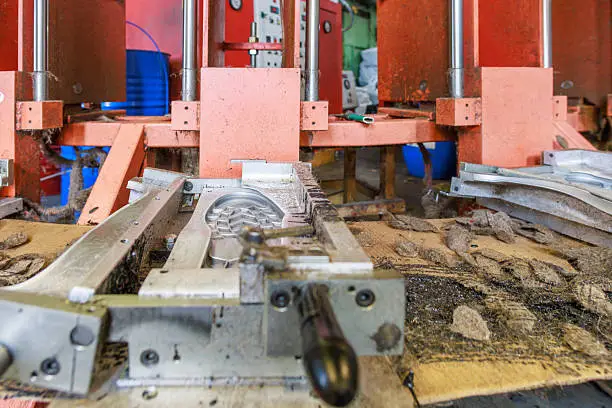
Aluminum die casting delivers an unmatched combination of lightweight performance, manufacturing precision, and production scalability that lightweight engineering demands. The process transforms complex design requirements into reliable components serving automotive, aerospace, industrial, and electrical sectors where weight reduction directly impacts product competitiveness. Material properties including high strength-to-weight ratios, thermal conductivity, and corrosion resistance address diverse engineering challenges while maintaining cost-effectiveness at production volumes. Successful projects depend on informed supplier selection, design-for-manufacturing discipline, and proactive collaboration between engineering and foundry technical teams. As advanced alloys, digital manufacturing technologies, and sustainability requirements continue evolving, strategic partnerships with capable foundries position organizations to capitalize on innovation while mitigating supply chain risks inherent in global manufacturing.
FAQ
What makes aluminum die cast parts superior to other metals for lightweight applications?
Aluminum has a specific strength (the ratio of strength to weight) that is much higher than that of most industrial materials except for rare metals like titanium, and it costs a lot less. Aluminum weighs about 65% less than steel and has a mass of about 2.7 g/cm³ compared to 7.8 g/cm³. It also has 60–70% of steel's tensile strength. This means that a person can lose a lot of weight without losing any power. Steel in outdoor or marine settings doesn't have to worry about rust because it naturally resists rusting due to surface oxide formation. Aluminum is great for uses that need to get rid of heat because it conducts heat three times better than steel. Aluminum die casting is the best choice when lightweight engineering can't mean sacrificing performance because of these qualities.
What are typical lead times for aluminum die casting projects?
Designing and making a tool takes 10–14 weeks, based on how complicated it is. The next 2–3 weeks are used to sample the tool and make it better. Once the First Article Inspection shows that the parts meet the requirements, production runs can begin. Orders with tens of thousands of pieces may be shipped over a period of weeks as casting, finishing, and quality checks are done. It is possible to shorten plans for rush projects to a total of 8–10 weeks, but this comes with higher costs and quality risks because validation is sped up. Realistic planning takes into account normal schedules, setting aside time for reviewing prototypes and making changes to the design.
Do aluminum die casting projects require minimum order quantities?
Because of the cost of the tools, there are realistic number limits below which die casting becomes cost-effective. When projects don't make more than 5,000 pieces a year, CNC cutting is often cheaper, even though each piece costs more, because the cost of the tools can't be spread out over enough years. Between 5,000 and 20,000 pieces per year is a transitional range where sand casting or fixed mold casting could fight. When you make more than 20,000 units a year, die casting's short cycle times and low need for extra cutting make it a very good investment. Flexible suppliers can handle smaller numbers for important customers or when project plans predict that volume will grow, which makes early tooling investments worth it.
Partner with Fudebao Technology for Your Lightweight Engineering Solutions
Zhejiang Fudebao Technology is a world-class company that makes aluminum die castings for the energy, aircraft, automobile, and industrial equipment markets. Our facility has CNC machining centers, high-pressure die casting machines, low-pressure casting tools, and full surface treatment lines. We can send finished parts from raw materials to your receiving dock. We keep our tolerances at ±0.05mm so that we can meet the strict standards for car PPAP paperwork and aerospace traceability that are needed for important uses.
Over the past few decades, our engineers have worked with foreign names like ESS energy storage and HAAS automation systems to improve their lightweight component optimization skills. Our metalworking skills include working with A380, ADC12, and other special metals. We also create and make molds in-house, which speeds up project timelines and makes communication easier. Our flexible manufacturing methods can be used for any project, whether it needs fast prototyping, low-volume custom castings, or high-volume production of more than a hundred thousand items per year.
Reach out to our engineering team at hank.shen@fdbcasting.com to talk about the problems you're having with your lightweight design. We provide detailed feasibility assessments, design-for-manufacturing recommendations, and transparent quotations breaking out tooling and piece pricing. Discover how partnering with a certified aluminum die casting supplier transforms your product performance while optimizing weight and production economics.
References
North American Die Casting Association. "Product Specification Standards for Die Castings Produced by the Semi-Solid and Squeeze Casting Processes." NADCA Technical Publication, 2021.
Kaufman, J. Gilbert, and Elwin L. Rooy. "Aluminum Alloy Castings: Properties, Processes, and Applications." ASM International, 2019.
Society of Automotive Engineers. "Aluminum Casting Alloys for Automotive Structural Applications." SAE Technical Paper Series J452, 2020.
European Aluminium Association. "Environmental Profile Report for the European Aluminium Industry: Life Cycle Inventory Data for Aluminium Production and Transformation Processes in Europe." EAA Publication, 2018.
Vinarcik, Edward J. "High Integrity Die Casting Processes: Advanced Manufacturing Methods for Structural and Critical Components." John Wiley & Sons, 2022.
American Foundry Society. "Metalcasting Process Capability: Design Guidelines for Die Casting, Permanent Mold, and Sand Casting." AFS Technical Report, 2020.



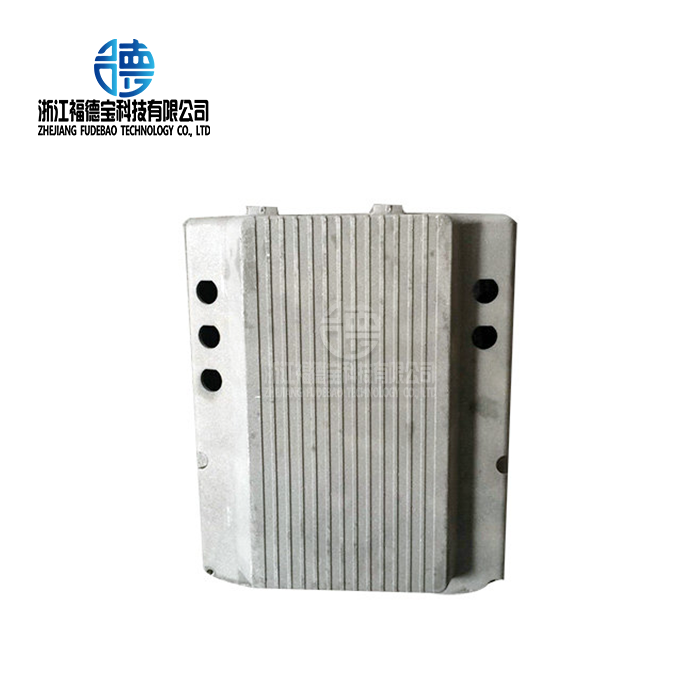
_1756360265131.webp "Aluminum casting chair legs")
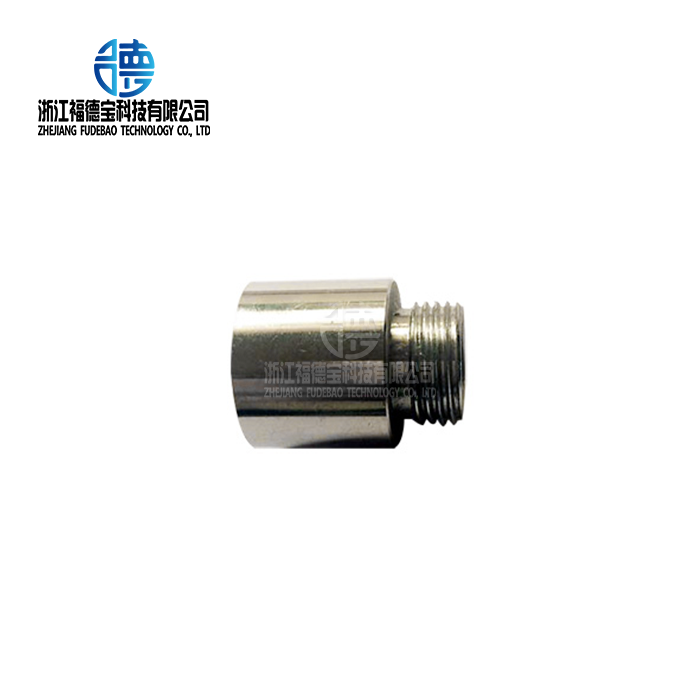
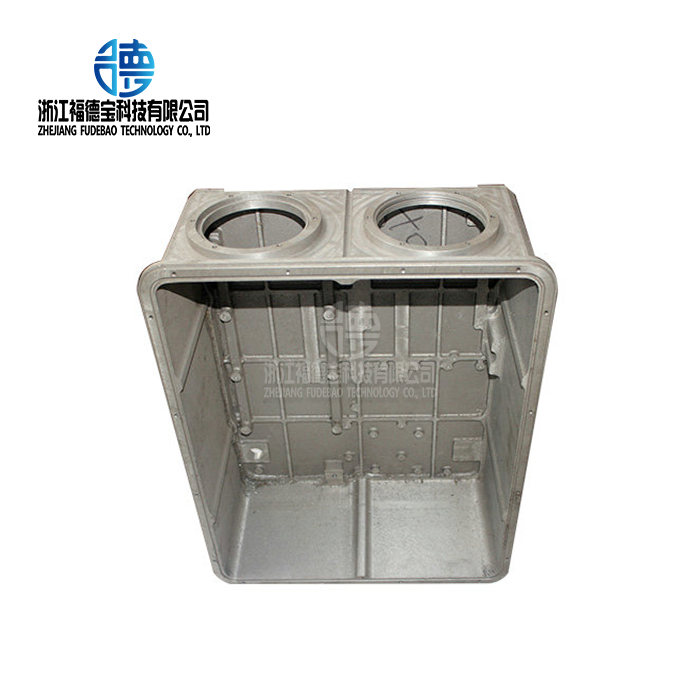
_1756349696500.webp "Pulley aluminum casting")
_1756348356531.webp "Automobile engine oil pan")