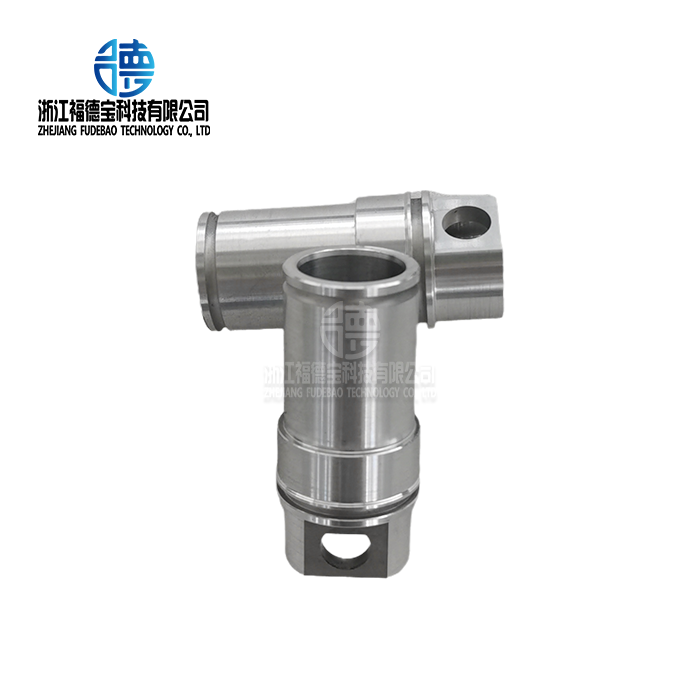
Advantages and Disadvantages of Sand Casting for Large Metal Parts
2026-05-29
Sand casting is a reliable metalworking method. Sand casting is ideal for large metal parts for aircraft, energy, vehicle, and industrial machines. Sand casting is ideal for B2B buying teams due to its low cost and flexibility. Like any other manufacturing method, sand casting trades speed, surface quality, and measurement precision. Engineering managers, buying leaders, and quality teams may choose the optimal heavy-duty casting processes for the project and budget by understanding these benefits and downsides.
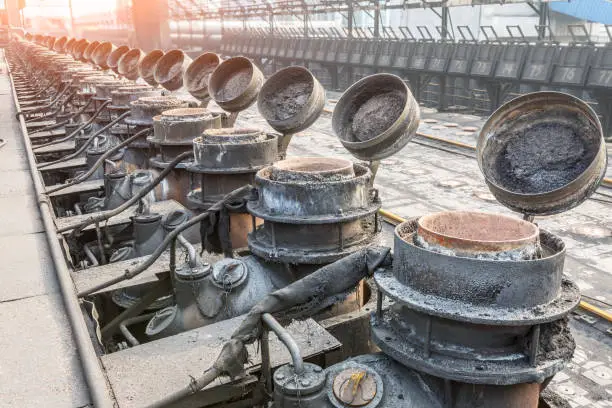
What Is Sand Casting and Why It Matters for Large Metal Parts?
Sand casting uses tightly bound sand mixtures, either green (clay-bonded) or resin (chemically-bonded), to form molds that may be discarded once metal is shaped. Since sand casting accounts for over 60% of metal castings, sand casting solves important manufacturing problems that other methods can't: sand casting eliminates die casting's prohibitively high initial tooling costs for low- to medium-volume runs, sand casting can handle casting weights from ounces to over 100 tons, and sand casting offers unmatched alloy flexibility.
Sand casting's technical profile depends on its strength and material compatibility. Molds composed of high-refractoriness silica or synthetic sands may sustain temperatures beyond 1600°C without melting. Chemically, connecting systems provide shear strength while allowing gas escape, preventing pores. Metals with significant solidification shrinkage benefit from the sand mold's propensity to break down when cold, preventing hot ripping.
Historical Significance in Heavy Industries
Historical industries including automotive, airplane, and structure construction have used sand casting. Sand casting is vital for manufacturing engine blocks, valve bodies, and gearbox housings because sand casting can manufacture complex forms with internal apertures that cheaper technologies cannot. Sand casting has evolved from hand-operated flasks to mechanized molding lines, yet sand casting principles still apply to industrial issues.
Material Versatility for Diverse Applications
Sand casting may employ high-melting-point steel, iron, aluminum, copper alloys, and titanium. These materials are hard to work with in permanent molds. This flexibility helps buying teams pick the finest metals based on mechanical qualities, corrosion resistance, and environment without process constraints.
Key Advantages of Sand Casting for Large Metal Parts
Sand casting provides several benefits over other methods for making large metal items that fulfill the expectations of buyers. Sand casting's economic structure, manufacturing flexibility, and design adaptation benefit organizations who require reliable suppliers but don't want to invest much.
Cost-Effectiveness Through Lower Tooling Investment
Pattern-making requires less money than die casting or fixed mold processes. Wood or plastic patterns are cheaper than hardened steel dies, hence small to medium manufacturing runs are affordable. For projects that need 50 to 5,000 units a year, employing sand casting instead of spreading out the expense of expensive tools across uncertain amounts generally lowers total cost-of-ownership. Custom sand casting is now available to smaller OEMs and tier-1 suppliers without large upfront costs.
Size and Complexity Capabilities
Sand casting works for pieces weighing a few pounds to several tons. Backhoe counterweights, pump casings, and engine blocks are too large for other casting procedures. Internal sand cores provide intricate cooling routes, fluid channels, and structural holes that need costly machined-from-solid labor. Geometry flexibility allows design advancement. Engineers can integrate elements into one sand casting, simplifying assembly and reducing failure sites.
Production Scalability and Volume Flexibility
Manufacturers may go from prototyping to mass production without retooling. One pattern set may be utilized for initial sample, design approval, and series manufacturing, speeding up product launch. We've helped automobile clients evaluate ideas on 10-piece prototypes before mass-producing several thousand pieces a year using the same pattern tools. Sand casting may be adjusted to match changing demand projections.
Broad Alloy Compatibility
Because sand casting can create ferrous alloys (gray iron, ductile iron, and steel), aluminum alloys (A356, 319, and 356), copper alloys (bronze and brass), and unique materials, buying teams may pick from many materials. Every alloy has its own qualities. Ductile iron resists pressure better for large machinery parts, while aluminum alloys are stronger but lighter for vehicles and spacecraft. Sand casting's flexibility ensures optimal performance without process trade-offs.
Disadvantages and Challenges of Sand Casting for Large Metal Parts
Sand casting has many benefits, but procurement experts must be honest about sand casting limitations to avoid design mismatches and quality issues. Knowing these constraints helps you pick vendors and establish quality control.
Surface Finish and Dimensional Tolerance Limitations
Sand casting generally meets ISO 8062 CT10–CT13 dimensions and surface finishes of 6.3–12.5 Ra. These are weak circumstances compared to investment casting and precise die casting. Rough surfaces require remachining, which adds expense and wait time. Jointing surfaces, sealing faces, and precision bores are notably affected. We inform consumers of these facts and recommend 3–6 mm per surface machining margins to ensure completed measurements match engineering blueprints.
Common Quality Control Challenges
Natural hazards including porosity, decreasing holes, and sand inclusions require rigorous process controls. When mold gases or air can't escape during solidification, gas porosity occurs. Hydraulic housings and pump bodies become less pressure-tight. Lack of feeding during solidification might produce shrinkage flaws in heavy or difficult-to-understand pieces. Sand inclusion breaks in mold material can induce stress cracks in sand casting after repeated loading and unloading.
We use computer models to plan the gate and riser, resin sand systems to strengthen the mold, vacuum impregnation to close microscopic holes, and x-ray and pressure testing to mitigate these hazards. These quality controls ensure that sand casting parts fulfill IP66/67 ingress protection standards and can withstand heavy use.
Extended Lead Times
Compared to die casting, mold preparation activities including pattern setup, sand mixing, core fabrication, and mold assembly take longer, as do huge sand casting cooling periods. Pattern creation and initial sample acceptance take 20–30 days. Production runs might take 4–8 weeks longer depending on complexity and volume. For new product launches and seasonal demand, procurement teams must include these dates in project planning.
Sand Casting vs. Alternative Casting Methods for Large Parts
Knowing how sand casting compares to other technologies is crucial when picking a strategy. Each approach has benefits and downsides that impact work cost and success.
Comparison with Die Casting
Die casting produces exact measurements (within 0.05 mm) and smooth surfaces, but the equipment costs tens to hundreds of thousands of dollars. This makes die casting cost-effective only when more than 5,000 to 10,000 pieces are produced annually. Die casting also restricts item size to less than 50 pounds and metals to zinc, aluminum, and magnesium alloys. Larger parts, wall sections thicker than 6 mm (required for explosion-proof housings), and smaller batches are cheaper with sand casting.
Comparison with Investment Casting
Investment casting works well for aircraft parts and intricate forms due to its precision and surface quality. However, size constraints (typically less than 100 pounds), lengthier production cycles, and higher piece costs limit its utilization to high-value products with precise tolerances. Sand casting can be used to make items that are too large or heavy for investment casting yet don't need precise measurements.
Comparison with Permanent Mold Casting
Permanent molds increase surface smoothness and dimension stability, but metal compatibility is restricted by tool cost and heating/cooling cycles. Sand casting is superior for high-melting-point ferrous metals and large, sophisticated geometries because the mold's expendability prevents thermal fatigue and allows complex core forms.
These comparisons demonstrate no single optimum technique. The ideal option depends on part size, complexity, quality, estimated quantity, and budget. Instead of promoting a single answer, we offer customers these decision matrices and recommend methods that fit their application demands.
Best Practices and Design Tips to Maximize Sand Casting Benefits
Design collaboration between purchasing teams, engineering teams, and foundry partners yields the greatest outcomes for sand casting. Following best practices reduces errors, lowers costs, and accelerates delivery.
Design Recommendations for Large Metal Parts
Different cooling rates can produce interior stresses and distortions, but same-thick walls prevent this. To minimize hot areas, limit wall thickness variations to 20% and move carefully. Draft angles (typically 1-3 degrees) can remove patterns from molds without harm. This reduces mold preparation time and scrap.
The proper gate and riser systems supply the holes with liquid metal and provide it enough to feed on while solidifying. Computer-aided modeling software offers flow patterns, detects defects, and optimizes runner layouts before pattern fabrication. Virtual approval reduces the need for physical prototypes and speeds development. Large fillet radii at interior corners diffuse stress concentrations and promote metal flow, improving mechanical properties and reducing cracking.
Advanced Process Improvements
Better sand mixes with synthetic fillers improve sand casting mold form and surface. Resin-bonded technologies close the precision casting gap with tighter tolerances and smoother surfaces than green sand. Automatic molding technologies like horizontal and vertical flaskless systems improve consistency, reduce labor, and speed up production for repeat orders.
Aluminum alloys are stronger than die-cast materials and more flexible for shock-resistant airplanes and cars after heat treatment like T6 (solution + artificial aging).
Partnering with Experienced Manufacturers
Choose suppliers with ISO 9001, IATF 16949 for autos, and AS9100 for aerospace to ensure quality management systems and process controls. Experienced foundries utilize statistical process control, track equipment calibration, and perform frequent checks to maintain quality. Single-source responsibility for machining, surface treatment, and inspection tools simplifies planning and improves delivery.
We acquired high-speed machining centers, CNC lathes, low-pressure casting equipment, and die-casting tools to serve many clients. With our "melting-casting-finishing-surface treatment" production flow, we can provide parts with ±0.05mm precision from raw material to finished product. These parts fulfill rigorous precision automobile and specialist equipment housing requirements. Sand casting expertise makes us a trusted partner for product prototype to high-volume manufacturing.
Real-World Applications Across Target Industries
Automotive Powertrains (Heavy Duty)
Complex-shaped engine blocks and cylinder heads are still made by sand casting. The sand cores inside these sections provide intricate cooling channels. They must withstand high temperatures and scorching pressures. Ductile iron and aluminum alloy castings are robust, heat-transferring, and light, which helps fulfill engine efficiency regulations.
Energy and Oil/Gas Sector
Large valve bodies and pump casings are sand cast in non-rusting Duplex Steel to withstand high-pressure, acidic, or deep-sea environments where failure would be catastrophic. Because enormous housings can be constructed from one piece via sand casting, there are no weld seams to fail in critical infrastructure.
Heavy Machinery and Construction
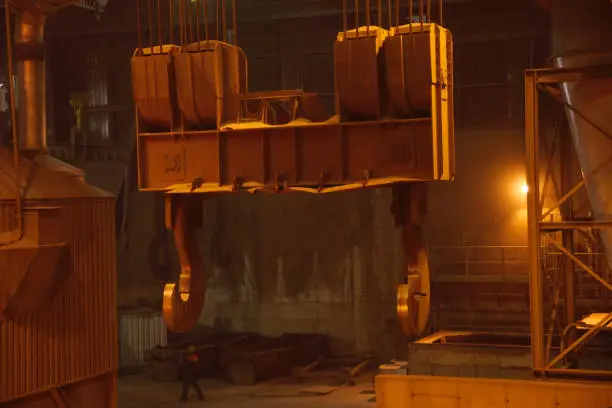
Digger counterweights and gearbox housings are heavy and attenuate vibrations, making them reliable for earthmoving. Sand casting's capacity to handle hundreds to thousands of pounds makes it vital for equipment manufacturers that need durable parts that can withstand shock loads and hard operation.
Industrial Enclosures and Specialized Housings
Aluminum sand casting makes industrial automation HMI monitor enclosures, naval navigation displays, and outdoor digital signage. The casting bulk lowers vibrations, protects sensitive electronics, and conducts heat. Complex interior structures control airflow or liquid cooling channels to protect LCD parts from breaking in bright sunlight, yet sheet metal manufacturing or plastic molding are difficult.
Conclusion
Sand casting large metal parts is important in airplanes, energy, industrial equipment, and autos. Sand casting is cost-effective, customizable, and compatible with many materials. This makes sand casting strategically significant for B2B buyers who manage projects when tool expense and geometry complexity make other accuracy approaches less important. Working with experienced makers who apply design best practices and advanced quality systems helps reduce the risks of picking a supplier and monitoring the process. Knowing when and how to employ sand casting technology improves production outputs, lowers costs, and ensures mission-critical part supply chains.
FAQ
Why choose sand casting over die casting for large metal housings?
Sand casting supports thicker wall sections (typically above 6mm) for structural stability and explosion-proof certifications. The tools cost less, making sand casting a reasonable alternative for creating fewer than a few thousand units a year when die casting expenses can't be spread out. Sand casting offers more alloys and larger component sizes than die casting.
How do organizations control porosity for pressure test success?
Reputable foundries utilize resin sand to manufacture robust molds, computer modeling to improve sand casting gates and risers, and vacuum impregnation to seal micro-porosity. These methods ensure that housings meet IP66/67 ingress protection ratings and can withstand hydraulic and gas operating pressures without leaking or breaking.
What is the typical lead time for tooling and sample production?
Pattern creation for aluminum sand casting takes 20–30 days for initial model acceptance, faster than die-casting molds. This shorter period streamlines design approval and product launch, offering fast-changing industries an edge.
Can sand cast components achieve mechanical strength comparable to die castings?
Sand casting A356 aluminum alloy has greater mechanical properties than die-cast alloys after T6 heat treatment (solution + artificial aging). Sand casting can absorb shock loads and dynamic stresses with this flexibility. Castings meet or exceed industrial, aerospace, and vehicle strength criteria when correctly treated.
Partner with Fudebao Technology for Reliable Sand Casting Solutions
Zhejiang Fudebao Technology Co., Ltd. specializes in precision machining and sand casting aluminum alloy, copper alloy, and stainless steel for aviation, vehicle, industrial equipment, and machinery manufacture. Freezing, casting, finishing, and surface treatment are our specialties. This enables us to accurately produce final goods from blanks to ±0.05mm. International brands like American HAAS automated machine tools and ESS energy storage batteries trust us as a China aluminum foundry standard due to our quality and technological expertise.
High-speed machining centers, CNC lathes, low-pressure casting machines, and die casting machines dominate our building. These devices allow us to provide flexible manufacturing solutions for your project. We know vehicle O. Whether you need prototype validation or production volumes, our experienced engineers collaborate with your team to optimize designs, prevent common defects, and ensure components meet stringent specifications.
Contact our team at hank.shen@fdbcasting.com or visit fdbcasting.com to discuss your large metal part requirements with a trusted sand casting supplier. We provide transparent technical consultations, competitive quotations, and reliable manufacturing partnerships that empower your business success in competitive global markets.
References
American Foundry Society. (2021). Casting Design and Performance. Des Plaines: AFS Publications.
Campbell, J. (2015). Complete Casting Handbook: Metal Casting Processes, Techniques and Design (2nd ed.). Oxford: Butterworth-Heinemann.
Beeley, P.R., & Smart, R.F. (1995). Investment Casting. London: Institute of Materials.
ASM International. (2008). Casting Volume 15: ASM Handbook. Materials Park: ASM International.
Brown, J.R. (Ed.). (2000). Foseco Ferrous Foundryman's Handbook (11th ed.). Oxford: Butterworth-Heinemann.
Ravi, B. (2005). Metal Casting: Computer-Aided Design and Analysis. New Delhi: Prentice-Hall of India.



_1756346371362.webp "separator housing")
_1756348543350.webp "Automotive Turbine Casting")
_1756360265131.webp "Aluminum casting chair legs")
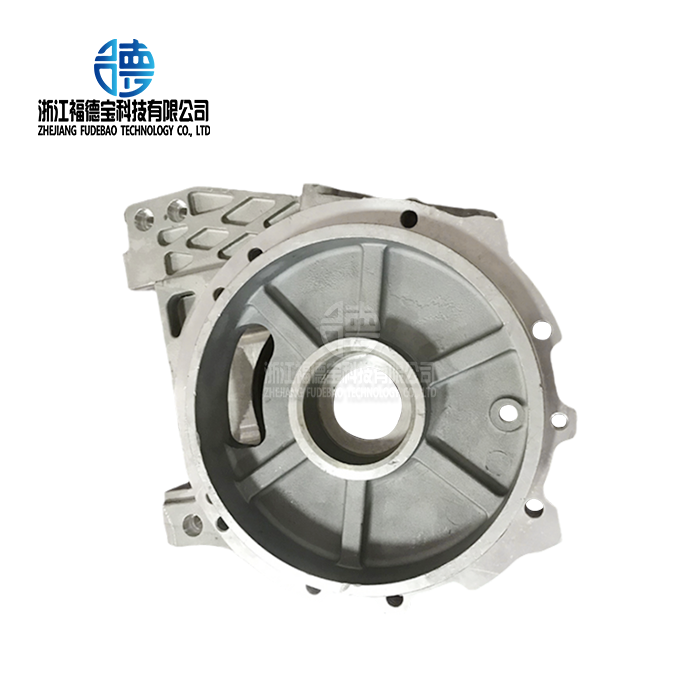
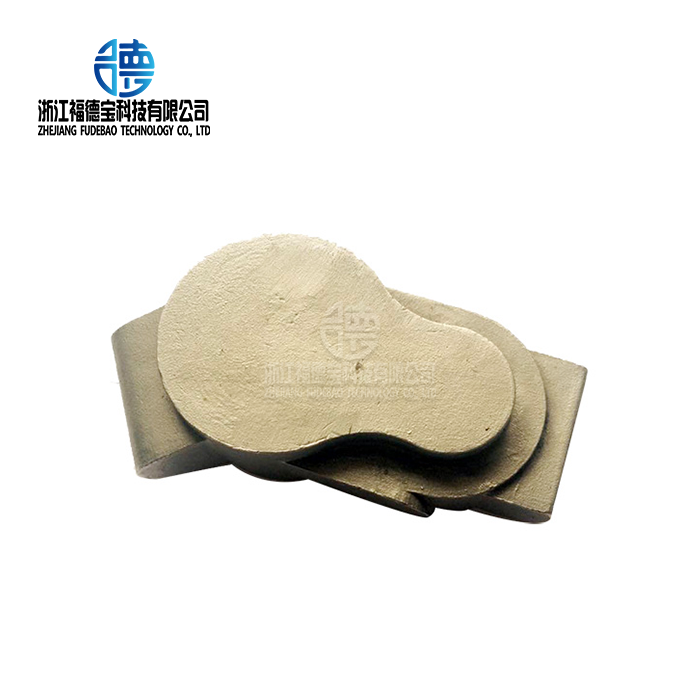
_1756346613780.webp "Aluminum tent base Casting")
_1756346259673.webp "heavy duty hinges")