
How to Choose the Best Aluminum Die Casting Supplier for OEM Projects
2026-05-29
Choosing the correct metal casting vendor may make or break a project. Aluminum die casting produces precision metal products. Under pressure of 1,500 to 30,000 psi, molten aluminum alloy is pressed into hardened steel molds. High-pressure aluminum die casting creates accurate, well-defined pieces fast. These parts are used daily in automotive, industrial machinery, electrical, and aerospace. Choose the best aluminum die casting service to ensure high-quality, affordable, and on-time delivery in complicated industrial environments. In my years working with engineering managers, sourcing directors, and technical procurement teams, I've seen how strategic supplier evaluation affects project results, from ensuring PPAP paperwork is followed to ensuring products are reliable even under thermal cycling stress.
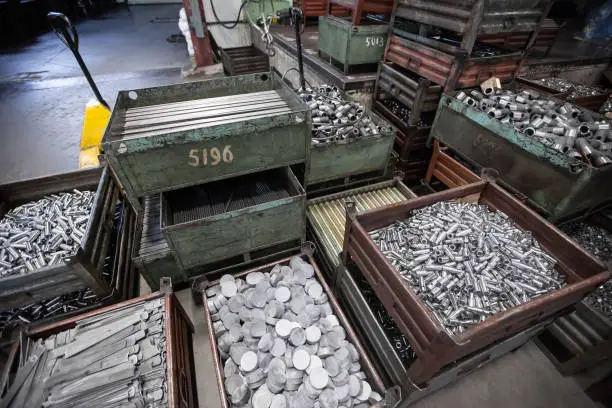
Understanding the Aluminum Die Casting Supplier Landscape
Many aluminum die casting manufacturers create bespoke and OEM goods and have various technical and certification levels. To avoid project failure, you must understand the process and supplier variations that may affect your project.
The Core Process and Its Strategic Advantages
Aluminum die casting solves several essential business issues at once. Complex, near-net-shape geometries are cast as a single unit, eliminating welding assembly. Aluminum die casting drastically decreases part weight without affecting structural integrity, which improves electric vehicle fuel economy and range. Finally, aluminum die casting facilitates bulk manufacturing with minimum secondary machining. Aluminum die casting is more cost-effective than sand casting because it has higher surface finishes and size requirements. However, aluminum die casting manufactures lightweight structural parts for less per unit when tool expenses are spread across multiple manufacturing cycles.
Supplier Types and Their Capabilities
Custom service providers make prototypes and small to medium-sized batches, allowing designers to make modifications. Car tier-1 suppliers and aircraft users require certified foundries to meet quality requirements. This is done via ISO 9001, IATF 16949, and other industry certifications. Full-service manufacturers do more than aluminum die casting. They finish pieces with CNC machining, surface treatments, and assembly for installation. Finding a vendor who suits your project's size, quality, and customized demands is the first step to a good partnership.
Material Expertise Matters
Aluminum die casting alloys, such as A380, ADC12, and A356, are robust despite their small weight with a specific gravity of 2.7 g/cm³. These metals are good for heat removal in electrical housings and motor parts due to their high thermal conductivity. The oxide layer naturally prevents rust, and surface procedures can further strengthen the aluminum die casting. Alloy experts can assist you in identifying the appropriate materials for your product depending on thermal, mechanical, and environmental demands.
Essential Criteria to Evaluate When Choosing an Aluminum Die Casting Supplier
You must understand quality standards, manufacturing capabilities, and operating excellence indicators that will affect your aluminum die casting project to effectively evaluate vendors.
Certification and Compliance Standards
Quality certifications verify the production is dependable and legal. ISO 9001 establishes fundamental quality management systems, whereas IATF 16949 includes auto industry demands such PPAP documentation, process capability assessments, and measurement system analysis. Materials must comply with RoHS and REACH to avoid harmful substances in the environment. This is crucial for energy and electrical needs. Keeping their AS9100 accreditation or comparable demonstrates that aerospace companies follow quality control systems with strong traceability and modern inspection methods.
Manufacturing Capabilities and Equipment
Sellers' technical talents indicate their ability to suit your demands. CNC lathes and high-speed machining centers provide precise secondary operations with ±0.05mm tolerances for medical equipment housings and automobile parts. The mass ranges of aluminum die casting machines define their part sizes. Thicker-walled items with greater mechanical characteristics are better cast using low-pressure methods. By eliminating air during injection, vacuum-assisted aluminum die casting and other modern methods minimize porosity, while intensification pressure devices eliminate shrinkage faults when the material hardens. Suppliers who invest in these technologies demonstrate their commitment to quality and defect reduction.
OEM Experience and Customization Capacity
Suppliers' track histories with relevant projects might reveal their expertise. Suppliers who have worked with cars understand PPAP filing standards, Coordinate Measuring Machines for dimensional verification, and process control plans. Industrial equipment professionals know pump housings and compressor parts must withstand temperature cycles, and electrical sector providers know conductivity requirements and EMI/RFI shielding are crucial. Customization requires mold creation, rapid prototyping, and collaboration on design-for-manufacturing optimization to save costs and maintain performance.
Communication and Responsiveness
Effective cooperation requires clear communication and fast customer service. Suppliers should provide English-speaking experts who comprehend engineering drawings, GD&T standards, and industry jargon. Fast responses to quote inquiries, sample assessments, and technical concerns demonstrate efficiency and customer service. Time zone variations make project coordination difficult, yet established communication and project management systems allow cross-border collaboration.
Comparing Aluminum Die Casting with Alternative Manufacturing Methods for OEMs
After considering alternative processes, aluminum die casting is often validated as the best option for complex geometries and mass production.
Die Casting vs. Sand Casting
Sand casting is cheaper than aluminum die casting for small-quantity production of large pieces. Aluminum die casting gives improved surface finishes (63–125 Ra microinches vs. 250–500 Ra for sand casting), measurement precision, and cycle durations measured in seconds instead of minutes. Aluminum die casting requires less machining because it is so exact in size. This decreases unit finishing costs, which offsets increased equipment costs when producing more units.
Die Casting vs. Forging
For high-stress purposes, forging improves grain structure and mechanical properties. Aluminum die casting is preferable for complex pieces with thin walls and built-in features that do not need assembly. Complexity of the component determines the optimum approach. Aluminum die casting is excellent for intricate internal routes, attaching bosses, or aesthetic surface needs above forging's mechanical property benefits.
Material Alternatives: Zinc and Magnesium
Zinc aluminum die casting is excellent for smaller pieces requiring better precision and longer tool life. However, magnesium die casting has even lower density for the lightest items. Aluminum is the greatest material for automotive structural elements, electrical cabinets, and industrial equipment housings due to its mechanical strength, thermal characteristics, and affordability. Performance demands including operating temperatures, structural loads, and heat control determine material choice.
Practical Steps to Select Your Ideal Aluminum Die Casting Supplier
Through formal comparison and objective evaluation, systematic aluminum die casting seller evaluation decreases risk and speeds up selection.
Define Your Project Requirements Precisely
Clear criteria enable accurate supplier evaluation and effective quotation comparison. List the yearly volume demands, part shapes with CAD models, measurement ranges with GD&T callouts, material specifics such as metal grades and mechanical characteristics, surface finish needs, and secondary processes like coating, machining, or assembly. Suppliers discuss possibilities based on budget considerations such piece-price targets, tooling investment restrictions, and payment terms. Delivery plans with lead times and frequent refilling rates determine operating compatibility.
Request Detailed Quotations and Capability Evidence
In thorough RFQs, ask for tool costs, unit prices at varying volumes, extra operational expenses, and shipping terms. Quality certifications, equipment listings including machine specs, material certifications, and project examples support claimed expertise. Current clients, especially those in related sectors or purposes, can provide unambiguous evidence of a provider's performance, communication, and problem-solving.
Evaluate Sample Parts Rigorously
Documentation alone cannot prove quality; tangible samples are needed. Checking dimensions with calipers, micrometers, or a CMM ensures they are within limitations. Surface faults including flow markings, blisters, and cold shuts indicate process control issues. ASTM E505 recommends X-ray or fluoroscopic checks for interior porosity, which might weaken or reduce pressure resistance. Mechanical tests including tensile strength, hardness, and pressure tightness ensure a material meets application criteria.
Assess Long-Term Partnership Potential
Supplier ties extend beyond the first order to enhance designs and boost production. Business longevity, building ownership, and financial strength indicate a long-term partnership. Management is proactive by investing in new technology, process optimization, and quality system upgrades that demonstrate continual progress. Open capacity, multiple manufacturing lines, and development plans allow providers to grow without compromising quality.
Case Studies and Industry Best Practices
Real-world examples demonstrate how OEM success in challenging industries depends on smart aluminum die casting source selection and teamwork.
Automotive Lightweighting Success
A major automaker that makes electric vehicle battery housings worked with a die casting expert to replace stamped steel parts with integrated aluminum die casting. The cooperation reduced 17 stamped and soldered pieces to one die-cast box with CNC-machined mounting holes. Lowering the vehicle's weight by almost 40% while keeping its construction strong for battery security boosted its range. The supplier's vacuum-assisted aluminum die casting decreased porosity for leak-proof sealing, as validated by car-standard helium leak testing.
Industrial Equipment Durability Enhancement
A business that builds industrial pumps shifted from sand-casting metal housings to low-pressure aluminum die casting to regulate dimensions and pressure. The selected supplier used advanced modeling tools to create the mold and modified the gating systems to eliminate hot spots that produced holes near seal surfaces. As part of process validation, seals were tested at 150% working pressure. This reduced seal leak field failures by 87% compared to conventional sand-cast systems. The supplier's thermal management skills strengthened the casting while fulfilling heat protection regulations for extended high-temperature operation.
Electrical Enclosure Innovation
Thermally conductive outdoor power generator casings were needed by a green energy equipment manufacturer to remove heat and prevent corrosion in tough situations. The aluminum die casting vendor recommended alloy A360 over A380 because it is corrosion-resistant and anodizes better. Integrated heat sinks eliminated the need for separate cooling systems, saving money and time. Rapid exposure testing demonstrated that the supplier's chromate conversion coating and powder coating provided 20 years of outdoor durability.
Defect Resolution Through Process Optimization
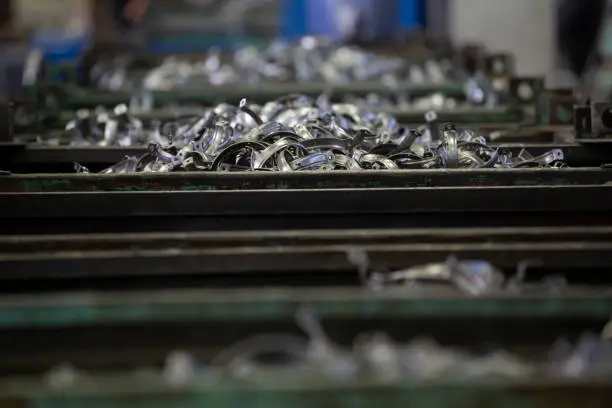
Preventing casting faults including porosity, shrinkage, and size discrepancies requires supplier knowledge. Best injection settings, vacuum aid, and enhanced solidification pressure reduce porosity. Gate design adjustments and modeling study to discover the appropriate metal temperature can solve flow-related faults. Uneven cooling or ejection typically affects dimensional stability. Monitoring the process and employing statistical process control can remedy this. Instead of only inspecting and sorting, suppliers who employ root cause analysis and process validation to plan and address problems provide consistent quality.
Conclusion
To identify the finest OEM aluminum die casting company, consider their credentials, technical abilities, expertise, and readiness to collaborate with you. Aluminum die casting is excellent for automotive, industrial, electrical, and aerospace parts since it is sturdy, lightweight, and can manufacture complex forms. Cheaper mass production is possible with it. By being clear about their needs, carefully judging samples, and considering future collaboration, purchasing managers and engineering teams can build relationships with suppliers that provide quality, dependability, and ongoing improvement, giving them an edge in strict global markets.
FAQ
What industries benefit most from aluminum die casting?
Aluminum die casting makes lightweight, robust engine parts, transmission housings, and EV battery casings for the transportation and automotive sectors. Industrial machinery manufacturers employ die casting to build heat-resistant pump housings, compressor parts, and gearbox parts with accurate specifications. Aluminum is used in motor housings, heat sinks, and electrical covers because it conducts heat and prevents corrosion. Aerospace and defense sectors employ aluminum die casting to manufacture lightweight, robust, and trackable structural parts.
How long does supplier qualification typically require?
The first quote normally takes one to two weeks, depending on complexity and tool evaluation. Sample manufacturing takes eight to twelve weeks after the mold is made, including testing and checking the first product. Supplier qualification for vehicle purposes takes three to six months. This comprises PPAP documentation, capability evaluations, and production trials. Testing procedures and preparing for production ensures constant quality and delivery, which supports OEM agreements.
Why should I prioritize certified suppliers?
Certified suppliers have quality control systems that have been verified and validated to ensure consistent procedures, plenty of documentation, and growth models. IATF 16949 certification meets automotive demands. It includes advanced product quality planning, production part approval, and measurement system study. ISO certifications support customer service, managerial accountability, and resource management. Certification reduces audits, ensures compliance, and ensures production consistency, which is crucial for complicated OEM applications with zero faults.
Partner with Fudebao Technology for Superior Aluminum Die Casting Solutions
Zhejiang Fudebao Technology, a renowned aluminum die casting manufacturer, creates precision-engineered parts for aviation, industrial equipment, and cars worldwide. From melting to casting, CNC finishing, and surface treatment, we have manufacturing expertise. We provide accurate finished parts up to ±0.05mm. We can make prototypes to mass production with our high-speed machining centers, contemporary die casting equipment, and low-pressure casting systems. Our direct supply agreements with American HAAS automation and ESS energy storage systems demonstrate our technical expertise and product excellence. Contact us at hank.shen@fdbcasting.com to discuss your project, obtain specific prices, or schedule a sample evaluation to check whether our aluminum die casting supplier meets OEM standards.
References
North American Die Casting Association. (2021). Product Specification Standards for Die Castings: Aluminum, Magnesium, and Zinc Alloys. NADCA Technical Publication.
American Society for Testing and Materials. (2020). ASTM E505: Standard Reference Radiographs for Inspection of Aluminum and Magnesium Die Castings.
Kaufman, J.G. & Rooy, E.L. (2019). Aluminum Alloy Castings: Properties, Processes, and Applications. ASM International Materials Park, Ohio.
Automotive Industry Action Group. (2018). Production Part Approval Process (PPAP) Manual, 4th Edition. AIAG Quality Standards.
International Organization for Standardization. (2016). ISO 10049: Aluminum Alloy Castings - Visual Method for Assessing Porosity.
Totten, G.E. & MacKenzie, D.S. (2022). Handbook of Aluminum: Vol. 1 - Physical Metallurgy and Processes. Marcel Dekker Technical Publications.



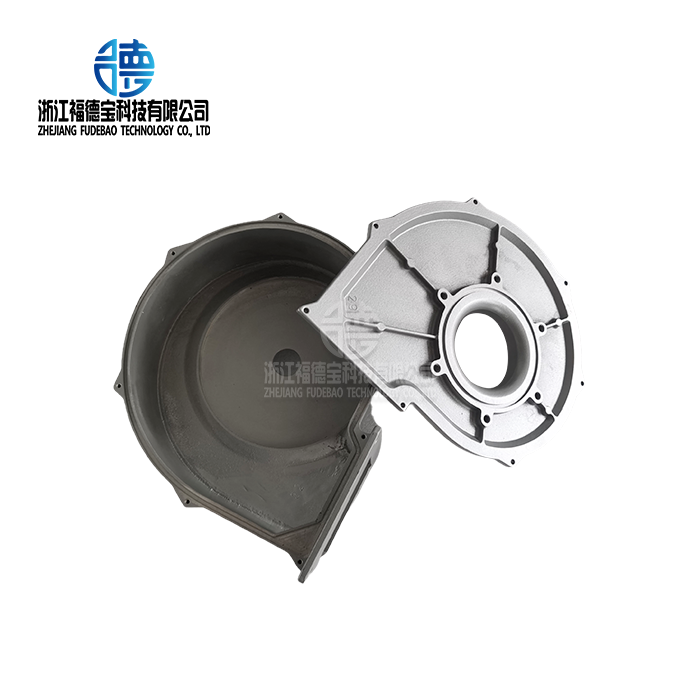
_1756348543350.webp "Automotive Turbine Casting")
_1756361423150.webp "Cryopump body")
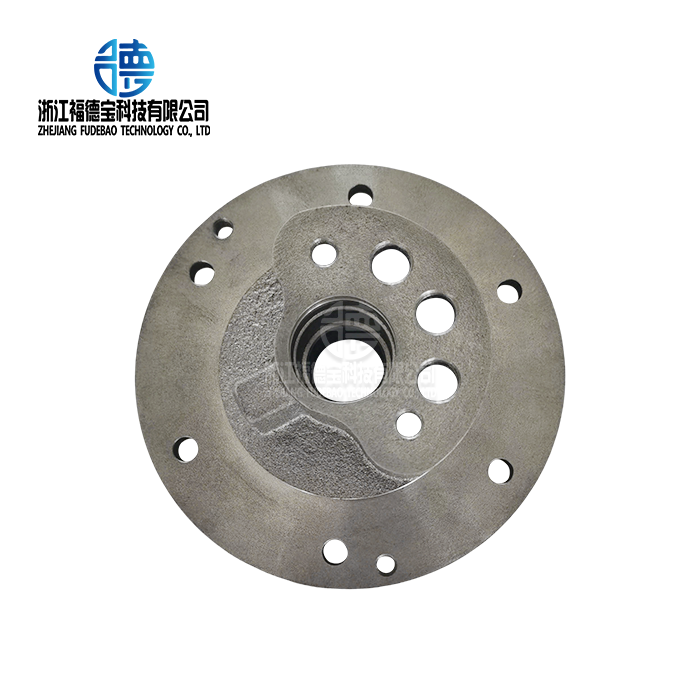
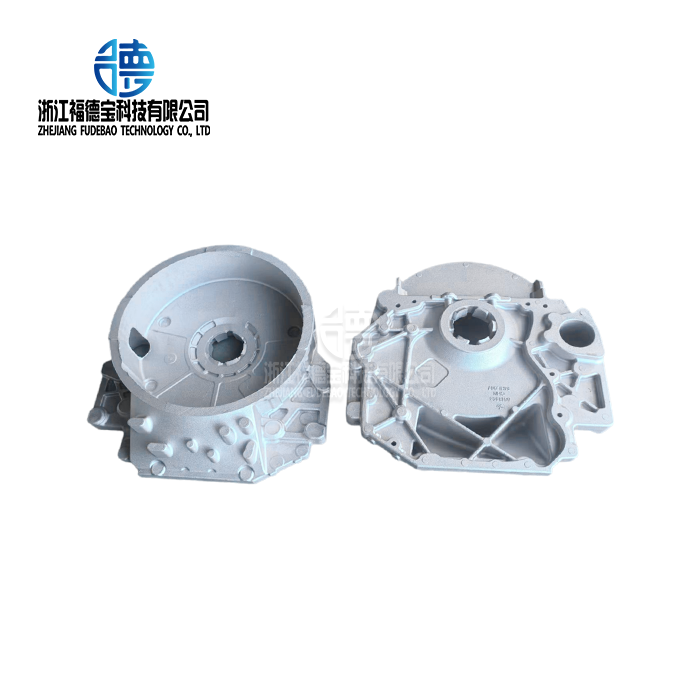
_1756345858191.webp "Aluminum casting crafts")