Advantages and Disadvantages of Sand Casting
2026-04-15
Sand casting is a tried-and-true way to work with metal that is both affordable and technically flexible. This makes it a smart choice for procurement workers who have to deal with complicated industrial needs. This casting method is very flexible for small to medium-sized production runs and can handle complex shapes and a wide range of metal needs. Understanding its strengths and weaknesses, on the other hand, helps buyers make smart sourcing choices that meet project requirements, price limits, and quality standards in the aerospace, automobile, and industrial machinery industries.
Overview of Sand Casting Process
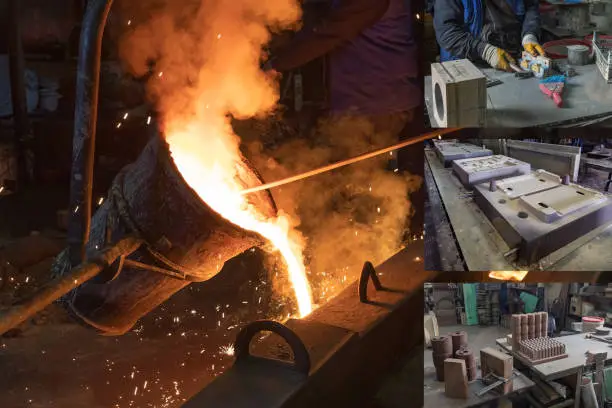
In sand casting, molten metal is shaped into useful parts using models that are made from carefully mixed sand that can be thrown away after use. This way of making things has been used for decades and is responsible for more than 60% of all metal casts made in the world because it is so flexible and cost-effective.
Fundamental Stages of the Sand Casting Method
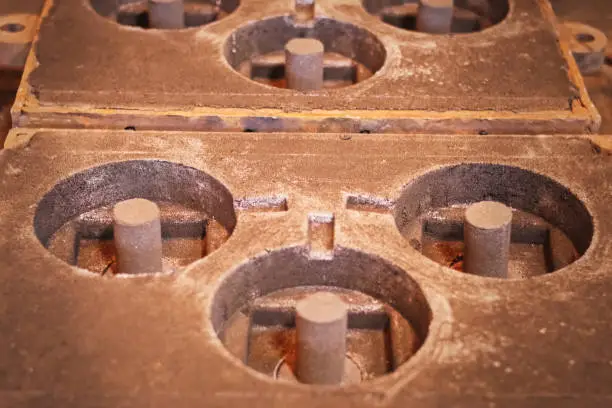
The process starts with making a pattern, which is a copy of the part that is being made. This pattern leads the formation of the mold. Manufacturers fill a jar with sand around this design to make a negative hole. After removing the pattern, gates and risers are integrated to control metal flow and compensate for shrinkage. Then, molten metal is put into the hole. It hardens and takes the shape of the mold. When the metal is cool enough, the sand model comes off, showing a rough casting that is ready to be finished.
This series of steps shows why sand molds are called "expendable"—they only need to be rebuilt after one casting cycle. Because sand is easy to collapse, it stops hot breaking during solidification. This is especially important for metals that shrink a lot when they cool down.
Green Sand vs. Resin Sand Casting Methods
At sand casting processes, there are two main bonding methods, and each one performs differently. Wet clay, water binders, and silica sand are mixed together in green sand casting to make cost-effective options for high-volume production where standard errors are enough. The amount of wetness makes it possible to use it again right away after reconditioning, which cuts down on waste and running costs.
For resin sand casting, which is also called no-bake or chemically-bonded sand casting, furan or phenolic resins that harden at room temperature are used. This method gives better surface finishes between 6.3 and 12.5 Ra microns and more accurate measurements that meet ISO 8062 CT10-CT13 standards. When making bigger, heavier parts that need better mold strength and accuracy, resin systems work best, but the material costs more than green sand options.
Material Versatility and Alloy Compatibility
One thing that makes sand casting unique is that it can be used with a wide range of metals and materials. For example, foundries often work with iron and steel grades for heavy machinery, aluminum alloys for lightweight car and airplane parts, copper alloys for electrical conductivity needs, and even high-melting-point materials like titanium and duplex stainless steel for specific industrial settings.
The high refractoriness of sand makes it very flexible. Silica and manufactured sands can survive temperatures over 1600°C without melting or breaking down. When sand mixes are mixed correctly, they let gas escape during pouring, which reduces the number of porosity flaws that weaken the structure. This flexibility helps procurement teams find parts for a lot of different product lines, building stronger ties with suppliers while still keeping a wide range of materials.
Key Advantages of Sand Casting for Industrial Applications
There are many great reasons to use sand casting instead of other methods for certain manufacturing tasks, especially when the more common ones are too expensive or don't work well enough for the job.
Before looking into these benefits, it's important to understand how they work together to make the whole supply chain more valuable. This casting method is still chosen by OEMs and tier-1 suppliers for making important parts because of the following benefits.
Cost-Effectiveness for Low-to-Medium Production Volumes: sand casting doesn't require expensive fixed equipment investments like die casting or investment casting does. For a lot less money than it costs to make solid steel dies, patterns can be made from wood, plastic, or metal. During prototyping, small batch production, or making parts for which demand estimates aren't clear, this economic edge is especially useful. Iterating designs doesn't have to cost a lot of money for engineering teams, so product development processes can be sped up while cash is kept safe.
Design Flexibility and Complex Geometry Accommodation: Because sand molds are disposable, they can be used to make complicated internal passages, undercuts, and uneven forms that would be impossible or very expensive to make with permanent mold methods. This is shown by engine blocks with many complex cooling channels, pump housings that improve flow inside, and gearbox cases that have mounting features built right in. When sand cores are put into molds, they make hollow parts and internal shapes. This gives mechanical engineers who want to improve performance more design options.
Weight Range Scalability from Ounces to Multiple Tons: sand casting is the only method that can handle such a wide range of sizes. It can make precision medical device parts that weigh only a few ounces and huge digger counterweights that weigh over 100 tons. This scalability means that procurement professionals can get parts of different sizes from a single qualified seller. This makes managing vendors and making sure quality standards are met easier. Heavy machinery makers really like this feature when they need to make big engine housings and structure frames with a lot of mass to dampen vibrations.
Material Versatility Supporting Multiple Alloy Systems: Being able to cast both ferrous and non-ferrous metals in the same plant gives you a lot of source options that other ways don't have. Automotive suppliers can get transmission housings made of metal and suspension parts made of ductile iron from a single source. Buyers in the energy sector can get corrosion-resistant copper alloy pump impellers and high-strength steel valve bodies through streamlined procurement methods. This makes it easier to manage paperwork and builds better relationships with suppliers.
Shorter Lead Times Compared to Permanent Mold Tooling: Pattern production usually takes two to six weeks, depending on how complicated it is. This is a lot less time than the months it takes to make a die casting model. This advantage in terms of time supports fast development methods, which let you respond quickly to changes in the market or engineering orders. When time-to-market decides how successful a company is, sand casting gives buying teams a lot of strategic freedom.
All of these benefits make sand casting the best choice for original equipment makers who are limited by price, have complicated designs, or don't know how much they will need to make. The method is naturally adaptable, so it can meet the changing needs of business buyers who have to deal with changing market situations.
Disadvantages and Limitations of Sand Casting
Even though sand casting has many strategic benefits, procurement professionals need to be aware of its fundamental limits that affect the total cost of ownership, production timelines, and quality results. Realistic project planning and good source cooperation depend on everyone being clear about these problems.
Surface Finish and Dimensional Tolerance Constraints
The surfaces of sand-cast parts are usually harder than those made by die casting or investment casting. Because sand molds are made of small particles, the finishes they make are usually between 6.3 and 12.5 Ra microns. This means that they need to be machined again for mating surfaces, closing faces, or aesthetic reasons. Dimensional limits that are in line with ISO 8062 CT10-CT13 classifications might not be enough for precision parts that don't need CNC machining after casting.
Parts of an automobile's engine that need to fit tightly, electrical housings that need precise alignment of connectors, or military structural elements that need to meet strict geometric tolerances usually need a lot of material to be removed during the finishing stages. This fact changes both the time it takes to make things and the amount it costs, so procurement teams have to plan for multi-stage manufacturing methods instead of as-cast options.
Production Cycle Limitations for High-Volume Manufacturing
The fact that sand casting molds are disposable makes cycle times longer when production numbers hit mass manufacturing levels. For each casting cycle, a new model has to be prepared, which increases the time it takes to make a single unit compared to permanent mold methods where dies can withstand thousands of cycles. Mold assembly and sand reconditioning standards that take a lot of work make output even slower.
Industrial buyers who need more than a few thousand units of a component every month may find that die casting or permanent mold casting offers better unit economics, even though it requires more money to buy the original tools. The crossover point changes depending on the complexity, size, and material requirements of the part, so a full total cost study is needed to choose the best way.
Environmental Considerations and Waste Management
Foundries produce a lot of sand trash that needs to be properly disposed of, reused, or recycled. Green sand devices can be reconditioned and used again and again, but eventually they need to be replaced because they are worn out. Because chemical agents are used in resin sand systems, they make waste management more difficult and require following the rules for getting rid of industrial waste that are set by the government.
Corporate sustainability standards and supply chain environmental responsibility requirements are becoming more common for procurement experts. When choosing a supplier, it's important to look at how they handle sand reclamation, trash reduction, and legal compliance to make sure they meet the environmental, social, and governance goals of the organization.
Post-Processing Requirements and Total Cost Implications
In addition to finishing the outside, sand castings usually need to be inspected carefully, heated to improve their mechanical properties, and cleaned to get rid of any sand and metal scale that is left over. These steps after casting add costs for work, tools, and time that need to be included in the total budget for buying things.
To make sure that parts meet the requirements, quality inspection teams must use processes like measuring, checking for internal health without damaging the part, and certifying the materials. When compared to near-net-shape processes, which give finished parts with few secondary operations, these standards make handling more difficult and lengthen wait times.
Understanding these limitations doesn't take away from the value of sand casting; instead, it helps procurement professionals come up with ways to deal with them, set realistic quality standards, and set up seller agreements that take these limitations into account.
How to Mitigate the Disadvantages of Sand Casting in Your Supply Chain?
There are strategic ways to keep the economic and technical benefits of sand casting while minimizing its problems. When procurement teams use these prevention tactics, they get better results by working with knowledgeable suppliers and making the best use of their processes.
Advanced Supplier Selection Criteria
Sophisticated buying looks at foundries based on how far they've come with technology, how mature their quality systems are, and how they feel about always getting better. Suppliers who use automatic mold handling systems cut down on human error and improve the regularity of dimensions. Using temperature tracking, fill rate analysis, and defect forecast tools to keep an eye on the process in real time improves quality results and lowers the amount of waste.
Frameworks for certification are useful for screening. For example, ISO 9001 quality management, IATF 16949 car standards, AS9100 aerospace requirements, and NADCAP accreditation all show that a company is committed to rigorous quality control. Before agreeing to production numbers, suppliers can prove their abilities by asking for Production Part Approval Process paperwork for car uses or First Article Inspection reports for aerospace parts.
We've seen that foundries that buy spectrographic analysis tools, digital sand testing systems, and coordinate measuring machines are more technically advanced, which directly leads to better part quality and lower rejection rates.
Hybrid Manufacturing Approaches
Combining sand casting with processes that work well together provides benefits that are greater than the sum of their parts. When you cast near-net-shape pieces and then use precision CNC machining on key features, you can make complicated parts that need selectively tight tolerances at a low cost. This method saves expensive machining for areas that need to be very precise and uses casting's cost benefits to make the general shape.
Additive manufacturing integration is another new approach. 3D-printed sand molds or patterns speed up development processes and let designers make changes to the design without having to wait for the pattern shop to get back to them. Some cutting-edge foundries use topology optimization software to create lightweight structures with organic shapes that can't be made with traditional pattern making. They then use binder jetting technology to make models.
Automated finishing cells with robotic deburring, shot blasting systems, and CNC machining centers make post-casting processes more efficient by cutting down on human work and improving the consistency of the surface finish. As-cast vs. machined areas are defined in procurement requirements. This helps sellers find the best processing order to balance cost and quality.
Material and Process Innovation Adoption
To improve the quality of castings, modern foundries are always changing the sand mixtures, bonding systems, and metalworking methods they use. By making the transitions between sand and liquid metal smoother, ceramic coatings that are put on mold holes improve the surface finish and accuracy of the dimensions. Using vacuum-assisted pouring devices helps keep gases from getting trapped and holes from forming. This is especially helpful for aluminum metals that are prone to absorbing hydrogen.
When added to melted metal, inoculation and grain refinement processes make it stronger and less likely to shrink. Controlled cooling rates are achieved by designing and placing the chillers in the risers in a way that minimizes internal forces that weaken the stability of the dimensions. Procurement pros who have detailed conversations with suppliers about these process improvements show that they are experts, which takes relationships with suppliers above and beyond simple transactions.
Several global tier-1 car makers have reported quality gains of more than 40% after putting statistical process control on the properties of the sand, the chemistry of the metal, and the parameters for pouring. These case studies show how focused process management can turn sand casting from an unpredictable craft into a science of manufacturing that can be predicted.
Conclusion
Sand casting is still an important way to make things for procurement workers who have to deal with the complicated process of finding parts for the aerospace, automobile, and industrial machinery industries. Its unique mix of design freedom, material versatility, and cost-effectiveness for the right volume ranges solves important procurement problems that other methods can't do so cheaply. Surface finish, dimensional tolerances, and production flow are all limited by nature. However, these limitations can be overcome through smart source selection and mixed manufacturing. That buyers know when sand casting is the best option and when other methods are better helps them make smart choices that combine technical needs, price limits, and project deadlines so that the projects turn out well.
FAQ
Which industries benefit most from sand casting technology?
Making engine blocks and transmission housings for cars uses sand casting a lot. These parts need to have complicated cooling channels inside and be able to hold up under high temperature changes. Heavy machinery and building equipment use the process to make big gearbox housings, counterweights, and structural frames that need to be heavy and have vibration-damping qualities. The energy and oil and gas industries need valve bodies and pump cases that are sand-cast in metals that don't rust and can handle high pressure and harsh chemicals. Manufacturers of industrial equipment like pumps, compressors, and parts for moving materials like sand casting because it can make sturdy housings and frames in a range of metal systems at low costs.
How does sand casting impact lead times compared to other casting methods?
Pattern making for sand casting usually takes two to six weeks, depending on how complicated it is and what material is chosen. This is a lot faster than the months needed for die casting permanent die production. This edge in time lets prototyping go faster and makes it easier to adapt to changes in technical or market needs. However, once the tooling is made, per-unit production cycles tend to last longer than die casting. This means that overall lead time benefits rely on the amount of output and whether the tooling is already made. Green sand operations that have pattern files can sometimes give small amounts within days, but resin sand operations that need to make custom patterns take longer.
Can sand casting produce components with complex internal geometries?
With the smart use of sand cores—separately made sand shapes that are put into molds before metal is poured—sand casting is great at making intricate internal features. With these cores, you can make hollow parts, internal pathways, and geometric shapes that you can't get with just the mold's outer surfaces. This is shown by engine blocks for cars with coolant jackets, hydraulic valve bodies with fluid lines that cross each other, and industrial pump housings with flow routes that are optimized. Because sand cores can be collapsed after they have hardened, they can't be torn apart by heat and are easy to remove from complex internal shapes. This gives designers more freedom than with permanent mold processes.
Partner with Fudebao Technology for Superior Sand Casting Solutions
Zhejiang Fudebao Technology stands as a benchmark aluminum foundry manufacturer combining decades of sand casting expertise with advanced machining capabilities to deliver finished components meeting the rigorous demands of global automotive, industrial equipment, and machinery manufacturing sectors. Our integrated facility encompasses the complete production chain from metal melting through casting, precision CNC machining, and surface treatment, enabling one-stop delivery of complex components with tolerances reaching ±0.05mm. We've successfully transitioned from intermediary roles to direct sand casting supplier relationships with renowned international brands including American HAAS automation machine tools and ESS energy storage systems, demonstrating our capability to meet exacting specifications for precision parts and housings. Our core equipment portfolio features high-speed machining centers, CNC lathes, low-pressure casting machines, and die casting systems supporting flexible production from prototype quantities through medium-volume manufacturing. Reach out to our engineering team at hank.shen@fdbcasting.com to discuss how our sand casting manufacturer capabilities can optimize your component procurement strategy while reducing costs and improving quality outcomes.
References
American Foundry Society. (2021). Casting Process Selection Guide: Technical and Economic Considerations for Metal Component Manufacturing. Schaumburg: AFS Publications.
Campbell, John. (2015). Complete Casting Handbook: Metal Casting Processes, Techniques and Design. Oxford: Butterworth-Heinemann.
Beeley, Peter R. (2001). Foundry Technology. Second Edition. Oxford: Butterworth-Heinemann Scientific.
Brown, John R. (ed.). (2000). Foseco Ferrous Foundryman's Handbook. Eleventh Edition. Oxford: Butterworth-Heinemann.
International Organization for Standardization. (2019). ISO 8062-3:2007 Geometrical Product Specifications (GPS) — Dimensional and Geometrical Tolerances for Moulded Parts. Geneva: ISO Standards.
Minerals, Metals & Materials Society. (2018). Shape Casting: The John Campbell Symposium - Proceedings of Materials Science and Technology Conference. Warrendale: TMS Publications.



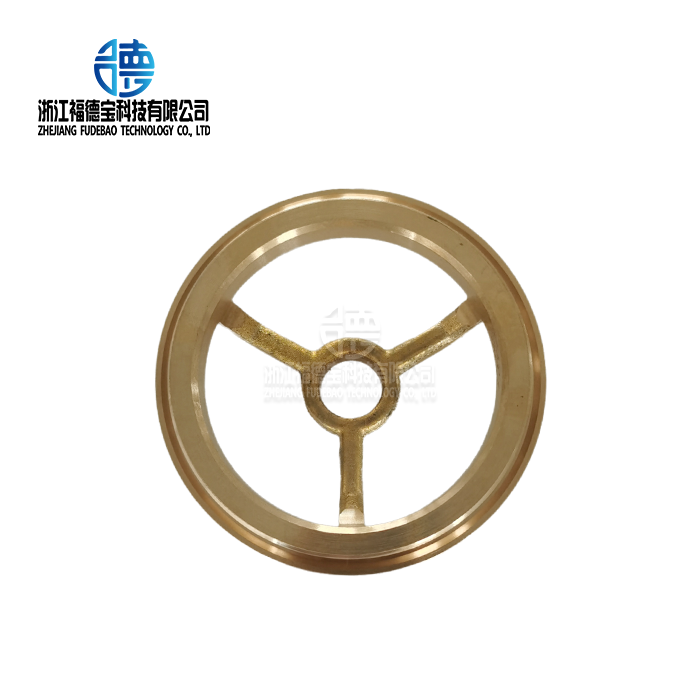
_1756361494985.webp "sliding block copper castings")
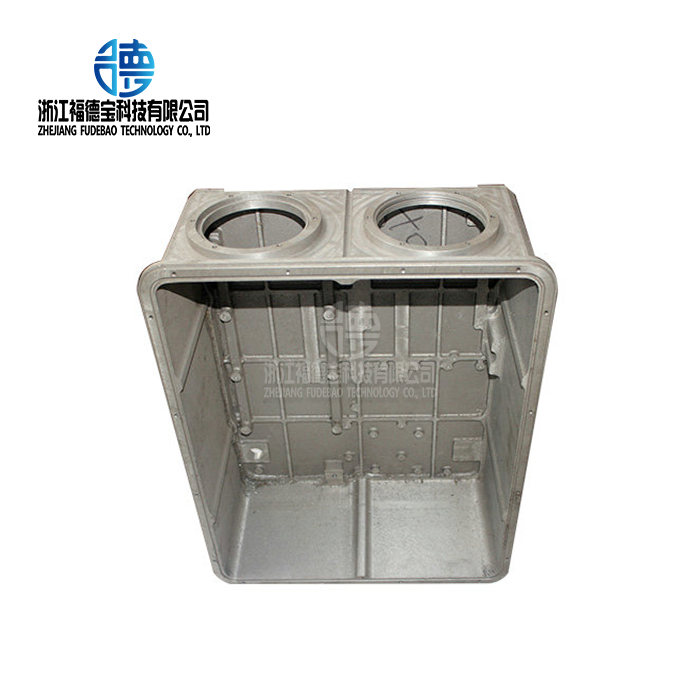
_1756361423150.webp "Cryopump body")
_1756349862928.webp "belts pulleys")
_1756346144394.webp "aluminum die casting hinge")