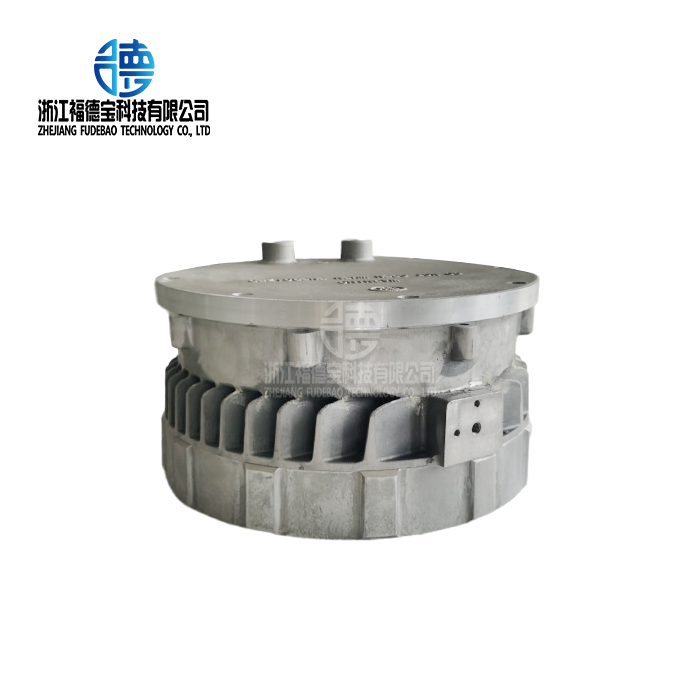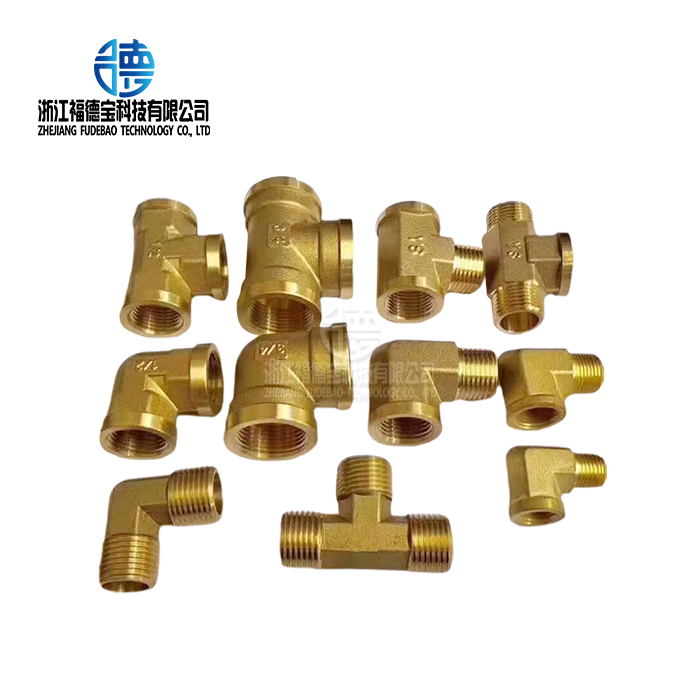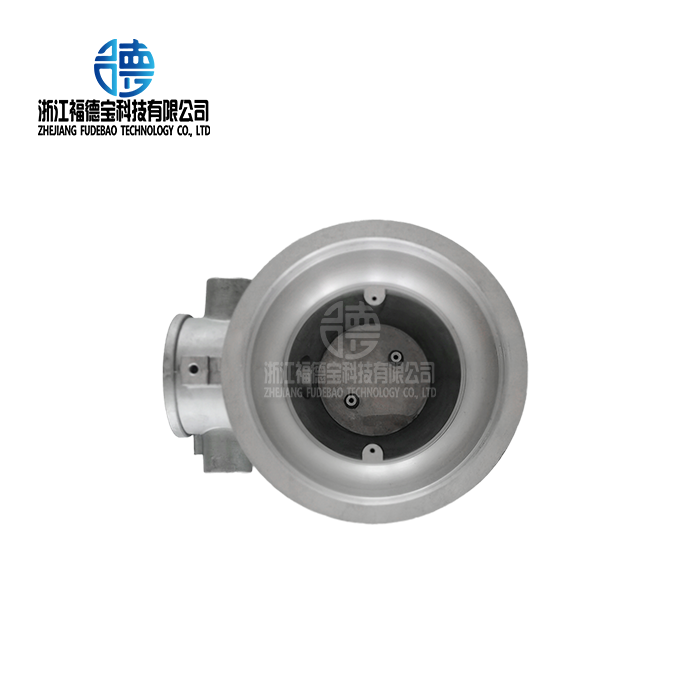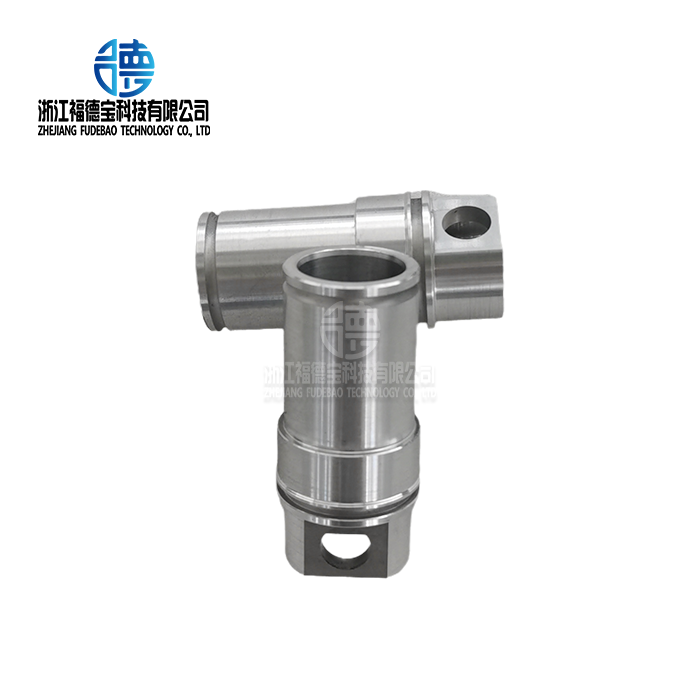
How does Low Pressure Casting Compare to Gravity Casting?
2026-04-15
There is a big difference between low pressure casting and gravity casting in how the liquid metal fills the mold. Controlled air pressure (usually 0.2–1.0 bar) is used in low pressure casting to push metal up through a rising tube and into the mold. This creates a counter-gravity flow that reduces turbulence and oxide formation. In gravity casting, the body is filled from the bottom up by gravitational force and hydraulic head. This difference has a direct effect on the quality of the part, its mechanical features, the amount of porosity, and the material's output. Low pressure casting usually has a better finish on the outside, fewer flaws inside, and higher material utilization rates of over 90%. Gravity casting, on the other hand, needs less complicated tools and can be set up faster for less demanding uses.
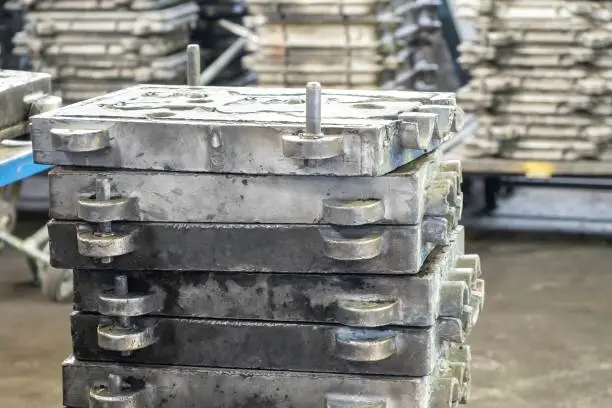
Understanding Casting Fundamentals: Low Pressure Casting vs Gravity Casting
The basic ideas behind these two casting technologies show why purchasing managers need to look closely at how the process works before choosing a production partner. When engineering teams know about these differences, they can match the requirements for a part with the best way to make it.
Process Mechanics of Low Pressure Casting
A vertical lift tube connects a pressurized holding furnace to a fixed mold. This is how low pressure casting works. When the furnace chamber is closed, neutral gas or compressed air slowly adds pressure, pushing molten magnesium or aluminum alloys up into the mold hole against gravity. The pressure is usually between 20 and 100 kPa, and it is managed by PID loops that keep the filling curves accurate. This slow, laminar flow pattern makes sure that the metal front moves slowly forward without splashing or rolling. This makes it much less likely that oxide films and air bubbles will get entrained, which are common ways for structural parts to fail.
During solidification, the holding pressure stays in place, which lets liquid metal from the tank keep shrinking thick parts. When the casting hardens, the pressure drops, and the metal in the riser tube that hasn't been used runs back into the oven to be used again. Material outputs often hit 90–95% with this closed-loop system, which is a big improvement over old ways of doing things. At Fudebao Technology, our high-tech pressure casting tools have real-time tracking systems that change the pressure profiles based on the temperature of the alloy and the temperature of the mold. This makes sure that the filling behavior stays the same from one production run to the next.
How Gravity Casting Works?
When metal models are used, gravity casting is also called permanent mold casting. The only force that fills the space is gravity. From a ladle, molten metal flows into a pouring basin at the top of the mold. It then runs into the hole through gates and runners. The speed of the metal varies on the difference in height and the design of the runner, but once the pouring starts, workers don't have much real-time control. This filling from the top down makes flow patterns that are rough, especially around sharp corners or where metal streams meet. This makes it more likely that oxide will get trapped and gas will leak out.
Gravity casting can't keep the feeding pressure up while the material hardens, so makers have to use big steps or feeders to make up for the volumetric loss. These feeders add a lot of weight to the casting tree, which often lowers the material output to 50 to 60 percent. The extra material needs to be remelted, which uses more energy and makes output more difficult. Gravity casting is easier to use because it requires less tools and can work with a wider range of metal chemicals without having to make a lot of changes to the process.
Equipment and Temperature Considerations
The types of equipment needed for these methods are very different. For pressure casting systems to work, they need sealed ovens, air control systems, temperature regulation units, and high-tech tools for moving the mold around. Molds for low pressure casting are usually made of H13 tool steel and have cooling lines built in to handle heat cycles and make the tool last for 30,000 to 50,000 shots. To keep the process stable, it is important to keep the refractory coats and pressure tubes in good shape.
Gravity casting setups are pretty simple. They usually just include tilting ovens, ladles, and permanent models that can be handled by hand or partially automatically. The process requires trained workers to judge the speed and timing of the pouring based on visual cues, which adds unpredictability. However, the initial capital investment is cheaper. For simple shapes, gravity casting can cut down on cycle times, but the quality is less consistent and there is more waste. Temperature control is important in both processes—aluminum alloys usually pour between 680°C and 720°C—but low pressure systems have better thermal management because the furnace is built in. This keeps temperatures from changing too much, which can lead to problems like cold shuts or misruns.
Technical Performance and Quality: Which Casting Method Excels?
Quality standards make the difference between these two casting methods very clear. When engineering managers look at suppliers, they need to know how process traits translate into measured component performance. This is especially important for uses where safety is very important, like in automobile chassis, aerospace structures, or pressure-containing housings.
Surface Finish and Dimensional Accuracy
The surface finish from low pressure casting is always in the Ra 3.2–6.3 µm range, which is much better than the Ra 6.3–12.5 µm range that you usually get from gravity casting. This better finish comes from controlled mold filling that stops metal washing and the buildup of oxides on the surface. The laminar flow pattern also makes it possible for smaller tolerances on dimensions. For example, ISO 8062 CT6–CT7 grades can usually be reached with critical dimension margins of ±0.3mm. These features directly help parts that don't need much post-casting cutting, which lowers production costs and wait times.
Porosity Control and Internal Soundness
Internal flaws are the most dangerous to the reliability of a component, especially when it is being loaded and unloaded quickly. The counter-gravity filling and continuous feeding pressure in low pressure casting take care of shrinking and porosity in a planned way. The process naturally moves the shrinking toward the riser tube and away from the casting itself. This makes sure that any holes are mostly found in parts that can be thrown away. According to ASTM E155 standards, x-rays usually show porosity levels of Level 1-2 in important areas, which meets strict aircraft and automobile requirements.
Mechanical Properties and Heat Treatment Capability
The thick, fine-grained microstructure that is made when pressure is managed during solidification directly improves mechanical performance. Low pressure cast aluminum alloys, such as A356-T6, usually have tensile strengths of 280 to 310 MPa and stretch values of 6 to 10%. This means that they meet or go beyond the design standards for parts of suspension, steering knuckles, and motor housings. Importantly, these casts can be fully heat-treated through T6 solution and aging processes because they don't contain a lot of gas. This lets them reach their full strength and flexibility.
There are more trapped gases and oxides in gravity cast parts, which can become flaws starting points during heat treatment. When you try to heat treat gravity cast parts to T6 levels, the surface often blisters because trapped gases expand, which means you can only use T4 or "as-cast" conditions, which have lower mechanical qualities. Because of this limitation, gravity casting can't be used for high-performance structural uses where safety needs the best material qualities. From what we've seen at Fudebao Technology, switching clients from gravity casting to low pressure casting for control arms and subframes usually increases wear life by 40–60% while lowering warranty claims.
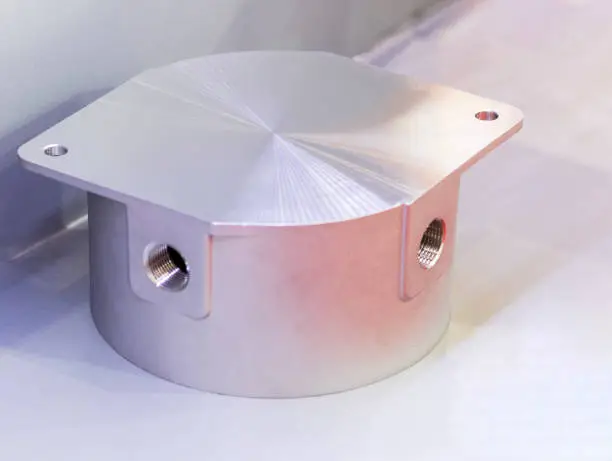
Design and Manufacturing Considerations for B2B Buyers
Design optimization is very different between these casting technologies, which affects everything from how long it takes to make a sample to how much can be made in the long run. Teams in charge of buying things need to work closely with suppliers who really know how to make things and can help them make decisions about design for manufacturability.
Wall Thickness and Geometry Limitations
Low pressure casting regularly works with minimum wall thicknesses of 2.5 to 3.0 mm, which is a good mix between saving material and making sure the mold is filled properly. The controlled pressure helps the metal move into thin sections, which lowers the risk of cold shuts and partial fill that happen with gravity methods. With the right thermal modeling to make sure directed solidification, the thickest part can go up to 25 to 30 mm. Using sand cores, which can handle low pressures without breaking, makes it possible to add complex features like mounting bosses, internal cooling tunnels, and the combination of multiple functions into a single casting.
Core Integration and Internal Complexity
Sand cores can be used in low pressure casting, which sets it apart from other methods. When the pressure is around 1 bar, shell sand cores or cold box cores can be used to make complex internal passages, hollow sections, and undercuts that can't be made with simple fixed molds. This feature is very important for cylinder heads that have built-in cooling jackets, valves with complicated flow paths, and structural parts that have hollows that reduce their weight. After casting, the core can be removed by mechanical shakeout or chemical dissolving without changing the outside measurements.
Material Compatibility and Alloy Selection
Both methods mostly use aluminum alloys, especially those in the A356 (AlSi7Mg0.3) family, which is prized for being easy to make, strong, and resistant to corrosion. Low pressure casting works best with a smaller range of alloy chemicals that are best for controlled filling. For example, the iron content must be kept below 0.15%, and the strontium modification levels must be exact to make sure the elongation qualities needed for structural uses are met. Low pressure systems also work well with magnesium metals like AZ91D, which makes them useful for lightweight uses in electronics and aircraft.
Conclusion
When you look at the technical and financial differences between low pressure casting and gravity casting, you can make smart choices about what to buy. Low pressure casting has better mechanical qualities, surface finish, and material output, which makes it the best choice for structural parts, parts that need to be safe, and jobs that need to be heated. Gravity casting is easy to use and requires less money to start up. It works best for simple shapes, lower production rates, and uses that aren't very demanding. When purchasing things, managers need to make sure that the casting technology they choose fits the needs of the parts in terms of performance, production volume, quality standards, and overall cost. As long as you work with capable providers who show process knowledge, vertical integration, and a dedication to quality, your manufacturing will go smoothly, no matter what casting method the job calls for.
FAQ
What are the main quality differences between low pressure and gravity casting?
When compared to gravity casting, low pressure casting usually gets ASTM E155 Level 1-2 grades in key areas, while gravity casting usually gets Level 3-4 grades. Controlled filling lowers oxide inclusions and gas trapping, giving the material better mechanical qualities and the ability to go through T6 heat treatment. The surface finish is much smoother (Ra 3.2–6.3 µm vs. Ra 6.3–12.5 µm), which means that less cutting is needed. Because the process is controlled automatically, the tolerances for dimensions are smaller. They hit ISO 8062 CT6–CT7, while in gravity methods they are more likely to be CT8–CT9.
Can sand cores be used in both casting processes?
Sand cores can be used in both ways, but they have different limits. The low pressure (about 1 bar) of low pressure casting lets you use normal shell sand cores or cold box cores without worrying about crushing them. This lets you make complex internal shapes like cooling tubes in cylinder heads. Cores can be used in gravity sand casting, but the combo doesn't have the same surface finish or dimensional accuracy as fixed mold gravity casting. Low pressure casting with core integration is favored for high-integrity uses that need both internal complexity and tight limits.
How do cycle times compare between these methods?
For simple shapes, gravity casting usually has shorter cycle times, between 2 and 5 minutes per casting, based on size and wall thickness. Because filling speeds can be managed and solidification lasts longer under pressure, low pressure casting processes can last for 4 to 8 minutes. But this direct comparison makes things too easy when it comes to the numbers—because low pressure casting has a higher first-pass yield and fewer secondary processes, the total manufacturing time per good part is often cheaper. Lights-out output with little work is also possible with automated low pressure systems, which increases efficient throughput.
Partner with a Trusted Low Pressure Casting Manufacturer for Superior Component Quality
Finding the right casting method is only the first step to finding good components. The real key to long-term program success is working with a supplier that shows real knowledge, integrated skills, and a commitment to quality. Zhejiang Fudebao Technology Co., Ltd. is a world-class company that specializes in precision machining and casting aluminum. It works with demanding customers in the energy, aircraft, automobile, and industrial equipment industries in North America and around the world. Our building has low pressure casting machines, high-speed CNC machining centers, CNC turning equipment, and full surface treatment systems. This means that we can be responsible for everything from the liquid metal to the finished, tested parts. Get in touch with our technical expert at hank.shen@fdbcasting.com to talk about the parts you need and find out how our low pressure casting source can improve the performance of your product and make your supply chain run more smoothly.
References
American Foundry Society. (2021). Aluminum Casting Technology: Principles and Applications in Modern Manufacturing. Des Plaines, IL: American Foundry Society Publications.
Campbell, J. (2015). Complete Casting Handbook: Metal Casting Processes, Metallurgy, Techniques and Design (2nd ed.). Oxford: Butterworth-Heinemann.
Kaufman, J. G., & Rooy, E. L. (2004). Aluminum Alloy Castings: Properties, Processes, and Applications. Materials Park, OH: ASM International.
SAE International. (2018). SAE J2530: Performance Requirements for Passenger Car and Light Truck Wheels. Warrendale, PA: SAE Technical Standards Board.
Staley, J. T., & Tiryakioğlu, M. (2013). Physical Metallurgy and the Effect of Alloying Additions in Aluminum Alloys. In Fundamentals of Aluminum Metallurgy: Production, Processing and Applications (pp. 81-209). Cambridge: Woodhead Publishing.
Viswanathan, S., Apelian, D., Donahue, R. J., DasGupta, B., Gywn, M., Jorstad, J. L., Monroe, R. W., Sahoo, M., Prucha, T. E., & Twarog, D. (2009). Casting. Volume 15, ASM Handbook. Materials Park, OH: ASM International.



YOU MAY LIKE
_1756348543350.webp "Automotive Turbine Casting")
_1756361423150.webp "Cryopump body")