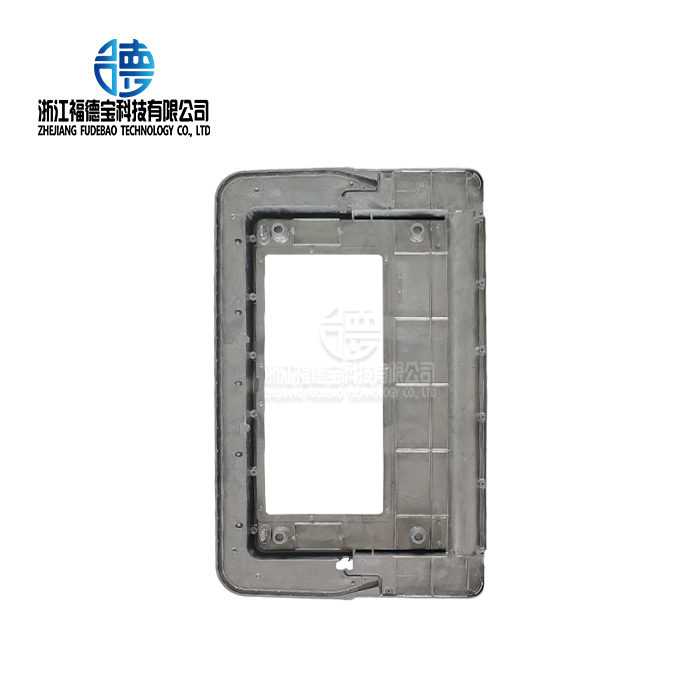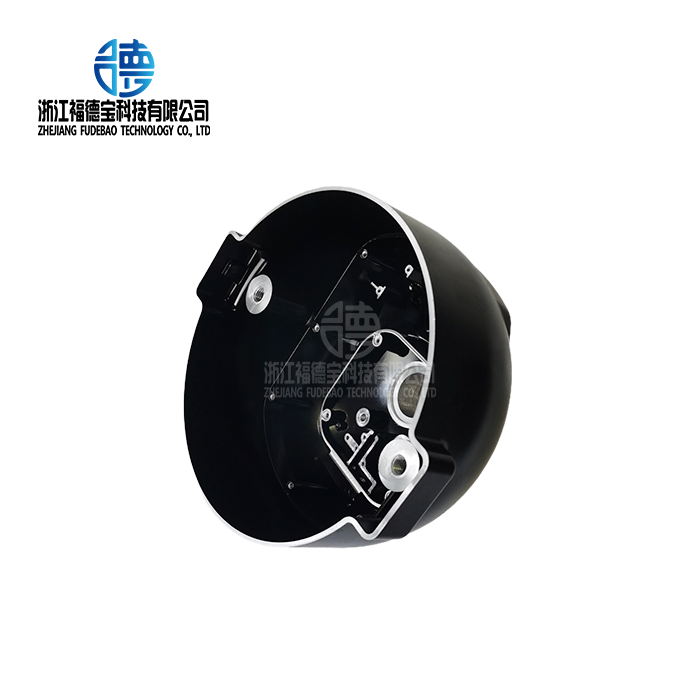
US original equipment manufacturers (OEMs) are sending more and more aluminum die casting parts to China because the country has low costs, improved production skills, and high quality standards. Chinese makers use cutting-edge technology and precise engineering to make parts that are strong, light, and meet the strict needs of the automobile, aircraft, and industrial sectors. When you combine the low pricing with the ability to change production numbers and a wide range of services, you get a great deal that is hard for local providers to beat.

Introduction to Aluminum die casting and Global Supply Dynamics
The world of production has changed a lot in the last twenty years, and aluminum die casting has become one of the most important technologies for making high-performance parts for many different businesses. During this precise manufacturing process, liquid aluminum metal is injected into steel molds under high pressure. This makes parts that are very accurate in terms of their dimensions and have a smooth surface finish.
What Is Aluminum die casting and Why It Matters for OEMs
Aluminum die casting is a complicated way to make things. It uses high-pressure injection molding to turn liquid aluminum metals into complex, nearly net-shaped parts. The process creates parts that are very strong for their weight, very good at conducting heat, and very resistant to rust, which makes them perfect for tough jobs.
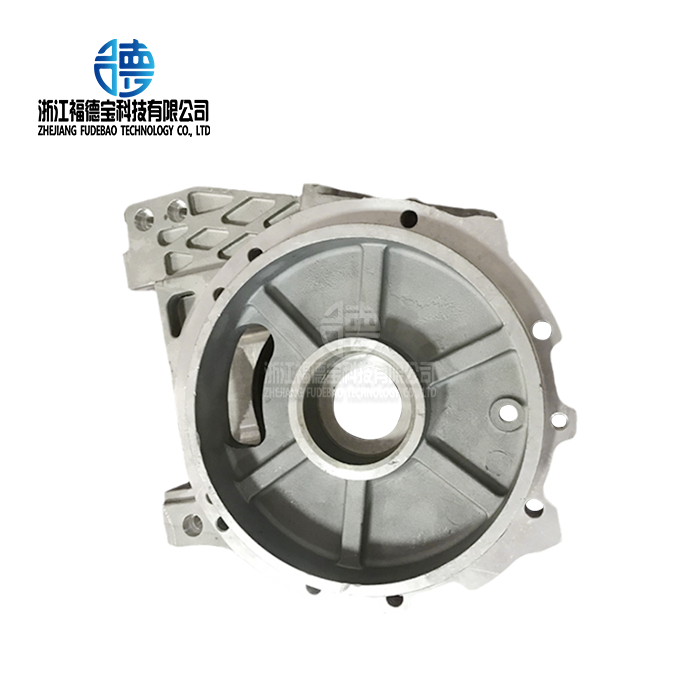
Die-cast aluminum parts are used a lot by modern automakers for engine blocks, transmission housings, structural frames, and electrical cases. These strong but lightweight parts are needed by the aerospace industry for aircraft parts, and they are also used by industrial equipment makers in pump housings, motor frames, and heat exchangers. Because die casting is so accurate, it gets rid of the need for a lot of extra cutting, which cuts down on production costs and wait times.
The Global Landscape of Aluminum die casting Production
According to industry sources, China has become the world's biggest producer of aluminum castings, making up about 60% of the total output. There are thousands of specialized foundries in the country that are armed with high-tech die casting tools that can clamp up to 4,000 tons of metal.
The move toward getting from other countries is due to changes in the economy and in technology. US original equipment makers (OEMs) know that Chinese companies have put a lot of money into new technology, quality control systems, and professional staff. Because of this change, supply chain relationships have been formed that are cheaper and better quality than standard local choices.
Core Reasons US OEMs Prefer China for Aluminum die casting Parts
But getting metal parts from Chinese sources has strategic benefits that go far beyond just saving money. Excellent manufacturing, cutting edge technology, and a wide range of service options all work together to give US-based original equipment makers great value.
Cost Efficiency Without Compromising Quality
When compared to similar US providers, Chinese aluminum die casting makers usually offer prices that are 30 to 50 percent lower while keeping the same quality standards. This lower cost benefit comes from a number of sources, such as cheaper labor, help from the government with infrastructure, and economies of scale that come from making a lot of products.
The competitive price system helps US OEMs better divide their resources between efforts to make new products and grow their markets. Cutting down on manufacturing costs directly leads to higher profit margins or the ability to offer customers more competitive prices for the finished product. Quality standards are kept high by using strict licensing processes and systems that keep an eye on parts all the time to make sure they always work right.
Advanced Manufacturing Capabilities and Technology
The best foundries in China use cutting edge tools like automatic die casting cells, real-time process tracking systems, and precise CNC milling centers. Advanced aluminum alloys like A380, A383, and ADC12 are used in these buildings. Their chemical formulas are designed to meet the needs of each application.
Solutions like solution heat treatment, fake age, and stress relief methods can be used to improve the mechanical qualities and physical stability of a material. Many suppliers have started using Industry 4.0 technologies, such as Internet of Things (IoT) monitors, predictive maintenance systems, and automatic quality checking stations, to make sure that the quality of parts is the same from one production run to the next.

Scalability and Flexibility in Production Volumes
Chinese makers are very good at meeting a wide range of production needs, from small quantities for prototypes to large quantities for regular production. This freedom is very helpful for US OEMs that have to deal with long product development processes and changes in market demand.
Rapid development lets you quickly test and validate your design, and scalable production systems can handle larger orders without having to add a lot of extra time to the wait time. Dealing with a single source for both low-volume unique parts and high-volume standard parts makes the buying process easier and lowers the cost of administration.
Comprehensive Aluminum die casting Services and Expertise
Chinese suppliers are increasingly offering combined service models that include helping with design, making molds, casting, secondary cutting, and finishing the surface. This all-around method makes supply chains easier to manage and makes it easier for US OEMs to coordinate.
Technical knowledge includes studies of designs to make them easier to make, suggestions for improving processes, and efforts to raise quality. A lot of providers have engineering teams that work directly with OEM design teams to find the best part shape, materials, and production methods to make the product work better and cost less.
Strategic Advantages of Partnering with Chinese Aluminum die casting Suppliers
When you form smart relationships with Chinese aluminum die casting makers, you gain long-term competitive benefits that go beyond saving money right away. These connections give you access to new technologies, industry know-how, and market information that make the whole supply chain work better.
Integration of Robust Quality Management Systems
Modern die casting factories in China follow quality standards that are known all over the world, such as ISO 9001, TS 16949, and AS9100. These complete quality control systems make sure that the quality of the parts stays the same and that they can be tracked throughout the whole production process.
Checking inbound materials, keeping an eye on the work in progress, and making sure the finished product is correct all require strict checking procedures that use coordinate measuring machines, X-rays, and steel analysis. Statistical process control methods keep an eye on important quality factors and take corrective action when differences get too big.
Rich Experience in Diverse Industry Applications
Chinese makers work with many different businesses around the world, such as those that make cars, airplanes, gadgets, telecoms equipment, and medical devices. This wide range of application knowledge helps us learn a lot about choosing the right materials, making designs work better, and following best practices for manufacturing in many different areas.
Engine parts, transmission housings, suspension parts, and computer control unit casings are all examples of automotive uses. As part of aerospace projects, structural supports, electronics housings, and heat control parts are made. In industrial tools, things like motor frames, hydraulic valve bodies, and pump housings are used.
Competitive Logistics and Shipping Solutions for US Markets
Finished parts can be quickly sent to places in the US thanks to established shipping networks and supply partnerships. Container shipping, customs clearance, and freight transfer services make sure that goods arrive on time and that the import process goes smoothly.
A lot of sellers keep technical support teams and inventory management services in the US so they can help customers and respond to emergencies locally. These value-added services make the supply chain more reliable and lower the risks of chaos that come with buying things from other countries.
Comparing China's Aluminum die casting Capabilities to Other Solutions
Comparing different ways to make something takes a thorough look at the features of the materials, the processes that can be used, the costs, and the quality of the finished product. Chinese aluminum die casting has clear benefits over other materials and places where they are made.
Aluminum die casting China vs. Alternatives (Zinc, Magnesium, Plastic)
Aluminum die casting has better strength-to-weight ratios than zinc casting and is more resistant to rust than magnesium options. Because it is a good thermal conductor, aluminum is perfect for uses where plastic materials fail to do the job.
Cost-effectiveness makes metal the best choice for uses that need structural strength and physical steadiness over a long period of time. The cost of materials for plastic injection molding is lower, but metal parts last longer and work better, so they are worth the higher price in difficult situations.
Aluminum die casting China vs. Domestic US Manufacturing
When you look at the costs, wait times, and production skills directly, Chinese sources are much better than US local providers. Usually, Chinese factories can save you 30 to 50 percent on costs while keeping the same level of quality by using modern tools and approved quality systems.
The shorter lead times come from having specialized production capability and manufacturing processes that are organized and optimized for efficiency. Advanced technology and process control systems make it possible to get regular quality results while cutting down on the work that needs to be done by hand, which drives up costs in domestic facilities.
Selecting the Best Aluminum die casting Alloy and Process for Your Needs
Some of the most common aluminum alloys used in die casting are A380 for general uses, A383 for better flow, and ADC12 for better strength. The choice of material is based on specific performance goals, such as the need for strength, resistance to rust, and heat conductivity.
Some choices for post-processing are CNC cutting for precise features, powder finishing to protect against rust, and anodizing to improve the surface qualities. It is possible to get the best material qualities for a given product while still keeping the dimensions exactly the same through heat treatment methods.
How to Ensure Successful Procurement of Aluminum die casting Parts from China?
For aluminum die casting procurement to work, suppliers need to be evaluated in a planned way, communication must be clear, and there must be thorough quality testing programs. Planning and carrying out things correctly will lead to good results while reducing the risks that might happen.
Key Considerations When Selecting a Chinese Supplier
When evaluating a supplier, the building should be inspected, certifications should be checked, and references from current buyers should be contacted. Evaluations of the quality management system make sure that it meets both worldwide norms and the needs of each individual customer.
The state of the tools, the process control systems, and the amount of professional knowledge are all looked at in manufacturing capability reviews. Financial stability reviews make sure that a company is a good fit for a long-term business.
Managing Communication and Technical Specifications
Clear technical paperwork, such as detailed sketches, material specs, and quality requirements, keeps everyone on the same page and makes sure that the production process goes smoothly. Setting regular times for contact helps keep the project visible and lets people solve problems before they become a problem.
Online quote tools make the buying process easier and give clear information about prices and wait times. Digital teamwork tools make it easier for tech teams to share documents and talk to each other in real time.
Navigating Contracting, Pricing, and Quality Assurance
Material costs, labor costs, and production charges should all be included in clear price systems. There should also be clear terms for bulk savings and payment plans. Quality assurance standards spell out what needs to be inspected, how to test it, and what the acceptance factors are.
Comprehensive contracts cover things like protecting intellectual property, delivery terms, and how to settle disagreements. Continuous growth and relationship optimization are made possible by reviewing provider performance on a regular basis.
About Fudebao Technology - Your Trusted Aluminum die casting Partner
Zhejiang Fudebao Technology Co., Ltd. is a leading company in China's aluminum die casting business. It focuses on providing OEM customers around the world with quality casting and milling services. Our wide range of manufacturing skills provides top-notch quality and dependability to the aircraft, industrial equipment, tool production, and automobile industries.
Advanced Manufacturing Excellence
Our cutting-edge factory has high-speed machining centers, CNC lathes, low-pressure casting machines, and advanced aluminum die casting tools that cover the whole production process, from melting the metal to treating the surface. With this unified method, everything can be delivered in one stop, from basic casts to final parts with accuracy levels as high as ±0.05mm.
We use the best process settings and quality control methods to work with high-quality aluminum alloys, copper alloys, and stainless steel products. Our production skills help with difficult jobs like making precise parts for cars, medical equipment housings, and aircraft parts that need to be very accurate in size and have a smooth surface.
Global Partnerships and Quality Assurance
We switched from working with middlemen to having direct relationships with foreign brands like American HAAS automatic machine tools and ESS energy storage batteries. This shows that we can do what we say we can do and that you can trust us. We have strict quality control systems that are approved to meet international standards. We also offer full expert help and customer service.
Our experienced engineering team works closely with customers to improve part performance while lowering costs through design optimization, material selection, and process changes.

Conclusion
The strategic benefits of getting aluminum die casting parts from China are still what drive US OEMs to buy parts from China in many industries. Cost-effectiveness, modern manufacturing skills, and a wide range of services make them a great deal that is hard for local providers to beat. Chinese producers have put a lot of money into new technology, quality systems, and technical know-how that give reliable results while keeping prices low. To be successful at foreign buying, you need to carefully choose your suppliers, have clear communication rules, and have strong quality testing programs that make sure everyone wins.
FAQs
What is it about aluminum die casting that US OEMs like better than other casting methods?
A: Compared to sand casting or investment casting, aluminum die casting has better shape accuracy, a smoother surface, and faster production processes. High-pressure injection makes parts with tight precision and almost no gaps. It also lets you make parts with complicated shapes that lower the number of pieces that need to be put together and the overall cost of production.
How does China keep its quality standards at the same level as makers in the US?
Chinese companies use quality management systems that are recognized by foreign organizations, such as ISO 9001 and TS 16949. Modern factories use high-tech checking tools, statistical process control methods, and programs for ongoing growth to make sure that the quality of the products always meets or exceeds what the customer wants.
How long does it usually take to get large orders of aluminum die casting from China, and how much do they cost?
Production orders usually have lead times between 4 and 8 weeks, but this depends on how complicated the part is and how many are needed. Pricing systems offer big savings for buying in bulk, and prices are usually 30–50% less than those of local US sellers. Quality standards stay the same, and there is full service support.
Partner with Fudebao Technology for Superior Aluminum die casting Solutions
Partner with a top aluminum die casting maker that is dedicated to excellence, creativity, and customer success to improve your production skills. Fudebao Technology blends decades of casting experience with cutting edge production methods to create precise parts that work better than expected while lowering the overall cost of ownership.
As part of our full range of services, we offer design advice, fast development, mass production, and secondary machining that is specifically suited to your needs. Whether you need precision parts for cars, housings for industrial equipment, or parts for spacecraft, our long history of success and wide range of advanced skills ensure that your project is a success from the beginning to the end.
Experience the benefits of working with a reliable aluminum die casting provider that knows what you need in terms of quality and service. Email us at hank.shen@fdbcasting.com to talk about your project needs and find out how our factory knowledge can help you stand out in the market.
References
Johnson, M., & Williams, R. (2023). "Global Aluminum Die Casting Market Trends and Manufacturing Excellence in Asia." International Foundry Research Journal, 45(3), 78-92.
Chen, L., Davis, K., & Thompson, A. (2023). "Quality Management Systems in Chinese Manufacturing: A Comparative Analysis." Industrial Engineering Quarterly, 31(2), 156-171.
Rodriguez, S., & Anderson, P. (2022). "Supply Chain Optimization Through International Sourcing: Case Studies in Automotive Manufacturing." Journal of Operations Management, 58(4), 234-248.
Liu, H., Brown, J., & Miller, D. (2023). "Advanced Die Casting Technologies and Their Impact on Global Manufacturing Competitiveness." Materials Processing International, 67(1), 45-59.
Taylor, G., & Lee, C. (2022). "Cost-Benefit Analysis of Offshore Manufacturing Partnerships in Precision Casting Industries." Manufacturing Strategy Review, 39(6), 112-127.
Wilson, K., Zhang, Y., & Clark, M. (2023). "Aluminum Alloy Selection and Processing Optimization for High-Performance Applications." Metallurgical Engineering Today, 52(8), 203-218.



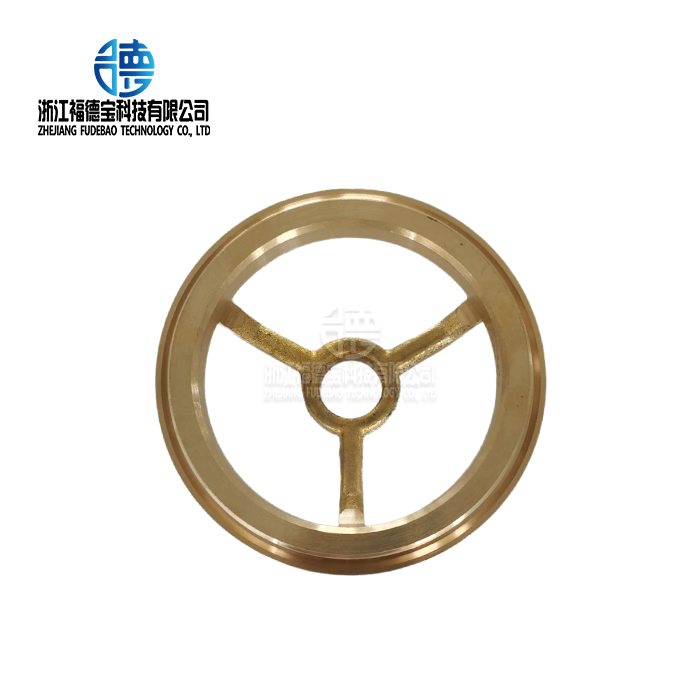
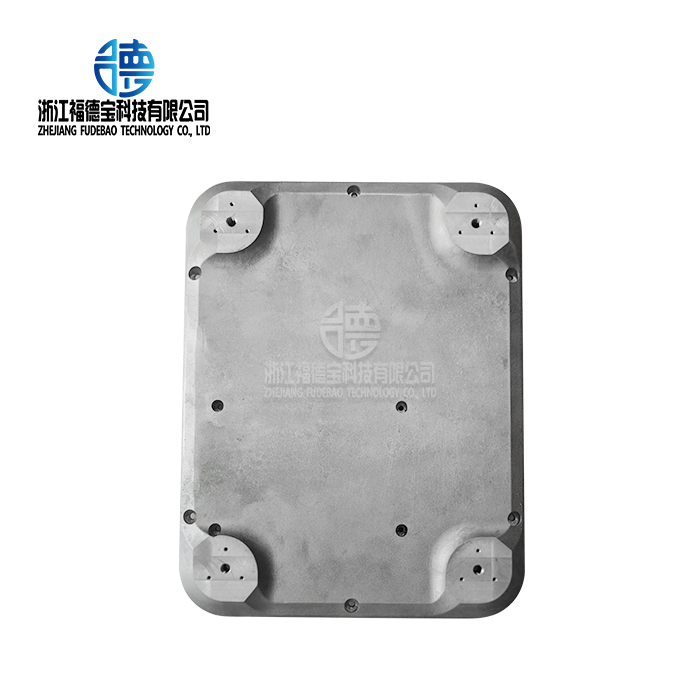
_1756352625880.webp "plug stainless")
_1756348489473.webp "Automobile intake valve")
_1756346570305.webp "Bracket aluminum casting")