Why Alloy Copper Casting Is Used in Aerospace Applications?
2026-06-24
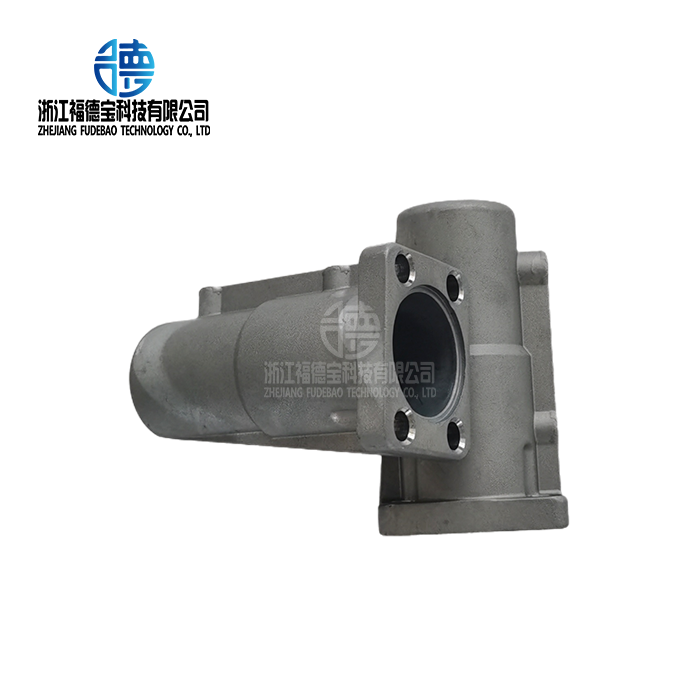
In aircraft manufacturing, alloy copper casting is very important because it has a special mix of thermal conductivity, electrical performance, and mechanical power that not many other materials can match. Extreme temperatures and stress are put on flight systems, but copper metals like Beryllium copper and Aluminum bronze keep their structure and get rid of heat well. Casting lets engineers make complicated shapes with very close tolerances, which meets the high standards needed for aircraft uses without having to spend a lot of money on machining. This way of making things solves some very important problems, like how to make parts that can handle vibration, don't rust in different types of weather, and safely carry electricity for thousands of flight hours.
Understanding Alloy Copper Casting in Aerospace
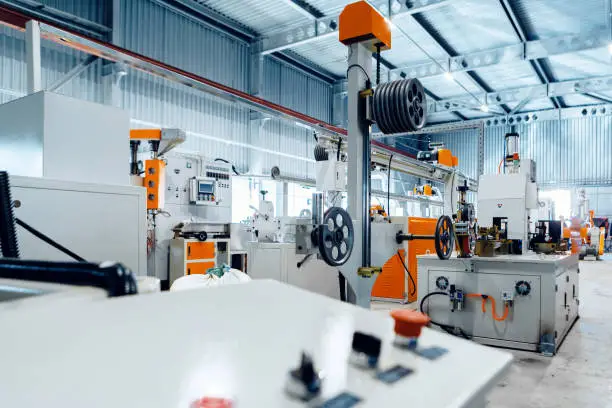
The Fundamentals of Copper Alloy Casting Process
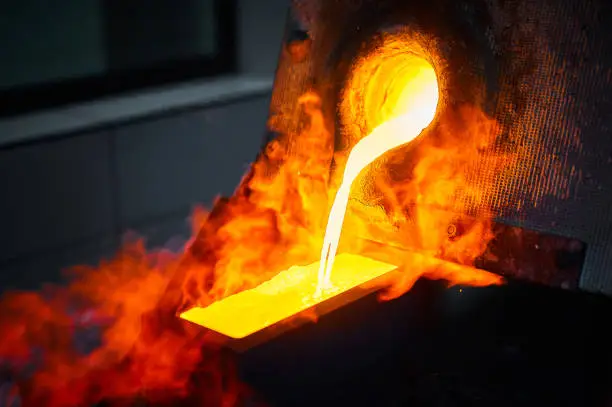
Copper alloy casting turns liquid metal into precise parts by carefully cooling it down in specially designed molds. At the start of the process, certain copper metals are melted at temperatures ranging from 900°C to 1,100°C, usually Beryllium copper, Phosphor bronze, or Aluminum bronze. These metals were chosen because they have qualities that are useful in aircraft. For example, Beryllium copper has a tensile strength of almost 1,400 MPa and Aluminum bronze is very resistant to corrosion in both marine and atmospheric settings.
During the mold creation phase, pattern makers have to think about shrinking rates, which are usually between 1.5% and 2.1% for copper alloys, and include gating systems that make sure the filling process goes smoothly. To keep gases from getting trapped and to make sure that the solidification environment cools in a way that gets rid of internal stress concentrations, it needs to be carefully controlled. Computerized solidification modeling is used in modern aircraft foundries to predict temperature gradients and find the best way to cool the metal.
Material Selection for Aerospace Requirements
When aerospace buying teams buy copper alloys, they use strict performance standards that regular industry grades can't meet. Because it has a yield strength of 1.2 GPa and an electrical conductivity of 22% IACS, Beryllium copper (C17200) is a good choice for landing gear joints and non-sparking tools used in fuel system repair. Phosphor bronze (C52100) is used in electrical connectors and spring parts that must not wear out after millions of repetitions. Aluminum bronze types (C95400 and C95500) are most commonly used in places that need strength and resistance to corrosion in salt water. This makes them perfect for parts of military aircraft and airport structures near the coast.
As part of the selection process, the thermal expansion coefficients of neighboring materials are matched to keep the system from stressing out when the temperature changes from -55°C at high altitude to over 200°C in the engine bay. Material datasheets that meet aircraft standards like AMS 4640 and AMS 4880 give quality assurance teams the tracking information they need throughout the lifecycles of components.
Temperature Control and Casting Precision
To get dimensions that are accurate enough for aircraft use, pouring temps must stay within ±10°C of the best ranges for each alloy. Beryllium copper needs to be poured at around 1,150°C to make sure that the mold is completely filled without being too flexible, which can cause the cast to wear away. It works best when it's a little cooler, around 1,080°C. This keeps its springy traits by keeping the grains from getting hard.
Precision casting methods used in aircraft regularly reach ±0.13mm accuracy on key dimensions, which lowers the need for subsequent machining steps that could create stress peaks on the surface. Using ceramic shell molds for investment casting gives surfaces with a roughness of 3.2 μm Ra right after the casting process. This is a finish quality that reduces the number of places where fatigue cracks start in high-cycle loading situations. These strict controls make sure that parts stay the right size so that they don't interfere with each other and have accurate electrical touch areas for many years.
Why Copper Alloy Casting Is Preferred for Aerospace Components
Thermal and Electrical Conductivity Advantages
Aerospace systems produce a lot of heat that needs to be controlled well to keep electronics from breaking down and structures from collapsing. Copper alloy casts have thermal conductivity values that range from 120 W/m·K for Aluminum bronze to over 200 W/m·K for some Phosphor bronze mixtures. Aluminum has a hard time matching these levels of performance while still being strong enough. This ability to control temperature is very important in places like electrical bus bars, motor housings, and heat sink assemblies where part temperatures need to stay below certain levels all the time.
Another area where copper casting performs admirably in aerospace uses is electrical conductivity. High-conductivity copper casts are used in circuit breaker parts and grounding systems to keep resistance values below 0.02 Ω across connection surfaces. This keeps power distribution networks' voltage drops to a minimum. The casting process makes one-piece structures that get rid of the problems that come with connected parts and their contact resistance. This makes the system more reliable while reducing the complexity and weight of the assembly.
Corrosion and Wear Resistance in Harsh Environments
From the salty air along the coast during takeoffs to subzero temperatures at cruising altitude and back to tropical humidity during ground operations, aircraft work in a wide range of harsh environments that test the sturdiness of materials. When Aluminum bronze castings are scratched, they make a protective oxide layer that heals itself. This layer protects against rust for a long time without needing to be maintained or re-coated often. Because of this, they are very useful for parts of landing gear, door hinges, and actuator housings that are open to weather and hydraulic fluids.
When metals rub against each other under load, wear resistance is very important on bearing surfaces and slide contacts. Castings made of Leaded tin bronze and Aluminum bronze are more resistant to galling than steel-on-steel contacts. This keeps flight control systems from having a catastrophic seizure. Because copper alloys are naturally lubricious, they need less upkeep and can last longer between replacement rounds. This means that aerospace workers save money over the course of their equipment's life.
Strength-to-Weight Ratio and Material Comparison
Because they are not very dense, aluminum alloys are most often used for structural purposes in aircraft. Copper alloy castings, on the other hand, fill in the gaps where aluminum's features fall short. Beryllium copper has yield strengths that are similar to heat-treated steel, but it is only 8.3 g/cm³ heavy, compared to 7.85 g/cm³ for steel. This small weight difference is made up for by its excellent electrical conductivity and lack of magnetic properties, which are important for aircraft mounting gear.
When comparing the casting and forging methods, there are clear benefits for shapes that aren't simple. When copper parts are investment-cast, they can have complex internal openings for fluid flow or cooling channels that would need a lot of machining to make from forged stock. This near-net-shape ability cuts down on material waste from the usual 60% in machined forgings to less than 15% in precise casts. This lowers the cost of materials and the damage they do to the environment. Because changing mold shapes is much cheaper than retooling forging dies, the casting method also allows for more design changes during the prototype process.
Copper Casting Techniques and Methods Suitable for Aerospace
Sand Casting for Large Aerospace Components
Sand casting is still used to make big copper alloy housings, mounting brackets, and structural parts when the quantity doesn't warrant investing in a fixed mold. Molds that can handle the 1,100°C pour temperatures needed for Aluminum bronze and Manganese bronze alloys are made with fused silica sand that is shaped around disposable designs. Modern military sand casting uses synthetic binders and automatic molding tools to make parts with ±0.8mm tolerances on non-critical features that are consistently the same size.
This method works great for making small amounts of hardware for testing or for replacing parts in old airplane systems that no longer have their original tools in copper casting. Sand molds can hold cores that make valve bodies and fluid pipes with complicated internal spaces that would be too expensive to make any other way. Radiographic checking is used for quality control to find internal holes, and ultrasonic testing is used to make sure the material is sound throughout the casting volume.
Investment Casting for Precision Aerospace Parts
Investment casting, which is also called "lost-wax casting," is the best way to make copper parts for aircraft applications that need to be very accurate in size and have a smooth surface. The process creates ceramic shell molds from wax designs that melt away when the mold is heated up, leaving holes that can copy fine details with a precision of 0.1 mm. With this feature, electrical connecting bodies can be made that have mounting holes, cooling fins, and threaded inserts all built in at the same time.
Aerospace-approved investment casting facilities keep controlled atmospheres during filling to keep oxidation and gas pickup to a minimum, which could damage the qualities of the material. Ceramic plates don't break down when heated and cooled many times, so castings with as-cast surfaces measure 1.6 to 3.2 μm Ra usually don't need any finishing other than a light polish. Dimensional limits of ±0.13mm are usually met on key interfaces, which meets the strict needs for mating surfaces and alignment features in aircraft systems. After being cast, the qualities are improved by heat treatment. For example, 315°C precipitation hardening makes Beryllium copper the hardest, and controlled cooling from solution treatment temperatures makes Aluminum bronze the toughest.
Die Casting and Permanent Mold Methods
Permanent mold casting and die casting are good ways to make a lot of smaller copper alloy parts where the cost of the tools is justified by the need for consistent dimensions and fast cycle times. When you die cast, you press liquid metal into steel molds, which makes dense casts with few holes and good mechanical qualities. This method works well with copper metals that don't melt as easily, such as Leaded tin bronze and some types of brass used in electrical connectors and fittings.
Permanent mold gravity casting is a middle ground that uses metal forms that can be used again and again without using pressure injection. This method makes Phosphor bronze bushings and bearing housings that always have the same grain patterns and mechanical features. Metal molds cool quickly, which finetunes the grain size and makes the metal stronger and more flexible than sand-cast metals. A lot of the time, aerospace suppliers use both fixed mold casting and CNC machining to get the ±0.05mm tolerances needed for accurate pilot holes and interference-fit bearing installs.
Quality Control and Defect Prevention
The quality standards for aerospace castings are higher than those for commercial castings. This means that they need to go through strict screening procedures that check for both physical accuracy and internal integrity. Common flaws, like gas porosity, happen when dissolved hydrogen crystallizes during solidification. This leaves holes in the material that weakens the pressure limits and wear strength. These days, foundries use controlled melting atmospheres, inert gases to get rid of the gas, and deoxidizers like phosphorus adds to get rid of dissolved oxygen before dumping.
When not enough feed metal gets to the parts that harden last, leaving holes or hot tears, this is called shrinkage flaws. During mold design, simulation software suggests these trouble spots, which lets engineers place lifters and chills that move solidification gradually toward feed sources. Non-destructive testing confirms that the casting is sound: x-rays show any holes or openings inside the material, dye penetrant tests find cracks on the surface, and ultrasound tests show changes in the material's density. Parts that are going to be used in important aircraft applications are inspected one hundred percent and can be tracked back to their melt batch, pouring settings, and test results.
Procurement Considerations for Alloy Copper Casting in Aerospace
Certification and Quality Standards Requirements
When buying aerospace parts, suppliers have to follow strict approval programs that check their quality management and process control systems. A foundry's ability to regularly make aerospace-grade copper parts is shown by its NADCAP (National Aerospace and Defense Contractors Accreditation Program) approval for non-ferrous casting. This audit by a third party looks at everything, from the methods used for heat treatment and final inspection to making sure that the arriving materials are correct and that the melt chemistry is controlled.
ISO 9001 certification is a basic quality management system, but more and more aerospace buyers want AS9100 certification, which adds aviation-specific standards for managing configurations, tracking them, and assessing risks. Suppliers must keep material approvals that can be tracked back to the original mill sources and keep records of the alloy makeup for each production lot through spectrographic analysis. This paper trail helps with failure reviews and makes sure that replacement parts fit the original material's specs even decades after the first ones were made.
Supplier Evaluation and Selection Criteria
When looking for a copper casting partner for aircraft uses, you need to look at more than just basic foundry processes. Suppliers that want to work with military metals like Beryllium copper and Nickel-aluminum bronze should show that they have experience with these materials and know how to handle toxic beryllium dust during machining and finishing. For important jobs that need very little gas, foundries should have vacuum melting systems and spectrographic monitors on hand to check the chemistry in real time.
Evaluation of production capacity includes both prototype freedom and scale scalability. Before ramping up to production numbers that could range from hundreds to thousands of units per year, aerospace projects usually start with small runs of prototypes for qualification testing. The perfect provider keeps their tools flexible so they can adapt to changes in engineering that happen during development. They should also have enough capacity to meet production plans without lowering quality when they are under a lot of pressure to deliver. Process discipline can be seen on-site through well-organized routines, properly calibrated inspection tools, and thorough traveler paperwork. These are all signs of mature manufacturing operations that can support long-term aerospace projects.
Managing Custom Orders and Delivery Timelines
Because of the need to buy materials, make tools, check the first product, and pass qualification tests, getting an aerospace casting takes longer than getting one for a business use. Including pattern making, mold development, and dimensional approval rounds, the first sample castings usually take 12 to 16 weeks to deliver from the time the order is placed until it is delivered. Once approval is complete, production orders can be made in 8 to 12 weeks, based on how complicated they are and how many are being made.
Good buying strategies keep extra parts on hand in case they take a long time to arrive, and they also allow for changes in engineering that are bound to happen during aerospace development projects. Making sure that sellers know which dimensions are the most important helps them plan the best way to make things. For example, telling foundries which features need the tightest tolerances lets them place those areas so that they can access the mold easily and with little distortion. When you make framework deals with qualified suppliers, it's easier to place repeat orders because you don't have to look over the same paperwork twice. This also lets you respond faster to schedule accelerations when program timelines get squished.
Future Trends and Innovations in Copper Alloy Casting for Aerospace
Advanced Temperature Control Technologies
Next-generation casting methods use automatic control systems and real-time temperature tracking to keep the ideal temperature conditions during the solidification cycle. Infrared pyrometers measure the temperature of the mold's surface and send that information to control algorithms. These algorithms change the rate of cooling by changing the flow of water through the mold's pathways or the flow of air in the room. Because of this accuracy, the thermal gradients that cause leftover stress and physical warping in complex molds are stopped.
Induction heating systems let you selectively heat different parts of the mold before filling. This makes sure that the temperature is evenly distributed and lets you control the direction of solidification to get rid of shrinking problems. These technologies are especially helpful for thin-wall aircraft castings, where fast heat extraction can cause the metal to solidify too quickly and leave gaps in the mold during filling. Even better thermal management could be found in phase-change materials for mold building. These materials contain chemicals that absorb or release heat at certain temperatures to smooth out changes in temperature while metal solidifies.
Additive Manufacturing Integration
When additive metal deposition is combined with standard casting, it creates new design options for copper aircraft parts. Engineers can 3D print complicated core structures out of clay or dissolvable materials, which lets them make internal shapes that aren't possible with traditional methods of core-making. These improved cores make it possible for electrical housings to have better cooling channels or for structural frames to have lattice structures that reduce weight.
Additive manufacturing also changes the way patterns and molds are made, cutting the time it takes to make a sample from weeks to days. Direct metal printing of casting molds using high-temperature alloys lets you try different versions of a design quickly without having to buy expensive fixed tools. Some foundries are looking into printing copper alloy parts directly for very small aircraft uses. However, the current additive methods aren't able to match the material properties and surface finishes that can be achieved through optimized casting routes.
Sustainability and Lightweight Material Strategies
Environmental laws and company pledges to sustainability push aerospace makers to find and process materials in more environmentally friendly ways. Copper alloys are naturally good at being recycled—scrap casts and machining chips can go back into furnaces without losing any of their properties, making a closed-loop material cycle. Modern foundries collect and clean process emissions, collecting particulate matter for recycling and reducing the amount of pollution released into the air.
Copper-aluminum composite castings combine the low density of aluminum with carefully placed copper alloy pieces that provide electrical conductivity or wear resistance exactly where it's needed. Topology optimization software finds non-load-bearing material that can be taken out of cast parts to make them lighter by 20% to 30% without affecting their structural performance. These new ideas help aircraft companies meet their goals for reducing emissions and using less fuel without changing the special qualities of copper alloys that are needed for some very important tasks.
Conclusion
In conclusion, alloy copper casting is used in aircraft because it has the best thermal performance, electrical conductivity, and mechanical longevity in harsh working situations. The manufacturing processes, which include investment casting and advanced permanent mold techniques, make precise parts that meet strict aircraft standards and give designers more freedom than with other production methods. Partnering with approved providers who can show process control, material traceability, and technical know-how in aerospace-specific alloy systems is key to successful procurement. As aviation technology moves toward electric propulsion and stricter thermal management needs, copper alloy castings will play a bigger role. This will be made possible by improvements in process control, hybrid manufacturing, and environmentally friendly material practices that are in line with the industry's environmental commitments.
FAQ
Why do copper alloys perform well in extreme aerospace conditions?
Copper alloys keep their mechanical qualities from very cold temperatures to 400°C. This is different from polymers, which break down at high temperatures, or aluminum alloys, which lose their strength. Their thermal stability keeps them from deforming over time when they are exposed to high temperatures for a long time in engine rooms or electrical enclosures.
How does copper casting compare to bronze casting in terms of durability?
The comparison is based on the specifics of the metal, not on the difference between copper and bronze. Because protective oxides form, Aluminum bronze castings usually last longer than normal copper in corrosive settings. However, Beryllium copper is stronger than both of them in its pure state. The best choice of material goes beyond general material types and depends on the application.
What safety precautions are essential during copper alloy casting?
Beryllium copper needs strict dust control when it is being machined or ground because beryllium particles are dangerous to breathe in and need air and protective gear for workers. When working with molten copper alloys, you need to wear the right safety gear, like clothes made of aluminum that is resistant to heat and a face shield. Foundries need to set up lockout-tagout processes for furnace maintenance and metal spill emergency action plans.
Partner with Fudebao Technology for Aerospace-Grade Copper Casting Solutions
When buying things for aerospace, you need people who know how to strike the right mix between the performance of the materials, the accuracy of the manufacturing, and following the rules. At Fudebao Technology, we've built a name as a reliable copper casting supplier by making parts that meet the strict standards needed for aerospace uses. Our factory has advanced low-pressure casting systems and high-precision CNC machining centers that can hold tolerances of ±0.05mm. This makes sure that your copper alloy parts are ready to be put together without any problems with their dimensions or surfaces.
We help with the whole development process, from making test tools to increasing the number of items being made. We keep track of all the materials and provide proof paperwork that meets the requirements of aerospace quality checks. Our technical team works directly with your engineering staff to make sure that designs are optimized for production while keeping performance characteristics. This is true whether you need Beryllium copper electrical housings, Aluminum bronze structure brackets, or Phosphor bronze bearing kits. Hank Shen, our aerospace expert, can be reached at hank.shen@fdbcasting.com to talk about your copper casting needs and find out how our combined casting and machining services can help you save time and money while meeting the reliability needs of aircraft applications.
References
Davis, J.R. (2001). Copper and Copper Alloys: ASM Specialty Handbook. ASM International, Materials Park, Ohio.
Campbell, J. (2015). Complete Casting Handbook: Metal Casting Processes, Metallurgy, Techniques and Design (2nd Edition). Butterworth-Heinemann, Oxford.
Mouritz, A.P. (2012). Introduction to Aerospace Materials. Woodhead Publishing, Cambridge, United Kingdom.
American Foundry Society (2018). Copper-Base Alloys: Foundry Practice and Performance Standards. AFS Technical Publication, Des Plaines, Illinois.
SAE International (2020). AMS 4640: Copper Alloy Castings, Beryllium-Copper for Aerospace Applications. SAE Aerospace Material Specification, Warrendale, Pennsylvania.
European Copper Institute (2019). Copper Alloys in Marine and Aerospace Environments: Performance and Application Guidelines. Brussels, Belgium.



YOU MAY LIKE
_1756348543350.webp "Automotive Turbine Casting")
_1756361494985.webp "sliding block copper castings")
_1756352340434.webp "Aluminum chassis cover")
_1756348356531.webp "Automobile engine oil pan")