Copper Casting for Electrical Components: Benefits and Manufacturing Methods
2026-06-24
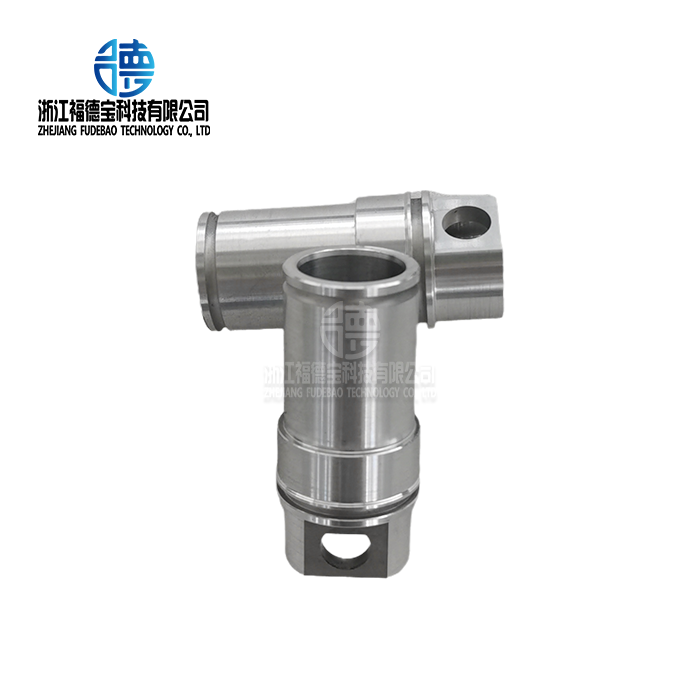
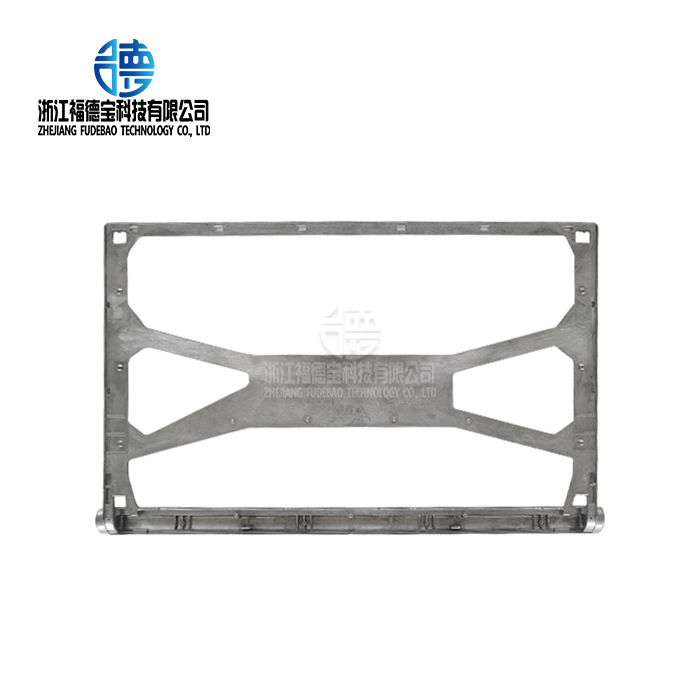
Copper casting stands out as a crucial production process when it comes to making trustworthy electrical components. Using controlled pouring and solidification to shape molten copper alloys into exact forms, this method makes parts that are very good at conducting electricity, managing heat, and lasting a long time. The process can make complicated shapes that aren't possible with traditional machining. This makes it essential for electrical and energy equipment that distributes power, motor housings, links, and parts that remove heat.
Understanding Copper Casting and Its Role in Electrical Components
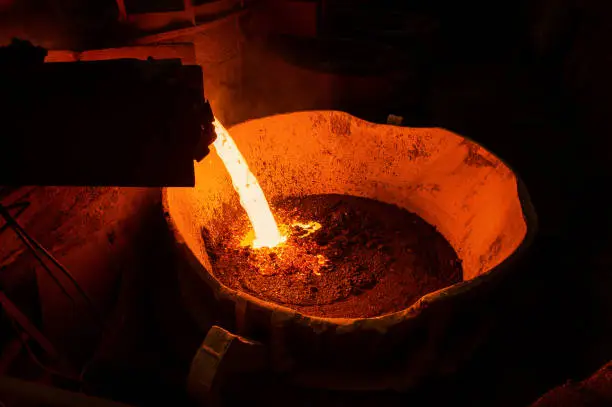
Copper casting is a specialized metalworking process where liquid copper alloys, such as brasses, bronzes, and cupronickels, are put into precise molds to make parts with complex shapes and strong construction. This method is very different from worked manufacturing because it allows for near-net-shape production, which lowers cutting costs by a large amount while keeping the accuracy of the dimensions. The technique solves some of the biggest problems in the industry, like making it easier to machine complicated internal cavities in hard alloys, making it possible to make parts that don't rust in harsh environments, and making it possible to make parts that need to be both strong and good at transferring heat.
The Manufacturing Process Explained
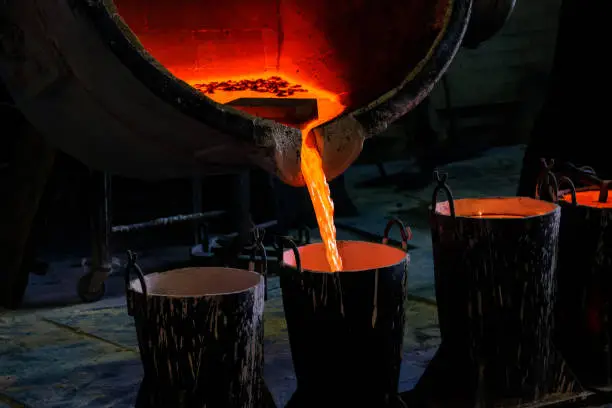
The first step in the copper casting process is to melt the chosen copper metal in controlled ovens that are hotter than 1,000°C. Managing temperatures precisely makes sure that flow is correct and rust is kept to a minimum. When the molten metal reaches the right temperature for pouring, it runs into ready molds, which can be sand, investment, or permanent molds. It fills holes that are made to look like the final part's shape. The next step is controlled cooling, which lets the metal slowly harden to avoid internal strains and flaws. Some of the things that are done after casting are removing the model, cutting the gates, heat treating to improve the mechanical properties, and finishing processes like CNC machining to get very tight tolerances. The detailed steps in this process meet the exact needs of industrial clients who want parts that work well and last a long time.
Why Electrical Applications Rely on Copper Castings
Materials for electrical structures need to reduce resistance losses as much as possible, get rid of heat quickly, and be able to handle weather stresses. Copper metals are great in these places because they are naturally conductive—only silver is better—and they can form oxide layers that protect them from corrosion. Casting makes it possible for makers to make parts with cooling channels, mounting features, and electrical paths built in all at once, which makes assembly easier. In global B2B markets, procurement managers and engineers know that understanding these technology benefits helps them choose the best parts and evaluate suppliers more accurately.
Common Copper Casting Techniques for Electrical Components
Depending on the amount being made, the difficulty of the design, and the cost, each casting method has its own benefits. Choosing the right method has a direct effect on the quality of the parts, the efficiency of production, and the total cost of the project.
Sand Casting for Complex Geometries
Sand casting is still the most flexible way to make copper alloy parts with complicated internal spaces and odd forms. Using disposable sand molds to make shapes from models, this method lets engineers make valves, housings, and junction boxes with built-in features that would need a lot of cutting to make with other methods. This method can be used for both small-scale prototypes and medium-scale production, so it can be used to make custom electrical casings and unique connecting bodies. Even though the surface finish might need more work, sand casting is a good option for companies that make electrical parts that need to meet a wide range of requirements because it allows for design freedom and low-cost tools.
Investment Casting for Precision Parts
Investment casting, which is also called lost-wax casting, makes small to medium-sized electrical parts with very accurate dimensions and smooth surfaces. By putting clay shells around wax figures and melting them off before pouring, this method makes molds with a lot of detail. Because of this, the accuracy is good for making circuit breaker arms, terminal blocks, and complicated grounding clamps that need to be very accurate. Investment casting cuts down on wasteful material use and the need for extra machining. This makes it possible to make high-performance electrical gear that meets standards like ASTM B584 and EN 1982 at a low cost.
Centrifugal and Continuous Casting Methods
Centrifugal casting uses centrifugal force to make dense, impurity-free circular parts like bushings and cylindrical housings used in motor systems. During pouring, the mold is rotated. This method makes the material stronger by pushing lighter flaws into the casting, where they can be cut out. Continuous casting, on the other hand, makes it possible to make a lot of cross-sections that are all the same, like bars and tubes, which are then used to make more electrical components. Both methods stress the quality of the materials and the speed of the production process, which is in line with the scalability and dependability goals of B2B buying. Industrial clients can make smart choices about the best copper casting method for their needs if they understand these technical details.
Addressing Quality and Safety in Copper Casting
In copper casting, quality control and safety are very important, especially when making electrical parts where the purity of the material directly affects how well they work and how reliably they operate. Tough quality control is necessary because flaws hurt transmission, cause hot spots, and shorten the life of parts.
Common Defects and Prevention Strategies
A common problem in copper casting is gas porosity, which is caused by hydrogen absorption during melting. To keep this under control, we use strict melting methods that include removing gases with nitrogen or argon, adding deoxidizers like phosphorus copper, and creating locking systems that make sure the solidification goes in the right way. Shrinkage holes happen when places that solidify last don't get enough molten metal, which needs careful riser design and temperature modeling. By properly filtering the melt and keeping the ladle clean, inclusions (foreign bits stuck in the casting) are kept to a minimum. Too big of a difference in temperature can cause cracks, so cooling rates need to be controlled and the right metal needs to be chosen. As part of quality control, items are looked at visually, their sizes are checked with coordinate measure tools, they are x-rayed to make sure they are structurally sound, and their electrical conductivity is tested to make sure they meet certain properties.
Safety Protocols for Foundry Operations
To properly handle molten copper, you need to follow strict procedures and wear safety gear. To stay safe from splashes and direct heat, workers must wear clothes that can handle the heat, face shields, and safety shoes. To deal with metal fumes, foundries need to have enough air, especially when melting alloys that contain zinc or other volatile elements. Crucible handling methods keep spills from happening by keeping tools in good shape and teaching operators on how to use them. Possible emergencies are covered in emergency reaction plans, which include specific fire suppression devices that can put out metal fires. By drawing attention to these practices, industrial procurement workers and engineering teams can find suppliers who put quality and safety compliance first. This lowers production risks and makes sure that parts last a long time.
Procurement Considerations for Copper Casting Supplies and Services
To get high-quality copper alloy parts that meet electrical performance requirements while keeping costs low, you need to have good buying strategies. When industrial customers choose a provider, how the product is made, and what materials are used, they are making choices that have direct effects on the reliability of the product and the timeline for the project.
Evaluating Supplier Capabilities and Certifications
Procurement teams should look at foundry certifications like ISO 9001 for quality management and industry-specific standards like IATF 16949 for car uses when they are looking for copper casting sources. Supplier checks show what equipment a foundry has, like how big its furnace is, what molding technologies it uses, and what checking tools it has. This helps you figure out if the foundry can handle the complexity and number of your parts. Ask for records of similar projects that have been done in the past, paying close attention to how well they met physical accuracy goals, how many defects they had, and how quickly they were completed. Strategic sourcing directors can benefit from working with foundries that offer technical teamwork during the design phase. Casting experts can improve geometries so they are easier to make while still keeping electrical performance.
Custom Casting Versus In-House Manufacturing
A careful cost-benefit study is needed to decide whether to outsource to specialized foundries or build up your own casting capabilities. Specialized copper casting providers bring years of experience, improved methods, and economies of scale that help most companies that make electrical parts lower the cost per unit. Foundries keep skilled metallurgists, high-tech testing tools, and tried-and-true quality systems that would cost a lot to set up in-house. Outsourcing also gives sellers more control over production, so they can increase or decrease the amount they make without having to buy expensive equipment that might not be used when demand changes. Casting parts in-house only makes sense for businesses that need a lot of them over and over, have their own metal recipes, or want to strategically integrate their casting operations with other parts of their business. By using these buying tips, industrial clients can improve their supply lines, keep costs low, and get better casting results that meet their needs.
Case Studies and Future Trends in Copper Casting for Electrical Components
Applications in the real world show that improved copper casting has real benefits in the energy and power sectors. A large company that makes power equipment recently switched from machined copper parts to high-conductivity copper molds for switchgear connections. This saved them 23% of the cost and made them more thermally efficient by adding features that let heat escape. In a different case, aluminum bronze castings made green energy inverter housings more resistant to corrosion in seaside locations, which increased the service life from eight to fifteen years compared to older designs.
New trends are changing the way copper casting is done. Robotic pouring systems and automatic mold handling are examples of automation technologies that make things more consistent while lowering the need for human work. Digital process controls that track temperature in real time and use predictive analytics to find the best melting and solidification conditions reduce the number of flaws and waste materials. Foundries are becoming more environmentally friendly by putting in closed-loop cooling systems, buying electric induction furnaces with lower pollution, and starting copper alloy recovery programs that use less raw materials. These changes help people who work in procurement and engineering predict changes in the market and use cutting-edge casting solutions that support both business success and environmental responsibility in the B2B industry, which is always changing.
Conclusion
Copper casting is still an important part of making electrical parts that are good at conducting electricity, last a long time, and are hard to build. The process makes parts that are almost in a net shape. These parts are cheaper to make and meet the strict performance needs of power distribution, motor kits, and green energy systems. By learning about different casting methods, such as sand casting, investment casting, and rotational methods, engineering teams can choose the best way to make things for their needs. Tough safety rules and quality control make sure that parts work well, and smart relationships with specialized foundries give you access to their knowledge and allow you to make more. As automation and eco-friendly methods get better, copper casting keeps changing to meet the electrical industry's rising needs for speed and care for the environment.
FAQ
What advantages does copper casting offer over other metals for electrical components?
Copper alloys are very good at conducting electricity—about 90–98% better than pure copper, based on the makeup of the alloy—and they are also very good at resisting corrosion and managing heat. Compared to made-to-order steel or aluminum options, casting lets you make complicated shapes with built-in features that cut down on the number of steps needed to put them together.
How do manufacturers ensure quality in custom copper cast components?
Quality assurance has several steps: chemical composition analysis checks that the alloy meets the requirements; radiographic testing finds internal porosity; dimensional inspection confirms that the tolerances are met; and electrical conductivity testing proves that the alloy works properly. Suppliers who follow the ASTM B584 and ASTM B148 standards show that they are dedicated to providing regular quality.
Can damaged copper castings be repaired?
Yes, based on the alloy's make-up. When you use matched filler rods and TIG welding, you can easily fix cracks or rust damage in aluminum bronzes and cupronickels. Leaded bronzes are hard to work with because they tend to crack when they get hot. To get back to the original specs, repaired parts need to be re-machined and given a new surface treatment.
Partner with a Trusted Copper Casting Supplier
Zhejiang Fudebao Technology is known for its high-quality precision copper casting and machining. It works with companies around the world in the electrical infrastructure, industrial equipment, and green energy sectors. We can do the whole production process, from melting the metal to casting, CNC finishing, and surface treatment. This makes sure that the dimensions of important electrical parts are accurate to within ±0.05mm. We make special copper alloy housings, connectors, and heat dissipation parts that meet international standards like ASTM and EN specifications. We do this with high-speed machining centers, advanced low-pressure casting machines, and full inspection systems. Our engineering team works closely with electrical engineers and strategic sourcing professionals to make sure that plans are the best they can be for performance and ease of production, whether you need a pilot or mass production. Fudebao Technology can be reached at hank.shen@fdbcasting.com to talk about your copper casting needs with a company that is dedicated to quality, dependability, and quick service.
References
Davis, J.R. (2001). Copper and Copper Alloys: ASM Specialty Handbook. ASM International Materials Park.
Campbell, J. (2015). Complete Casting Handbook: Metal Casting Processes, Metallurgy, Techniques and Design. Butterworth-Heinemann.
American Society for Testing and Materials. (2019). ASTM B584-19: Standard Specification for Copper Alloy Sand Castings for General Applications. ASTM International.
European Committee for Standardization. (2017). EN 1982:2017 Copper and Copper Alloys - Ingots and Castings. CEN Brussels.
Beeley, P.R. (2001). Foundry Technology. Butterworth-Heinemann Engineering Series.
Kaufman, J.G. and Rooy, E.L. (2004). Aluminum Alloy Castings: Properties, Processes, and Applications. ASM International.



YOU MAY LIKE
_1756349071334.webp "HAAS mounting bracket")