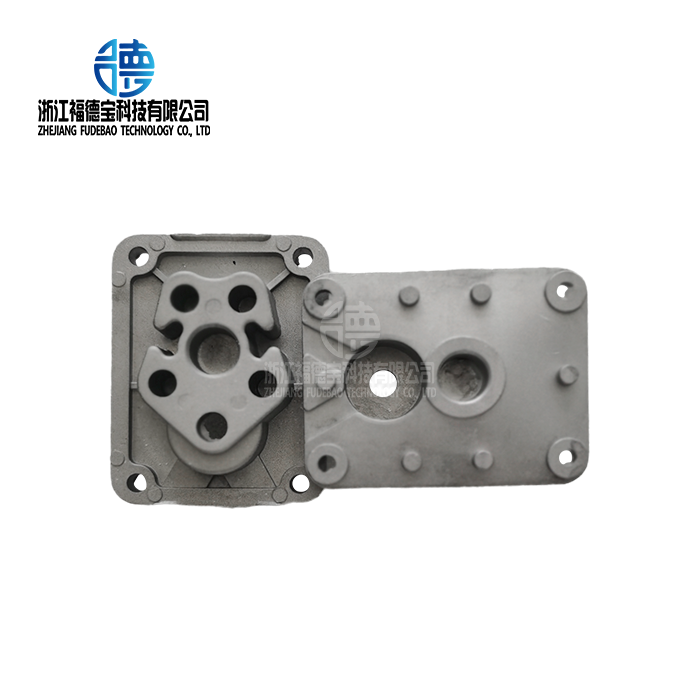
The Complete Guide to Aerospace Aluminium Die Castings
2026-06-25
Aerospace aluminum die castings are an important way to make parts that are both light and strong enough to meet the strict needs of defense and flight uses. Using this special method, liquid aluminum metal is pushed into precise steel molds under a lot of pressure. This makes parts that are very accurate in size and have strong structures. In this guide, we'll look at how aluminum die casting helps aerospace engineers deal with the unique problems they face, such as the need to reduce weight and meet strict certification standards, while also meeting the reliability and performance standards that make modern aerospace manufacturing great.
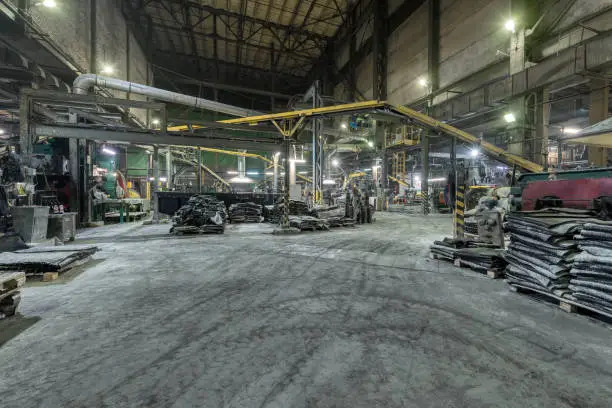
Understanding Aluminum Die Casting in Aerospace Applications
What Makes Aluminum Die Casting Essential for Aerospace
Pressures higher than 10,000 psi are used to force liquid aluminum metal into hardened steel molds in the process of aluminum die casting. The aircraft industry relies on this method because it can make parts with complicated shapes while keeping accuracy as low as ±0.05mm. We've seen how this level of accuracy gets rid of needless extra processes that cost a lot of money and extend production times.
Because they are so strong for how light they are, aluminum alloys are essential for use in aircraft. When a part of an airplane can do the same structure work while being one-third the weight of steel, it uses a lot less fuel. This benefit in weight immediately turns into a longer flight range and lower operating costs over the life of an aircraft.
The Step-by-Step Aerospace Casting Process
To start the die casting process, the liquid aluminum is carefully heated to a temperature range of 1,200°F to 1,300°F, based on the alloy. Carefully calculated injection speeds and pressures fill every part of the cavity while reducing turbulence that could cause flaws. Cycle times can be anywhere from 30 seconds to several minutes, based on how complicated the part is and how thick the walls need to be.
Quality factors during casting have a direct effect on how well the part works. Changes in temperature of only 20 degrees can have an effect on mechanical properties, and the time of the injection can change the quality of the surface finish. We keep an eye on these variables all the time to make sure that the quality of each production run meets aircraft standards.
Aerospace-Grade Aluminum Alloys Explained
When maximum strength is needed after heat treatment, A356 alloy sticks out. It is often used in structural aircraft brackets and housings. This alloy is made up of silicon and magnesium, which gives it great casting qualities and better mechanical properties after being heated to T6. Its tensile strength is up to 33,000 psi, which makes it good for aircraft parts that have to hold weight.
A380 alloy is great for thin-walled sections and complicated shapes because it can be filled with dies very well. The silicon content makes the casting process smoother while still being strong enough for non-structural aircraft parts like electronics enclosures. ADC12 has the right mix of properties for both casting and performance, so it is often used for foreign aircraft projects that need to meet cross-border approval requirements.
Benefits and Advantages of Aluminum Die Casting for Aerospace
Weight Reduction Without Compromising Strength
For every kilogram that is taken off of an airplane, thousands of flight hours of fuel are saved. Aluminum die castings are 40–60% lighter than standard steel parts while still being able to hold the same amount of weight. This ability to make things lighter directly helps aircraft makers reach their goals for sustainability and operational efficiency.
The material's natural qualities make a natural oxide layer that protects against rust in many situations without the need for extra coatings. This ability to protect itself makes parts last longer in harsh aircraft settings where temperature and humidity changes are common.
Precision That Enables Innovation
Because aluminum die casting can be used to get accurate measurements, engineers can build features that work together that would normally need to be put together from several separate parts. Mounting bosses, cooling channels, and support ribs can all be cast as a single unit, which gets rid of the weak spots that can happen in welded or bolted joints. This freedom in design speeds up new ideas in aircraft systems.
The surface details of aluminum die castings often meet aircraft standards without having to be machined a lot. As-cast surfaces can get roughness values below 3.2 micrometers, which cuts down on finishing work while still meeting the needs of exposed parts in terms of appearance and function.
Cost-Effectiveness at Production Scale
Aluminum die casting's short cycle times and low waste of material make it a good choice for high-volume aircraft projects. When compared to cutting from solid billets, the cost per unit goes down a lot once the cost of the tools is spread out over the number of units that are made. By switching from machined to die cast options, we've helped aerospace producers cut the costs of parts by 35%.
The consistent method makes sure that the quality of thousands of parts can be predicted, which is very important for the dependability of the aerospace supply chain. With the right process controls, rejection rates below 0.5% are possible, which cuts down on expensive rework and keeps delivery dates for time-sensitive aircraft manufacturing projects.
Comparing Aluminum Die Casting with Other Casting Methods in Aerospace
Die Casting versus Sand Casting Performance
Sand casting is still a good way to make very small aircraft prototypes and very big parts that would be too expensive to make with tools. But with sand casting, the largest error in size is usually about 0.5 mm, while with aluminum die casting, the smallest error is only 0.1 mm. The level of the surface finish also varies a lot. For example, to meet flight standards, sand-cast parts need to be machined a lot.
When making more than 1,000 units, aluminum die casting is the most efficient way to make them. Die casting methods are automated, which means that less work is needed to make each part while still keeping a level of accuracy that can't be achieved with manual sand casting. Lead times for aluminum die cast parts are usually between 4 and 6 weeks after the machining is finished. For sand-cast parts, however, schedules often take 8 to 12 weeks longer because they need to be finished by hand.
Investment Casting Trade-offs
Investment casting can handle complex internal pathways and produces very fine surface details, which makes it ideal for aircraft turbine parts and fittings with a lot of small details. This method works best with high-temperature metals that aluminum die casting can't handle. But investment casting cycle times get a lot longer, and even when production numbers are low, the cost per piece stays high.
When the shape of the part allows it, aluminum die casting is the most cost-effective way to make it. Die casting quickly hardens and makes finer grain structures, which often have better mechanical qualities than investment cast versions in aluminum alloys.
Why Zinc and Plastic Fall Short
Zinc die casting is very accurate when it comes to measurements, but it's not strong enough or resistant to high temperatures for use in aircraft uses. Aluminum's heat stability is needed for parts that will be exposed to temperatures above 200°F. In the same way, plastic injection molding can't provide the strength and thermal conductivity needed for load-bearing or heat-dissipation tasks in flight.
Design Guidelines and Common Defects in Aerospace Aluminum Die Castings
Critical Design Considerations for Manufacturability
Wall width has a big effect on both the quality of the casting and how well it works mechanically. The best wall thickness for aerospace aluminum die cast parts is between 2.0 mm and 4.0 mm. If the walls are too thin, they might not be fully filled and be less strong, and if they are too thick, they might become porous because they cool more slowly. Even solidification and low internal loads are encouraged by uniform wall distribution.
Draft angles make it easier to get parts out of tools without damaging the surface. Depending on the depth and surface roughness needs, aerospace parts usually need 1-3 degrees of draft. Ejection flaws that affect the accuracy of measurements and the consistency of the surface are caused by inadequate draft.
Adding ribs to thin parts makes them stronger without adding too much weight. Ribs should be 50–60% of the width of the wall next to them, and there should be large fillet circles where the ribs meet to keep stress from building up. The right rib design keeps the structure's performance while distributing materials in the best way to save weight.
Understanding and Preventing Common Defects
In aircraft metals, porosity is the most dangerous flaw to look out for. When hydrogen that was dissolved in liquid aluminum crystallizes during solidification, it leaves behind tiny holes that weaken the material's mechanical qualities. Shrinkage porosity forms in thick parts that harden last, leaving holes inside the material. We manage porosity by using degassing methods, better gate designs, and vacuum-assisted casting methods.
Lines can be seen where two metal flow fronts didn't join properly during mold filling. These are called cold shuts. These linear flaws make places where cracks could start that aren't okay for flight uses. By keeping the metal at the right temperature and speed while the mold is filling, the right gate location and injection parameters stop cold shut formation.
Quality Control for Aerospace Certification
Non-destructive testing methods check the quality of parts without breaking them. An X-ray shows holes and inclusions below the surface, while an ultrasound test finds changes in density and problems with the bonds. Aerospace suppliers usually use 100% X-ray checking for important parts, and standards like ASTM E505 spell out what is acceptable.
Using coordinate measuring tools to check the dimensions makes sure they are within technical tolerances. Statistical process control keeps an eye on important factors during production runs so that trends can be found before parts become less accurate. These quality systems help meet the standards for AS9100 certification that aircraft suppliers must keep up.
Procurement and Supplier Selection for Aerospace Aluminum Die Casting
Essential Certification and Capability Requirements
ISO 9001 certification sets the standard for quality management, while AS9100 approval meets the unique needs of the aerospace business. This certification shows that a seller knows how to follow the specific rules for risk assessment, configuration management, and tracking that come with making aircraft products. Our buildings are certified to AS9100 Rev. D, which means they are in line with international aircraft standards.
In aerospace supply lines, it is necessary to be able to track materials from the delivery of the raw aluminum ingot to the end component. For every production batch, suppliers need to keep heat lot records, chemical makeup certificates, and mechanical test results. This paperwork serves the needs of aircraft OEMs for full material pedigree.
In addition to casting tools, manufacturing processes include heat treatment, cutting, and finishing the surface. Integrated sources that can handle everything from molten metal to finished parts in one place make quality control easier and the supply chain less complicated. Our building has high-speed machining centers, CNC lathes, low-pressure casting machines, and aluminum die casting tools weighing between 280 and 1250 tons, which can meet all of your production needs.
Evaluating Supplier Experience and Specialization
Expertise in aerospace materials sets qualified providers apart from general foundries. Understanding specs like AMS 4291 for A356 alloy or the details of T6 heat treatment methods is important to make sure that parts meet the performance standards for aircraft applications. Suppliers with experience in the aircraft industry can help with common application problems and offer tried-and-true answers.
Look at case studies from suppliers that show successful aircraft projects that are similar to what you need. Their portfolio's component complexity, tolerance achievement, and output numbers show that their capabilities are aligned. Ask for samples that show the quality of the surface finish and the correctness of the measurements that meet your needs.
Balancing Custom Engineering with Production Economics
Suppliers that offer variable batch production and technical help during design improvement are good for low-volume aircraft projects. When the value and performance needs of the part justify aluminum die casting benefits, it's possible to justify spending money on custom tools even for amounts of 500 to 2,000 pieces. During the planning process, we work with aerospace experts and use planning for manufacturability concepts to make sure that both the performance of the part and the efficiency of production are at their best.
For high-volume projects to work, providers must be able to increase production while keeping quality standards high. Lead times for aircraft die casting projects are usually 8 to 12 weeks for developing the tools and then 4 to 6 weeks for production runs after the first item is approved. Supply chain disruptions can be avoided by planning buying plans around these dates.
Prices are set based on how long it takes to wear out tools, how much materials cost, and how complicated the process is. Commercial aluminum alloys are cheaper than aerospace-grade alloys, but they cost more because they need to be heat treated, machined to tight standards, and given special surface treatments. Clear conversations about prices help balance the need for efficiency with the need to stay within budget.
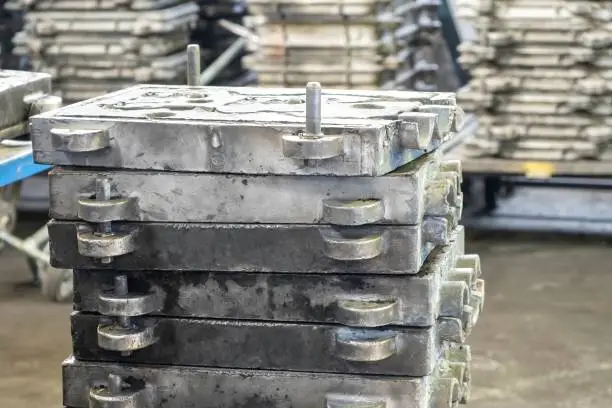
Conclusion
Aerospace aluminum die castings are the only way to get the lightweight construction, precise measurements, and structural dependability that modern aircraft needs. In this guide, we've looked at how the aluminum die casting process makes complicated parts that meet strict flight standards and allow for cost-effective mass production. The success of the program depends on choosing the right aluminum alloys, following the design standards, and working with approved suppliers. As flight technology improves, making planes more fuel-efficient and environmentally friendly, aluminum die casting will continue to make it possible for new ideas that reduce weight, boost performance, and meet stricter approval needs.
FAQ
What tolerances can aerospace aluminum die castings achieve?
Standard tolerances for aluminum die casting run from ±0.1mm to ±0.3mm, based on the shape and size of the part. Through secondary machining processes, critical measurements that need tighter control can get to ±0.05mm. Tolerances are usually set in aerospace uses based on how they are used. For example, structural parts usually need tighter control than non-load-bearing casings. As-cast tolerance acceptance vs. precision machining: we work with flight experts to figure out which dimensions allow for both, maximizing both cost and performance.
How long does aerospace die casting tooling last?
When kept in good shape, high-quality H13 tool steel dies can make 100,000 to 500,000 shots before they need major repairs. Because of more thermal cycling stress, tools used in aerospace uses with complicated shapes or thin parts may not last as long. Tooling lasts longer when it gets regular preventive care like die surface treatment and inspection. Knowing how many items will be made during the planning phase of the tool makes sure that it will last long enough to meet the needs of the program while also handling the investment of capital well.
Which surface treatments are compatible with aerospace aluminum castings?
Anodizing keeps the dimensions of an object exactly the same while giving it great rust and wear resistance. Type II anodizing makes protective layers that are 0.0001 to 0.001 inches thick and can be used in most aircraft uses. Chromate conversion layer protects against rust in a lighter way. Powder coating gives you a nice finish that is also resistant to the elements. Each process changes the end size, so it's important to think about them when setting the tolerances. We suggest that you choose a treatment based on how it will be used in space and how it will be exposed to the surroundings.
Partner with Fudebao Technology for Aerospace-Grade Aluminum Die Casting
Precision, dependability, and full traceability are all things that aerospace projects need, and only experienced aluminum die casting makers can provide them. Zhejiang Fudebao Technology focuses on making aerospace-grade parts by mixing advanced aluminum die casting with CNC machining. The finished parts they make have to meet strict dimensional standards of ±0.05mm. Our full production process includes melting, casting, finishing, and surface treatment all in one place. This keeps quality control tight and simplifies the supply chain.
With the same hard work that made us a top aluminum die casting producer in China, we serve aerospace and defense companies around the world. We have high-speed machining centers and die casting machines that can hold between 280 and 1250 tons of weight. For certain jobs, we also have low-pressure casting systems. Our engineering team works together during the planning phase to make sure that the product can be made easily and meets your performance requirements, whether your program needs a sample or a lot of them. Get in touch with our aerospace expert Hank Shen at hank.shen@fdbcasting.com to talk about how our services fit with your part needs and find out why top aerospace companies trust Fudebao Technology for mission-critical aluminum casts.
References
Campbell, John. "Complete Casting Handbook: Metal Casting Processes, Metallurgy, Techniques and Design." Butterworth-Heinemann, 2015.
Kaufman, J. Gilbert and Elwin L. Rooy. "Aluminum Alloy Castings: Properties, Processes, and Applications." ASM International, 2004.
North American Die Casting Association. "Product Specification Standards for Die Castings Produced by the Semi-Solid and Squeeze Casting Processes." NADCA, 2019.
Aerospace Industries Association. "AS9100D Quality Management Systems - Requirements for Aviation, Space and Defense Organizations." SAE International, 2016.
Bonollo, Franco, et al. "Gravity and Low-Pressure Die Casting of Aluminium Alloys: A Technical and Economical Benchmark." La Metallurgia Italiana, 2005.
Jorstad, John L. "Understanding 'Sludge' in Die Cast Aluminum Alloys." Die Casting Engineer, 2018.



YOU MAY LIKE
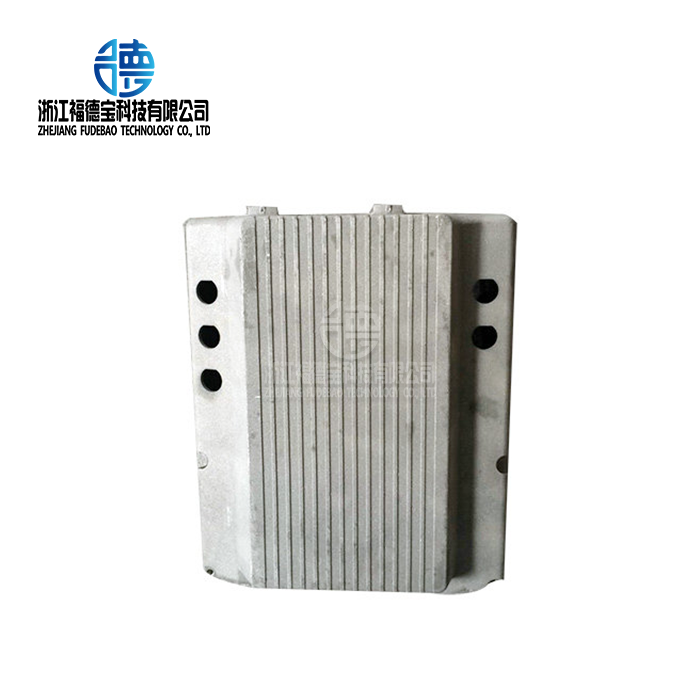
_1756352340434.webp "Aluminum chassis cover")
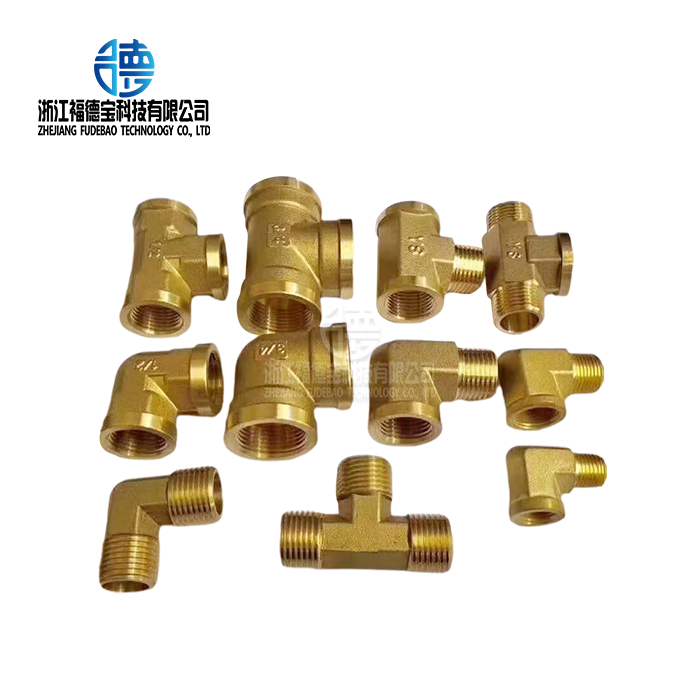
_1756346043433.webp "guardrail connecting block")