Where to Buy Aluminum Die Casting Parts Globally?
2026-01-14
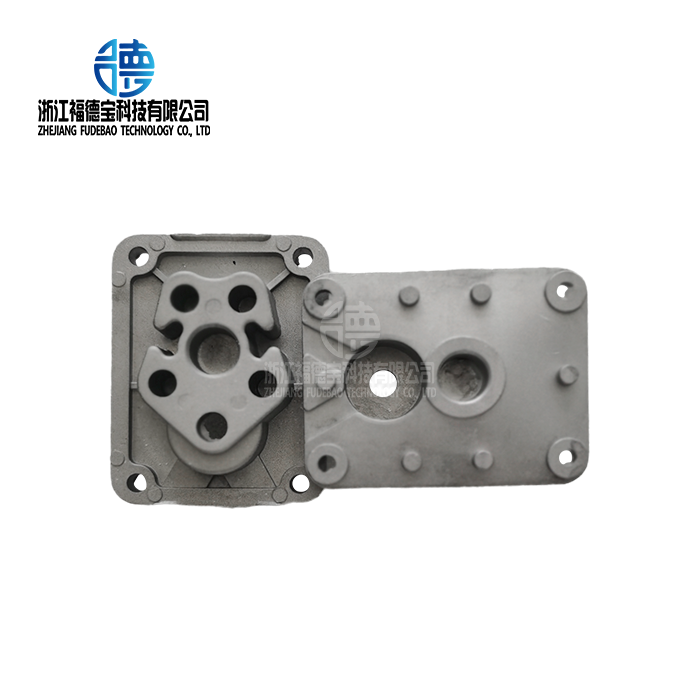
Finding dependable aluminum die casting suppliers internationally demands knowing regional manufacturing strengths, quality standards, and specific skills. China, Germany, the US, and India are the top sourcing locations because they each have special advantages in precision casting, cost effectiveness, and technological know-how. In order to obtain premium aluminum casting solutions globally, modern procurement techniques integrate digital platforms with conventional supplier networks.
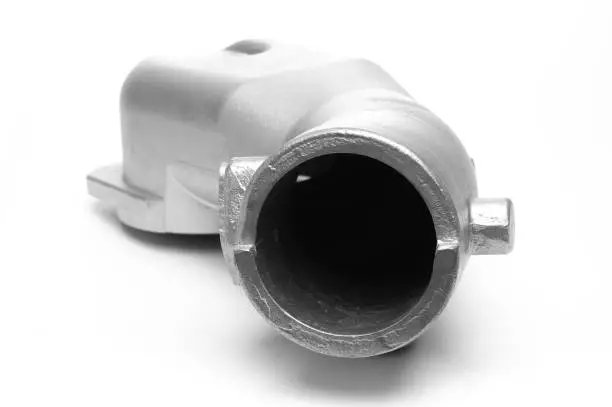
The way firms purchase aluminum die casting components has changed due to the global industrial environment. Specialized foundries that provide precision-engineered components to the automotive, industrial equipment, electrical energy, and aerospace industries are now more accessible than ever to engineering managers, sourcing directors, and quality teams.
Global Aluminum Die Casting Market Landscape
Regional Manufacturing Hubs and Their Specialties
With its sophisticated high pressure die casting capabilities, China is the world's largest producer of aluminum castings. Large-scale manufacturing, reasonable price, and quick tool development are areas where Chinese foundries shine. Major industrial clusters in Guangdong, Zhejiang, and Jiangsu provinces contain state-of-the-art facilities equipped with automated casting machines and precise CNC machining centers.
In die casting technology, Germany is the epitome of engineering brilliance. German producers specialize in automotive applications, producing parts with outstanding surface polish and dimensional precision. Their proficiency in casting simulation and mold design guarantees the best mechanical qualities and few flaws.
The US continues to have significant military and aerospace capabilities. American foundries place a strong emphasis on modern inspection procedures, traceability systems, and certification compliance. Lightweight materials and intricate geometries requiring precise casting tolerance are the areas of expertise for these facilities.
Market Demand Analysis by Industry Sectors
About 60% of the demand for aluminum die casting worldwide comes from automakers. Materials with superior heat conductivity and corrosion resistance are needed for structural elements, engine blocks, and transmission housings. Battery housings and heat-dissipating components are in greater demand as a result of the move to electric cars.
Durability and heat treatment capabilities are given top priority in the industrial equipment industry. Compressor parts, gearbox parts, and pump housings must endure harsh working conditions without sacrificing performance. Compared to conventional high pressure procedures, low pressure casting techniques are often more appropriate for certain applications.
For motor housings and electrical enclosures, electrical and energy firms are increasingly requesting aluminum die casting components. Precise machining, superior conductivity, and adherence to global safety regulations are required for these applications.
Quality Standards and Certification Requirements
Regional differences in international quality systems are substantial. While TS 16949 focuses on automotive applications, ISO 9001 certification is still the standard. Aerospace vendors are required to get AS9100 certification and have thorough traceability documentation.
Dimensional inspection reports, mechanical property testing, and chemical composition analysis are examples of material certifications. For automotive tier-1 suppliers, PPAP documentation becomes essential, necessitating thorough validation processes and continuous quality control.
Sourcing Channels for Aluminum Die Casting Components
Direct Factory Partnerships
The most control over quality, cost, and production schedule may be obtained by working directly with casting manufacturers. This strategy works well for long-term collaborations and high-volume needs. Rapid prototyping, process optimization, and collaborative mold design are made possible by direct interactions.
Significant due diligence, such as facility audits, capacity evaluations, and financial stability analyses, is necessary for factory collaborations. However, as compared to intermediate channels, the investment usually results in considerable cost savings and enhanced communication.
B2B Platforms and Digital Marketplaces
The procurement of aluminum casting has been transformed by online platforms that link customers with vetted vendors throughout the world. These systems provide safe transaction processing, capability databases, and supplier ratings. Alibaba, Global Sources, and specialist metalworking directories are examples of well-known sites.
Effective comparison shopping, quick quotation creation, and access to suppliers that would not otherwise be known are all made possible by digital sourcing. Small to medium batch manufacturing and prototype development are two areas where platform-based procurement excels.
Trading Companies and Distribution Networks
Trading firms specializing in aluminum die casting provide important services including payment security, logistical coordination, and quality inspection. They often keep up connections with many foundries, providing alternatives for backup supplies and flexibility in capacity allocation.
Distribution networks are excellent at handling many part numbers, managing intricate supply chains, and offering local inventory control. These middlemen usually increase production costs by 10% to 15%, but they provide substantial value via service integration and risk reduction.
Regional Distributors and Local Representatives
Local distributors are aware of local business customs, legal regulations, and market situations. Technical assistance, inventory control, and after-sales service coordination are just a few of the useful services they provide.
When handling intricate technical standards, quality conflicts, or pressing delivery deadlines, regional representation becomes even more crucial. Ongoing relationship management, quality audits, and factory inspections may be facilitated by local partners.
Supplier Evaluation and Selection Criteria
Technical Capability Assessment
It is necessary to comprehend process controls, quality standards, and equipment specifications in order to evaluate casting capabilities. Cycle time optimization, shot chamber capacity, and casting machine tonnage are important factors. Modern facilities include integrated quality inspection, automated material handling, and real-time process monitoring.
Delivery schedules and ultimate product quality are directly impacted by machining capability. Complex geometries and precise tolerances are made possible by multi-axis CNC machining centers. Finishing possibilities are increased by surface treatment facilities that include anodizing, powder coating, and plating.
Quality Control and Inspection Protocols
Incoming material inspection, in-process monitoring, and final component verification are all included in comprehensive quality systems. Key characteristics including mechanical qualities, surface quality, and dimensional accuracy are monitored using statistical process control techniques.
Coordinate measurement devices, X-ray inspection systems, and metallurgical analysis tools are examples of advanced inspection equipment. These instruments guarantee dimensional compliance to technical standards, identify internal flaws, and confirm material composition.
Financial Stability and Business Credentials
Long-term relationship viability is strongly impacted by the financial health of suppliers. Financial documents, banking references, and credit reports all provide light on operational soundness. Technical proficiency and service quality are confirmed by industry certifications and customer references.
Export licenses, intellectual property rights, and documentation of legal compliance for aluminum die casting are examples of business credentials. These elements become especially crucial when creating bespoke tooling solutions or sharing proprietary designs.
Production Capacity and Scalability
Assessing present utilization rates, potential for growth, and seasonal demand trends are all necessary to comprehend supplier capacity. For high-volume applications, dedicated manufacturing lines increase uniformity and cut down on setup times.
Tooling capacity, material procurement procedures, and labor stability are all included in the scalability evaluation. Suppliers must have the capacity to manage variations in volume while maintaining delivery performance and quality requirements.
Practical Procurement Guidelines
Minimum Order Quantities and Pricing Structures
MOQs for aluminum die casting vary greatly depending on the manufacturing techniques, tooling needs, and component complexity. While sophisticated parts with unique tooling sometimes need commitments of more than 10,000 pieces, simple components could just need 1,000 pieces.
Tooling expenses, per-piece casting charges, and secondary operation fees are often included in pricing schemes. Higher quantities result in large volume savings, which often lower unit costs by 20–30% at full capacity utilization.
Payment Terms and Risk Management
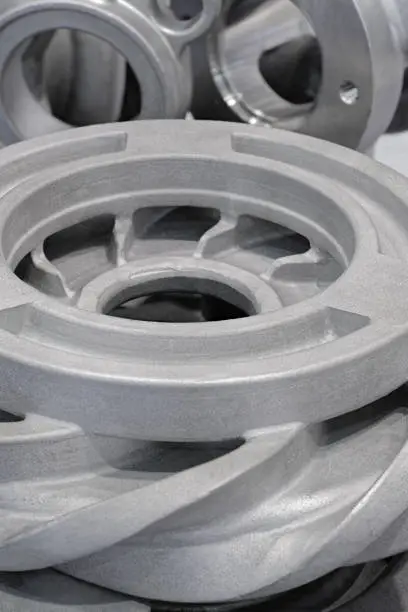
For big tooling projects, standard payment arrangements vary from 30% deposits with the remaining amount due upon delivery to more intricate milestone-based frameworks. Letters of credit preserve supplier cash flow needs while offering protection for cross-border transactions.
Delivery penalty clauses, quality assurances, and tooling ownership agreements are examples of risk management techniques. When private designs or manufacturing techniques are shared, intellectual property protection becomes essential.
Lead Times and Production Planning
Tooling development typically takes four to six weeks, sample production takes two to three weeks, and volume manufacturing takes three to four weeks. Additional processing time may be needed for complex pieces that need secondary machining.
Seasonal demand fluctuations, capacity limitations, and material procurement cycles must all be taken into consideration during production planning. Delays and poor quality are avoided by efficient communication and progress tracking.
Common Procurement Pitfalls
Insufficient specification documentation results in expensive changes and quality conflicts. Complete technical drawings, material specifications, and quality requirements provide accurate quotations and avoid misunderstandings.
Performance failures and capability mismatches are caused by inadequate supplier qualification. Risks related to new supplier partnerships are reduced by thorough audits, sample approvals, and reference checks.
Conclusion
Effective quality control systems, strong supplier assessment procedures, and an awareness of local manufacturing competencies are essential for successful global aluminum die casting procurement. The best sourcing approach strikes a balance between cost, quality standards, delivery efficiency, and the possibility of long-term collaboration. While keeping an eye on operational excellence, financial stability, and technological skills, modern procurement methods make use of digital platforms. Effective purchasers devote effort to supplier growth, uphold precise standards, and foster cooperative partnerships that promote ongoing innovation and improvement.
FAQs
What are the most important things to look for in a provider of aluminum die casting?
The primary priority is technical capacity evaluation, which includes certification compliance, equipment requirements, and quality systems. Supplier selection selections are also influenced by geographic location, manufacturing capacity, and financial stability. Customer references, delivery performance history, and quality control procedures all provide insightful information on operational excellence.
What are the differences in minimum order numbers amongst suppliers?
MOQs are mostly influenced by manufacturing techniques, tooling needs, and part complexity. While sophisticated parts with bespoke tooling may need more than 10,000 pieces, simple components usually require a minimum of 1,000–5,000 pieces. Because of their automated procedures and effective manufacturing systems, high-volume suppliers often provide reduced MOQs.
Which quality certifications are necessary for providers of aluminum die casting?
Quality management systems are based on ISO 9001 certification. While AS9100 compliance is required for aerospace applications, TS 16949 certification is required for automotive providers. Quality conformity is guaranteed by industry-specific certifications such as PPAP paperwork, material traceability, and dimensional inspection capabilities.
How can customers check the capability of suppliers before making orders?
Comprehensive capability assessments that include operating processes, quality systems, and equipment requirements are provided by facility audits. Technical capabilities are validated by sample manufacturing, client references, and certification verification. Legal compliance and operational stability are verified by financial credit reports and company registration papers.
For projects involving aluminum die casting, what are the usual lead times?
Tooling development typically takes four to six weeks, sample approval takes two to three weeks, and volume manufacturing takes three to four weeks. Lead times may increase by one to two weeks due to complex geometries that need secondary machining. Delivery schedules are optimized and delays are avoided via efficient production planning and communication.
Partner with Fudebao Technology for Premium Aluminum Die Casting Solutions
With extensive capabilities covering the whole manufacturing process from melting to finishing, Zhejiang Fudebao Technology is your go-to source for aluminum die casting. High-speed machining centers, CNC lathes, and precision casting machines with accuracy up to ±0.05mm are all part of our state-of-the-art facilities. With ISO 9001 certified quality processes and comprehensive traceability documentation, we provide services to customers in the automotive, industrial equipment, and aerospace industries worldwide. To discuss your aluminum casting needs and learn more about our dedication to quality, get in touch with our engineering team at hank.shen@fdbcasting.com.
References
North American Die Casting Association. "Global Aluminum Die Casting Market Analysis and Industry Trends." Industrial Manufacturing Quarterly, 2023.
Chen, Wei-Ming, et al. "Advances in High-Pressure Die Casting Technology for Automotive Applications." Journal of Manufacturing Science and Engineering, 2023.
European Foundry Association. "Quality Standards and Certification Requirements for Metal Casting Industries." International Foundry Research, 2023.
Thompson, Robert J. "Supply Chain Management Strategies for Global Metal Casting Procurement." Manufacturing Management Review, 2023.
International Aluminium Institute. "Global Aluminum Casting Production and Market Dynamics." Metal Industry Report, 2023.
Zhang, Li-Hua, and David Mueller. "Comparative Analysis of Regional Die Casting Manufacturing Capabilities." Journal of Industrial Engineering, 2023.



_1756348543350.webp "Automotive Turbine Casting")
_1756360265131.webp "Aluminum casting chair legs")
_1756352625880.webp "plug stainless")
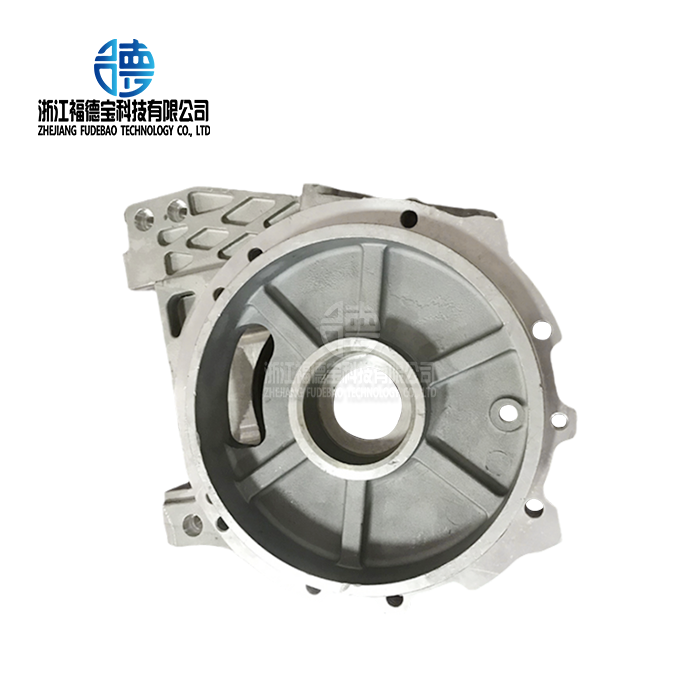
_1756348780785.webp "porting turbo compressor housing")