
What Types of Metals are Commonly Used in Industrial Sand Casting?
2026-04-22
Industrial sand casting predominantly employs five metal categories: gray and ductile cast iron for heavy-duty applications requiring excellent machinability and vibration damping; aluminum alloys (A356, A319) favored in automotive and aerospace for their lightweight and corrosion resistance; carbon and stainless steels offering superior strength in high-temperature environments; bronze and copper alloys chosen for electrical conductivity and wear resistance in energy equipment; and specialized alloys like magnesium for weight-critical components. Each metal's casting compatibility—determined by melting point, fluidity, and solidification characteristics—directly impacts mold fill quality, defect rates, and final component performance in demanding industrial applications.
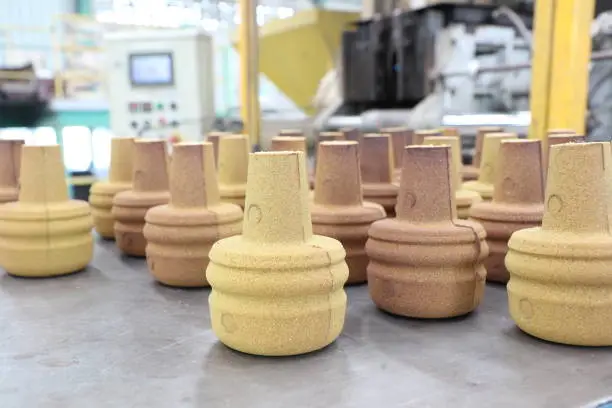
Understanding Industrial Sand Casting and Its Metal Compatibility
Sand casting is an important way to shape metal that has stayed useful in modern industry even as technology has improved. Molds made of bonded sand mixes, like green sand with clay and water or chemically-bonded resin sand, are used in this process. Molten metal is put into the molds to make complex shapes. This foundry method solves important production problems that other methods cannot effectively, and it is used for more than 60% of all metal casts made in the world.
Why Sand Casting Remains Essential for Industrial Applications?
The process gets rid of the very high costs of making the original tools needed for die casting, which makes it possible for low to medium production levels. Sand molds are more flexible than fixed molds because they can hold casting weights of several ounces to over 100 tons. This is something that cannot be done with any other welding tool. This ability to grow is very important when making big counterweights for excavators or complicated valve bodies for oil and gas infrastructure.
The success of casting depends on how well the metals work together. The burner needs and mold material choice are based on the melting point of the chosen metal. The properties of fluidity affect how fully liquid metal fills complex holes and thin areas before it hardens. How something solidifies affects how it shrinks and how likely it is that it will have internal flaws like holes. When buying teams and engineers understand these mechanical interactions, they can choose materials that make production more efficient and improve the performance of parts.
Technical Distinctions Between Mold Systems
Green sand molds are a cheap way to make large quantities of things when normal limits for size are enough. The clay-water binder method can be used again after it has been recycled, which cuts down on trash. Resin sand methods are more expensive, but they produce better surface finishes and more accurate measurements. Chemical bonding makes the cast stronger, which lets bigger, heavy parts with complicated inner cores be made. We often use furan and phenolic glue systems when our clients want a better surface quality or more accurate measurements that are close to ISO 8062 CT10 standards.
Common Metals Used in Industrial Sand Casting
For sand casting, you can use both ferrous and non-ferrous metals. Each has its own set of mechanical, thermal, and chemical qualities that are best for a certain industry.
Cast Iron Varieties for Heavy Industrial Equipment
Gray cast iron is most often used in sand casting situations where it needs to be easy to work with, reduce vibrations, and be cost-effective. It is perfect for engine blocks, pump housings, and machine tool bases because its graphite flake structure makes it lubricious and good at transferring heat. We have successfully made gray iron casts that weigh more than 50 tons for mining equipment. The damping qualities of the iron make the equipment quieter and extend the life of its parts.
When magnesium is added to ductile iron, spheroidal graphite forms, which gives it much higher tensile strength and flexibility. This change to the metal makes it ideal for crankshafts, differential housings, and heavy-duty engine parts that are loaded with impacts. Extreme thermal cycling happens in car powertrains, where complex interior cooling tunnels made through sand cores keep the engine temperature in check. The material can handle this.
Aluminum Alloys for Lightweight Performance
For industries like automotive, aircraft, and electrical that need to cut weight without losing strength, aluminum sand casting alloys like A356 and A319 are used. It is very easy for these metals to flow through thin walls and complicated shapes that look like the cooling channels in transmission housings. Because they do not rust, they are essential for naval uses and outdoor machine enclosures.
We can make monitor enclosures for industrial systems with our metal sand casting skills. These parts keep sensitive HMI terminals safe in production settings with a lot of vibration. The mass of the casting reduces vibrations so that micro-cracks do not form in electronic assemblies. Because the metal is a good thermal conductor, it gets rid of heat from high-luminance screens without the need for ventilation holes that lower IP67 ratings.
Steel and Stainless Steel for Extreme Conditions
When it comes to structural parts for building equipment, train equipment, and heavy industry uses, carbon steel castings are the strongest option. Their high melting point requires special ways to prepare the mold and pour the material, but the parts that are made can handle heavy mechanical loads and rough surroundings.
In the energy field, corrosive chemicals do not affect stainless steel types, especially duplex alloys. For deep-sea oil extraction equipment, we have made big valve bodies out of duplex steel. This material stays strong in high-pressure, salty environments that would quickly wear down carbon steel options. The material's ability to resist heat also makes it good for power plant housings that are constantly heated up.
Bronze and Copper Alloys for Specialized Performance
Bronze metals are very good at resisting wear and carrying loads in bearing systems, bushings, and sliding parts. Their ability to lubricate themselves means that industrial gear does not need as much upkeep. Copper alloys are better at conducting electricity and heat than other materials, so they are used in electrical housings, motor parts, and heat exchanger elements in green energy systems.
When these materials are used to make parts for power distribution tools, their electrical conductivity has a direct effect on how well and safely the system works. Because the metals do not rust, they will last for a long time in outdoor sites that are exposed to the weather.
Emerging Alloys for Niche Applications
Aerospace and defense companies that want to cut weight as much as possible are interested in magnesium metals for sand casting. Because they are easily oxidized, these materials need to be made in a controlled atmosphere, but their strength-to-weight ratios are higher than aluminum's. We keep special facilities for casting magnesium because these reactive metals need special ways to be handled and safety rules to be followed.
Key Factors Influencing Metal Choice in Sand Casting
To choose the best alloy for sand casting projects, you have to weigh the needs for technical performance against the facts of business and industry.
Mechanical Property Alignment
Minimum levels of strength, hardness, flexibility, and impact resistance are set by the functions of the parts. To absorb road noise, automotive suspension parts need the toughness of ductile iron, while gearbox housings need the sound damping of gray iron. The people in charge of buying things have to turn the stresses of the job into mechanical requirements that keep things from breaking down too soon and stop over-engineering that drives up costs needlessly.
Casting Process Compatibility
The minimum wall thickness and physical complexity that can be reached depend on how flexible the alloy is. Due to its high flexibility, aluminum can have walls as thin as 3–5 mm in non-ferrous molds. However, ferrous metals usually need at least 5–9 mm to avoid cold shuts, which is when they solidify too quickly and leave holes that are not filled. Thinking about melting points affects how much energy is used and how fast things are made. Compared to steel, metals with a lower melting point, such as aluminum, cut down on cycle times and burner running costs.
How solidification works affects how much to feed and how the lift is designed. Metals that shrink a lot when they cool down need carefully designed locking systems to keep them from becoming porous inside. When designing tools, our pattern-making team takes these mechanical patterns into account. This stops mistakes from happening before production starts.
Economic and Supply Chain Considerations
The prices of materials change with the global markets for commodities, which has an impact on project expenses. Aluminum prices follow the trends set by the London Metal Exchange. Steel prices, on the other hand, depend on the price of energy and the supply of iron ore. Lead times are different. Standard types of aluminum and iron ship quickly, but unique stainless metals may need longer to get. We keep smart inventory relationships with certified sources to keep high-volume clients from having to deal with supply problems.
Different methods work better with different amounts of production. When compared to die casting, sand casting requires less money to buy tools, which is good for low-volume jobs. Patterns usually take two to six weeks to finish, while polished steel dies take months. This sped-up tooling timeline shortens project starts for market entries that need to happen quickly.
Regulatory and Environmental Compliance
Automotive clients for sand casting need PPAP paperwork and material certificates that show how the metal was made in certified mills. For aerospace uses, identification needs to be even tighter, and heat lots need to be tracked all the way through the supply chain. Our quality control systems keep up with ISO 9001 certification and IATF 16949 compliance for the car industry, making sure that documentation meets the needs of that field.
Environmental laws are having a bigger effect on the choices of materials. When it comes to recycling, aluminum and steel are better than exotic metals with complicated recycling streams. Our closed-loop sand recovery systems make the least amount of trash possible, which makes them appealing to clients who have to be environmentally friendly.
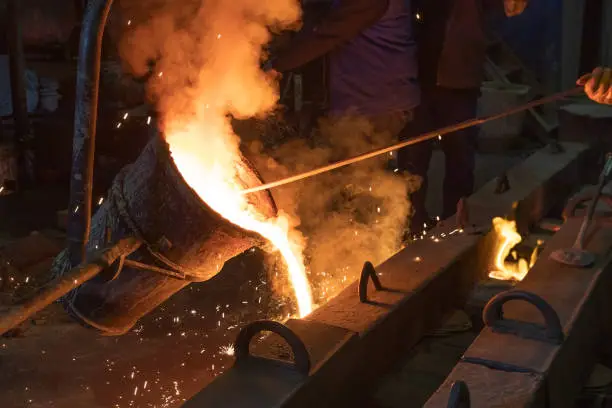
How to Choose the Right Metal Supplier for Industrial Sand Casting?
The supplier you choose has a big effect on the quality of the product, the dependability of delivery, and the long-term success of the project. Rigid evaluation criteria separate sellers who cannot meet the needs of industrial manufacturing from partners who can.
Quality Management Systems and Certifications
ISO 9001 certification shows that a quality system meets basic standards by showing that process control and ongoing improvement methods are recorded. Automotive producers need IATF 16949, which adds sector-specific standards for statistical process control, failure mode analysis, and approval methods for production parts. Aerospace customers want AS9100 or Nadcap certification, which shows that the company has advanced testing capabilities and strict tracking procedures.
We keep these certifications up to date with regular quality reviews and checks from outside the company. As part of our inspection procedures, we use spectrometric analysis to confirm the makeup of the alloy, mechanical tests to confirm the properties of the material, and coordinate measuring tools for dimensional checking with error levels below ±0.02mm. This multi-level checking makes sure that parts meet the standards before they are shipped.
Technical Capabilities and Equipment Infrastructure
Single-source responsibility is made possible by casting skills that include melting, molding, finishing, and surface treatment. Our building has high-frequency induction furnaces for exact temperature control, automated molding lines for stability, and low-pressure casting equipment for making precision parts with thin walls. CNC machines with five axes can cut complicated shapes to tolerances of up to 0.05 mm, so they can make fine parts for cars without having to do any extra work.
Surface treatment options like powder coating, anodizing, and chemical conversion coats protect against rust and give things a nice look. Multi-vendor supply chains can be hard to coordinate and cause shipping delays. This integrated method gets rid of those problems.
Supplier Relationship and Communication
Long-term friendships are good for both parties because they help each other solve problems and keep getting better. We work with our clients during the design process and offer design-for-manufacturability advice to keep them from having to pay for expensive redesigns. Our engineering team looks at CAD models to see if they can be made and suggests changes that might increase yield, lower flaws, or shorten the time it takes to make something.
Being open about things like limited capacity, changing wait times, and technology issues helps build trust. We keep a buffer stock of goods for high-volume clients and give regular reports on production. This keeps supply problems to a minimum when demand goes up.
Conclusion
When choosing metal for industrial sand casting, you have to think about how it will work with the casting process, how much it will cost, and how it will meet safety standards. Gray and ductile iron are used in heavy industries that need strong materials that can be machined easily. Aluminum alloys, on the other hand, are used in flight and the car industry to make lightweight materials that do not rust. Steel and stainless steel are strong in harsh conditions, and metals like bronze and copper provide specific performance in electrical and wear situations. Procurement teams can make the best material choices when they know how the properties of an alloy affect the quality of casting, the formation of defects, and the speed of production. Working with skilled providers who offer integrated manufacturing skills, quality certifications, and technical teamwork is the best way to make sure that projects in a wide range of industries are successful.
FAQ
Which metal is the strongest for its weight when it comes to sand casting?
Aluminum alloys, especially A356 and A357, have great strength-to-weight ratios that make them useful in aircraft and automobiles. Tensile strengths of these materials are higher than 240 MPa, and their density is about one-third that of steel. Even better ratios can be found in magnesium alloys, but they need to be handled in a certain way because they can mix with other materials.
What effect does the type of metal have on output wait times?
The supply of alloys has a big effect on project delays. Common types like gray iron, ductile iron, and standard aluminum alloys usually arrive within the normal time it takes to buy them. For specialty stainless steels or rare metals, it may take longer to get the materials you need. Pattern production is the same for all metals, and based on how complicated the design is, it usually takes two to six weeks to finish.
Can the metals made by sand casting and die casting be the same?
Die casting cannot use all kinds of alloys, especially ferrous metals with high melting points that cannot be used with fixed models. Sand casting, on the other hand, can. Even though both sand casting and die casting are good at working with aluminum alloys, sand casting is the only way to make steel, iron, and bronze at a cost-effective level because of tool temperature limits.
Partner with Fudebao Technology for Expert Sand Casting Solutions
Fudebao Technology has everything that procurement managers and engineering teams looking for trusted sand casting wholesalers need. Our combined production plant in Zhejiang Province has both high-tech foundry equipment and precise CNC machining centers. It can handle everything from molten metal to finished parts. We are experts at castings made of aluminum alloy, copper alloy, and stainless steel. We work with companies around the world in the automobile, industrial equipment, and energy sectors. Our quality systems keep their ISO certifications, and the accuracy of their inspections can reach ±0.05mm, which meets the strict needs of the car and aircraft industries. Our technical team can help with design, material optimization, and production throughout your supply chain, whether your project needs complicated engine parts, long-lasting industrial machinery parts, or precise electrical housings. Get in touch with our engineering expert at hank.shen@fdbcasting.com to talk about your sand casting needs and get personalized advice from a well-known China aluminum factory.
References
American Foundry Society. Casting Design and Performance Handbook, 2nd Edition. Des Plaines: AFS Publications, 2019.
Campbell, John. Complete Casting Handbook: Metal Casting Processes, Metallurgy, Techniques and Design. Oxford: Butterworth-Heinemann, 2015.
Beeley, Peter R. Foundry Technology, 2nd Edition. Oxford: Butterworth-Heinemann, 2001.
Brown, John R. Foseco Ferrous Foundryman's Handbook, 11th Edition. Oxford: Butterworth-Heinemann, 2000.
Kaufman, J. Gilbert and Rooy, Elwin L. Aluminum Alloy Castings: Properties, Processes, and Applications. Materials Park: ASM International, 2004.
International Organization for Standardization. ISO 8062-3:2007 Geometrical Product Specifications – Dimensional and Geometrical Tolerances for Moulded Parts. Geneva: ISO Standards, 2007.



YOU MAY LIKE
_1756352561845.webp "stainless steel blanking plug")
_1756352472762.webp "steel threaded plug")
_1756348227989.webp "Aluminum casting movable U frame")