What Materials Are Used in Low Pressure Casting?
2026-03-21
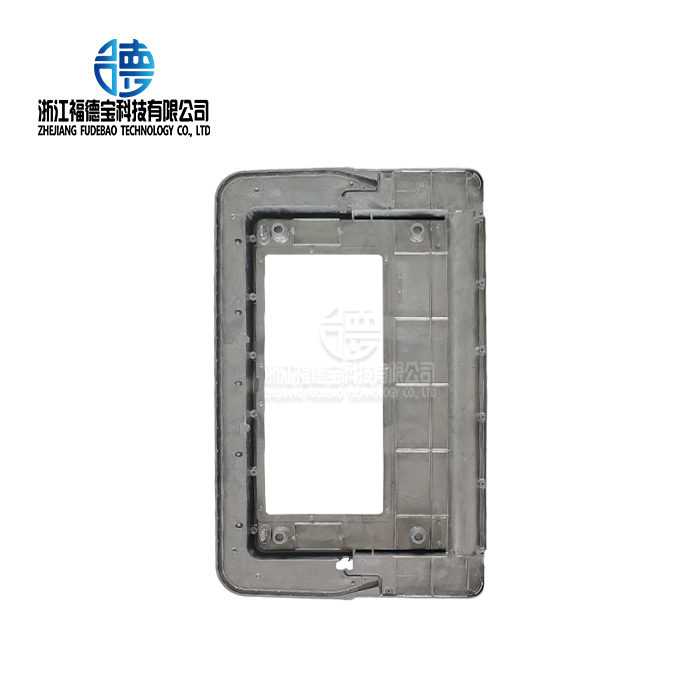
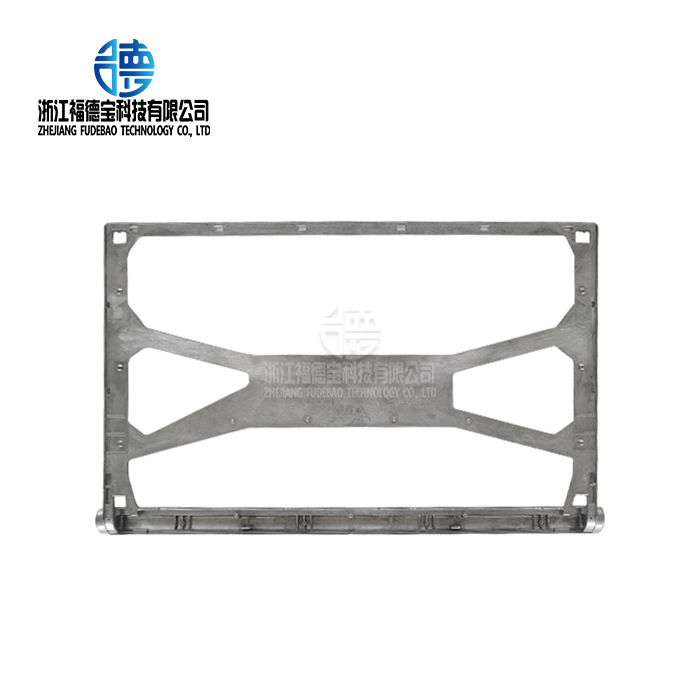
Some metals and alloys must be able to handle limited pressure while still being able to flow and harden well in order to be used in low pressure casting. They are mostly made of aluminum alloys (A356, A319, and A380), magnesium alloys (AZ91D and AM60B), and copper-based metals for some uses. These materials were picked because they can fit into complicated molds with little air pressure (0.02-0.1 MPa), but they still have better mechanical properties, more accurate measurements, and fewer flaws than regular casting methods.
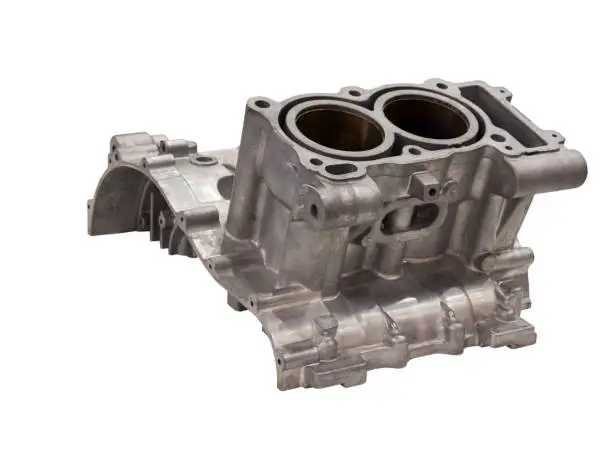
Understanding Low Pressure Casting and Its Material Requirements
In low pressure casting, models are carefully made and then filled with liquid metal. The low pressure is carefully controlled and is generally between 20 and 100 kPa. This method is much more exact and produces better mechanical properties than standard gravity casting or high-pressure die casting. The managed pressure setting makes sure that the flow is smooth, which gets rid of the instability that can happen with other casting methods.
Process Fundamentals and Material Compatibility
Because of how the mold is filled, different casting methods are basically different from low pressure casting. Molten metal can move up through a rising tube that is connected to a holding burner that is under pressure. This makes a counter-gravity filling process that limits the amount of oxide specks and gas that gets trapped. To use this complicated method, the materials need to have certain qualities, like being able to flow easily, solidify slowly, and not absorb gas easily.
The quality of the casting and how well it works in the application depend on the material that is used. It is especially important in tough environments to make sure that things are reliable and mechanically sound over time. Automobile suspension parts, airplane structure parts, and industrial pump housings need to be made of materials that can handle changing loads and keep their shape for a long time.
Critical Material Properties for Success
For low pressure casting to work, the materials need to be able to fill the mold completely and keep their shape while they die. You can exactly control the rate of cooling in a controlled pressure setting. This lets materials form fine-grained microstructures that make their dynamic features better. Because of this, it is very helpful when making parts that need to be fired later to get the best power.
Key Materials Used in Low Pressure Casting
There are several types of metals that can be used for precision casting. Each has its own benefits for different applications and performance needs. If you know about these options, you can make smart decisions that balance technical performance with cost worries in a number of factory settings.
Aluminum Alloys: The Industry Standard
An excellent mix of lightweight properties, resistance to rust, and great castability makes aluminum alloys the market leader in low pressure casting. In industrial settings, A356 and A319 metals are most often used because they have been shown to work well in industry, aircraft, and cars. It is easy to pour these metals, and when they get hot, they get better mechanical properties.
It is easier to cast A356 aluminum alloy because silicon and magnesium are added to it. A T6 heat treatment process also makes it stronger. The tensile strength of this metal is usually above 280 MPa, and the stretch number is normally between 8 and 12%. It is great for building things that need to be strong and bendy at the same time. The silicon makes the casting process go more smoothly, and the magnesium makes the metal harder over time, which makes it stronger.
There is more copper in A319 aluminum alloy than in A356, which makes it tougher when it gets hot. A319 is great for parts of engines and other places where temperatures need to change quickly because of this. When you need to make a perfect finish, the metal stays the same size and shape and is very easy to machine.
Magnesium Alloys: Lightweight Performance Solutions
Aluminum and magnesium are great metals to use when the main goal of the design is to reduce weight. AZ91D and AM60B metals, on the other hand, are about 35% lighter than aluminum but are still strong enough for many building uses. They need to be treated in a certain way because they are flammable and react badly to changes in the process.
Because they are lighter and use less gas, magnesium metals are being used more and more in auto parts like transmission housings, steering wheels, and control panel structures. While they are melting and casting, magnesium alloys need to be kept at exact temperatures and in safe environments to keep them from burning and to make sure the quality stays the same.
Copper and Specialty Alloys: Niche Applications
There are times when copper and metals made of copper are needed to conduct heat or electricity well. When metal doesn't work well, these materials are better for things like motor parts, electrical housings, and heat-absorbing elements. It is very hard for bronze and brass to rust, which makes them useful in chemistry processes and the military industry.
Zinc-based materials and silicon-aluminum-based materials are becoming more common and can be used in more fields. Casting is faster and better with these new materials because they have new technologies that give them particular property pairs that meet specific performance goals.
Material Selection Criteria for Low Pressure Casting
A lot of things affect both how well the parts are made and how well they work over time. These things help you choose the best materials. For long-lasting industry results, this decision-making process has to take into account the qualities of the materials, how well they work with other processes, the cost, and the need to follow rules.
Mechanical Property Requirements
When picking a material for low pressure casting, you should think about how strong it is, how hard it is, and how it handles heat. For parts that are constantly being loaded and emptied, you need materials that won't break after millions of wear cycles. When used in space, materials must be able to keep their qualities even when they are very hot or very cold. Car parts, on the other hand, need to be able to handle toxic environments and changes in temperature.
Parts that need to be shaped after they are made or that are loaded by impact need to be able to bend a lot. If a material's stretch properties are right, it can soak up energy during fast loading events. This stops failure types that are so bad that they could put safety or business efficiency at risk.
Process Compatibility Factors
The rate at which casting works and the quality of the part that is made are directly related to the flexibility and solidification of the metal. The materials have to fit into difficult mold shapes perfectly while cooling at the same rate all the way through so that flaws don't form. This is possible in low pressure casting because the pressure is managed, but picking the right material is still very important for getting the best results.
How something shrinks changes how accurate the measures are and how many flaws show up inside. When you shrink a material in a regular way, you can make precise models and find the best process settings. The way a material absorbs gas affects how holes form. This is especially important for parts that need to be pressure-tight or that will be burned later.
Economic and Supply Chain Considerations
How profitable a business is in the long run depends on how easy it is to get supplies, how stable prices are, and how steady sources are. Supply chains around the world are becoming less steady, so it's important to use risk management techniques like alternative material approval and source variety. Parts can cost a lot when a lot of them need to be made. This is because the cost of the raw materials can add up quickly.
More and more, environmental standards and the ability to be recycled are affecting the choices of products. Lifecycle environmental effects, like where the materials come from, the pollution that come from processing, and the recycling choices at the end of their useful life, need to be thought through as part of government rules and companies' efforts to be more environmentally friendly.
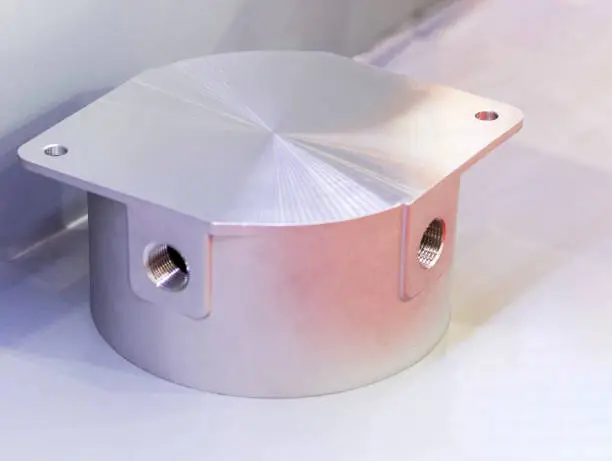
Comparison of Materials for Different Low Pressure Casting Applications
Each business has to make a lot of different material choices because they need to meet different performance goals, follow different government rules, and cut costs. You can choose the best products for your needs while keeping prices and supply chain risks low if you know about these application-specific factors.
Automotive Component Applications
Most of the time, aluminum metals are used in cars because they are strong for their weight and don't rust. For engine parts, chassis parts, and structural parts, controlled low pressure casting methods are helpful because they make the metal stronger. The main use of A356 aluminum alloy is to make wheels for cars, where resistance to damage and wear is important for safety.
When big companies move from gravity casting to low pressure casting and use the right materials, it makes a big difference in how well the parts work. Wheel makers say that flaws have been cut by more than 80% and that the wheels are 15% to 20% lighter than steel wheels. Because of these changes, the car gets better gas economy and handles better.
More and more, A380 aluminum alloy is used in gearbox housings for cars because it is good at flowing in complicated shapes and strong enough to handle working loads. The material is very easy to machine, which lets you do the precise finishing work needed for closing surfaces and bearing fits.
Aerospace Industry Requirements
Materials used in space have to meet very strict rules about weight, strength, and safety. These rules are often much stricter than those needed in cars. It is best for solid parts to be made of A356 aluminum metal that has been heated with T6. Building with it saves a lot of weight compared to regular steel because of how strong it is for how much it weighs.
Some specialty aluminum alloys, like A357 and A201, have better qualities for important uses where regular metals can't do the job. A lot of steps are taken to make sure these materials are safe for use in airplanes. For example, they are tested for wear, weather exposure, and failure.
To meet tracking standards for making airplanes, all parts must have full records kept along the supply chain. To make sure that strict quality control systems are followed, every part must have full material approval, which includes a chemistry study, proof of the mechanical properties, and records of the heat treatment process.
Industrial Equipment Manufacturing
When things are made for business, they need to be flexible and cost-effective while still meeting the needs of operations to run smoothly. By making custom metal mixes for specific uses, material costs can be kept as low as possible while still meeting useful needs. Materials chosen for their ability to fight rust and hold pressure are used in pump housings, valve bodies, and compressor parts.
In the manufacturing sector, recovered aluminum is often used to keep performance standards high while cutting down on material costs. If the right steps are taken for chemistry control and melt preparation, low pressure casting can work well with recycled materials. This method helps efforts to be more environmentally friendly while keeping the costs of raw materials low.
Conclusion
The choice of material is the most important part of low pressure casting because it affects the quality of the parts, how quickly they are made, and how reliable they will be in the long run. Aluminum alloys continue to lead the industry because they have the best mix of qualities. Specialty materials, on the other hand, are used in niche uses that need specific performance. Knowing the properties of the material, how to choose it, and what it needs for a certain application lets you make smart choices that improve industrial results while keeping prices and supply chain issues in mind. The controlled pressure setting of low pressure casting lets these materials reach their full potential, making it possible to make better parts than with standard casting methods.
FAQ
In low pressure casting, what kinds of metals can be used?
Metals like aluminum alloys (A356, A319, A380), magnesium alloys (AZ91D, AM60B), and copper-based alloys are used for specific tasks most of the time. Aluminum alloys are the most common because they are easy to make, don't rust, and have good mechanical qualities. Steel isn't used very often because it has a high melting point and doesn't flow well, which means it's not good for controlled pressure environments.
When it comes to low pressure casting, how do aluminum and magnesium metals compare?
Al metals are easier to work with, don't rust as easily as magnesium alloys, and are better in terms of tensile properties. Magnesium can cut weight by about 35%, but it needs to be handled in a certain way because it can catch fire and costs more. Aluminum is still the best choice for most uses because it has been used before and has a well-established supply chain.
In low pressure casting, can salvaged materials be used well?
If the right steps for chemistry control and melt preparation are taken, recycled aluminum can be used successfully in low pressure casting. Recycled material is usually between 30 and 50 percent, but it depends on the quality standards. To keep casting quality standards, it's important to do the right amount of degassing and inclusion removal when using recycled materials.
Partner with Fudebao Technology for Superior Low Pressure Casting Solutions
Fudebao Technology can help you make your manufacturing processes more efficient by helping you choose the right materials and using modern low pressure casting techniques. Our large building has high-speed machining centers, CNC machines, and specialized casting machines that make precise parts with tolerances of up to ±0.05mm. Get in touch with hank.shen@fdbcasting.com right away to talk about your project needs and find out how our experienced team can help you save money and time by choosing the best materials and using tried-and-true manufacturing methods.
References
Campbell, John. "Complete Casting Handbook: Metal Casting Processes, Metallurgy, Techniques and Design." Butterworth-Heinemann, 2015.
American Foundry Society. "Aluminum Casting Technology Standards and Guidelines for Low Pressure Casting Applications." AFS Technical Publications, 2019.
Dispinar, Derya, and John Campbell. "Critical assessment of reduced pressure test for aluminum melt quality evaluation." International Journal of Cast Metals Research, Vol. 17, 2004.
Kaufman, J. Gilbert, and Elwin L. Rooy. "Aluminum Alloy Castings: Properties, Processes, and Applications." ASM International, 2004.
Thin, Aung Khin, et al. "Effects of primary and secondary dendrite arm spacing on mechanical properties of A356 aluminum alloy." Materials Science Forum, Trans Tech Publications, 2010.
International Organization for Standardization. "ISO 8062-3: Geometrical product specifications for castings - Part 3: General dimensional and geometrical tolerances and machining allowances for castings." ISO Standards, 2007.



YOU MAY LIKE
_1756349794241.webp "round belt pulley")
_1756346310015.webp "Aluminum castings Crane bracket")