Guide to Sand Casting: Process, Materials, and Comparisons
2026-03-21
One of the most useful and cost-effective ways to shape metal in modern production is through sand casting. This basic method uses carefully mixed sand to make molds that can be thrown away after use. Molten metal runs into the molds and makes parts like complex auto parts and huge industrial machinery. Over 60% of all metal casts made in the world are done by sand casting. Unlike other methods, which require very expensive starting tooling, sand casting can make molds of almost any size or alloy. Critical problems in manufacturing are solved by this process, which gives manufacturers unmatched freedom in design complexity, material choice, and production numbers.
Understanding the Sand Casting Process
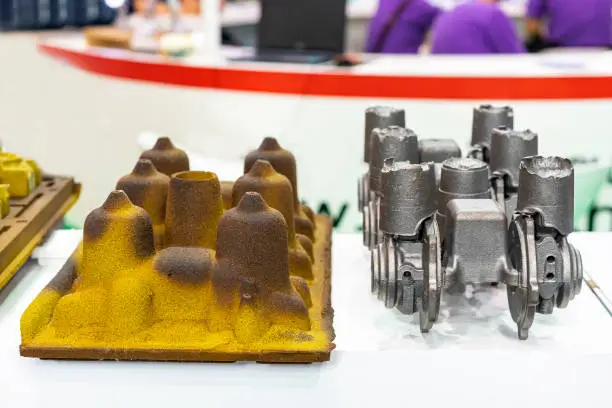
The sand casting process encompasses several critical stages that have a direct effect on the quality and performance of the finished part. The process starts with making a pattern. Next, trained workers use wood, metal, or advanced polymer materials to make exact copies of the part that is needed. These designs have to take into account the different amounts of shrinkage that each alloy has, so that the end casting is the right size.
Pattern Creation and Mold Assembly
Pattern development requires deep understanding of metallurgical principles and thermal behavior. Engineering teams have to think about gating systems that control the flow of liquid metal, where to put risers to feed shrinking during solidification, and where to put cores for internal features. Computer-aided design software is used in modern foundries to make these parts work better, which lowers the number of flaws and raises the output rate.
To prepare the mold, special tools like squeeze molding machines or automatic flaskless systems are used to pack down the sand around the pattern. The traits of the sand mixture—how permeable, strong, and easily collapsed it is—determine the surface quality and accuracy of the casting's dimensions. Green sand methods use clay cement and water, and they can be used over and over again for large-scale production. Chemically bound sands give better control over dimensions and a smoother surface for important uses.
Metal Pouring and Solidification Control
Controlling the temperature while filling is very important for stopping flaws like cold shuts and gaps. Pouring temperatures for aluminum alloys are usually between 700°C and 750°C, while pouring temperatures for cast iron are higher than 1400°C. Modern foundries use electromagnetic stirring and degassing devices to get rid of hydrogen porosity. This is especially important for aircraft and automotive uses that need to meet X-ray quality standards.
Controlling the rate of cooling to get the desired material qualities is part of solidification management. Directional solidification methods make sure that the material freezes gradually from thin sections to feeders, which stops flaws caused by shrinkage. Inoculation processes change the structure of the grains, which makes ferrous casts stronger and easier to work with.
Materials Used in Sand Casting and Their Properties
Choosing the right material for sand casting has a big effect on both the casting process and the performance of the finished part. When buying teams know how mold materials and cast alloys work together, they can find the best prices while still meeting strict standard needs.
Sand Types and Binding Systems
Because they are cheap and easy to recycle, green sand systems are used in a lot of industry and automobile settings. Bentonite clay acts as a binder and gives most metal and non-ferrous molds the strength they need while still letting gas escape. The moisture level is usually between 3 and 5 percent, and it needs to be carefully watched to avoid problems caused by mold.
Resin-bonded sand methods provide better precision in measurements and surface finish. Binders like furan and phenolic make chemical bonds that can withstand higher temperatures and pressures. This makes them perfect for big structural casts or precise parts. These systems get limits that are close to ISO 8062 CT10 standards, which cuts down on the need for cutting and wasteful material use.
Cast Metal Selection and Properties
When it comes to sand casting, aluminum metals are the fastest-growing market category. A356 and A319 metals are popular choices for parts of cars and spacecraft engines because they can be made easily and then heated to change their properties. A silicon percentage of 6 to 12 percent improves fluidity while keeping good mechanical qualities after the T6 heat process.
Cast iron types are used in heavy-duty industrial settings that need to be very resistant to wear and pressure. Gray iron has small pieces of graphite mixed in with the metal, making it easy to shape and good at transferring heat. The spheroidal graphite structure of ductile iron gives it better strength and toughness, making it more like steel in some ways while still having casting benefits.
Comparing Sand Casting with Other Casting Methods
When making choices about manufacturing, it's common to look at more than one way to make something to find the best balance between cost, quality, and shipping needs. Sand casting is one of a kind in the world of casting, and it has specific benefits for certain types of applications.
Tooling Investment and Production Economics
Die casting, compared to sand casting, works best when there are a lot of parts to make and the sizes have to be very precise. Steel casting costs between $50,000 and $500,000, and they only make economic sense for amounts over 10,000 pieces per year. The process produces a very smooth surface and accurate measurements, but it only works with alloys made of materials with lower melting points, like magnesium, aluminum, and zinc.
Investment casting makes complicated shapes with high-quality surfaces, but it takes a long time and costs a lot more because it has many steps. While ceramic shell molds allow for production of nearly net-shaped objects, they limit the size of the castings that can be made and need special facilities for building the shells and removing the wax.
Design Flexibility and Engineering Considerations
Sand casting can be used for almost any size, from tiny instrument parts that weigh only a few ounces to huge naval blades that weigh over 100 tons. Because the mold is disposable, there are no draft angle requirements, and complex internal pathways can be made through core sections. You can make undercuts, internal threads, and complex cooling paths that you can't do with permanent mold methods.
Wall thickness limits depend on the metal and casting size. For example, aluminum parts can have minimum sections of 3–5 mm, but iron materials usually need 5–9 mm to avoid cold shuts. These factors affect the weight of the part and how much material is used, but they give you more freedom than the limits of high-pressure die casting.
Optimizing Sand Casting for Industrial Procurement Needs
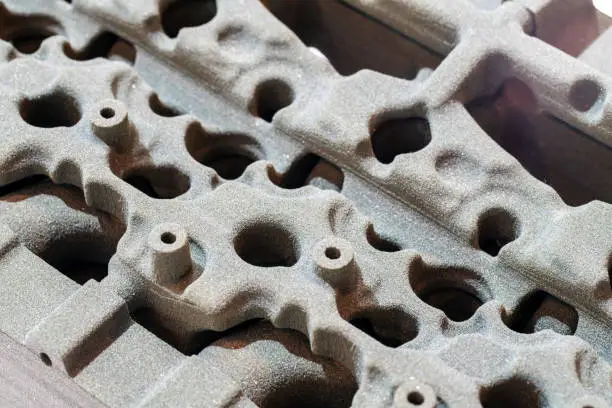
Quality assurance methods make sure that parts work the same way in all production runs. Non-destructive testing methods make sure that something is internally sound without affecting delivery times or significantly raising costs.
Quality Control and Testing Protocols
Radiography with X-rays shows interior holes, inclusions, and shrinking problems that might make the part less strong when it's in use. Digital radiography systems today offer real-time images that are more sensitive than film-based systems. Magnetic particle screening finds flaws below the surface of ferrous materials, while penetrant testing finds flaws that break the surface.
Coordinate measuring tools are used for dimensional verification to check important features, and statistical process control keeps an eye on the regularity of the casting. First item inspection records show that the product meets engineering requirements and set standard parameters for ongoing production tracking.
Supply Chain Optimization Strategies
To meet delivery deadlines for sand casting, lead time management combines pattern preparation, production schedule, and finishing tasks. Modular pattern systems keep design freedom while lowering the cost of tools for groups of components. Strategic store management of popular alloys and sand materials lets you meet pressing needs quickly.
The professional skills, quality system certification, and financial security of a supplier are some of the things that are used to judge them. ISO 9001 and TS 16949 certifications show that quality control systems are well-established, and NADCAP approval shows that the aerospace business is following the rules. Regular checks make sure that efforts to improve all the time and keep process controls up to date are working.
Future Trends and Innovations in Sand Casting
The foundry business is driven by new technologies that make things more efficient and help protect the environment. Artificial intelligence and machine learning algorithms are used in digital transformation projects to find the best process settings and predict when repair will need to be done.
Sustainable Manufacturing Initiatives
Recyclable binder systems cut down on the cost of getting rid of trash and make the air quality in the workplace better. Traditional phenolic systems contain volatile organic compounds. Inorganic binders get rid of these chemicals while keeping the mold strong enough for most uses. Reclamation methods reuse and recycle sand materials, and in modern plants they can recycle more than 95% of them.
3D printing technology makes it possible to make patterns quickly for prototypes and low-volume uses. Digital sand printing makes molds straight from CAD data, so complex shapes don't need any patterns at all. These technologies cut wait times from weeks to days and make it possible to make changes to designs that weren't possible before.
Industry 4.0 Integration
Real-time monitoring of mold temperature, humidity, and metal flow rates is possible thanks to sensor networks. This lets process changes be made right away to avoid flaws. Predictive maintenance programs look at vibration patterns and temperature profiles to plan repair for equipment before it breaks down. Automated material handling systems make it easier to prepare sand and charge metal while also saving money on labor and making the workplace safer.
Conclusion
Sand casting continues to serve as the backbone of metal component manufacturing across diverse industrial sectors. Other ways of making things can't compare to this method when it comes to design freedom, material range, and cost-effectiveness. These days, foundries use high-tech materials, computer tools, and quality control methods to make parts that meet ever-higher performance standards while still keeping costs low.
Procurement workers can make better sourcing choices that save money and improve performance by learning about the different sand casting methods, materials, and uses. Because the method is naturally flexible, it will still be useful as manufacturing needs change and new uses come up in the energy, aircraft, automobile, and industrial sectors.
FAQ
What distinguishes green sand from resin sand casting systems?
Green sand mixes clay binders with water to make molds that can be used again and again and can be used for high-volume production with standard limits for size. Resin sand uses chemical binders that harden to give better shape accuracy and surface finish quality. It is usually used for bigger models or precise tasks that need tighter margins, even though the material costs more.
How can gas porosity be prevented in sand cast components?
Controlling sand permeability by making sure grains are the right size and spread out, setting up the right mold opening systems, and using degassing methods in molten metal are all ways to stop gas porosity. Rotating impellers and harmless gas input are used in aluminum degassing to get rid of dissolved hydrogen. Proper gate design ensures that the mold fills without any turbulence.
What minimum wall thicknesses are achievable through sand casting?
Minimum wall thickness varies on the type of metal and the size of the casting. Non-ferrous metals, like aluminum, can usually be cut into pieces that are 3–5 mm thick. On the other hand, ferrous materials need to be at least 5–9 mm thick to avoid cold shuts or partial filling, which happen when metal streams don’t fuse properly during solidification.
Partner with Fudebao Technology for Superior Sand Casting Solutions
Fudebao Technology stands ready to address your most challenging sand casting requirements with our comprehensive manufacturing capabilities and quality systems. Our building has both precision CNC machining centers and low-pressure casting tools, so we can provide full solutions from molten metal to finished parts. We work with aerospace companies, automakers, and companies that make industrial tools all over the world. Our precision can hit ±0.05mm. Get in touch with our engineering team at hank.shen@fdbcasting.com to talk about your needs and find out why top brands trust Fudebao Technology as their sand casting provider.
References
Campbell, John. "Complete Casting Handbook: Metal Casting Processes, Techniques and Design." 2nd Edition, Butterworth-Heinemann, 2015.
Brown, John R. "Foseco Foundryman's Handbook: Facts, Figures and Formulae." 11th Edition, Butterworth-Heinemann, 2000.
American Foundry Society. "Sand Casting Processes and Materials Handbook." AFS Technical Publication, 2019.
Stefanescu, Doru M. "Science and Engineering of Casting Solidification." 3rd Edition, Springer International Publishing, 2015.
International Organization for Standardization. "ISO 8062-3: Geometrical Product Specifications - Dimensional and Geometrical Tolerances for Moulded Parts." Geneva: ISO, 2007.
Davis, Joseph R. "Cast Iron ASM Specialty Handbook." ASM International Materials Park, Ohio, 1996.



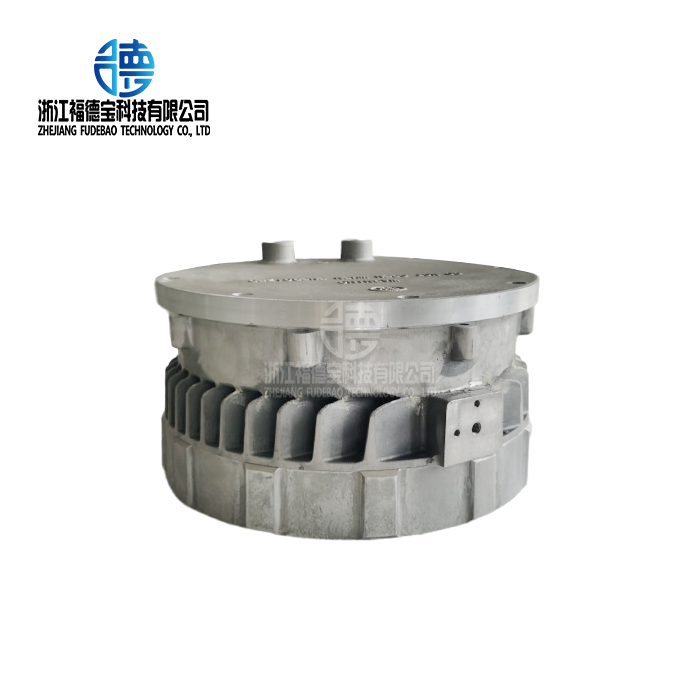
_1756350092126.webp "radiator cover")
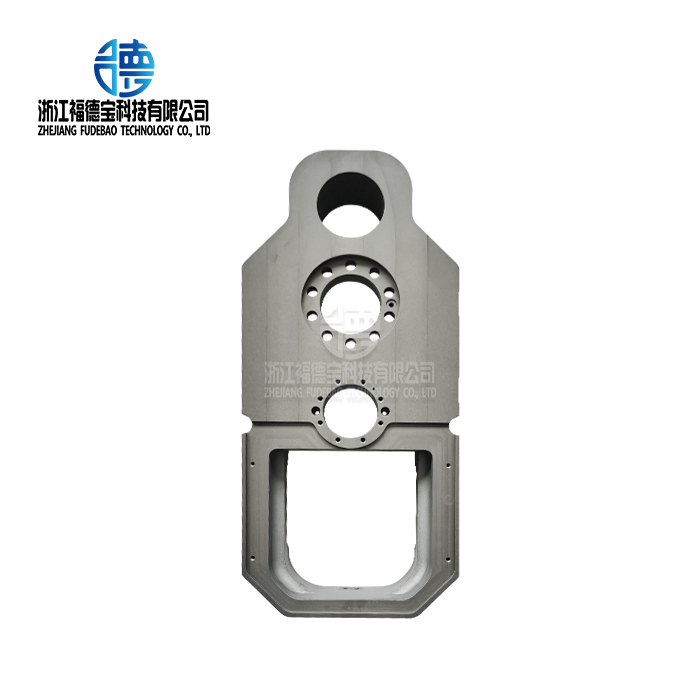
_1756349957728.webp "metric v belt pulley")
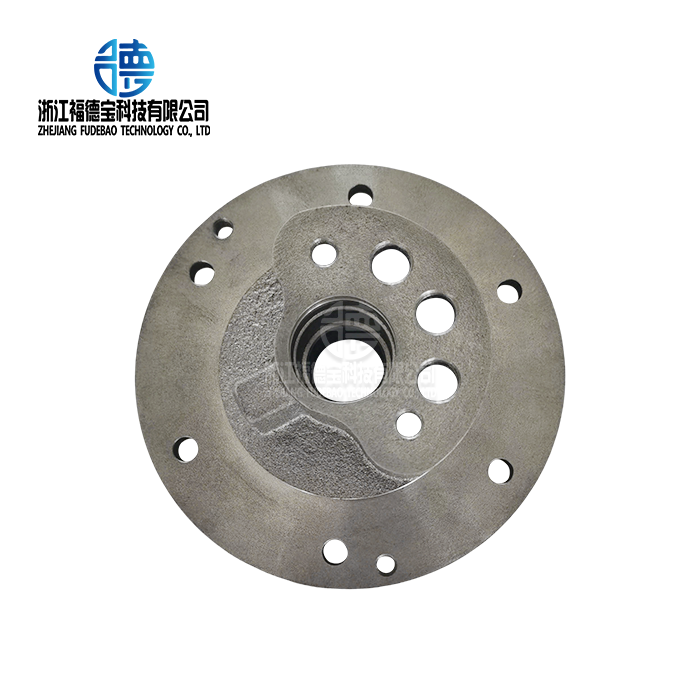
_1756349862928.webp "belts pulleys")